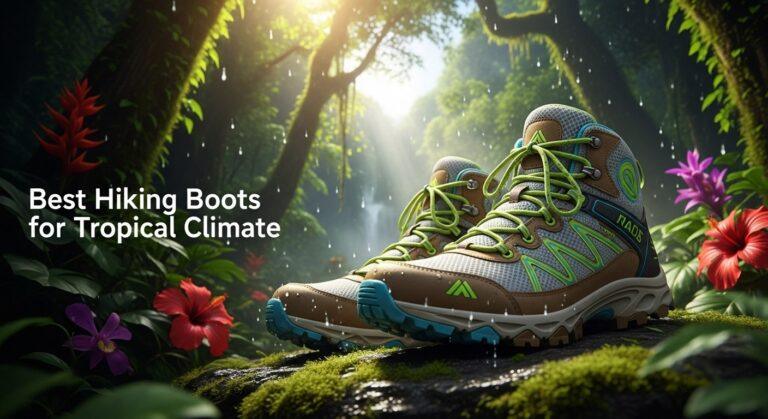
The best hiking boots for tropical climate balance grip, drainage, light weight, support, and protection from wet trails.
A tropical hike can turn from sunny fun into a muddy test in minutes. Hot air, sudden rain, slick roots, stream crossings, and wet socks can make a poor boot feel like a brick on your feet. I looked for boots that handle heat and rain without giving up comfort or trail grip. The models below cover waterproof day boots, light ankle boots, tactical jungle boots, and warmer options for highland trips. That range helps you choose the right pair for your trail, pace, and local weather.
NORTIV 8 Men’s Lightweight Waterproof Boots

The NORTIV 8 men’s waterproof boot is a strong all-around pick for wet tropical trails. Its mid-height design helps shield the ankle from mud, splash, and loose stones. The light build feels easier on the legs than a stiff leather hiking boot. I also like the coyote color because it hides trail dust better than very light shades.
The waterproof upper can help during rain and shallow puddles, but no waterproof boot stays dry if water enters over the collar. The sole is made for mixed ground, including dirt, gravel, and damp rock. Its cushioned footbed adds comfort on long walks, while the ankle cut gives useful support on uneven paths. For most day hikers, this model offers a good mix of value and trail use.
Pros:
- Light feel for warm-weather hikes
- Waterproof upper helps block rain and puddle splash
- Mid-height collar adds ankle support
- Traction suits mud, dirt, and mixed trail surfaces
- Cushioning helps reduce foot fatigue
- Useful fit for day hikes and travel
Cons:
- Water can enter during deep stream crossings
- May feel warm in very humid lowlands
- Break-in time may vary by foot shape
My Recommendation
I recommend this pair for hikers who want one boot for rain, forest paths, and weekend trips. It is especially useful for people who prefer ankle support but dislike heavy boots. As one of the best hiking boots for tropical climate conditions, it works well for moderate trails and daily outdoor use. Check the current size chart and price before ordering, since stock and deals can change.
Columbia Newton Ridge Plus II Waterproof Boot

The Columbia Newton Ridge Plus II has the look and feel of a classic hiking boot. It uses a structured upper that gives more protection than a soft trail shoe. The waterproof construction is useful for humid forests, rainy parks, and wet grass. Its cordovan and squash color also gives it a clean style for travel after the hike.
This boot feels more supportive than many light budget models, though that support adds some weight. The rubber outsole gives steady contact on dirt and rock, and the cushioned midsole helps on long climbs. I would choose it for hikers who want comfort and protection over maximum airflow. Remember that waterproof materials can trap heat, so breathable socks remain important in tropical weather.
Pros:
- Classic design with strong outdoor protection
- Waterproof build suits rainy trail days
- Supportive feel for uneven ground
- Cushioned midsole helps on longer hikes
- Rubber outsole provides dependable trail contact
- Works well for hiking and casual travel
Cons:
- Heavier than lightweight ankle boots
- Can feel warm in hot, humid weather
- Needs careful drying after very wet hikes
My Recommendation
This Columbia boot is best for hikers who want a sturdy, familiar hiking boot for rain and rough paths. It suits moderate trails, park hikes, and travelers who want a boot that looks good off the trail. It can rank among the best hiking boots for tropical climate use when protection matters more than airflow. I would not pick it for fast hikes in extreme heat, but it is a reliable value for mixed conditions.
NORTIV 8 Women’s Lightweight Ankle Hiking Boots

This women’s NORTIV 8 ankle boot is aimed at hikers who want light support without a tall, stiff collar. The shorter height can feel less restrictive during warm climbs. Its hiking sole gives more grip than a normal walking sneaker. The khaki color is practical for trails, parks, and outdoor travel.
The design fits day hikes, nature walks, and light trekking in damp weather. An ankle boot cannot protect as high against mud or water as a mid boot, so trail depth matters. The light construction may also feel more comfortable when the heat rises. I suggest wearing these with moisture-wicking socks and testing the fit before a long trip.
Pros:
- Lightweight design reduces leg strain
- Lower ankle height allows easy movement
- Trail outsole offers useful grip on dirt
- Suitable for warm-weather day hikes
- Easy to pack for tropical travel
- Khaki finish hides light trail dust
Cons:
- Less ankle coverage than a mid boot
- Limited protection in deep mud
- May need extra time to soften around the ankle
My Recommendation
I recommend this model for women who favor comfort, low weight, and easy movement. It is a smart choice for maintained trails, city-edge hikes, and tropical trips with short rain showers. Among the best hiking boots for tropical climate travel, it stands out when pack weight and comfort are top concerns. Choose a taller boot if you often cross deep mud or rough, loose terrain.
Under Armour Micro G Valsetz Mid Boot

The Under Armour Micro G Valsetz Mid is a tactical-style boot built for active movement. Its mid cut gives more ankle coverage than a low hiking shoe. The black design is easy to pair with work clothes, travel gear, or outdoor clothing. It also has a sporty shape that feels closer to a high-top trainer than a traditional hiking boot.
This boot may suit hard-packed trails, work sites, and urban walks better than deep jungle routes. Its cushioning helps when you spend many hours on your feet. The mid height can also add a welcome sense of stability on uneven ground. However, buyers should confirm the exact water-resistance features for the selected version instead of assuming every Valsetz model is fully waterproof.
Pros:
- Sporty build supports active walking
- Mid cut gives useful ankle coverage
- Cushioned sole helps during long days
- Black color works for outdoor and work use
- Good option for fast movement on firm ground
- Versatile design for travel and daily wear
Cons:
- Not the first choice for deep mud
- Waterproof performance may vary by version
- Less traditional hiking protection than rugged boots
My Recommendation
This boot is best for active users who need a flexible mid boot for work, travel, and light trails. I would choose it for firm paths, warm city hikes, and long days that mix walking with outdoor tasks. It can fit a best hiking boots for tropical climate shortlist when speed and comfort matter. For wet jungle routes, check the product details and consider a boot with clear waterproof labeling.
NORTIV 8 Women’s Waterproof Arch Support Boots

This NORTIV 8 women’s boot focuses on waterproof coverage and arch support. That combination can help hikers who feel foot strain on long walks. The khaki upper has a simple outdoor look, while the ankle height adds more protection than a sneaker. It is a practical choice for wet parks, light mountain trails, and daily outdoor use.
Arch support can feel helpful, but every foot is different. I advise checking the fit with the socks you plan to wear before taking these on a long tropical hike. The waterproof design helps block outside moisture, yet it may retain heat in very humid air. Good socks and short drying breaks can make the experience more comfortable.
Pros:
- Waterproof construction helps in wet weather
- Arch support may reduce foot stress
- Ankle coverage gives added trail protection
- Useful for long walks and moderate hikes
- Protective design suits muddy paths
- Good value for hikers who need extra foot structure
Cons:
- Arch shape may not suit every foot
- Can feel warm in humid lowland weather
- Not ideal for deep water above the collar
My Recommendation
I suggest this pair for women who want waterproof support and a stable feel. It is especially useful for hikers who prefer some arch structure over a soft, flat shoe. For many users, it is a practical entry in the best hiking boots for tropical climate category. If you have custom orthotics or very sensitive feet, test the internal space before committing to a long trek.
FREE SOLDIER Women’s Six-Inch Tactical Boots

The FREE SOLDIER women’s boot uses a six-inch tactical design for extra coverage. That taller shaft helps keep out brush, mud, and small stones on rough trails. The green color blends well with outdoor settings and field work. Its waterproof label makes it appealing for hikers who expect wet grass, rain, and muddy ground.
Tall boots can feel more secure, but they also add weight and warmth. I would use this pair for work trails, camping, hunting, and hikes where ankle and lower-leg protection matter. The boot may need a careful break-in period, especially for users who are used to soft sneakers. Wear them around the house first and check for heel lift, toe pressure, and collar rub.
Pros:
- Six-inch shaft adds useful coverage
- Waterproof build suits wet outdoor work
- Tactical shape protects against brush and debris
- Firm design supports rough trail use
- Green finish works well for field activities
- Useful for hiking, camping, and work
Cons:
- Taller design may feel hot in humid weather
- Heavier than low ankle hiking shoes
- May require more break-in time
My Recommendation
This model is best for women who need coverage and protection on rough outdoor jobs or wild trails. It makes more sense for brush, mud, and camp work than for fast, easy park walks. It may be one of the best hiking boots for tropical climate conditions when protection is the main goal. I would choose a lighter ankle boot for hot, paved approach walks or long-distance travel.
XPETI Thermator Mid-Rise Waterproof Boot

The XPETI Thermator is a waterproof mid-rise boot with insulation and a non-slip outsole. That feature set makes it different from most tropical hiking choices. It is built for cold weather, high elevations, and wet trips where warmth matters. The black finish is simple and easy to maintain.
I would not select this boot for a hot, lowland rainforest unless you expect cold nights or high mountain weather. Insulation can make feet sweat quickly in tropical heat. On cool volcanic trails, rainy highlands, or winter travel, however, the warmth may be a real benefit. The sole and waterproof upper offer useful protection when the trail is wet and the air is cold.
Pros:
- Insulation helps in cool mountain weather
- Waterproof design blocks rain and slush
- Non-slip outsole supports wet ground
- Mid-rise shape adds ankle protection
- Good choice for high-elevation travel
- Protective build suits cold, wet conditions
Cons:
- Too warm for most hot lowland hikes
- Heavier than tropical trail shoes
- May feel bulky during fast climbs
My Recommendation
This boot is best for tropical highlands, cool volcano routes, and travelers who face cold rain. It is not my first choice for humid coastal forests or hot daytime hikes. Still, the Thermator deserves consideration among the best hiking boots for tropical climate trips that include elevation changes. Buy it for warmth and wet-weather safety, not for maximum breathability.
Rothco 8-Inch Jungle Boots
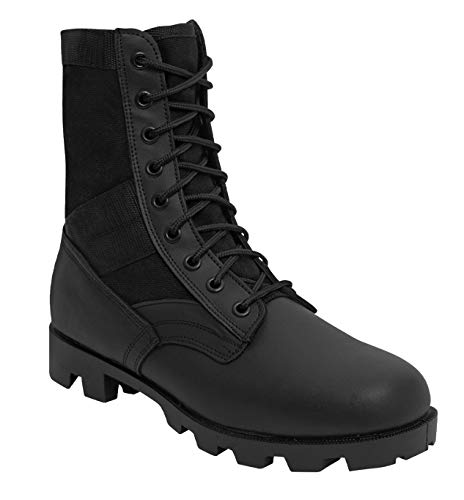
Rothco eight-inch jungle boots take a classic approach to hot and wet terrain. Their tall profile gives strong ankle and lower-leg coverage. A jungle boot design usually favors airflow and field use rather than sealed waterproof comfort. That can be helpful when your route includes heat, mud, and repeated wet conditions.
These boots are better for users who understand how to wear and dry jungle boots than for hikers seeking a plush modern fit. They can work well for field training, camping, and rough tropical paths. The tall shaft may help keep debris out, but it can feel stiff and warm at first. Take time to break them in, use proper socks, and dry them fully after each trip.
Pros:
- Tall eight-inch design gives strong coverage
- Classic jungle boot style suits hot field use
- Helps keep dirt and small debris out
- Good match for camping and tactical activity
- Durable-looking build for demanding use
- Useful alternative to sealed waterproof boots
Cons:
- Less cushioned than many modern hiking boots
- May feel stiff during the break-in period
- Not a fully sealed waterproof boot
My Recommendation
I recommend Rothco jungle boots for experienced outdoor users who value field coverage and airflow. They suit hot, wet routes where water may enter and drain rather than remain trapped inside. They can be among the best hiking boots for tropical climate use for military-style work and rugged camping. Casual hikers may prefer a lighter boot with a softer midsole and easier fit.
NORTIV 8 Women’s Waterproof Trekking Boots

This NORTIV 8 trekking boot is made for women who want waterproof coverage and a traditional hiking shape. The black and pink color gives it a lively look without losing its outdoor purpose. Its taller collar supports the ankle on rougher paths. The boot is a good fit for rain-prone parks, forest trails, and weekend trekking.
The waterproof build is useful in showers and shallow wet sections, while the outsole helps on loose dirt. Like most waterproof boots, it may feel warmer than a mesh trail shoe. I suggest pairing it with thin wool or synthetic socks that move moisture away from the skin. A secure heel fit is important because tropical mud can make every step less stable.
Pros:
- Waterproof upper suits rainy trail days
- Trekking height adds ankle support
- Color gives a bright, easy-to-find style
- Grip works for dirt and light mud
- Protects feet better than ordinary sneakers
- Useful for day hikes and weekend trips
Cons:
- Can retain heat in very humid air
- Not made for deep water crossings
- May feel firm for users who prefer soft shoes
My Recommendation
This pair is best for women who want a supportive waterproof boot for regular trekking. It fits hikers who need more coverage than an ankle shoe but do not want a heavy work boot. I see it as a balanced choice among the best hiking boots for tropical climate weather. It offers good practical value for rain, mud, and mixed day trails when properly sized.
NORTIV 8 Women’s Waterproof Hiking Boots

This light gray and pink NORTIV 8 boot gives women a waterproof option with a softer, more casual look. The design works for trail walks, camping, and travel. Its hiking sole offers more grip than a regular fashion boot. The ankle height gives a useful middle ground between a low shoe and a tall tactical boot.
I like this type of boot for travelers who want one pair for light hiking and daily use. It can handle rain and damp paths, but it is still wise to avoid soaking water above the collar. The pale upper may show mud sooner than the khaki or black choices. Clean and dry it after each hike so the materials and inner lining stay fresh.
Pros:
- Lightweight feel suits casual hiking
- Waterproof construction helps during rain
- Ankle height supports mixed trail use
- Attractive color works for travel
- Hiking sole adds useful traction
- Good choice for beginners and day hikers
Cons:
- Light color can show mud quickly
- Less protection than a tall boot
- May feel warm during peak tropical heat
My Recommendation
I recommend this model for beginners, travelers, and women who want a light waterproof boot for easy to moderate trails. It is comfortable for a wide range of daily outdoor tasks and does not look overly technical. As one of the best hiking boots for tropical climate trips, it works best when rain protection and simple comfort share equal importance. Pick a darker model if you expect heavy mud every day.
What to Look for in Tropical Hiking Boots
Choosing tropical hiking boots takes more thought than choosing boots for a dry mountain trail. Heat changes how your feet swell. Humidity slows drying. Rain turns hard soil into a slick surface, and jungle paths may hide roots under leaves. The right boot should work with these conditions instead of fighting them.
Waterproofing Versus Breathability
A waterproof membrane can keep rain and puddle water out. That is useful during storms and on wet grass. Yet a sealed boot may also hold sweat inside, especially in hot lowlands. If your route has frequent rain but little deep water, a waterproof boot can be a smart choice.
For very humid areas, airflow may matter more than total waterproofing. Jungle boots and quick-dry trail shoes can let water drain and help feet dry sooner. This does not mean wet feet are harmless. Moist skin can soften and become more prone to blisters, so change socks when you can.
Traction on Wet Ground
Look for a rubber outsole with clear lugs and a stable heel. Deep lugs can bite into mud, but they may feel less smooth on pavement. Small, closely spaced patterns can work well on rock and packed dirt. No outsole can make wet roots safe, so slow down and place each step with care.
Boot Height
Low boots feel light and cool. Mid boots give more ankle support and help block splash. Tall boots protect against brush, mud, and debris, but they weigh more and can feel hot. For most tropical day hikes, a mid-height boot is the safest middle path.
Fit and Toe Room
Your feet often swell during a warm hike. Leave enough room to wiggle your toes, but do not allow your heel to slide. Try boots with the socks you will use on the trail. Walk downhill during a fit test because toe pressure often appears there first.
Weight
Every extra ounce repeats with every step. A heavy boot may protect well, but it can drain energy on steep, humid trails. A light boot may feel better for speed, but it may offer less structure. I prefer the lightest boot that still matches the trail risk.
Support and Protection
Strong support matters more on rocky, loose, or steep trails. A firm heel counter can help keep the foot centered. A toe cap protects against roots and stones. Ankle support can help, but it cannot prevent every twist, so good foot placement still matters.
Drying and Care
Do not leave wet boots in a sealed bag. Remove the insoles and loosen the laces. Let air move through the boots in a shaded place. Avoid strong direct heat because it can damage glue, leather, and synthetic panels.
How I Chose the Best Hiking Boots for Tropical Climate
I judged these boots by the needs I see most often on tropical trails. I looked at protection, weight, ankle height, grip, comfort, and likely use. I also considered the trade-off between a sealed waterproof boot and a fast-draining jungle boot. No single pair is perfect for every island, rainforest, or highland trail.
Safety guidance from public land agencies commonly stresses proper footwear, weather planning, and trail awareness. Foot-health guidance also supports a proper fit with enough toe room and a secure heel. These points sound simple, but they prevent many common problems. Blisters, slips, and soaked feet can end a hike faster than a steep climb.
I also separated hot lowland hiking from cool tropical highland hiking. The Thermator, for example, makes sense in cool rain but not in most hot forests. The Rothco jungle boot offers a different approach, with field coverage and less reliance on sealed waterproofing. That is why this list includes several boot types instead of naming one style for every person.
Best For Comparison
| Best for | Why |
|---|---|
| Rainy day hikes | NORTIV 8 waterproof boots offer light protection and useful trail support. |
| Hot field and jungle work | Rothco jungle boots give tall coverage and a classic tropical field design. |
| Cool tropical highlands | XPETI Thermator adds insulation, waterproofing, and non-slip traction. |
How to Use Hiking Boots in Hot, Wet Weather
Start with a short walk before your main trip. This lets you find pressure points while you are still near home. If a boot rubs after ten minutes, it may cause a painful blister after five hours. Small fit problems become big problems on remote trails.
Wear socks made from wool blends or synthetic fibers. Cotton holds water and dries slowly, which can increase rubbing. Carry one spare pair in a waterproof bag. A dry pair of socks can feel like a reset button after a wet stream crossing.
Use gaiters when your trail has deep mud, loose sand, or thick brush. Gaiters do not replace good boots, but they can stop debris from entering at the collar. They also help protect socks and lower legs. Choose a pair that fits your boot shape without blocking natural movement.
After a hike, rinse off mud with clean water if the boot maker allows it. Use a soft brush for the outsole and seams. Dry the boots in a cool, airy place. Fresh air is kinder to boot materials than a hot car trunk or a direct heater.
FAQs Of Best Hiking Boots for Tropical Climate
Are waterproof boots good for tropical weather?
They are useful during rain, wet grass, and shallow puddles. However, waterproof boots may feel warm and can trap sweat. Choose breathable socks and dry the boots well after use.
Should I choose jungle boots or waterproof hiking boots?
Choose jungle boots when airflow, field coverage, and quick drying matter most. Choose waterproof hiking boots when you often face rain and shallow water. The trail, not the label, should guide your choice.
What boot height is best for tropical hiking?
Mid-height boots work well for most day hikes. They offer ankle support and some splash protection without the weight of tall tactical boots. Pick a taller boot for brush, deep mud, or extra lower-leg coverage.
How can I prevent blisters in humid weather?
Wear a well-fitted boot, moisture-moving socks, and use a small amount of anti-chafe balm. Stop early when you feel a hot spot. Change wet socks as soon as possible.
Can I use insulated boots in a tropical climate?
Use them only for cool highlands, cold rain, or high-elevation routes. Insulation is usually too warm for hot lowland trails. The XPETI Thermator is better suited to cool tropical mountain trips.
Final Verdict: Which Should You Buy?
For most hikers, I would buy the NORTIV 8 Men’s Waterproof Lightweight Hiking Boots. They offer a useful mix of light weight, ankle support, water protection, and trail grip. For hot field use, choose Rothco. For cool highlands, choose XPETI.
The best hiking boots for tropical climate trails should match your heat, rain, terrain, and pace. Fit them early, carry spare socks, and keep them dry after every hike.

Madison Clark is a footwear expert and the voice behind MyStyleGrid.com. She specializes in honest shoe reviews, style tips, and practical guides to help readers find the perfect pair for any occasion. With years of experience in blogging and content creation, Madison makes footwear knowledge simple, stylish, and easy to follow.