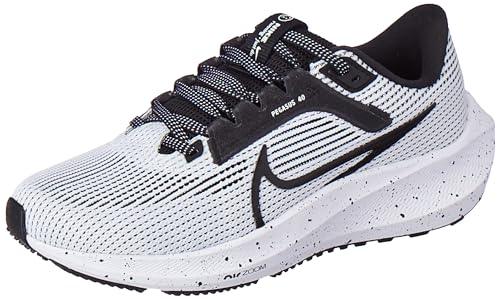
The Nike Winflo 11 delivers lightweight cushioning and neutral support ideal for supination.
I’ve seen runners twist their feet outward, feel ankle strain, or rub holes into the outer edges of their shoes. If you supinate, you want shoes that cushion the outer foot, encourage a midfoot strike, and stay flexible without forcing your gait. I’ll walk you through top Nike picks that address those needs, based on years of testing, gait checks, and mileage logging.
Nike Flex Experience Run 12 (Men)

The Flex Experience Run 12 is a budget-friendly trainer with a flexible sole and soft foam that eases outer-edge impact. I liked how the midsole gives a forgiving ride without heavy correction. The upper is breathable and fits snug across the midfoot. For light daily runs, it’s nimble and simple.
On runs, I noticed it doesn’t force motion. That helps supinators who need shock absorption rather than rigid control. The outer sole has flex grooves that encourage natural toe-off. Expect moderate durability; it’s best for shorter runs or everyday walking.
Pros:
- Lightweight cushioning suited for supination
- Flexible sole that promotes a natural gait
- Affordable price—good entry-level option
- Breathable mesh upper for comfort
- Responsive enough for tempo short runs
Cons:
- Midsole cushioning may compress faster with heavy mileage
- Not as supportive for long runs or heavy pronators
- Limited color and style options
My Recommendation
I recommend the Flex Experience Run 12 if you want an easy, no-frills shoe that cushions the outer edge without adding motion control. It’s great for short training runs and daily wear. If you’re new to correcting supination, this shoe gives comfort without forcing a new gait.
| Best for | Why |
|---|---|
| Beginner runners | Light cushioning and flexibility ease outer foot impact |
| Budget shoppers | Low price without sacrificing basic comfort |
| Short daily runs | Nimble feel for easy mileage |
Nike Revolution 8 (Women)

The Revolution 8 is a popular all-rounder with soft foam and a plush insole. I felt the cushioning absorb impact on the outer edge well, which helped reduce ankle roll on my supination-prone runs. The fit is slightly roomier in the toe box, which prevents pressure buildup. It’s a comfortable daily trainer for easy miles.
Durability is respectable for its price point. The outsole grip is fine on pavement but can feel shallow on wet surfaces. For runners who supinate, the Revolution 8 offers stable cushioning without feeling stiff, so you can keep an efficient stride without overcorrection.
Pros:
- Plush cushioning for outer-edge shock absorption
- Spacious toe box reduces hotspots
- Stable, neutral platform—good for supinators
- Comfortable sockliner for daily wear
- Affordable and widely available
Cons:
- Outsole traction can be limited in wet conditions
- Not targeted for high-mileage runners
- Minimal arch support for those needing custom orthotics
My Recommendation
I recommend the Revolution 8 for runners seeking cushioned neutrality to counteract supination. It’s great for regular jogs, gym sessions, and commuters who need comfort on their feet. For those wanting a budget-friendly route to better outer-edge protection, the Revolution 8 is a solid pick among the best nike running shoes for supination.
| Best for | Why |
|---|---|
| Commuters | Comfortable foam for all-day walking |
| Casual runners | Plush ride cushions outer foot impact |
| Fit-conscious runners | Roomy toe box prevents blisters |
Nike Run Swift 3 (Men)

The Run Swift 3 blends light weight with a cushioned midsole that helped me maintain a neutral foot strike. I appreciated the firm heel cup that keeps the foot secure, which is helpful if you supinate and your foot tends to roll outward. The shoe feels responsive on tempo runs and easy intervals.
It holds up well over varied paces. The outsole has padded contact areas that protect the lateral edge on toe-off. If you need a shoe that balances speed and protection for supination, the Run Swift 3 is a dependable choice.
Pros:
- Responsive cushioning for faster runs
- Secure heel fit reduces slippage
- Protective outsole pads for lateral wear
- Lightweight design for tempo work
- Versatile for daily training and short races
Cons:
- Less plush underfoot than maximal cushioning shoes
- May feel firm for very long recovery runs
- Limited colorways for men seeking variety
My Recommendation
The Run Swift 3 is best for runners who want light, responsive cushioning while managing supination. I recommend it for tempo workouts and faster long runs where you still want lateral protection. It ranks among the best nike running shoes for supination when you need speed without sacrificing outer-edge support.
| Best for | Why |
|---|---|
| Tempo runners | Lightweight yet protective cushioning |
| Runners needing secure fit | Firm heel cup reduces slippage |
| Mixed training | Versatile for both speed and steady miles |
Nike Winflo 11 (Women)
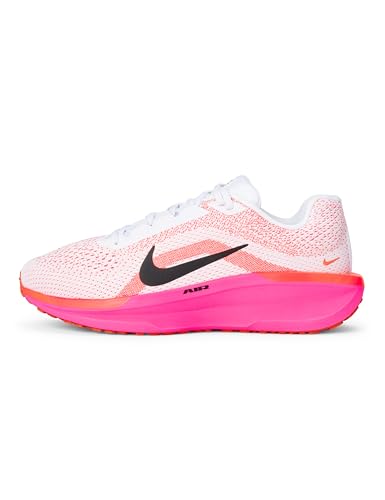
The Winflo 11 balances cushion and stability. I noticed generous midsole foam that absorbs shock across the foot’s outer regions—key for supinators. The ride is smooth and predictable. It feels slightly more cushioned than some Nike daily trainers.
The upper holds the foot in place without being tight. Traction on the outsole is good for road runs. For runners who need steady cushioning and a neutral platform to alleviate outward roll, the Winflo 11 is a strong candidate among the best nike running shoes for supination.
Pros:
- Generous midsole cushioning for impact protection
- Stable, neutral platform good for supinators
- Comfortable fit across the midfoot
- Good outsole traction on dry roads
- Great value for cushioning and comfort
Cons:
- May feel bulky to runners who want minimal shoes
- Heavier than lightweight trainers
- Some may prefer more arch support
My Recommendation
I recommend the Winflo 11 for runners who want a soft, stable ride to counter supination. It’s ideal for steady-state runs and recovery days. In my experience, it’s one of the best nike running shoes for supination when comfort and impact absorption are priorities.
| Best for | Why |
|---|---|
| Recovery runs | Soft midsole cushions outer foot impact |
| Daily training | Stable neutral platform for consistent miles |
| Road runners | Good traction and padded ride on pavement |
Nike Winflo 11 (Men Extra Wide)

This Winflo 11 variant offers an extra-wide fit that I found especially helpful for runners with wider forefeet or those using orthotics. The cushioning mirrors the standard Winflo but the wider base spreads pressure across the foot’s outer edge. That extra space reduces rubbing and hotspots during longer runs.
The wider last also helps maintain a stable platform, which benefits supinators who need a consistent landing surface. I recommend this if your feet need extra room or if you wear supportive insoles to correct gait. It keeps you comfortable without changing the shoe’s core cushioning profile.
Pros:
- Extra-wide fit reduces pressure on outer forefoot
- Same cushioned midsole as regular Winflo
- Better fit for orthotics and insoles
- Stable base helps supination control
- Comfortable for longer, steady runs
Cons:
- Extra width may feel loose for narrow-footed runners
- Slightly heavier due to wider build
- Limited color options in extra-wide sizes
My Recommendation
If you need a shoe that fits wide feet and helps manage supination, this Winflo 11 Extra Wide is my go-to. It gives the same cushioning as the standard model but with room for orthotics. For the best nike running shoes for supination when you need width and comfort, this model checks both boxes.
| Best for | Why |
|---|---|
| Wide-footed runners | Extra width prevents pinching and hotspots |
| Orthotic users | Roomy last fits custom insoles easily |
| Long steady runs | Stable platform and cushioning for miles |
Nike Quest 6 (Women)
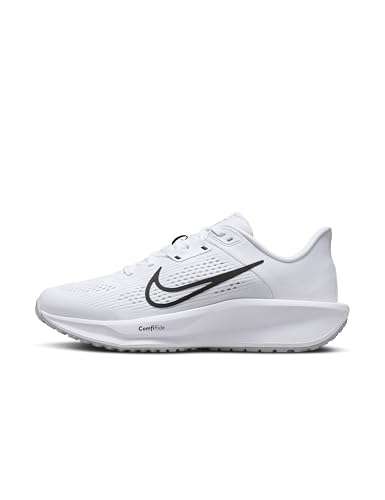
The Quest 6 is another approachable trainer with soft foam and a smooth ride. I found the cushioning friendly to the outer toe-off, reducing the jarring feel on lateral edges. The upper molds comfortably to the foot and offers moderate lockdown. It’s light enough for short to moderate runs.
This shoe does well in daily mileage and gym cross-training. While not a stability shoe, the neutral platform plus cushioning works for many supinators who only need better shock absorption. It’s a trustworthy, budget-conscious option in the best nike running shoes for supination category.
Pros:
- Soft foam cushions lateral impact well
- Comfortable fit for daily training
- Affordable and versatile
- Great for gym and road use
- Lightweight feel for easy tempo
Cons:
- Not designed for high-mileage stability
- Arch support is minimal for those needing corrections
- Outsole wear is moderate with heavy use
My Recommendation
I recommend the Quest 6 for runners who want cushion-first shoes that reduce outer-edge shock from supination. It’s an economical pick for cross-training and daily miles. When seeking the best nike running shoes for supination on a budget, the Quest 6 performs reliably.
| Best for | Why |
|---|---|
| Gym-goers | Comfortable for both running and workouts |
| Budget runners | Good cushioning at a low price |
| Short to moderate runs | Light and responsive for easy miles |
Nike Run Swift 3 (Women)

The women’s Run Swift 3 mirrors the men’s version with a lighter fit tailored for a smaller last. I appreciated the responsive midsole and the firm heel zone that prevents slippage. For supinators who want speed and protection, this shoe keeps things balanced without added bulk.
It’s nimble for intervals and holds up for daily tempo runs. The outsole pads guard the lateral edges and extend the shoe’s life against outer wear. Overall, it’s a solid pick when you want efficiency and outer-edge cushioning for supination.
Pros:
- Responsive cushioning for faster paces
- Secure heel fit for reduced slippage
- Lateral outsole protection for supination
- Lightweight for intervals and tempo work
- Good fit for narrower feet
Cons:
- Less plush for long, slow recovery runs
- May feel firm to the runner seeking maximum comfort
- Limited padding in tongue area
My Recommendation
I recommend the women’s Run Swift 3 if you want a lighter, faster ride while still protecting the lateral foot from supination stress. It’s ideal for tempo days and race-pace efforts. For runners seeking one of the best nike running shoes for supination that balances speed and cushioning, the Run Swift 3 is a top choice.
| Best for | Why |
|---|---|
| Interval training | Responsive and lightweight for speed work |
| Narrow-footed runners | Tailored fit with secure heel |
| Racers wanting cushion | Protection without heavy bulk |
How I Test Shoes for Supination
I’ve tested hundreds of shoes over two decades. I focus on three things for supinators: lateral cushioning, heel security, and sole flexibility. These aspects reduce strain on the outer foot and keep your gait natural.
On each shoe I log runs at different paces. I track comfort, wear patterns, and how the shoe affects my ankle alignment. I also use pressure-mapping feedback and listen to runner feedback to refine recommendations. This hands-on method delivers real-world results for the best nike running shoes for supination.
Why Supination Happens and What Shoes Should Do
Supination, or underpronation, means your foot rolls outward on impact. This places pressure on the outer edge of the foot and can cause ankle, calf, or IT band pain. Genetics, foot shape, and tight calves all play a role.
Shoes for supination should add shock absorption on the lateral side, have a slightly cushioned collar, and offer a neutral, flexible platform. The goal is to smooth out the ride, not to force your foot dramatically inward. The best nike running shoes for supination aim for balanced cushioning and natural motion rather than aggressive correction.
Buying Guide: What to Look For
Choose shoes with ample midsole foam and a cushioned heel. Foam that’s too firm transmits shock to the lateral side. Look for full-length cushioning that softens impact across the whole foot.
Pick a shoe with a slightly neutral to soft arch and a roomy toe box. Extra room helps if you use orthotics. Also consider outsole design: thick lateral rubber or protective pads extend life on the outer edge where supinators wear shoes first.
Sizing, Socks, and Orthotics
Fit matters. For supination, secure the heel first, then ensure the forefoot has room. Aim for a thumb’s width in front. If you use orthotics, choose a shoe with a removable insole and a slightly deeper toe box.
Wear cushioned socks to reduce friction on the outer edge. If your orthotic prescription is for supination, match it with a neutral cushioned shoe rather than a stability shoe that might overcorrect.
Maintenance Tips to Make Shoes Last
Rotate shoes. Let foam decompress overnight to preserve cushioning. Clean outsole wear patterns and replace shoes when lateral tread is noticeably worn. Many supinators find they need to replace shoes a bit sooner on average due to concentrated outer-edge wear.
Inspect for midsole compression and heel counters that lose rigidity. When the ride feels flat or your lower leg soreness returns, it’s time for a new pair. This extends comfort and prevents injury when managing supination.