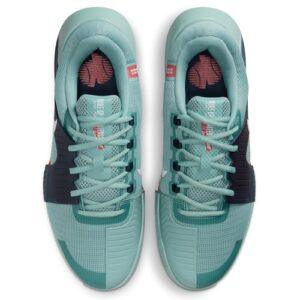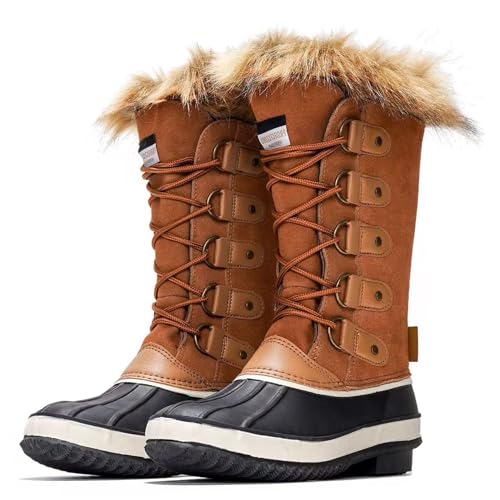
The best ski boots for wide calves offer a tall, adjustable cuff, roomy fit, and steady support without painful pressure.
If ski boots leave red marks on your legs, numb your feet, or make every buckle feel like a battle, you are not alone. Many boots fit the foot well but pinch the calf. I looked for models with comfort-focused shapes, forgiving flex, and useful adjustment. The picks below suit beginners, casual resort skiers, and riders who need more room above the ankle. Remember, a wide calf does not always mean a wide foot. A proper shell fit still matters, so use this guide as a smart starting point before you order.
Rossignol Kelia 50 Ski Boots

The Rossignol Kelia 50 is a gentle entry point for women who want a downhill boot that feels less harsh than a race-style shell. Its softer flex helps new skiers bend their knees without fighting the boot. That matters when a tight upper cuff already makes your calves feel crowded. The black and white design also looks clean and easy to match with most ski clothing.
I see this model as a comfort-first choice for groomed runs and relaxed resort days. The moderate flex can feel more forgiving when you are still learning turns, stops, and edge control. It may also suit skiers with fuller calves better than narrow, highly aggressive boots, though the cuff must still be checked against your leg shape. Wear one thin ski sock and adjust the buckles in small steps for the best result.
Pros:
- Soft flex feels friendly for new and casual skiers
- Less demanding than a stiff performance boot
- Comfort-focused shape works well for relaxed resort use
- Simple buckle adjustment makes daily use easier
- Women-specific design offers a lower, more approachable feel
- Black and white color looks versatile
Cons:
- May feel too soft for advanced, aggressive skiing
- The calf opening may still need an in-person fit check
- Limited performance feedback at high speed
My Recommendation
I recommend the Kelia 50 for beginner and intermediate women who value comfort over hard-charging power. It is especially appealing if your calves feel squeezed by stiff boots and you ski a few days each season. The softer flex gives your legs room to learn, while the downhill design keeps the boot more supportive than a casual winter shoe. For shoppers seeking the best ski boots for wide calves on a budget, this is a sensible first model to compare.
| Best for | Why |
|---|---|
| New women skiers | Soft flex and a less intimidating feel help build confidence. |
| Casual resort days | Comfort matters more than race-level response. |
| Calf-sensitive users | A forgiving design may reduce the harsh feel of narrow boots. |
Its value is strongest when comfort and easy control matter most. Check the size chart, cuff shape, and return policy before buying because calf fit differs from person to person.
Rossignol Kelia 50 Ski Boots
This second Kelia 50 listing represents the same comfort-minded boot family, so I judge it by the same useful traits: gentle flex, simple controls, and a friendly fit for developing skiers. A boot does not need to feel like a vise to guide the ski. For many women, a moderate shell gives enough support while avoiding the sharp pressure that can build around the calf. That balance makes this model worth a close look.
Before ordering, I would compare the listed size with your actual mondo point measurement. Do not add extra room just because your calf is wide. A loose foot can slide and cause more pain than a snug cuff. Instead, seek a secure heel, even pressure across the instep, and enough room to flex forward without the upper edge digging into your leg.
Pros:
- Approachable flex suits first-season skiers
- Comfortable feel for low-pressure ski days
- Easy buckles are useful with cold or gloved hands
- Women’s shape may feel more natural than a unisex shell
- Good choice for controlled groomed slopes
- Simple design is easy to understand
Cons:
- Not intended for maximum stiffness or expert power
- Calf volume is not adjustable in the same way as a rental boot
- Size selection requires careful measuring
My Recommendation
This Kelia 50 listing is best for a woman who wants a mild, forgiving ski boot and does not need race-style response. I would consider it for resort learners, occasional travelers, and anyone who finds aggressive boots tiring. It is not a magic answer for every wide calf, but its softer approach can make the first step onto the snow less stressful. Among the best ski boots for wide calves, it earns attention for simple comfort and easy handling.
| Best for | Why |
|---|---|
| Occasional skiers | The forgiving design feels manageable during short ski trips. |
| Learning turns | A moderate flex helps skiers practice forward movement. |
| Comfort seekers | It avoids the severe feel of many high-performance boots. |
Pricing and size availability can change, so check the current Amazon listing before purchase. If the calf still feels tight, a boot fitter can adjust the cuff or suggest a better shell.
K2 BFC 80 Men’s Ski Boots
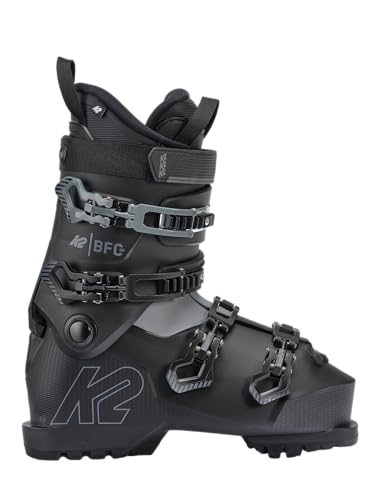
The K2 BFC 80 is built around the idea that ski boots should not feel like punishment. “BFC” points toward a broader, comfort-led fit, while the 80 flex rating gives more support than a very soft beginner boot. That combination makes it a strong option for men with fuller feet, wider lower legs, or both. The roomy feel can be especially welcome after several hours on the mountain.
I like this boot for skiers who have outgrown rental equipment but still want a relaxed ride. The 80 flex can support basic carving and steady speed without demanding perfect technique. A wider fit may help reduce side pressure, yet you should not assume every wide foot needs a larger size. Keep the heel held in place and use the liner to create even contact, much like wrapping a firm but comfortable glove around the foot.
Pros:
- Comfort-oriented fit helps reduce cramped feet
- 80 flex gives useful support for progressing skiers
- Roomier shape suits many wider feet
- Good match for long resort sessions
- More forgiving than many narrow performance boots
- Useful bridge between rental boots and advanced gear
Cons:
- May feel less precise for aggressive carving
- A roomy shell can feel loose on narrow feet
- One listed size limits direct size comparison
My Recommendation
I recommend the K2 BFC 80 to men who want comfort but still need a boot that can grow with their skills. It is a particularly good match for recreational skiers who spend full days on groomed trails and want less pressure around the foot and calf. The flex offers a useful middle ground. If you want the best ski boots for wide calves with a more supportive feel than a beginner model, the BFC 80 is one of the strongest choices here.
| Best for | Why |
|---|---|
| Recreational men skiers | The comfort fit supports long, relaxed mountain days. |
| Skill progression | An 80 flex offers more control as technique improves. |
| Wider feet and calves | The broader comfort shape can reduce unwanted pressure. |
This boot offers good practical value when you want comfort without giving up all support. Confirm the mondo size and test the cuff with your normal ski sock before committing.
Rossignol Kelia 50 Ski Boots
The Kelia 50 remains one of the easier boots to recommend when comfort sits at the top of the list. Its moderate flex should feel less abrupt when you lean into a turn. That gentle response can help skiers with sensitive calves avoid the locked-in sensation common with very stiff shells. It also gives beginners a little more forgiveness when their stance is not yet perfect.
I would pair this boot with a thin, technical ski sock rather than a thick everyday sock. Extra fabric often creates false pressure and can make a decent fit feel too small. Buckle the lower shell first, then set the upper cuff with only enough tension to hold the leg securely. If your calf changes size during the day, small adjustments can make a large difference.
Pros:
- Friendly flex reduces the learning curve
- Comfortable choice for low to moderate speeds
- Suitable for many beginner women skiers
- Easy to pair with standard resort skis
- Less tiring than highly rigid boots
- Clean appearance works for many ski outfits
Cons:
- Advanced skiers may want a stronger flex
- It may not provide enough edge power on hard snow
- Exact calf comfort depends on leg shape and sock thickness
My Recommendation
This Kelia 50 is best for women who want a calm, comfortable first boot rather than a powerful race tool. I especially like it for beginner lessons, family ski trips, and easy groomed terrain. It can help make skiing feel less like a fight with your equipment. For anyone searching the best ski boots for wide calves, it is a practical model to consider when a soft and simple ride sounds right.
| Best for | Why |
|---|---|
| Beginner lessons | The soft feel encourages a relaxed stance. |
| Family ski trips | It suits modest speeds and mixed comfort needs. |
| Sensitive calves | Less rigid support may reduce harsh upper-leg pressure. |
The overall value is good for the right skier. Availability can vary by size, so use the current listing and measure both feet before ordering.
Rossignol EVO 70 HV+ Ski Boots

The Rossignol EVO 70 HV+ stands out because its high-volume design targets skiers who need extra room. “HV” usually refers to a higher-volume shell, which can help around the forefoot, instep, and lower leg. Its 70 flex offers a comfortable middle path between a very soft learner boot and a stiff expert boot. For many recreational skiers, that mix creates a secure but forgiving ride.
I see the EVO 70 HV+ as a versatile choice for both men and women who dislike narrow shells. The higher volume does not replace proper fitting, but it can reduce the feeling of being squeezed from all sides. It should work well for cruising, light carving, and normal resort terrain. Keep in mind that a higher-volume boot can feel too roomy if your foot is narrow, so heel hold remains the key test.
Pros:
- High-volume shape offers extra interior space
- 70 flex works well for beginner and intermediate ability
- Unisex design gives more sizing flexibility
- Comfortable option for wider feet and fuller calves
- Useful for all-mountain resort skiing
- More supportive than many very soft beginner boots
Cons:
- May feel loose on narrow feet
- Not the best choice for expert-level power
- High volume does not guarantee a wide upper cuff
My Recommendation
I recommend the EVO 70 HV+ for shoppers who need more room through the boot but still want basic control. It suits casual and intermediate skiers who move between easy groomers and moderate all-mountain runs. The high-volume shape makes it one of the more logical options among the best ski boots for wide calves, especially when foot width and calf comfort are both concerns. Choose it only after checking heel retention and cuff pressure.
| Best for | Why |
|---|---|
| Higher-volume feet | The HV shape provides more interior space than a narrow shell. |
| Intermediate resort skiing | The 70 flex balances comfort and control. |
| Mixed-gender households | The unisex model gives flexible use and sizing options. |
This is one of the better value picks for comfort-focused resort skiing. Compare the available sizes carefully, since the same shell style can feel very different with the wrong mondo length.
Nordica Cruise S W Women’s Ski Boots
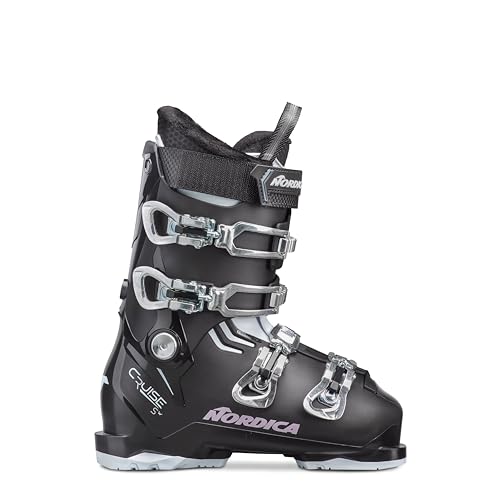
The Nordica Cruise S W focuses on comfort for women who want to enjoy the mountain without wrestling their boots. Its comfort-fit design gives the foot a more relaxed home, which can help during long days. The boot is aimed at all-mountain alpine use, so it offers more purpose than a basic beginner shell. The black, white, and mauve colors also add a softer look than many plain black boots.
For wide calves, the important question is not only how broad the lower shell feels. The upper cuff must also close without creating a hard ridge behind the leg. I would test this boot while standing in a ski stance, not just sitting in a chair. The right fit should feel snug but even, with no sharp spot when you bend the knees.
Pros:
- Women-specific comfort fit feels relaxed for full-day use
- All-mountain design supports more than beginner slopes
- Useful choice for skiers who dislike harsh shells
- Comfortable styling may appeal to women shoppers
- Good balance between ease and everyday control
- Suitable for resort skiing at varied levels
Cons:
- Comfort fit may feel too loose for narrow feet
- It may not satisfy aggressive expert skiers
- The upper cuff still requires a personal fit check
My Recommendation
The Nordica Cruise S W is best for women who spend several hours skiing and want comfort to stay steady from the first run to the last. I would choose it for progressing beginners and intermediate resort skiers who need a forgiving all-mountain boot. It is a strong contender for the best ski boots for wide calves because its comfort focus addresses more than just foot width. It may be worth the extra attention if ordinary narrow boots leave you sore.
| Best for | Why |
|---|---|
| Full-day resort skiing | The comfort-led fit helps reduce fatigue over many runs. |
| Women with fuller legs | The softer, comfort-minded design may feel less restrictive. |
| All-mountain beginners | It offers more range than a basic learner boot. |
Its value comes from comfort that lasts beyond the first hour. Check current sizing and return terms, and consider professional shell work if you feel pressure at one exact point.
Head Edge 65 W HV Ski Boots

The Head Edge 65 W HV is another high-volume women’s boot made for skiers who want room without losing all structure. The 65 flex sits on the forgiving side, which helps new skiers move naturally. The HV label makes it a sensible option for wider feet, higher insteps, or legs that dislike narrow cuffs. Its white finish gives the boot a bright, modern appearance.
I would place this model near the comfort end of the performance scale. It should feel approachable on green and blue runs, where smooth movement matters more than hard edge power. A softer boot can also help reduce calf strain when a skier is learning to stay centered. Still, do not oversize it to solve calf pressure, because extra foot movement can cause blisters and poor control.
Pros:
- High-volume construction provides useful extra space
- Women-specific shape supports a more natural fit
- 65 flex feels easy for beginners
- Good match for relaxed groomer skiing
- Can suit higher insteps and broader feet
- Light, bright look stands out from plain black boots
Cons:
- Advanced skiers may find the flex too soft
- Wide-volume shells can lack precision on narrow feet
- White surfaces may show snow marks and wear
My Recommendation
I recommend the Head Edge 65 W HV for women who need a soft, roomy boot for learning and casual resort use. It is especially useful when a narrow shell causes pressure across the foot and lower leg. The high-volume fit gives it a clear place in a search for the best ski boots for wide calves, though no product can replace a proper fit. Select your true mondo size and test heel hold before judging the room.
| Best for | Why |
|---|---|
| Beginner women | The 65 flex is easy to bend and control. |
| Higher insteps | The HV shell offers more space over the foot. |
| Easy groomer runs | The boot favors smooth comfort over hard charging. |
This model offers strong value for a new skier who needs room and a calm flex. Check the product page for your exact size, since fit can change with liner shape and foot volume.
Rossignol EVO 70 HV+ Ski Boots
This EVO 70 HV+ listing offers the same high-volume concept that makes the model interesting for comfort-minded skiers. Its design aims to provide a bit more breathing room than a low-volume boot. That can help when the forefoot, instep, and calf all feel crowded at once. The 70 flex also gives a more balanced feel than an ultra-soft boot.
In use, I would expect this boot to suit normal resort turns, moderate speed, and steady skill growth. It should not be mistaken for a race boot, but most recreational skiers do not need that level of stiffness. The best result comes from a snug heel and a cuff that closes with moderate pressure. If the upper edge digs in, a shop can sometimes reshape or adjust the shell instead of forcing you into a larger size.
Pros:
- HV design helps skiers who need more room
- Moderate 70 flex supports basic progression
- Comfortable for casual all-mountain use
- Good middle ground between soft and stiff boots
- Unisex design expands its appeal
- Easy choice for skiers leaving rental gear behind
Cons:
- May not offer enough response for expert skiing
- Can feel bulky on a small or narrow foot
- Calf fit still depends on the individual cuff shape
My Recommendation
This EVO 70 HV+ is best for a recreational skier who wants comfort with a little more support. It suits adults who ski several times a year and want one boot for common resort conditions. I would place it high on a list of the best ski boots for wide calves when the shopper also needs a higher-volume foot shape. Its broad design is useful, but correct length and heel hold remain essential.
| Best for | Why |
|---|---|
| Rental-boot upgrades | It gives a more personal, supportive fit. |
| Recreational adults | The flex suits normal resort speeds and terrain. |
| Wider feet and calves | The HV shape creates more useful interior space. |
It is a sensible value buy when you want one versatile comfort boot. Inventory may shift through the 2026 season, so verify the available size and return policy first.
ROCES Idea Up Adjustable Ski Boots

The ROCES Idea Up is different from the fixed-size alpine boots in this guide because it offers an adjustable range. The listed range of 22.5 to 25.5 can help a growing skier or a household that shares gear. Adjustability may also make it easier to find a less cramped feeling around the lower leg. The black and silver finish gives it a simple, practical look.
I would consider this model for new skiers who need flexibility more than high performance. Adjustable boots can be convenient, but they still must hold the heel and foot securely. A boot that is too large inside will not become precise just because the shell adjusts. Use the smallest comfortable setting that keeps the foot stable, and check that the calf cuff does not create a hard pressure point.
Pros:
- Adjustable size range can suit growing feet
- Useful for families sharing equipment
- Can reduce the need for frequent replacement
- Friendly option for beginners and light use
- Simple black and silver appearance
- Potentially easier to fine-tune than a fixed shell
Cons:
- Adjustable designs may feel less precise than fixed boots
- Limited size range will not fit every adult
- Not intended for aggressive all-mountain skiing
- Calf adjustment may not match every leg shape
My Recommendation
The ROCES Idea Up is best for young skiers, beginners, and families that value flexibility and cost control. I would not choose it for an advanced adult who wants strong edge transfer. However, it can be a practical answer when foot growth or shared use matters. For shoppers comparing the best ski boots for wide calves, this model is worth considering when adjustability is more important than high-level performance.
| Best for | Why |
|---|---|
| Growing skiers | The adjustable range may extend useful life. |
| Shared family gear | One boot can fit more than one foot size. |
| First-time users | The design keeps basic skiing simple and approachable. |
This boot offers value when you need an adjustable option, but fit checks matter even more. Confirm the range, foot security, and calf comfort before use on the mountain.
Rossignol EVO 70 HV+ Ski Boots
The EVO 70 HV+ is a useful pick for skiers who want a broad, comfortable platform without moving into a very soft boot. Its higher-volume shape can create space where narrow models often pinch. The 70 flex is approachable, yet it still gives enough structure for controlled turns on normal resort trails. That makes it a practical all-around option for many recreational skiers.
I would pay close attention to the liner after a few ski days. Ski liners pack down as they warm and mold to the foot, so a boot that feels slightly snug may improve with use. A boot that already feels loose may become less secure later. For wide calves, the best fit feels smooth from ankle to cuff, with no single spot acting like a pebble in your shoe.
Pros:
- Roomy HV shape helps reduce cramped pressure
- 70 flex remains approachable for developing skiers
- Versatile for everyday resort conditions
- Suitable for people moving beyond rentals
- Comfortable balance of room and support
- Works for a broad range of recreational users
Cons:
- Not ideal for racing or expert-level hard charging
- May need extra foot support for narrow heels
- Exact cuff comfort cannot be judged from volume alone
My Recommendation
I recommend this EVO 70 HV+ to skiers who want a dependable comfort boot for regular resort days. It is one of the safest choices here for a person with both a broad foot and a fuller calf. The moderate flex makes it easier to control than many stiff boots, while the high-volume shell gives your leg and foot more breathing room. It deserves a place in any search for the best ski boots for wide calves.
| Best for | Why |
|---|---|
| Regular resort users | It balances comfort and support for repeated ski days. |
| Wide-footed skiers | The HV shell allows more interior volume. |
| Developing technique | The moderate flex supports progress without feeling harsh. |
Value is strongest when the shell matches your foot shape. Use accurate measurements and seek a boot fitter if your heel lifts or the cuff presses unevenly.
How to Choose Ski Boots for Wide Calves
Finding the best ski boots for wide calves starts with the cuff, but it does not end there. Your heel, instep, forefoot, and lower leg all work as one system. A boot can have a wide lower shell yet still use a narrow cuff. Another boot may have a roomy cuff but leave too much space around the heel. I always judge the whole fit, not one label.
Look for a High-Volume or Adjustable Cuff
Search product details for terms such as high volume, comfort fit, adjustable cuff, or calf adjustment. These terms can point toward more room, but they do not follow one universal standard. Measure the widest part of your calf while standing in a ski stance. Then compare that number with the maker’s fit information or ask a qualified boot fitter.
Do Not Buy a Longer Boot to Gain Calf Room
This is one of the most common mistakes I see. A longer boot may give your calf more space, but your foot can slide inside it. That movement reduces control and creates friction. Choose length from your foot measurement first, then solve calf pressure through the cuff, liner, buckle position, or professional shell work.
Check Heel Hold
Your heel should stay mostly in place when you flex forward. A small amount of movement may happen, especially with a new liner, but obvious lift is a warning sign. If you tighten the buckles hard just to stop movement, the shell may not suit your foot. Good ski boots feel snug like a firm handshake, not like a trap.
Use the Right Sock
Wear one thin ski sock made from wool or a technical blend. Thick socks do not solve a poor fit. They often create folds that cause pressure and cold spots. Avoid cotton because it holds moisture and can make your feet colder during a long day.
Test the Boot in a Ski Stance
Stand with your knees slightly bent and your shins touching the tongue. This position shows how the cuff treats your calves on the snow. Walk around for at least 10 to 15 minutes if possible. Pressure that seems minor at first can become painful after hours of turns.
Understand Flex Ratings
Flex numbers help compare boots within a brand, but they are not a perfect industry-wide scale. A 70 from one maker may not feel exactly like a 70 from another. Soft boots suit beginners and comfort seekers. Medium flex boots suit progressing skiers who need more response without a rigid race feel.
Consider Professional Boot Fitting
A boot fitter can heat mold liners, adjust buckles, modify cuffs, and make targeted shell punches. These changes can transform a painful boot into a useful one. They cannot always fix a shell that is fundamentally too narrow or too short. Start with the right shape, then use fitting work for small corrections.
Common Fit Problems and Simple Fixes
Calf pain often comes from the cuff sitting too high, a buckle being too tight, or a skier standing too far back. Try loosening the upper buckle by one notch while keeping the leg supported. Then flex forward and check whether your heel remains secure. If the pain stays sharp, stop forcing the boot and seek expert help.
Cold toes do not always mean the boot is too loose. A tight instep can restrict blood flow, while excessive buckle pressure can create the same issue. Keep the lower buckle firm but not crushing. Let the liner warm gradually, and avoid stuffing thick socks into a small shell.
Shin pain may come from a stiff tongue edge or a rearward stance. Make sure your knees can move forward over your toes. Smooth pressure across the shin is normal. One sharp ridge is not. A boot fitter can often soften that contact point.
Why Wide Calf Fit Matters
When the cuff pinches your calf, you may stand back to escape the pressure. That posture makes turning harder and can tire your thighs. You may also loosen the boot too much, which reduces control. The best ski boots for wide calves let you stay centered, relaxed, and warm.
Comfort is not just a luxury. It affects technique, safety, and time on the snow. A skier who can focus on the trail will learn faster than one who spends every run thinking about pain. That is why I favor a secure comfort fit over an impressive but overly stiff specification.
FAQs Of Best Ski Boots for Wide Calves
What makes ski boots good for wide calves?
A tall or adjustable cuff, softer flex, and comfort-focused shell can help. Look for high-volume models and check the cuff measurement. The boot must still hold your heel securely.
Are high-volume ski boots always best for wide calves?
No. High-volume boots mainly add space around the foot and instep. Some have generous cuffs, while others do not. Check both the lower shell and upper cuff before buying.
Should I size up if my calves feel tight?
Usually, no. Sizing up can create heel lift and poor control. Choose the correct foot length first, then use cuff adjustment or professional fitting to address calf pressure.
Can ski boot liners stretch around the calf?
Liners may pack down and become slightly more comfortable, but they cannot fix a badly narrow shell. A boot fitter may heat mold the liner or adjust the shell for a better match.
Are softer ski boots better for beginners with wide calves?
Often, yes. A softer flex can feel less harsh and easier to bend. Still, the cuff shape matters more than flex alone, so test the full boot in a bent-knee stance.
Final Verdict: Which Should You Buy?
For most recreational skiers, the Rossignol EVO 70 HV+ is my top pick among the best ski boots for wide calves. Its high-volume shape and moderate flex offer a strong comfort-control balance. Women beginners may prefer the Rossignol Kelia 50 or Head Edge 65 W HV.
Measure carefully, wear thin ski socks, and never ignore sharp calf pressure. The right wide-calf ski boots should feel secure, warm, and calm from the first lift to the final run.

Madison Clark is a footwear expert and the voice behind MyStyleGrid.com. She specializes in honest shoe reviews, style tips, and practical guides to help readers find the perfect pair for any occasion. With years of experience in blogging and content creation, Madison makes footwear knowledge simple, stylish, and easy to follow.