The best snake boots for turkey hunting combine bite-resistant coverage, waterproof comfort, quiet steps, and steady traction.
A spring turkey hunt can turn stressful fast when you cross wet grass, thick brush, or warm ground where snakes hide. I have found that the right boot does more than protect your lower legs. It keeps feet dry, adds grip on steep ground, and helps you stay still when a gobbler finally answers. The best snake boots for turkey hunting should fit well, flex as you walk, and remain comfortable for long sits. The models below cover waterproof rubber boots, lighter hunting boots, side-zip designs, and separate snake gaiters for different terrain and budgets.
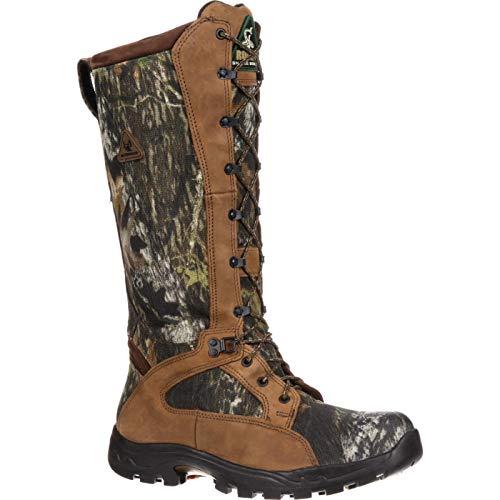
ROCKY ProLight Snake Boot

The ROCKY ProLight is a strong choice for hunters who want snake protection without wearing an overly heavy boot. Its tall design covers the ankle and lower leg, which matters when you walk through grass, palmetto, briars, and fallen leaves. The Mossy Oak Break-Up pattern also blends well in many spring turkey woods. I like this type of boot for hunters who cover a lot of ground before settling into a calling spot.
The waterproof build helps when morning dew covers the grass or a shallow creek blocks the route. The boot feels more useful in mild and warm weather than in deep winter cold. A proper fit remains important because tall boots can rub if the shaft or heel moves too much. As with any snake boot, treat it as a protective barrier, not a guarantee against every snake bite or field hazard.
Pros:
- Light feel for a tall snake boot
- Waterproof protection for wet spring ground
- Snake-resistant lower-leg coverage
- Mossy Oak camouflage suits turkey habitat
- Good option for long walks and run-and-gun hunts
- Unisex sizing offers more fit flexibility
Cons:
- Tall shafts may feel stiff during the first few wears
- Warm-weather comfort may drop in very hot conditions
- Exact sizing should be checked before ordering
My Recommendation
I recommend the ROCKY ProLight to mobile turkey hunters who walk ridges, fields, and creek bottoms in one morning. It offers a useful balance of height, weather protection, and lower weight. If you want one of the best snake boots for turkey hunting for mixed spring terrain, this model deserves a close look. Its value is strongest when you need dependable coverage without the bulk of a heavily insulated boot.
Dryshod Viperstop Snake Boot
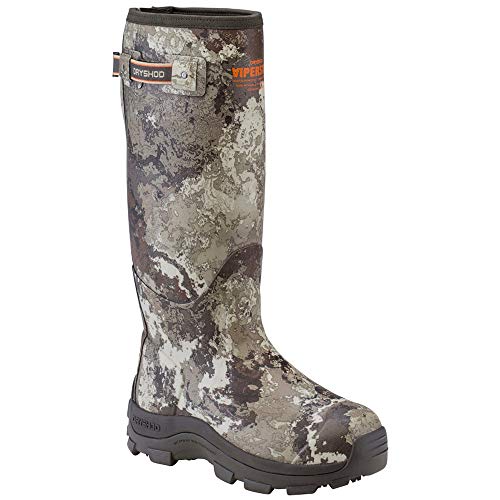
The Dryshod Viperstop is built for hunters who face wet ground and warm weather at the same time. Its rubber-style construction creates a broad barrier against moisture, mud, and brush. The tall profile is helpful when a turkey setup sits near marsh edges, creek banks, or thick grass. I see this as a practical boot for hunters who put waterproofing near the top of their list.
Warm-weather boots need to manage sweat as well as rain. This style can work well during mild spring mornings, but rubber boots may feel warmer than leather or lighter fabric boots as the day rises. The outsole should provide useful grip, yet I still slow down on slick clay and wet logs. For the best result, wear moisture-wicking socks and let the boots dry fully after each hunt.
Pros:
- Designed with warm-weather hunting in mind
- Strong waterproof barrier for wet turkey habitat
- Tall shaft protects the lower leg from brush and snakes
- Easy-care exterior wipes clean after muddy hunts
- Useful choice for marshes, creek bottoms, and damp fields
- Rubber construction helps block wind and surface moisture
Cons:
- May feel hot during late-morning temperature changes
- Rubber boots can feel less flexible than soft hunting boots
- Less suitable for very cold hunts without warm socks
My Recommendation
The Dryshod Viperstop fits turkey hunters who often hunt wet, warm places. It is especially useful for marsh edges, flooded timber, and damp pasture. I would choose it when waterproof protection matters more than a lightweight feel. Among the best snake boots for turkey hunting, it stands out for hunters who want a simple, easy-to-clean boot that handles wet spring conditions.
GearOZ Snake Gaiters and Chaps
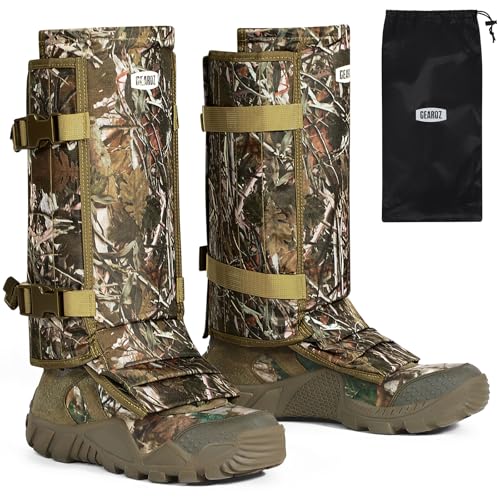
The GearOZ gaiters offer a different approach to snake protection. Instead of replacing your hunting boots, they add a protective layer over the lower legs and footwear area. That flexibility can save money for hunters who already own comfortable waterproof boots. The camo design also works well with common turkey hunting clothing.
Gaiters are useful when you need extra coverage for a short section of a hunt. They can help block thorns, wet grass, mud splashes, and contact with low brush. Fit matters more here than many buyers expect because loose gaiters can shift while walking. I would wear them around the house first, then test them over the exact pants and boots used in the field.
Pros:
- Works with many existing hunting boot styles
- Adds lower-leg coverage without buying tall boots
- Useful against brush, grass, mud, and light rain
- Camo fabric blends with turkey hunting clothing
- Can pack flat for travel or emergency use
- Offers a budget-friendly way to increase field coverage
Cons:
- Does not replace the protection of a full snake boot
- Fit may vary with different pants and boot shapes
- Can feel warm or noisy if adjusted too tightly
My Recommendation
I recommend the GearOZ gaiters for hunters who already own good boots and want added leg protection. They also make sense for occasional turkey hunters who do not want a dedicated snake boot. They are not my first choice for the highest-risk snake habitat, but they can be a practical part of the best snake boots for turkey hunting setup when used with sturdy boots and careful movement. Their low storage space is a major benefit for travel.
ROCKY Lynx Waterproof Snake Boot

The ROCKY Lynx is a traditional tall hunting boot made for rough ground and wet cover. Its waterproof build is useful when turkey season brings dew, rain, and muddy access roads. The tall upper provides more coverage than a standard hiking boot, which gives peace of mind when you move through snake country. The Mossy Oak pattern is a natural match for many Eastern and Southern hunting areas.
This boot makes the most sense for hunters who want a dedicated snake boot rather than a removable gaiter. It may take some break-in time, so I suggest wearing it on short walks before a full morning hunt. Tall boots can also hold heat, especially during long hikes under a warm sun. Still, the combination of height and weather protection makes the Lynx a dependable choice for demanding spring conditions.
Pros:
- Full-height design gives broad lower-leg coverage
- Waterproof construction suits wet turkey woods
- Camouflage helps reduce a bright boot outline
- Built for brushy trails and uneven hunting ground
- Useful for hunters who want a dedicated snake boot
- Strong choice for wet, moderate-weather spring hunts
Cons:
- May feel heavier than low hiking boots
- Needs a careful break-in period for some users
- Can feel warm during long walks in direct sun
My Recommendation
The ROCKY Lynx is best for hunters who value tall coverage and waterproof performance. I would take it into wet woods, heavy grass, and brush where a low boot leaves too much skin exposed. It is one of the best snake boots for turkey hunting for buyers who prefer a classic, purpose-built hunting boot. Check the size chart and wear your normal hunting socks before deciding on the final fit.
Danner Sharptail Side-Zip Snake Boot

The Danner Sharptail brings a side-zip design to the snake boot category. That feature can make a real difference when you put boots on before daylight or remove them after a long hunt. The waterproof construction helps protect feet during wet walks, while the tall shape offers the coverage turkey hunters expect in snake country. Its brown color gives it a more subdued look for hunters who do not need a full camouflage pattern.
Danner boots often appeal to users who care about fit, support, and long-term wear. A side zipper does not remove the need to lace or adjust the boot correctly, but it can make daily use easier. I would still inspect the zipper and closure after walking through thick brush. This model is a good fit for hunters who want snake protection with a more polished boot feel.
Pros:
- Side zipper makes entry and removal easier
- Waterproof design helps in rain and wet grass
- Tall shaft offers useful lower-leg coverage
- Supportive feel suits long walks and rough trails
- Brown finish works for hunting and outdoor chores
- Good choice for repeat use beyond turkey season
Cons:
- Side zipper adds a part that needs regular care
- May cost more than basic rubber snake boots
- Brown color may be less camouflaged than Mossy Oak designs
My Recommendation
I recommend the Danner Sharptail to hunters who want easy entry, support, and a more refined fit. It is a smart choice for people who wear hunting boots often and want one pair for several outdoor tasks. For many buyers, it may be the best snake boots for turkey hunting option when comfort and convenience matter as much as camouflage. Keep the zipper clean, and follow the care instructions to protect its service life.
ROCKY Retraction Side-Zip Snake Boot
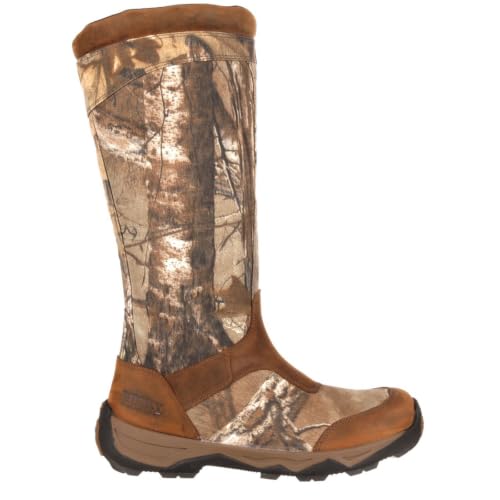
The ROCKY Retraction combines tall snake protection with a side-zip entry. That makes it attractive to hunters who dislike wrestling with stiff, high boots at the truck. The Realtree Xtra pattern blends with many turkey hunting jackets and pants. Its waterproof design is also helpful for early starts when frost and dew cover the trail.
I see this model as a middle-ground boot for hunters who want more convenience than a pull-on design may offer. Side zips can save time, but the boot still needs a snug fit around the foot and calf. The outsole should be checked for packed mud after steep climbs because blocked tread reduces grip. With proper care, this type of boot can serve well across turkey, deer, and small-game seasons.
Pros:
- Side zip simplifies putting the boots on
- Waterproof upper helps keep feet dry
- Realtree Xtra pattern suits many hunting settings
- Tall profile provides broad snake-country coverage
- Useful for hunters with limited ankle flexibility
- Versatile design for more than one hunting season
Cons:
- Zip area needs care around mud and heavy brush
- May feel warm during hot afternoon hunts
- Full-height boots can take space in a gear bag
My Recommendation
The ROCKY Retraction is best for turkey hunters who want a quick side-zip fit and full-height coverage. I would choose it for wet spring mornings, especially when I expect to walk several miles. It ranks among the best snake boots for turkey hunting for people who want camouflage, waterproofing, and easy entry in one package. It offers especially good everyday value when used for other forms of hunting too.
ROCKY Low Country Snake Boot

The ROCKY Low Country is made for the kind of low, wet terrain its name suggests. Turkey hunters in the Southeast often deal with damp pine woods, swamp edges, palmetto, and thick undergrowth. A waterproof snake boot can make these areas less punishing on the feet. The Break-Up Country camouflage helps the boot fade into a natural woodland setting.
This model is worth considering when your route includes waterlogged ground but you still need a boot made for walking. It gives more protection than a normal waterproof hiking boot and more coverage than a short field boot. As with most tall designs, I would test the fit with thick socks before the season begins. A smooth, steady stride helps reduce noise and prevents the shaft from catching on heavy brush.
Pros:
- Well suited to wet, low-country turkey habitat
- Waterproof construction helps block rain and standing water
- Tall design protects against snakes and sharp brush
- Break-Up Country camo fits wooded hunting areas
- Useful for hunters who cross creeks and damp bottoms
- Dedicated hunting design offers more coverage than hiking shoes
Cons:
- May feel excessive for dry, open fields
- Can be warm during long walks in humid weather
- Proper calf and foot fit is important for comfort
My Recommendation
The ROCKY Low Country is my pick for hunters who spend spring mornings in wet Southern habitat. It provides the height and waterproof coverage that lowland trails demand. If your search for the best snake boots for turkey hunting centers on marshy ground, pine flats, and heavy brush, this model is a sensible match. Its value improves when the same boot also serves during deer season and other wet-weather outings.
Kalkal Insulated Snake Boot

The Kalkal snake boot targets hunters who need warmth, waterproofing, and traction in one boot. Its 5 mm neoprene construction is designed for cold conditions and wet work. That can help during early spring mornings when a blind or ground setup stays cold for hours. The camo-black finish gives it a practical outdoor look for hunting, farming, fishing, and yard work.
Insulation is helpful, but it can become too warm once the sun climbs. I would choose this boot for cold turkey hunts rather than hot late-morning walks. The slip-resistant outsole is useful on wet ground, but no tread can replace careful steps on slick rocks or steep clay. Because this is a thicker boot, leave room for socks without making the fit loose around the heel.
Pros:
- 5 mm neoprene insulation helps retain warmth
- Waterproof design suits cold and wet conditions
- Anti-slip outsole supports movement over damp ground
- Tall shape gives useful snake and brush coverage
- Versatile for hunting, fishing, farming, and gardening
- Good option for hunters who sit still for long periods
Cons:
- May feel too warm for mild or hot spring days
- Thicker construction can feel heavy on long hikes
- Roomy sizing must account for insulation and socks
My Recommendation
The Kalkal is best for cold-weather turkey hunters who sit still or walk through wet ground. It may be one of the best snake boots for turkey hunting when warmth matters more than a light feel. I would not select it for hot Southern afternoons, but it makes sense for cold mornings and winter outdoor work. Buyers should confirm the latest size information because insulated boots often fit differently from regular shoes.
How I Choose Snake Boots for Turkey Hunting
The right boot starts with the terrain, not the brand name. A hunter who walks dry prairie may need a lighter boot than someone who crosses wet swamp grass. I first look at protection height, water resistance, grip, fit, and comfort during long periods of stillness. These points matter because turkey hunting combines slow walking with sudden movement and long waits.
I also consider the season and local snake risk. In the United States, venomous snakes include rattlesnakes, copperheads, cottonmouths, and coral snakes, but the species and risk vary by region. A boot can lower exposed-skin contact, yet no product promises complete protection in every situation. The Centers for Disease Control and Prevention advises people to avoid snakes, watch where they step, and seek urgent medical care after a suspected venomous bite.
Snake Protection Height
Most turkey hunting snake boots rise well above the ankle. That extra height covers the lower leg that ordinary hiking boots leave open. I prefer a shaft that reaches high enough to overlap hunting pants without restricting knee movement. The best snake boots for turkey hunting should protect the area most likely to contact a snake while still allowing a quiet, natural stride.
Do not judge protection by height alone. Look at the material, construction, seams, and product claims. A tall rubber boot may resist contact well, while a fabric gaiter may provide a different level of protection. Read the maker’s information carefully and avoid assuming that “snake boot” means bite-proof.
Waterproofing and Wet Ground
Dew is often heavier than new hunters expect. A short walk through high grass can soak socks before the first call. Waterproof boots prevent that problem and help keep feet warm during a long sit. Rubber and neoprene boots usually offer strong water protection, while leather designs need proper care to keep water from entering through seams.
Waterproofing can also reduce breathability. That trade-off matters during warm spring hunts. If your feet sweat, use wool or synthetic socks that move moisture away from the skin. Avoid cotton socks because they hold water and can cause cold feet, blisters, and discomfort.
Traction on Turkey Terrain
Turkey hunting rarely takes place on flat, clean ground. You may climb wet hills, cross roots, step over logs, or move through loose leaves. A good outsole should have a clear lug pattern that can shed mud. I also want enough flex to feel the ground without making every step loud.
Traction does not mean you can move carelessly. Wet wood, moss, clay, and loose stone can defeat even a strong outsole. I take shorter steps on slick ground and place each foot with care. That habit protects the hunter and keeps the woods quiet.
Fit, Socks, and Break-In Time
Fit often decides whether a boot becomes a favorite or stays in the closet. Your heel should remain stable, and your toes should have room to move. The shaft should not pinch the calf or leave a large gap that lets water and debris enter. Try the boot with the socks you plan to use during turkey season.
Do not wait until opening day to test new boots. Wear them on short walks first. Check for hot spots around the heel, ankle, calf, and zipper. Small problems become painful after several miles, and pain can make a hunter rush, make noise, or abandon a good setup.
Noise and Movement
Turkeys notice sound and sudden movement. Hard soles can click on rocks, while stiff uppers can scrape against brush. I walk slowly, place the outside edge of the foot down first, and avoid dragging the toe. A boot with a flexible upper may help, but technique matters more than a camouflage pattern.
Before hunting, test the boots on leaves, dry grass, mud, and wood. Listen for squeaks from the sole or zipper. A little preparation can prevent a loud step when a gobbler is close. Remember that scent control is less important than sound and movement for many turkey setups, but clean boots still help reduce strong odors from fuel, chemicals, and livestock areas.
Weight and Long Walks
Heavy boots can protect well, but every ounce matters during a run-and-gun hunt. If you cover several ridges, a lighter model may keep your legs fresh. If you sit beside a wet creek all morning, waterproof insulation may matter more than low weight. I match the boot to the hunt rather than searching for one perfect design.
For a long walk, I prefer a boot that feels secure without squeezing the foot. A loose boot wastes energy and can cause blisters. A tight boot can reduce circulation and make thick socks useless. The best snake boots for turkey hunting should feel like a tool that helps you move, not a burden you must tolerate.
Side-Zip Versus Pull-On Boots
Side-zip boots are easy to put on and remove. That helps when you dress before dawn or take boots off in the truck. They can also suit hunters with stiff ankles or limited flexibility. However, the zipper needs care, and brush can catch exposed hardware if the design does not shield it well.
Pull-on rubber and neoprene boots have fewer moving parts. They are often easy to rinse and dry after a muddy hunt. Their limits include a snug calf fit and a more difficult entry. I choose side zip for convenience and pull-on designs for simple wet-weather use.
How to Use Snake Boots Safely
Snake boots should support safe habits, not replace them. Watch where you place your hands and feet. Do not step over a log before checking the other side, because a snake may rest beside or beneath it. Use a light before dawn, and give snakes room when you see them.
If a bite occurs, move away from the snake and seek emergency help at once. Do not cut the wound, try to suck out venom, apply ice, or use a tourniquet unless trained medical staff tell you to do so. Keep the injured limb still and remove rings or tight items if swelling may occur. Product protection is useful, but quick medical care remains essential.
How to Care for Hunting Snake Boots
Clean mud and plant matter from the outsole after each hunt. Use clean water and a soft brush rather than harsh chemicals that can damage rubber, fabric, or coatings. Open the boot fully so moisture can escape. Never place rubber or neoprene boots against a strong heater because high heat can weaken materials and change their shape.
Store boots in a cool, dry place away from direct sun. Check seams, soles, pull tabs, and zippers before the next season. If the outsole begins to separate or the upper develops a crack, replace the boot. A damaged boot is not a good place to save money.
Best For Comparison
| Best for | Why |
|---|---|
| Mobile hunters in mixed terrain | ROCKY ProLight balances lower weight, waterproofing, and tall coverage. |
| Cold and wet morning sits | Kalkal insulation helps retain warmth while the tall boot blocks moisture. |
| Hunters who already own boots | GearOZ gaiters add lower-leg coverage without requiring a new full boot. |
My Recommendation
After comparing these models, I would start with the ROCKY ProLight for most active turkey hunters. It offers a balanced mix of height, water protection, camouflage, and walking comfort. Hunters in very wet low-country terrain may prefer the ROCKY Low Country or Dryshod Viperstop. For cold hunts, the insulated Kalkal is a better match.
The Danner Sharptail and ROCKY Retraction stand out if easy entry matters. The ROCKY Lynx suits people who prefer a classic full-height boot, while GearOZ gaiters help buyers who already own sturdy footwear. Before ordering, confirm size, current product details, and return terms on the retailer’s page because fit and stock can change.
How Many Pairs of Snake Boots Do You Need?
Most turkey hunters need only one pair. Choose based on your main terrain and season. A lightweight waterproof boot can handle many spring hunts, while an insulated boot may be better if you hunt cold northern mornings. Buying two pairs makes sense only when your conditions change sharply during the year.
I would rather own one well-fitting boot than two pairs that rub or leak. A good fit helps you walk quietly and stay in the field. If you already have comfortable hunting boots, gaiters may fill the gap for occasional trips. That approach can reduce cost and keep your gear simple.
Are Snake Boots Too Hot for Spring Turkey Season?
They can be, especially in humid areas after sunrise. Rubber and neoprene hold heat better than many lightweight hiking materials. Warm-weather models may feel easier during long walks, but ventilation remains limited in any tall waterproof boot. Wear suitable socks and take short breaks when conditions allow.
Heat is a comfort issue, not a reason to ignore snake habitat. I select lighter, uninsulated boots for warm days and insulated models only when the temperature calls for them. The best snake boots for turkey hunting should match the forecast and the terrain you expect to cross.
Should You Wear Snake Boots in a Turkey Blind?
A blind does not remove the need for protection. You still walk through grass, leaves, and brush before reaching the blind. A snake may also be near a blind, log, or shaded edge. Tall boots provide useful coverage during that approach and while you move out after the hunt.
If the blind sits on a clean mowed field, a lighter waterproof boot may be enough. If it sits beside a creek or in tall cover, I prefer a full snake boot. Check the ground before placing your hands on shooting sticks, seats, or nearby brush.
Can Snake Boots Prevent Every Snake Bite?
No. Snake boots reduce exposed skin and may resist contact with the lower leg, but they do not make a person immune to bites. Snakes can strike above the boot, around openings, or in areas not covered by the material. Their protection also depends on construction, fit, condition, and how the contact occurs.
Use boots with careful movement and good field habits. Keep distance from snakes and never try to handle or move one. If a bite happens, treat it as a medical emergency and contact emergency services right away.
What Socks Work Best With Snake Boots?
Wool and synthetic hiking socks are usually better than cotton. They manage moisture and help reduce hot spots during long walks. Choose thickness based on boot fit, not just temperature. A sock that makes the boot too tight can cause as many problems as a thin sock.
I carry one spare pair in a waterproof bag. Dry socks can make a major difference after crossing wet grass or a creek. Trim toenails, use blister tape on known hot spots, and test the complete sock-and-boot setup before hunting.
FAQs Of Best Snake Boots for Turkey Hunting
What makes the best snake boots for turkey hunting?
Look for tall coverage, reliable water resistance, firm traction, a stable fit, and a quiet feel. Match insulation and weight to your local weather. Also check the maker’s exact protection claims because “snake boot” does not mean completely bite-proof.
Are rubber or leather snake boots better?
Rubber usually offers strong water protection and easy cleaning. Leather can feel more supportive and breathable but needs regular care. I choose rubber for wet ground and leather-style designs when walking comfort and support matter most.
Can I use snake gaiters instead of snake boots?
Gaiters can add useful lower-leg coverage over existing boots. They may work well for occasional use and lighter risk. They do not always provide the same coverage, seal, or protection as a purpose-built snake boot, so inspect the product design and fit carefully.
How should snake boots fit?
Your heel should stay secure, your toes should have room, and the calf should not feel pinched. Try them with your hunting socks. Walk on an incline and sit down to check whether the shaft rubs or restricts movement.
How do I clean snake boots after hunting?
Rinse off mud and brush with clean water. Use a soft brush for the tread, then dry the boots in a cool place away from direct heat. Check the sole, seams, and zipper before storing them.
Final Verdict: Which Should You Buy?
For most hunters, I recommend the ROCKY ProLight as the best snake boots for turkey hunting because it balances height, waterproofing, weight, and field comfort. Choose the Kalkal for cold hunts or GearOZ gaiters for flexible lower-leg coverage.
Match your boots to your terrain, socks, and weather. The best snake boots for turkey hunting protect more when paired with slow steps, careful ground checks, and respect for wildlife.

Madison Clark is a footwear expert and the voice behind MyStyleGrid.com. She specializes in honest shoe reviews, style tips, and practical guides to help readers find the perfect pair for any occasion. With years of experience in blogging and content creation, Madison makes footwear knowledge simple, stylish, and easy to follow.