The best sneakers for heavy runners balance cushioning, stable support, a roomy fit, and durable traction.
If each run leaves your feet, knees, or ankles feeling beat up, your shoes may not be sharing the load well. Heavier runners place more force on the midsole and outsole with every step, so a soft but unstable shoe can feel like standing on a sponge. I looked at cushioning, upper comfort, heel hold, tread, width options, and daily value to find practical choices for roads, gyms, walks, and trails. No shoe replaces a proper fit or medical advice, but the right pair can make each step feel calmer and more controlled.
Mesh Breathable Trail Runners

This budget-friendly mesh shoe aims at runners who want one pair for light runs, walks, and gym sessions. Its airy upper can help reduce the hot, closed-in feel that often appears during long workouts. The sporty shape also makes it easy to wear as a casual everyday sneaker. For a heavy runner, the main appeal is its light feel, not premium shock control.
I would use this model on smooth paths, treadmills, and short road sessions rather than rugged mountain trails. The flexible build may feel comfortable when you walk, yet runners who need firm guidance may want a more structured shoe. Check the sole, heel, and insole as soon as it arrives, and stop if your foot slides inside. It is a low-cost way to test your preferred size and fit before spending more.
Pros:
- Breathable mesh helps air move around the foot
- Light design feels easy during walks and gym work
- Sporty look works with casual clothing
- Flexible upper allows natural foot movement
- Often offers useful value for budget shoppers
- Simple design suits daily errands and short workouts
Cons:
- May not provide enough structure for severe overpronation
- Light cushioning may compress faster under high use
- Trail wording does not mean it is ideal for technical trails
My Recommendation
I recommend these sneakers for heavy runners who mainly walk, train indoors, or jog on even ground and want a low-cost option. They may also suit beginners who are still learning what type of fit they prefer. The breathable upper is a strong point for warm weather and long daily wear. However, I would choose a firmer, more cushioned shoe for frequent outdoor running or high-mileage training.
Among the Best Sneakers for Heavy Runners, this pair is best viewed as an entry-level comfort shoe. It can offer good everyday value when expectations stay realistic. Confirm the seller’s current size chart, return terms, and customer fit notes before ordering.
Saucony Excursion TR15 Wide
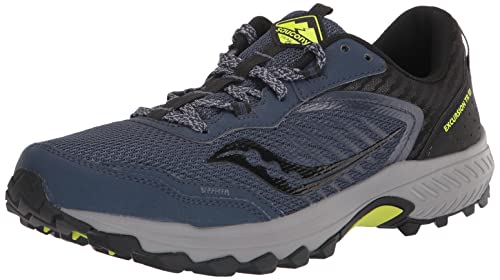
The Saucony Excursion TR15 is a sensible choice for heavy runners who split time between neighborhood roads, gravel, and easy trails. This listing comes in a wide size, which can give a broader forefoot more room to spread. A trail-style outsole adds confidence on loose ground and damp paths. The shoe feels more like a practical hiking and walking partner than a fast racing model.
I like the balance between outdoor grip and daily comfort here. The upper is built for regular use, while the sole helps protect the foot from small stones and uneven ground. Wide sizing matters because a cramped toe box can cause rubbing and poor foot control. Still, runners with very high mileage may want more midsole depth and a softer road-running platform.
Pros:
- Wide fit gives the forefoot extra breathing room
- Trail outsole helps on dirt, gravel, and park paths
- Useful for hiking, walking, and light trail running
- Protective build handles everyday outdoor wear
- Stable platform feels reassuring on uneven surfaces
- Saucony fit options make sizing easier for some feet
Cons:
- Trail tread may feel heavy on smooth pavement
- Not the softest choice for long road runs
- Wide sizing still may not suit every foot shape
My Recommendation
I would point heavy runners toward the Excursion TR15 Wide if they need one dependable shoe for walking, hiking, and short trail runs. It is especially useful for people whose feet feel squeezed in standard-width shoes. The grip and broad fit give it a sturdy, grounded feel. I would not buy it as a dedicated marathon shoe, but it makes strong sense for mixed outdoor use.
This is one of the Best Sneakers for Heavy Runners for buyers who value traction and room over racing speed. It offers a useful middle ground between a casual sneaker and a technical trail shoe. As with any wide model, measure both feet and compare them with the brand’s current chart.
Saucony Excursion TR14 Wide

The Excursion TR14 remains a practical trail shoe for runners who want a stable feel without paying for a highly specialized model. This listing shows a wide size, which may help runners with broad feet or those who wear thicker hiking socks. Its outdoor-focused sole is suited to park trails, packed dirt, and casual hikes. The design also works well for walking when road shoes feel too exposed.
For heavier runners, I pay close attention to how a shoe resists twisting. A stable trail platform can feel more secure when the ground changes underfoot. The TR14 is not a plush, high-stack road trainer, so it may feel firm beside newer comfort shoes. That firmness can be helpful on uneven paths, but it may not satisfy someone seeking a very soft landing.
Pros:
- Wide version supports a roomier forefoot fit
- Firm platform offers useful ground control
- Trail tread suits dirt paths and light hiking
- Durable style handles routine outdoor wear
- Works for walking, hiking, and short trail sessions
- Often provides good value when discounted
Cons:
- Older design may feel less lively than newer trainers
- Firm cushioning may not suit runners seeking a soft ride
- Trail outsole is not the fastest choice for road mileage
My Recommendation
The TR14 Wide is best for heavy runners who want a firm, protective shoe for trails, walks, and outdoor chores. It suits people who dislike a loose, soft platform and prefer to feel connected to the ground. I also like it for new trail runners who need a simple starting point. Choose another model if your main goal is plush road comfort or fast tempo work.
In a search for the Best Sneakers for Heavy Runners, this pair earns attention for its wide fit and stable trail character. It can be a smart buy when the price is favorable. Check the outsole and upper after your first few outings, especially if you use it on rough ground.
Saucony Ride 18 Sneaker

The Saucony Ride 18 is the most natural road-running choice in this group. It is designed for daily miles, so the shape should feel smoother and more efficient on pavement than a trail model. The midsole aims to blend cushioning with a responsive step rather than create a deep, sinking sensation. That balance can work well for a heavier runner who wants comfort without a bulky ride.
I would consider this model for road running, treadmill work, and long walks. A good daily trainer should protect the feet while still letting the runner move without fighting the shoe. The Ride 18 may feel more stable than very soft shoes because it does not rely only on a squishy platform. Fit remains critical, and runners who need strong motion control should seek a professional assessment.
Pros:
- Road-focused design suits daily running and walking
- Balanced cushioning avoids an overly soft feel
- Smooth transition works well on pavement
- Versatile enough for treadmill and gym sessions
- Clean look fits both athletic and casual use
- Strong option for runners building regular mileage
Cons:
- Not designed for loose or technical trail surfaces
- Standard sizing may not fit very broad feet
- Runners wanting maximum softness may prefer a plusher shoe
My Recommendation
I recommend the Ride 18 first for heavy runners who spend most of their time on roads and want a true daily trainer. It is the best match here for steady runs, brisk walks, and treadmill sessions. The cushioning has a practical feel, like a firm mattress that supports rather than swallows you. If you need a shoe for mixed trail terrain, the Excursion models make more sense.
For many shoppers, this is among the Best Sneakers for Heavy Runners because it combines daily comfort with a smooth road ride. It is also the pair I would choose for a gradual return to running, provided the fit feels secure. Replace it when the midsole feels flat or the outsole loses reliable grip, not only when the upper looks worn.
Kricely Trail Running Shoe

The Kricely trail shoe targets shoppers who want a lightweight sneaker for hiking, cross-training, walking, and casual jogging. Its slip-on style can make it quick to put on, which is useful for gym trips and daily errands. The breathable build should feel less stuffy during warm workouts. Its bright design also gives it a sporty look without a high price tag.
Heavy runners should treat this as a flexible activity shoe, not an automatic replacement for a cushioned running trainer. A slip-on upper may not lock the heel as firmly as a traditional lace system. That difference matters when a larger runner takes sharp turns or travels downhill. I suggest using it first for short walks and light workouts, then checking whether the heel stays centered.
Pros:
- Slip-on style makes daily use quick and easy
- Breathable upper helps during warm-weather activity
- Lightweight build suits gym work and walking
- Trail-inspired sole adds grip on basic outdoor paths
- Bold color gives the shoe a lively sport look
- Useful budget choice for mixed low-impact activity
Cons:
- Slip-on fit may not offer enough heel lockdown
- Light construction may lack support for high-mileage running
- Exact fit can vary, so inspect sizing carefully
My Recommendation
I would choose the Kricely model for heavy runners who need an affordable shoe for walking, gym training, errands, and easy outdoor use. It is also a reasonable backup pair for travel. The easy entry and airy upper are its strongest benefits. I would not make it my first pick for long runs, steep trails, or runners who need firm ankle and heel control.
When comparing the Best Sneakers for Heavy Runners, this one stands out for convenience and price. It can provide good value if you want a flexible shoe for lighter tasks. Buy from a listing with clear returns, since a secure heel fit is more important than the attractive slip-on design.
Brooks Cascadia 19 Trail Shoe

The Brooks Cascadia 19 is the most trail-ready option in this review. It is made for runners who need confidence on uneven ground, with a protective shape and a more purposeful trail platform. The shoe can help the foot feel planted when roots, rocks, and changes in grade interrupt an easy rhythm. This women’s medium listing is important because width and fit must match the runner.
For a heavier runner, trail stability can feel like a handrail on a steep path. It does not remove every impact, but it helps reduce the nervous movement that comes from a loose or weak shoe. The Cascadia is better suited to outdoor adventure than indoor training or smooth road racing. I would also allow a short break-in period before taking it on a long hike.
Pros:
- Trail-focused platform supports uneven ground
- Protective design suits rocks, roots, and rough paths
- Reliable structure can increase confidence on descents
- Good choice for hiking and dedicated trail sessions
- Brooks fit details make comparison shopping easier
- Durable build is suited to regular outdoor use
Cons:
- Women’s medium width may not suit wide feet
- Trail build can feel excessive on smooth roads
- Usually costs more than basic walking sneakers
My Recommendation
The Cascadia 19 is best for heavy runners who spend real time on mountain trails, wooded paths, and uneven terrain. It is a strong pick when grip, protection, and control matter more than a very light feel. I would recommend it to hikers and trail runners who want a serious outdoor shoe. I would not buy it solely for treadmill workouts or pavement miles.
Among the Best Sneakers for Heavy Runners, this is the specialist choice for trails. It may justify its price if you use its protection and traction often. Confirm the women’s sizing system and width before ordering, then test it on a short route first.
TSIODFO Men’s Running Sneaker
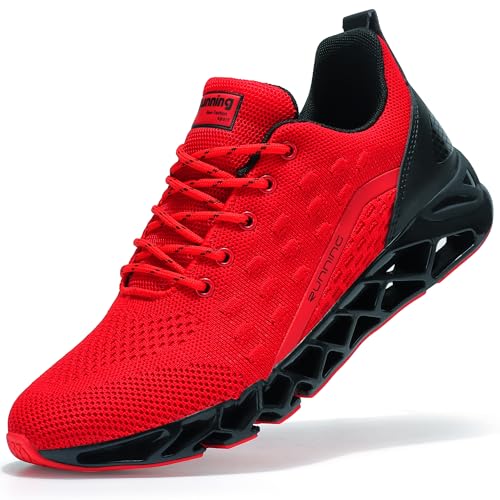
The TSIODFO sneaker is built around a familiar athletic shape for running, walking, gym work, and casual wear. Its mesh-style upper is intended to keep the foot cooler than a solid leather sneaker. The red and black colorway gives it a bold look, while the flexible shape may feel comfortable right away. Size 12 is shown in this listing, so buyers should check the available size and width choices closely.
I see this as an affordable daily activity shoe for short sessions. Heavy runners often need more than soft foam; they also need a heel that stays put and an outsole that wears evenly. This model may work well if your workouts are moderate and your feet prefer a flexible sneaker. If you run often on hard pavement, compare its support with a dedicated road trainer before committing.
Pros:
- Breathable upper helps reduce heat during exercise
- Flexible feel suits walking and gym movement
- Athletic styling works beyond the workout
- Light design can reduce a bulky feeling
- Useful low-cost option for short, easy sessions
- Bold colorway improves visibility in casual settings
Cons:
- May not offer enough cushioning for long road runs
- Support and durability can vary with heavy daily use
- Check size availability because the listed size is specific
My Recommendation
I recommend TSIODFO for heavy runners who need a budget sneaker for walking, light jogging, gym workouts, or everyday use. It is a good fit for someone who prefers a flexible shoe and does not yet run high weekly mileage. The mesh upper and simple athletic build keep it easy to wear. I would select a more proven daily trainer for long-distance goals or demanding training plans.
In the Best Sneakers for Heavy Runners category, this model has appeal as a practical backup or starter pair. Its value depends on fit and how hard you use it. Check the product page for current sizes, reviews, and return details before purchase.
Adidas Terrex Tracefinder Trail Shoe

The Adidas Terrex Tracefinder is aimed at runners and hikers who need trail traction in a familiar, wearable package. Its Terrex name places it in Adidas’s outdoor range, while the low profile should keep it useful for daily paths and park routes. The black, gray, and orange colorway looks practical and easy to maintain. It is a good option for people who move between the city and light trails.
Heavy runners may appreciate a trail shoe that feels stable without becoming a stiff hiking boot. The Tracefinder can give more grip than a normal road sneaker when dirt becomes loose or damp. I would still check the heel hold and forefoot room because the best outsole cannot fix a poor fit. For technical terrain or very long mountain days, a more protective trail model may be better.
Pros:
- Trail tread improves confidence on loose paths
- Outdoor styling works for hiking and daily wear
- Useful crossover between road errands and light trails
- Stable feel can help on small changes in terrain
- Recognizable Adidas design adds everyday appeal
- Good choice for walkers who want outdoor grip
Cons:
- May feel less cushioned than a road running shoe
- Not a first choice for technical mountain terrain
- Standard width may feel narrow for broad feet
My Recommendation
The Tracefinder is best for heavy runners who want one shoe for park trails, hikes, travel, and casual daily wear. It suits moderate outdoor activity and runners who value traction more than racing speed. I like it as a versatile crossover shoe because it avoids the overly rugged feel of some mountain models. Choose the Cascadia if your routes include frequent rocks, roots, and steep descents.
This is one of the Best Sneakers for Heavy Runners for mixed-use trail comfort. It offers useful brand value when the fit is right and the terrain is not extreme. Look for a thumb of space in front of the longest toe, and test it with the socks you plan to wear.
New Balance Fresh Foam X Hierro V9

The New Balance Fresh Foam X Hierro V9 is a comfort-led trail shoe for runners who want soft cushioning and outdoor grip. Fresh Foam X is designed to create a cushioned step, which can feel inviting during long walks and steady trail runs. This listing shows a wide size, a useful detail for runners who need extra forefoot space. The shoe is built for outdoor miles but can also handle casual daily use.
I see the Hierro V9 as a strong option for heavy runners who dislike harsh, firm shoes. Its cushioning may make long sessions feel more forgiving, while the trail outsole helps when pavement gives way to dirt. Softness alone does not equal stability, so I would walk, turn, and descend a gentle slope before trusting it on a long route. The wide fit should still allow a secure heel without squeezing the toes.
Pros:
- Fresh Foam X cushioning creates a soft, comfortable ride
- Wide option gives more room across the front of the foot
- Trail outsole supports dirt paths and light technical ground
- Good choice for long walks and steady trail miles
- Protective upper suits regular outdoor use
- Comfort-focused design helps reduce a harsh underfoot feel
Cons:
- Soft cushioning may feel less precise on sharp turns
- Wide size may be too loose for narrow feet
- Trail construction can feel warm in hot conditions
My Recommendation
I recommend the Hierro V9 to heavy runners who want a cushioned trail shoe with a roomy fit. It is especially appealing for long walks, easy trail runs, and outdoor travel where comfort matters all day. The wide version can help runners who often feel pressure near the toes. If you want a firm, fast road shoe, the Saucony Ride 18 is a better match.
For shoppers comparing the Best Sneakers for Heavy Runners, the Hierro V9 is one of the strongest comfort picks. It pairs a soft ride with useful trail function and a wide option. Review the current size chart and return policy because the ideal amount of cushioning is personal.
How I Choose Sneakers for Heavy Runners
I do not judge a running shoe by color, price, or foam name alone. A heavier runner needs a shoe that keeps its shape, feels stable, and matches the surface used most often. I look for a secure heel, enough toe room, useful cushioning, and an outsole that fits the route. I also consider whether the shoe comes in wide sizes.
Running creates repeated impact, but the body does not experience that force in one simple way. Pace, surface, stride, hills, training volume, and prior injuries all matter. That is why I avoid promising that one shoe will prevent pain. A good shoe should feel comfortable and steady from the first short test, not merely look supportive in a product photo.
Cushioning
Cushioning is the first feature most people notice. For heavy runners, it can help the shoe feel less harsh on roads and sidewalks. However, maximum softness is not always best. A shoe that sinks too much may make balance harder and can feel tiring during turns.
I prefer balanced cushioning for daily road running. A softer trail shoe can work well for long walks, while a firmer platform may feel more controlled on uneven ground. The Saucony Ride 18 offers the most road-focused balance in this list. The New Balance Hierro V9 offers the softer outdoor feel.
Stability and Heel Hold
Stability means more than a hard support bar. It comes from the shoe’s width, base, heel counter, midsole shape, and how well the upper holds the foot. A stable sneaker should not wobble when you stand, walk, or turn. Your heel should remain in place without painful pressure.
I use the runner’s normal socks during a fit test. I lace the shoe firmly, walk for several minutes, and check for heel lift. If the foot slides forward, the toe may hit the front on a downhill path. If the toes feel trapped, the shoe is too short or too narrow.
Width and Toe Room
Many heavy runners benefit from a roomier fit, but wide does not mean loose everywhere. The forefoot needs space to spread. The heel still needs control. A shoe that is wide from heel to toe may move too much unless the laces can secure it.
Measure your feet late in the day, when they may be slightly larger. Measure both feet and use the longer foot for size selection. Leave a small gap in front of the longest toe. Do not expect a shoe to stretch enough to fix a cramped fit.
Outsole and Surface
Road shoes use flatter rubber for smooth pavement. Trail shoes use deeper patterns for dirt, gravel, mud, or rocks. Using the wrong outsole can reduce comfort and grip. Deep lugs may feel awkward on a hard indoor floor, while a flat road sole may slip on loose dirt.
The Brooks Cascadia 19 and Adidas Terrex Tracefinder are better for outdoor trails than the Ride 18. The Ride 18 is better for roads and treadmills. The Excursion models sit between walking, hiking, and light trail use.
Durability
Weight, mileage, heat, moisture, and gait all affect shoe life. A heavy runner may notice midsole compression before the upper tears. Look for uneven wear under the heel or forefoot. Also watch for a flat feeling, new foot fatigue, or less grip.
I do not set one exact replacement date for every runner. Instead, keep a simple note of mileage and comfort. Rotate two pairs if possible. This gives the foam time to recover and helps you notice when one pair changes.
Best Features at a Glance
| Best for | Why |
|---|---|
| Daily road runs | Saucony Ride 18 offers a smooth, balanced road feel. |
| Wide feet and mixed trails | Saucony Excursion TR15 Wide combines room with outdoor grip. |
| Soft trail comfort | New Balance Hierro V9 pairs cushioned foam with a wide option. |
Fit Tips for Heavy Runners
Start with the pair you usually wear for activity, not your dress shoe size. Athletic brands can use different shapes, and the same number may feel different across models. Put both shoes on and stand up. Your toes should move freely, while the heel should stay close to the rear collar.
Walk up and down stairs if you can. This reveals forward slide and pressure near the toes. Try a gentle jog indoors on a clean floor. The shoe should feel steady, not like it tips inward or outward.
Do not rely on an insole to solve every problem. A replacement insole can change volume and comfort, but it cannot correct a shoe that is too short. If you have swelling, numbness, ongoing pain, or a known foot issue, ask a qualified health professional or podiatrist for guidance.
Road Shoes Versus Trail Shoes
Road shoes are usually lighter and smoother. They work best on asphalt, concrete, tracks, and treadmills. Their outsoles do not have deep lugs because smooth contact helps the foot move efficiently.
Trail shoes add grip and protection. They can feel more secure on rocks, roots, and loose ground. The tradeoff is extra weight and a less smooth road ride. Heavy runners who alternate surfaces may need two pairs rather than forcing one shoe to do every job.
If your route includes only a short dirt section, a road shoe may be enough. If the dirt is steep, wet, or loose, choose a trail model. Surface matters as much as body weight when selecting the Best Sneakers for Heavy Runners.
How to Break In a New Pair
Do not begin with a long run. Wear the shoes at home for a short period, then take a brief walk. Check for rubbing at the heel, tongue, arch, and little toe. A mild new-shoe feel can be normal, but sharp pain is not.
Next, use the pair for a short workout on the surface it was designed for. Keep the first session easy. If the shoe feels better after several uses, slowly add time. If your feet hurt in the same spot each time, return the shoe if possible instead of hoping the problem disappears.
Care and Storage Tips
Let wet shoes dry at room temperature. Remove the insoles and loosen the laces so air can reach the inside. Avoid high heat from dryers, heaters, or direct hot sun. Heat can weaken adhesives and change the shape of the upper.
Brush off dried mud with a soft brush. Use mild soap and water when needed. Do not put technical running shoes through a harsh wash cycle unless the maker allows it. Clean shoes last longer and make outsole wear easier to inspect.
FAQs Of Best Sneakers for Heavy Runners
What should heavy runners look for in sneakers?
Look for balanced cushioning, a stable base, a secure heel, enough toe room, and an outsole suited to your surface. Wide options can help if standard shoes feel tight. Comfort and control matter more than a high foam stack or a fashionable label.
Are soft shoes always best for heavier runners?
No. Soft cushioning can feel comfortable, but too much softness may reduce control. A balanced midsole often works better for daily use. Choose the shoe that feels stable and comfortable during a short test walk or run.
Can I use trail shoes on pavement?
You can use them for short road sections, but trail lugs may feel less smooth and may wear faster on hard pavement. If most of your miles are on roads, choose a road shoe such as the Saucony Ride 18. Use trail shoes when grip and protection are truly needed.
Do heavy runners need motion-control shoes?
Not automatically. Body weight alone does not tell you how your foot moves. A motion-control shoe may help some runners, but others may prefer neutral cushioning. If you have repeated pain or a diagnosed gait issue, seek an expert fitting.
How often should heavy runners replace running shoes?
Replace them when cushioning feels flat, the outsole loses grip, or wear becomes uneven. Mileage varies by shoe, surface, body weight, and running style. Track comfort and wear instead of following one rigid number.
Final Verdict: Which Should You Buy?
The Saucony Ride 18 is my top pick for most heavy runners who train on roads. Choose the New Balance Hierro V9 for soft trail comfort, or the Excursion TR15 Wide for room and grip.
The Best Sneakers for Heavy Runners should feel stable, roomy, and right for your route. Measure carefully, test slowly, and buy from a listing with clear returns.
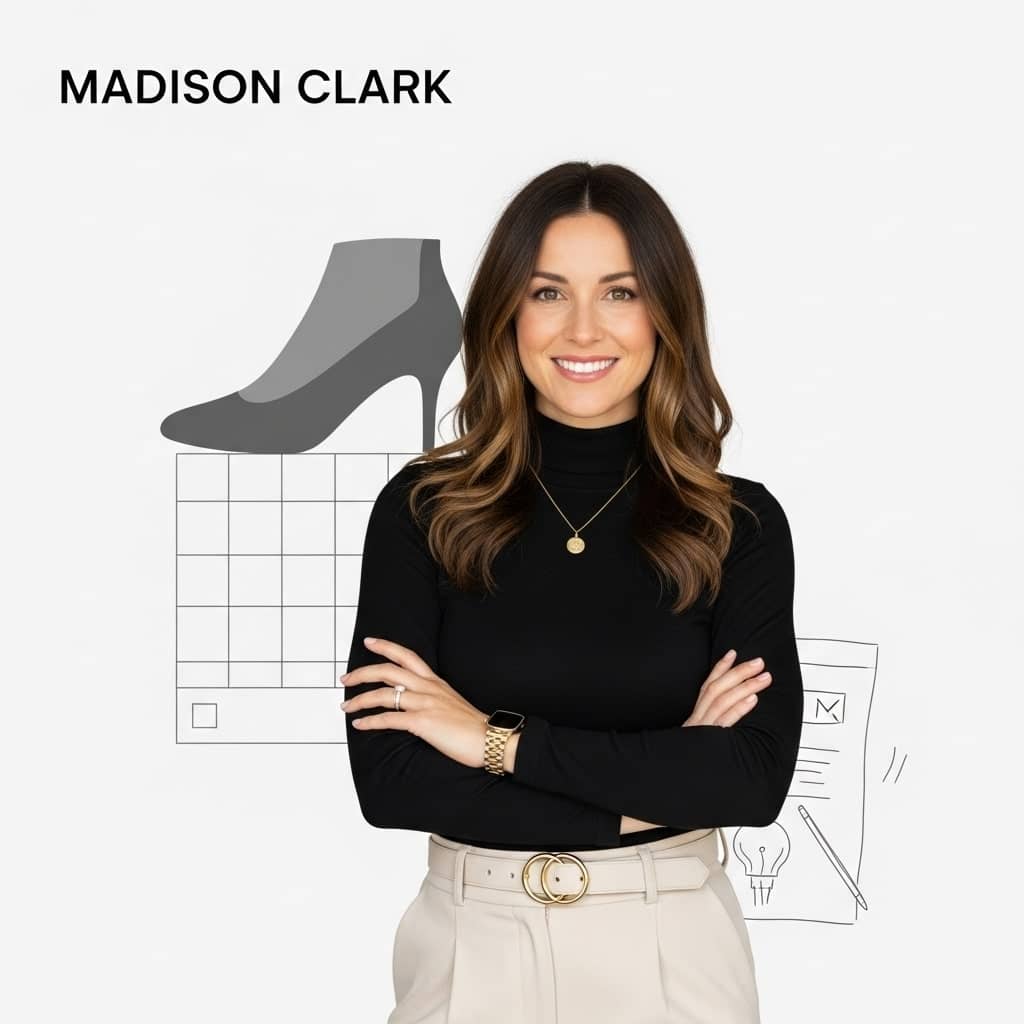
Madison Clark is a footwear expert and the voice behind MyStyleGrid.com. She specializes in honest shoe reviews, style tips, and practical guides to help readers find the perfect pair for any occasion. With years of experience in blogging and content creation, Madison makes footwear knowledge simple, stylish, and easy to follow.