The best winter boots for Raynaud’s combine insulation, dry feet, room for warm socks, and a fit that supports healthy circulation.
Cold toes can turn a simple walk into a painful chore. If you have Raynaud’s, damp snow, tight boots, and poor circulation can make the problem worse fast. I look for boots that trap heat without squeezing the forefoot, then pair them with warm socks or toe warmers when needed. The options below cover insulated snow boots, roomy hiking styles, heated footwear, and useful boot accessories. Remember that Raynaud’s can need medical care, so stop using any product that causes numbness, burning, skin color changes, or discomfort.
Hot Sockee XL Toe Warmers
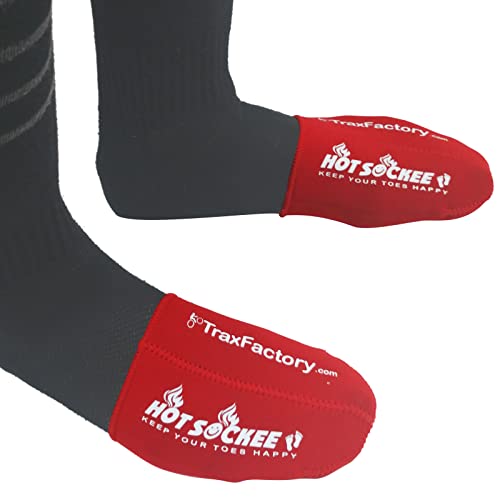
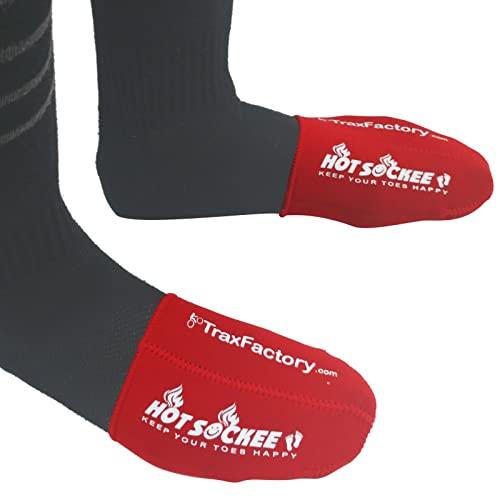
The Hot Sockee XL is a reusable neoprene toe warmer that sits inside a shoe or boot. It does not create heat by itself. Instead, the neoprene layer helps reduce heat loss around the toes, much like a small wind shield inside your footwear. For people with Raynaud’s, that extra barrier can help protect warm air from escaping.
I like this style for boots that have a little extra room. Neoprene can feel bulky if the boot already fits snugly, so I would test it with your usual socks before a long outing. It may work well for winter sports, work boots, camping, and cold walks. It is also a simple add-on for people who do not want batteries or charging cables.
Pros:
- Reusable design reduces waste and repeat costs
- Helps block cold air around the toes
- Works with many shoes and winter boots
- No battery, charger, or chemical pack required
- Useful for hiking, cycling, work, and outdoor sports
- XL size may suit larger feet and roomy boots
Cons:
- Does not produce active heat
- May feel tight in narrow footwear
- Must be placed correctly to avoid pressure points
My Recommendation
The Hot Sockee XL is best for people who already own decent winter boots but still lose heat at the toes. It suits users who prefer a low-tech solution and need extra insulation for outdoor work or long walks. I would not use it to force a tight boot to fit. For the best winter boots for Raynaud’s, this accessory makes the most sense when the boot has enough space for natural toe movement and a warm sock.
Hot Sockee Large Toe Warmers
The Large Hot Sockee uses the same basic idea as the XL version, but it targets a smaller fit. The neoprene material adds a warm layer near the front of the foot without changing your whole boot. That can be helpful when the toes get cold first. It is a practical choice for people who need insulation but do not want heated footwear.
Fit matters more than many shoppers expect. A toe warmer should never press the toes together or make the boot hard to close. I suggest wearing it with the socks you plan to use outdoors and checking your ability to wiggle every toe. If the fit stays relaxed, this insert can add comfort during errands, winter travel, and light outdoor work.
Pros:
- Simple way to add insulation to existing boots
- Reusable for repeated winter use
- Lightweight compared with many heated products
- No power source needed
- Suitable for hiking, camping, and winter sports
- Large size may fit many men’s and larger women’s boots
Cons:
- Provides insulation rather than active heat
- Can reduce interior space in close-fitting boots
- Needs careful sizing for good circulation
My Recommendation
I recommend the Large Hot Sockee to shoppers who want an easy upgrade for boots they already trust. It works best for mild to moderate cold when your footwear is waterproof and well insulated. People with Raynaud’s should use it as part of a full warmth plan, not as a substitute for a properly fitting boot. Among accessories for the best winter boots for Raynaud’s, this one offers useful value when space and sizing are right.
Hot Sockee Small/Medium Toe Warmers
The Small/Medium Hot Sockee is designed for smaller feet and footwear with a shorter front area. Its neoprene construction helps create a buffer between cold boot material and the toes. That is useful because cold surfaces can draw warmth away even when the boot looks thick. The insert is especially appealing for people who want warmth without wires or electronics.
I would pair this model with a moisture-wicking sock rather than a very thick cotton sock. Wet cotton loses warmth quickly, while a dry wool blend can hold heat better. Make sure the insert lies flat and does not fold under the toes. For Raynaud’s, comfort and free movement should always come before adding another layer.
Pros:
- Fits smaller feet better than larger versions
- Adds a protective neoprene insulation layer
- Reusable and easy to carry
- Needs no charging or replacement batteries
- Works in boots, shoes, and some athletic footwear
- Helpful for short cold-weather activities
Cons:
- Not an active heating product
- May not fit wide or high-volume boots well
- Can feel warm indoors or during high activity
My Recommendation
This model is best for smaller-footed users who want to improve an existing boot without buying a new pair. It may suit children’s larger sizes, petite adults, and people who use compact winter footwear. I would choose it only when the boot has enough room for a flat insert and relaxed toes. It is a low-cost addition to a Raynaud’s winter kit, but it cannot replace waterproof insulation or medical advice.
Aleader Men’s 400g Insulated Snow Boots

The Aleader snow boot combines waterproof construction with 400-gram insulation. That insulation level makes it a serious cold-weather option for snow, slush, and winter trails. A waterproof outer layer helps keep melting snow away from the socks. Dry feet matter greatly with Raynaud’s because moisture can speed up heat loss.
This boot is built more for outdoor use than indoor comfort. The hiking shape and traction-focused sole should appeal to people who walk on packed snow or uneven ground. I would leave room for a medium-weight merino sock, but I would not size up so much that the heel slips. A secure fit helps with walking, while a roomy toe box helps avoid unwanted pressure.
Pros:
- 400-gram insulation targets cold winter conditions
- Waterproof design helps protect socks from slush
- Useful for snow walks, hiking, and outdoor chores
- Hiking-style build offers a stable feel
- Room for a warm sock when sized correctly
- More protective than a casual winter shoe
Cons:
- May feel heavy for quick indoor errands
- Men’s sizing may not suit every foot shape
- Insulation can feel too warm in mild weather
My Recommendation
The Aleader is one of the strongest choices here for someone who spends real time outside in snow. It suits dog walkers, winter hikers, workers, and anyone who needs waterproof insulation rather than a fashion boot. I would rank it highly for the best winter boots for Raynaud’s when dry feet and cold-weather protection are the main goals. Check the size chart and test the toe space before wearing it for a full day.
Welwoos Heated Thermal Boot Socks

The Welwoos thermal socks are made for people who need more warmth inside their boots. They use a thick winter design that can help insulate the feet during cold activity. The listing presents them as heated thermal socks, so buyers should review the current package details for the exact heating system, controls, and care instructions. In practice, thick socks work best inside boots with enough space.
I would use these with a roomy waterproof boot, not a narrow dress boot. A sock that compresses the toes can defeat its own purpose by reducing comfort and possibly affecting circulation. Keep the feet dry, follow the washing instructions, and inspect the socks before use. If you notice uneven heat or skin irritation, stop using them.
Pros:
- Designed for cold-weather boot use
- Thick construction can add insulation
- Three-pair set offers useful rotation
- Works for skiing, commuting, and outdoor chores
- Can complement waterproof winter boots
- May help reduce cold spots inside the boot
Cons:
- Thick socks need extra boot room
- Heating features may require special care or power
- Exact warmth and battery details should be checked before purchase
My Recommendation
These socks are best for people who already own boots with a roomy fit and want an extra layer of warmth. They may help commuters, skiers, and outdoor workers who spend long periods in cold conditions. For Raynaud’s, I would use the lowest comfortable heat setting and check the skin often. They can support the best winter boots for Raynaud’s, but the socks should never make the boot tight.
LANLEO Merino Wool Hiking Socks

The LANLEO merino wool socks offer a non-electric way to keep feet warm. Merino wool can help manage moisture and hold warmth across changing outdoor conditions. This five-pair set also gives you enough pairs for regular winter use. For many people with Raynaud’s, a dry wool sock inside a good boot is a better starting point than a complicated heated system.
The cushion can make long walks more comfortable, but it also takes up space. I recommend trying these with the boots before buying extra inserts. Avoid bunching near the toes or ankle, since folds can create pressure spots. A smooth fit, dry feet, and free toe movement are the real strengths of this type of sock.
Pros:
- Merino wool helps manage moisture
- Warm design suits winter hiking and work boots
- Cushioning can improve walking comfort
- Five-pair pack supports regular use
- No batteries or electronics to maintain
- Useful for men and women
Cons:
- May feel too thick in slim boots
- Wool can bother people with sensitive skin
- Needs proper care to preserve its shape
My Recommendation
I recommend the LANLEO socks for anyone who wants a simple, reliable warmth layer. They are especially good for hikers, workers, and commuters who need dry comfort without charging heated gear. If you are building the best winter boots for Raynaud’s on a budget, investing in quality socks and a waterproof boot can be very sensible. Just confirm that your boots do not compress the added cushion.
Ziitop Men’s Fur-Lined Snow Boots
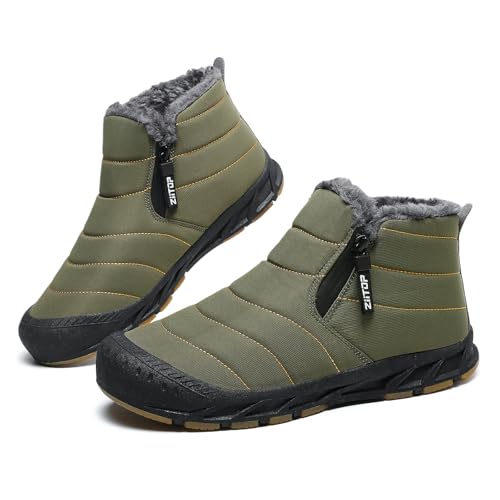
The Ziitop snow boot uses a fur-lined interior to create a soft, warm feel around the foot. Its waterproof winter design is aimed at everyday snow and cold-weather wear. The ankle height makes it easier to put on than a tall snow boot. That can be useful for quick errands, short walks, and daily winter travel.
Fur lining feels cozy, but it can reduce interior space more than a thin lining. I would wear a medium sock instead of forcing a thick sock into a close fit. The boot should hold the heel without squeezing the toes. It is a good casual option, though people facing deep snow or very wet conditions may prefer a taller boot with more coverage.
Pros:
- Fur lining adds soft insulation
- Waterproof design helps resist wet winter ground
- Ankle height works well for everyday use
- Easy style for errands and casual wear
- Can pair with a medium-weight wool sock
- Warm interior may feel comfortable in dry cold
Cons:
- Shorter height gives less snow protection
- Fur lining may make the fit feel snug
- Not the best choice for deep snow or long hikes
My Recommendation
The Ziitop is best for casual winter use, especially when you want warmth without a large hiking boot. It fits shoppers who walk on cleared streets, drive to work, or need a comfortable boot for short outdoor tasks. I would choose it for convenience and soft lining, not extreme exposure. It can be part of the best winter boots for Raynaud’s for everyday wear if the fit leaves your toes relaxed.
Wide Toe Box Winter Snow Boots

This winter boot stands out because it features a wide toe box. That detail matters for Raynaud’s, since cramped toes can feel colder and less comfortable. The boot also has a fur-lined interior, a water-resistant outer design, and a non-slip style aimed at outdoor use. Its lighter build may appeal to people who dislike stiff, heavy snow boots.
I see the roomy front as the main selling point. You can add a wool sock without immediately crowding the toes, although you should still check the actual fit. The boot may work for walking, work, travel, and light trekking. Since the listing describes the exterior as water resistant rather than fully waterproof, I would avoid treating it like a deep-snow boot unless the care instructions support that use.
Pros:
- Wide toe box supports natural toe movement
- Fur lining adds warmth and softness
- Non-slip sole design suits outdoor walking
- Lightweight build may reduce foot fatigue
- Works for men and women
- Room for warm socks in many foot shapes
Cons:
- Water resistant is not the same as fully waterproof
- Wide fit may feel loose on narrow feet
- May offer less protection than a taller snow boot
My Recommendation
This is my top fit-focused pick for people whose toes feel squeezed in normal winter boots. The wide toe box gives warm socks and natural movement more room, which are both important when managing cold feet. I would consider it one of the best winter boots for Raynaud’s for city walks, light trails, and daily winter work. Choose another model for deep snow, heavy rain, or very long backcountry trips.
HOTHUGZ Rechargeable Heated Boots

The HOTHUGZ heated boots are designed for users who want active warmth rather than insulation alone. The waterproof and rechargeable design can be appealing during long periods outside. Heated footwear may help when ordinary socks and boots do not provide enough comfort. Still, people with Raynaud’s should use heat with care because reduced sensation can make excessive warmth harder to notice.
I would begin with the lowest setting and check the skin often. Read the product guide for charging, storage, cleaning, and battery safety before the first use. Like any heated boot, this model needs a reliable charge before a long trip. It should also fit without pressure, since electronics cannot fix poor circulation caused by tight footwear.
Pros:
- Rechargeable design provides active warmth
- Waterproof construction suits wet winter weather
- Useful for long outdoor exposure
- Can reduce the need for several thick sock layers
- Helpful for hunting, commuting, work, and winter sports
- Targets users who need more than passive insulation
Cons:
- Requires charging and battery care
- Heated footwear usually costs more than basic boots
- Heat must be monitored carefully with Raynaud’s
- May feel bulky compared with casual boots
My Recommendation
The HOTHUGZ is best for people who spend extended time outdoors and struggle to stay warm in standard insulated boots. It may suit winter workers, hunters, anglers, and commuters who cannot quickly return indoors. I would not make it the first choice for someone who cannot reliably sense heat or follow safety checks. For the best winter boots for Raynaud’s, this is the advanced option, but safe use matters more than maximum temperature.
Vostey Fur-Lined Chukka Boots

The Vostey chukka boot offers a more casual look than a full snow boot. Its fur-lined interior adds warmth, while the ankle height works well with jeans and everyday winter clothing. This style is useful for city wear, office commutes, and short walks on cold but cleared surfaces. It is a good reminder that the best winter boots for Raynaud’s do not always need to look like outdoor gear.
I would treat this as a dry-weather winter boot unless the product care details confirm stronger waterproof protection. The shorter shaft leaves more of the ankle exposed, so it may not suit deep snow. Fit is important because the chukka shape can feel firm around the foot. Choose enough room for a warm sock, but keep the heel secure to avoid rubbing.
Pros:
- Fur lining adds warmth for daily winter wear
- Casual chukka style suits work and travel
- Ankle height allows easy movement
- Works with many everyday outfits
- Can be paired with wool or thermal socks
- Less bulky than many snow boots
Cons:
- Limited protection in deep snow
- May not match a technical hiking boot for traction
- Short shaft can allow snow to enter
My Recommendation
The Vostey is best for city users who need warm footwear for sidewalks, errands, and commuting. It suits people who value a clean casual look and do not face deep snow each day. I would pair it with merino socks and avoid wet conditions unless the boot is properly treated. Its overall value is strongest as a comfortable daily winter shoe, not as an extreme cold expedition boot.
Which Features Matter Most for Raynaud’s?
Raynaud’s can cause fingers and toes to react strongly to cold or stress. The small blood vessels narrow, which may lead to coldness, numbness, tingling, or changes in skin color. This is why a boot can feel warm to one person yet fail another. I focus on fit, dryness, insulation, and easy temperature control before I look at style.
Choose a roomy toe box
Your toes should move freely inside the boot. A wide toe box can help prevent crowding from thick socks or inserts. Do not assume a larger size always solves the problem. A boot that is too long may let the heel slide, which creates rubbing and reduces walking control.
Keep feet dry
Water pulls heat away from the body. Look for waterproof or water-resistant materials based on your real needs. Waterproof boots may feel warmer in wet snow, while breathable materials can help reduce sweat during active walking. Always dry wet boots fully before wearing them again.
Use insulation without over-compression
More insulation is not always better if it makes the boot tight. Thick socks, toe warmers, and insoles all take up space. I suggest adding one layer at a time. If your toes feel cramped, remove the extra layer or choose a roomier boot.
Check the sole and traction
Cold feet are only part of the winter problem. A stable sole can reduce slips on ice and packed snow. Look for a tread suited to the surface you use most. No sole is completely slip-proof, so slow steps still matter on ice.
Be cautious with heated footwear
Heated boots can offer direct warmth, but they need careful use. Start with a low setting. Check your skin at regular intervals, especially if numbness makes heat hard to judge. Follow the manufacturer’s battery and charging instructions, and stop if the skin becomes red, painful, or irritated.
How I Would Build a Warm Boot System
I would start with a boot that fits well without any extra layer. Next, I would choose a moisture-wicking sock, such as a merino blend. If the toes still get cold, I would add a thin toe warmer or a carefully selected thermal sock. This step-by-step approach helps me identify what works without creating a crowded boot.
I also pay attention to the rest of the body. A warm coat, hat, and gloves can help the body conserve heat for the core. When the whole body stays warm, the feet may cope better with cold exposure. I would take breaks indoors rather than wait until the toes become numb.
Before a long trip, I test the complete setup at home. I walk, sit, climb stairs, and check for pressure. This simple test can reveal a fold, hot spot, slipping heel, or tight toe area. It is much easier to fix those issues before standing in snow.
Best Uses for Each Product
| Best for | Why |
|---|---|
| Long outdoor exposure | HOTHUGZ heated boots add active warmth and offer waterproof protection. |
| Snow hiking and wet winter work | Aleader boots combine 400g insulation with a waterproof hiking design. |
| Roomy everyday comfort | The wide toe box boot leaves more space for natural movement and warm socks. |
How to Choose the Right Size
Measure your feet at the end of the day, when they may be slightly larger. Wear the socks you plan to use in winter. Check that the longest toe does not touch the front while standing. Then wiggle all toes and walk on a hard floor.
Your heel should stay mostly in place, but it should not feel locked in a painful way. The upper should not press across the forefoot. If you use orthotics or thick socks, include them during the fitting. Product size charts vary, so I always compare foot measurements with the seller’s current chart.
For Raynaud’s, I prefer a little usable space over a fashionably close fit. However, too much empty space can also reduce stability. The right boot feels secure at the heel and relaxed at the toes. That balance is more important than simply buying one size larger.
Care Tips for Warm Winter Boots
Dry boots after every wet outing. Remove the insoles if possible and let air move through the interior. Avoid placing boots directly on a strong heater, since high heat can damage adhesives, leather, synthetic panels, or batteries.
Clean salt from the outer material with the method recommended by the maker. Salt stains can damage some materials over time. Store boots in a dry place, not inside a sealed damp bag. For heated boots, store and charge the battery according to the product instructions.
Inspect the tread before each winter season. A worn sole may reduce traction even if the upper still looks good. Also check seams, laces, closures, and lining. Small damage can let in water and turn a warm boot into a cold one.
FAQs Of Best Winter Boots for Raynaud’s
What are the best winter boots for Raynaud’s?
The best choice has insulation, water protection, a roomy toe box, and a secure heel. My top options are the Aleader insulated snow boot for wet outdoor use and the wide toe box winter boot for relaxed fit. Heated boots may help some users, but they need careful monitoring.
Should winter boots for Raynaud’s be loose?
They should feel roomy at the toes but secure at the heel. A tight boot can crowd the toes and reduce comfort. A very loose boot can slip and cause blisters. Aim for free toe movement with no pressure points.
Are heated boots safe for people with Raynaud’s?
They may be safe when used as directed, but caution is important. Start with a low setting and check your skin often. Do not sleep in heated footwear. Ask a health professional for personal guidance if you have reduced sensation, diabetes, nerve problems, or severe circulation concerns.
Are wool socks good for Raynaud’s?
Wool socks can help because they provide warmth and can manage moisture. Merino wool often feels softer than coarse wool. The sock must fit without squeezing the toes. A wet or overly tight sock can make cold feet worse.
Can toe warmers replace insulated winter boots?
No. Toe warmers can add a layer of protection, but they do not replace waterproofing, insulation, traction, or a proper fit. Use them inside a boot that already suits the weather and leaves enough room for your toes.
Final Verdict: Which Should You Buy?
For most users, I would choose the Aleader 400g insulated boot for wet snow and the wide toe box boot for relaxed daily comfort. The HOTHUGZ is best for long outdoor exposure when active heat is needed.
The best winter boots for Raynaud’s keep feet dry, warm, and free from pressure. Choose the fit first, then add wool socks or safe accessories for extra winter comfort.

Madison Clark is a footwear expert and the voice behind MyStyleGrid.com. She specializes in honest shoe reviews, style tips, and practical guides to help readers find the perfect pair for any occasion. With years of experience in blogging and content creation, Madison makes footwear knowledge simple, stylish, and easy to follow.