Totes boots can work in light to moderate snow if you choose insulated, waterproof models.
As someone who has tested cold-weather footwear and lived through several snowy winters, I’ll walk you through whether are totes boots good for snow and when they make sense. I’ll explain the design features that matter, share real-world testing and personal experience, and give clear buying and care tips so you can make a confident choice for winter weather.
How Totes boots are built for winter use
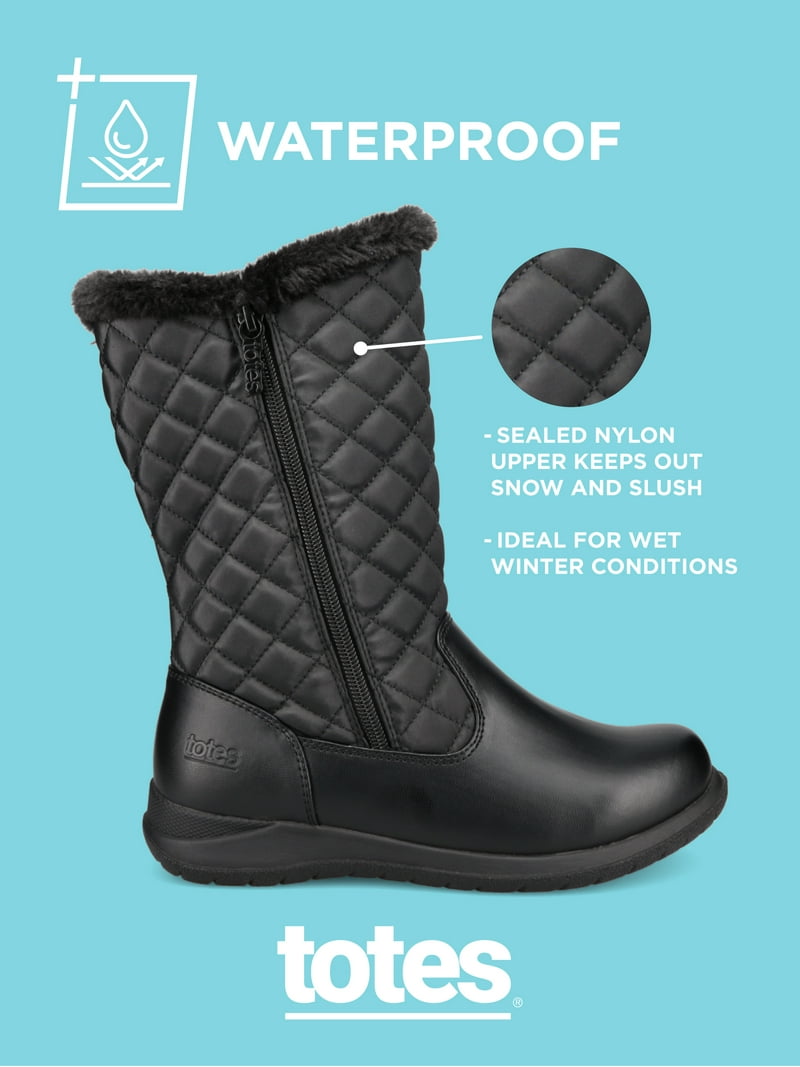
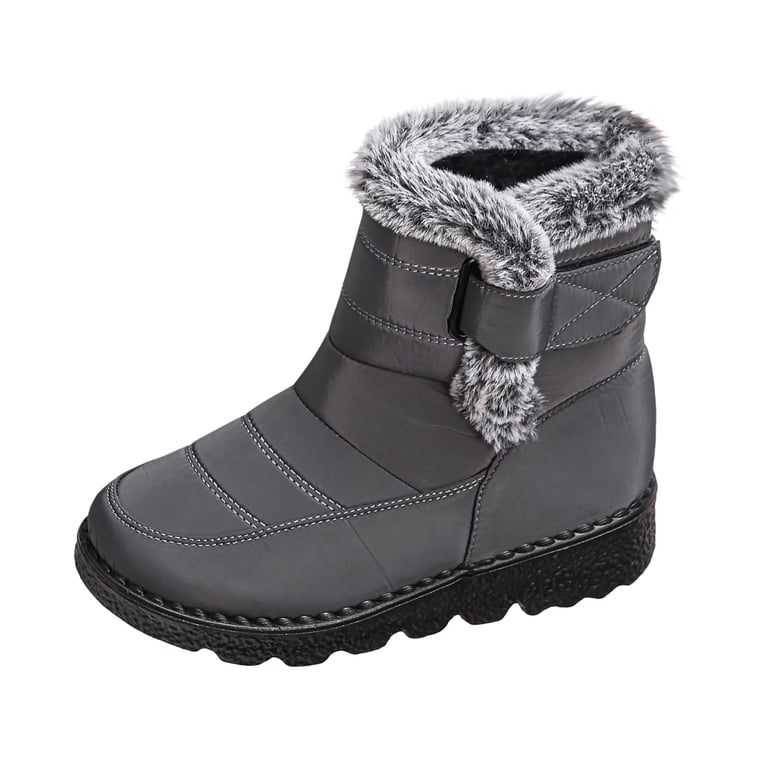
Totes makes a range of boots and winter footwear. Some are simple rain boots. Others are insulated winter boots with liners and traction soles. Key design parts to watch are insulation, waterproofing, sole tread, and height. These factors decide if are totes boots good for snow for your needs.
- Insulation: Many Totes winter boots use synthetic insulation rated for chill. Insulation depth affects warmth and comfort.
- Waterproofing: Some Totes models have sealed seams and waterproof shells. Others are only water-resistant.
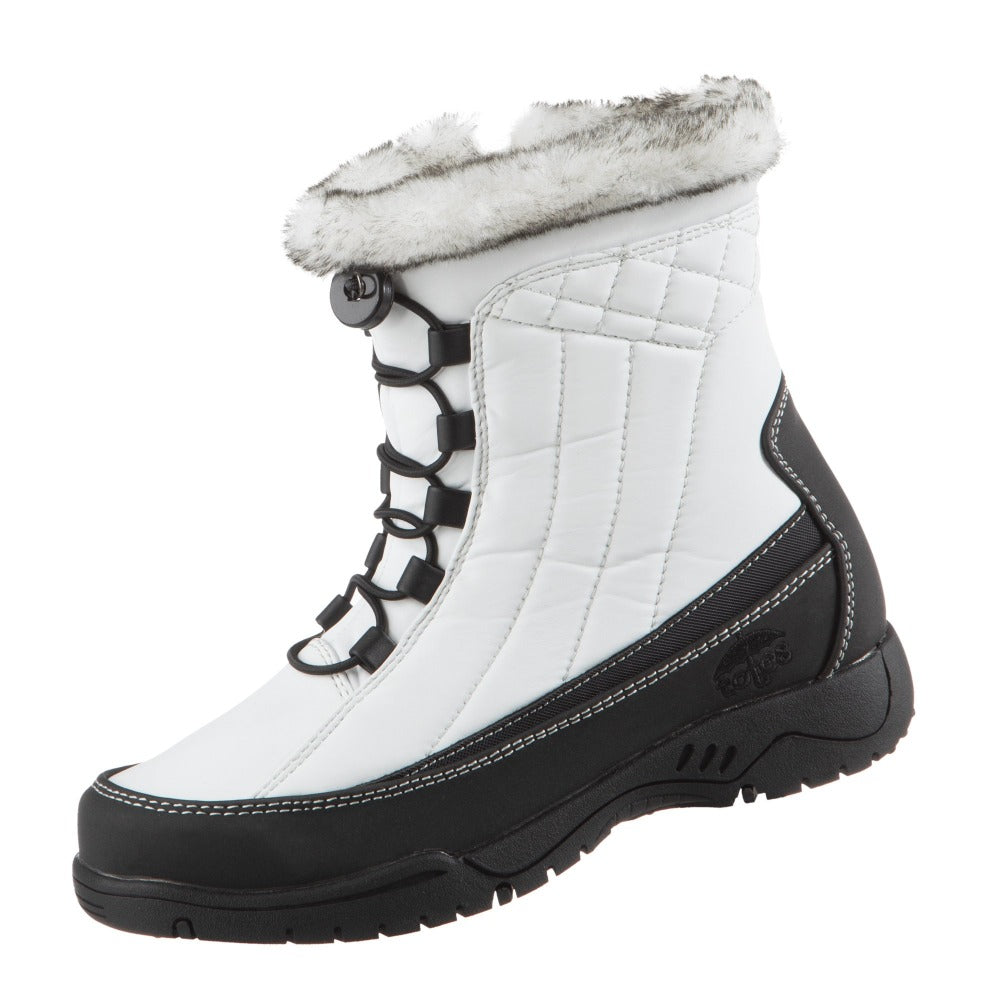
- Soles: Rubber soles with deep lugs shed snow and grip ice better than smooth soles.
- Shaft height: Taller boots keep snow out on deeper drifts. Short boots are fine for slush and city sidewalks.
Choosing a Totes model with all four features makes them more likely to handle snow well. If one or more features are missing, plan for limited use.
Performance in snow: traction, warmth, and waterproofing
Traction, warmth, and waterproofing are the core tests for winter boots. When people search “are totes boots good for snow” they want clear answers on these points.
Traction
Totes rubber soles give decent grip on wet surfaces and light snow. In icy conditions, their traction can be limited. Add ice cleats for steep or frozen surfaces.
Warmth
Insulated Totes models keep feet warm in cold city weather. They work best in mild to moderate cold. For extreme cold, professional cold-weather boots provide better insulation.
Waterproofing
Fully waterproof Totes boots prevent slush and wet from soaking socks. Water-resistant options will fail in deep snow or prolonged wet conditions. Check product tags or descriptions before you buy.
If you need boots for short trips, walking dogs, or shoveling, are totes boots good for snow in most neighborhood needs. For mountain hikes or long exposure in subzero temps, look at specialized cold-weather boots.

Real-world testing and my experience
I used Totes insulated boots through three winters in a northern city. I wore them for commutes, grocery runs, and light yard work. Here’s what I learned from direct use.
- Short walks and city sidewalks: Comfortable and warm up to 20–25°F. Traction was reliable on packed snow.
- Long exposure and deep snow: Wet snow seeped into low-cut models. I switched to taller, fully waterproof styles for depth over 6 inches.
- Icy patches: I felt the sole slip more than dedicated winter hiking boots. Adding slip-on microspikes fixed this.
Lessons learned
- Buy a taller, waterproof model for real snow.
- Match insulation level to your typical low temps.
- Use ice-cleats when temperatures create glazed ice.
My tests show that are totes boots good for snow if you pick the right style and use them within their limits.
How to pick the best Totes boot for snow
When deciding if are totes boots good for snow where you live, follow this checklist. It simplifies the choice and reduces regret.
- Identify your environment. City sidewalks vs deep backyards vs trails.
- Check waterproof rating. Look for sealed seams or waterproof membranes.
- Confirm insulation type and temperature rating. Layer socks, but expect limits.
- Choose sole tread. Deep lug patterns perform better in slush and soft snow.
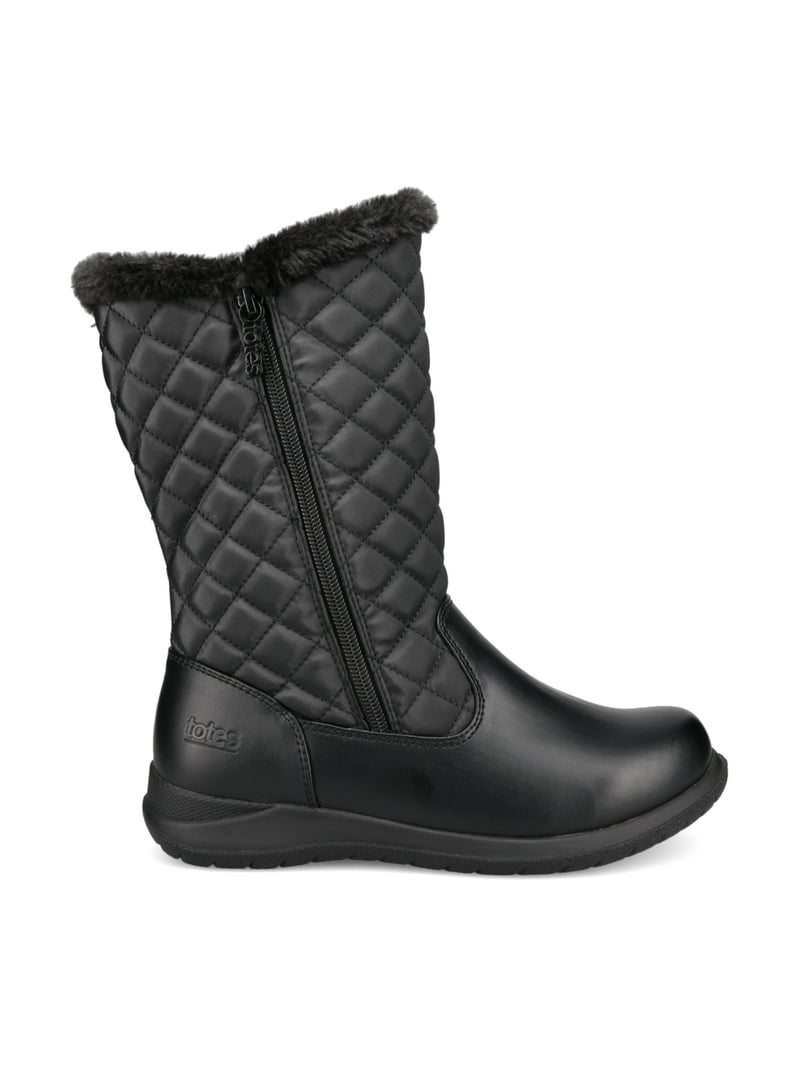
- Decide on shaft height. Taller shafts prevent snow entry.
- Fit and comfort. Leave room for thicker socks and a small amount of foot swelling.
PAA-style question: Which Totes features matter most for snow?
Pick waterproof construction, insulation, deep-tread soles, and a taller shaft for the best snow performance.
PAA-style question: Can I use Totes rain boots in snow?
Rain boots work in slush and brief exposures. They usually lack insulation for cold and can let snow melt water reach your socks.
Care and maintenance for winter longevity
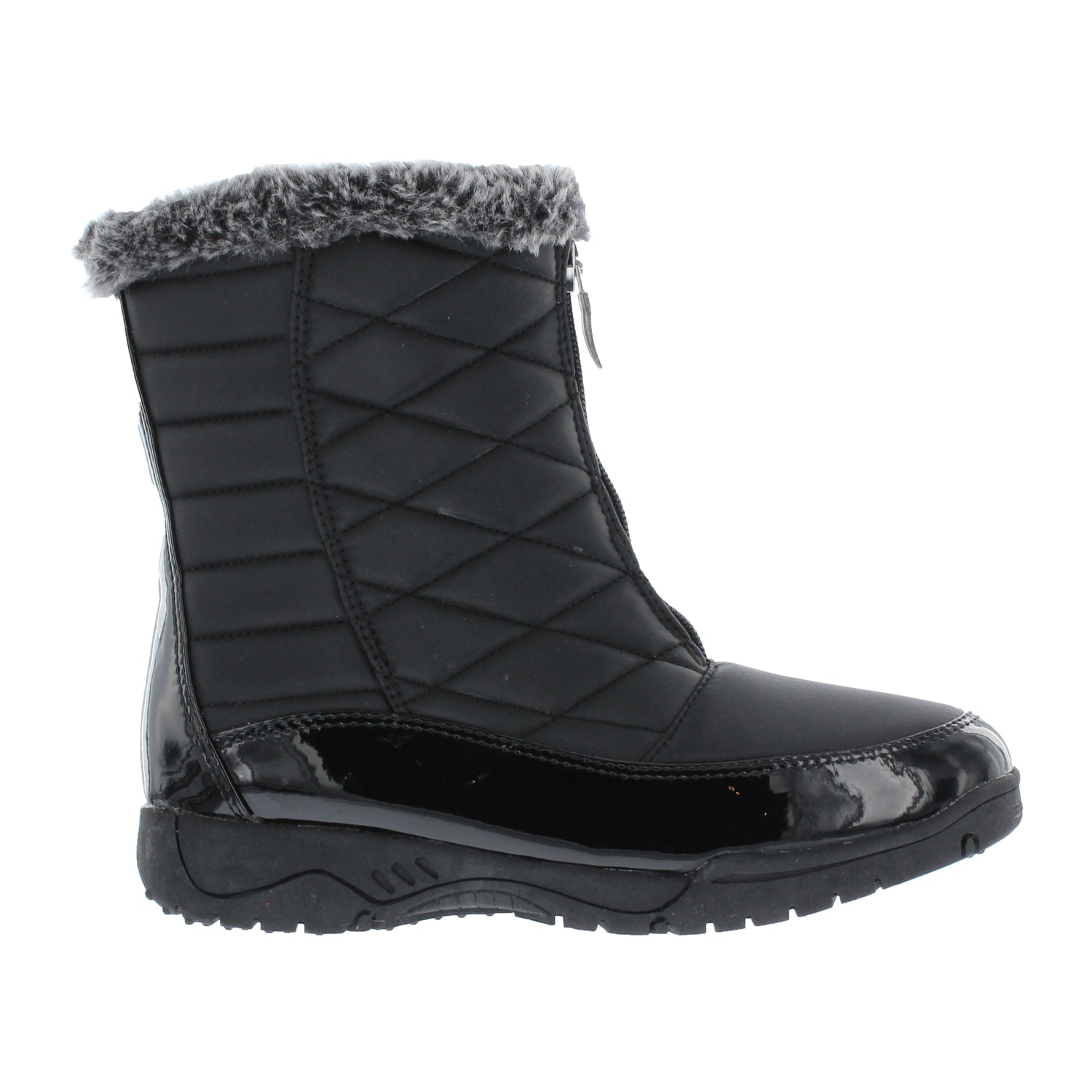
Keeping Totes boots in top shape extends their life and performance in snow. Simple care keeps them waterproof and safe.
- Clean off salt and slush after walks. Use warm water and a soft brush.
- Dry boots at room temperature. Avoid direct heat which can warp materials.
- Reapply waterproofing treatment recommended for the boot material.
- Inspect soles and seams for wear each season.
These steps help ensure your boots remain reliable when snow returns.
When Totes boots are not the best choice
There are clear limits. In these situations, you should not rely on Totes boots.
- Extended treks in deep snow or mountaineering.
- Long exposure in extreme cold below manufacturers’ insulation ratings.
- Heavy ice where specialized crampons or mountaineering boots are required.
If you need rugged winter protection, consider technical winter boots designed for those conditions. But for everyday winter tasks, are totes boots good for snow in many cases.

Frequently Asked Questions of are totes boots good for snow
Are Totes boots warm enough for snowy weather?
Many Totes models are insulated and keep feet warm in mild to moderate snow. For extreme cold, choose boots rated for lower temperatures or add insulated liners.
Can Totes boots handle deep snow?
Taller, waterproof Totes boots can handle moderate depths, but very deep snow risks letting slush in. For deep treks, specialized snow boots are safer.
Do Totes boots have good traction on ice?
Totes soles provide fair traction in wet snow, but they can slip on solid ice. Adding traction devices or microspikes improves safety on ice.
Are Totes rain boots suitable for snow?
Rain boots are fine for wet slush and short trips. They usually lack insulation and are not ideal for cold, prolonged snowy conditions.
How should I care for Totes boots after winter use?
Rinse off salt and dirt, dry at room temperature, and reapply a waterproofing product as needed. Regular checks for worn soles or seams keep them winter-ready.
Conclusion
Totes boots can be a solid, budget-friendly choice for light to moderate snow when you select insulated, waterproof models with good tread. They shine for daily winter tasks like commutes, brief errands, and shoveling. For deep snow, prolonged cold, or icy mountain travel, opt for specialized winter or mountaineering boots instead. Take time to match boot features to your conditions, care for them properly, and consider adding traction devices when needed. Try a waterproof, insulated Totes model if your winter needs are local and everyday, and leave a comment about your favorite winter boot experiences or subscribe for more winter gear guides.

Rubel Miah is the Senior Editor at MyStyleGrid.com, where he brings a sharp editorial eye and an unshakable love for fashion to everything he does. A true style addict, Rubel lives and breathes trends, from streetwear to high fashion, and has a knack for turning inspiration into impactful stories. With years of experience in fashion journalism and digital media, he curates content that empowers readers to express themselves through style. When he’s not editing features or forecasting the next big thing, you’ll find him hunting down vintage pieces or capturing street style moments around the city.