When you dream of climbing Mount Kilimanjaro, you probably picture the snow at the top, the long trails, and maybe even the feeling of stepping above the clouds. What many beginners forget at first, though, is this: nothing matters more on that mountain than your feet. And the truth is, the best women’s hiking boots for Kilimanjaro can make or break your entire trek.
I still remember the first time I packed for a high-altitude hike. I brought a pair of boots that looked tough, but after only a few hours on a rocky trail, I felt every sharp stone under my feet. The boots were stiff. They slipped on wet rock. Worst of all, they soaked through in the rain. I learned the hard way that the right boots are not just “gear”—they are survival tools.
Because Kilimanjaro throws a little bit of everything at you—dust, loose rock, mud, rain, ice, and freezing cold—you need boots that hold up at every step. In this guide, I’ll walk you through everything you need to know, the way I would explain it to a friend who’s planning her first climb. We’ll look at what features matter, how boots feel on real terrain, and which models have earned a place on this list after years of hikers testing them out.
Along the way, I’ll share a couple of my own trail moments—small things I learned that I wish someone had told me earlier. So, take a deep breath, settle in, and let’s find the best women’s hiking boots for your Kilimanjaro journey.
What You Need in the Best Women’s Hiking Boots for Kilimanjaro
Understanding Kilimanjaro Terrain
Kilimanjaro is a special mountain. It’s one of the few peaks where a beginner can reach the top with no technical climbing skills. However, that does not mean it’s easy. You cross through five different climate zones, and each one demands something different from your boots.
You’ll walk through:
- Dry, dusty paths
- Rocky ledges
- Muddy rainforest floors
- Loose scree and gravel
- Frozen ground near the summit
Because of this, women’s boots for mountain climbing must be strong, supportive, and waterproof. A good pair keeps you steady in mud and safe on slippery stones. It also keeps your feet warm when temperatures drop.
Many hikers underestimate how much the terrain changes on a single day. At breakfast, you might be standing in wet soil. By lunch, you’re climbing rock slabs. By late afternoon, you could be crossing icy patches. Your boots must handle all of it.
What Beginners Often Miss
If this is your first big trek, you might think hiking boots are all the same. I’ve met many first-time hikers who believe that as long as the boots say “waterproof,” they’re good to go. But there’s more to it.
Here’s what beginners often miss:
- Ankle support prevents twisting on loose ground.
- Good grip stops slips on wet rock.
- Breathable fabric reduces sweat, which reduces blisters.
- A strong midsole keeps sharp stones from bruising your feet.
- Lightweight boots help you walk longer with less effort.
Even small details matter, like the tongue design or how the laces hold tension. When the trail becomes steep, these tiny features make a big difference.
My First Time on a High-Altitude Trail
On one of my early mountain trips—not Kilimanjaro, but a climb with similar altitude—I made a mistake that still makes me laugh today. I wore boots that were “almost” broken in. They felt fine around town, so I thought they were ready.
Two hours into a steep trail, the boots started rubbing the back of my heel. By lunch, I had a blister the size of a coin. Even worse, the pain made me walk differently, which tired out my legs. This taught me something that I now tell every new hiker:
Your boots should feel like a natural part of you, not something you’re trying to get used to.
So, as we go through these boot options, keep in mind that comfort is not a luxury—it’s your foundation on Kilimanjaro.
Key Features You Need in Kilimanjaro Hiking Boots
To help you choose wisely, let’s look at the features that matter most on this mountain.
Waterproof Protection
Kilimanjaro has rain, mist, mud, and melting snow. Your boots must keep your feet dry. Wet socks lead to cold feet, which leads to blisters, slow walking, and even injury. Look for boots with a proven waterproof membrane, such as Gore-Tex or a trusted brand’s equivalent.
Strong Grip & Traction
Loose rocks and wet stones can be tricky. Boots with deep lugs (the rubber grooves on the sole) make a huge difference. When the trail turns icy, a good grip gives you the confidence to step forward without fear.
Light Weight for Long Walks
Heavy boots drain your energy. Because Kilimanjaro is a multi-day trek, lighter boots help you move with ease. This also helps keep your knees and ankles from working too hard.
Breathability & Comfort
Good airflow reduces sweat. Less sweat means fewer blisters. It also keeps your feet warm because moisture makes you cold quickly at high altitudes.
2.5 Boot Fit & Sizing Tips
Your boots should have:
- A snug heel
- Enough toe room for downhill walking
- No tight spots
A good tip: wear the same socks you’ll use on the trek when trying new boots.
This is where the best trekking boots for women shine—they balance comfort and durability better than casual hikers.
Top 5 Best Women’s Hiking Boots for Kilimanjaro (Expert Reviews)
Now that you know what matters, let’s look at the top boots trusted by hikers around the world. Each one has strong reviews, good durability, and features that match Kilimanjaro’s tough conditions.
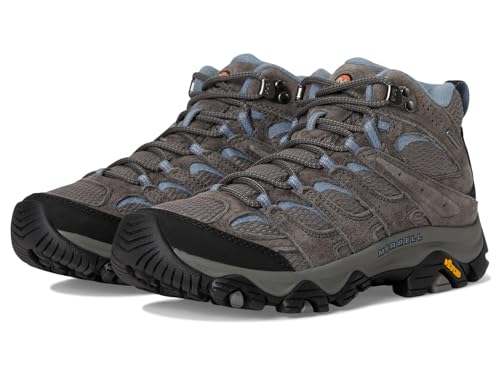
Merrell Women’s Moab 3 Mid Waterproof Hiking Boot

The Merrell Moab 3 Mid Waterproof is a long-time favorite among hikers. Many consider it the best balance of comfort, support, and durability for long, mixed-terrain treks. It has a breathable design, a cushioned footbed, and a sturdy outsole made to handle both wet and dry surfaces. This boot is especially good for women who want a reliable all-purpose hiking boot without a long break-in time.
Key Features
-
Waterproof membrane to keep feet dry
-
Vibram sole for strong traction
-
Breathable mesh to reduce sweat
-
Lightweight feel
-
Protective toe cap
Pros
-
Very comfortable right out of the box
-
Excellent grip on dusty and rocky trails
-
Good ankle support without feeling stiff
-
Durable enough for multi-day treks
Cons
-
Not the warmest boot for extreme cold
-
Slightly narrow fit for wide feet
-
May need thicker socks in colder zones
My Recommendation
If you’re new to long treks and want a boot you won’t struggle with, the Moab 3 is a strong choice. I’ve used earlier versions on several trips, and what I love most is how they feel from day one. They don’t fight your foot—they work with it. This makes them ideal for long days on Kilimanjaro.
Columbia Womens Newton Ridge Plus Waterproof

The Columbia Newton Ridge Plus Waterproof Amped is one of the most popular boots among beginner hikers. It’s stylish, supportive, and tougher than it looks. This boot blends full-grain leather with breathable mesh, giving you solid waterproof protection while still letting air move. Many women choose this boot because it delivers excellent value without sacrificing performance on mountain terrain.
Key Features
-
Waterproof seam-sealed construction
-
Lightweight Techlite midsole for comfort
-
Omni-Grip rubber outsole for solid traction
-
Leather and mesh upper for durability
-
Classic mid-cut height for ankle support
Pros
-
Very durable build
-
Stays dry even in steady rain
-
Good cushioning for long walking days
-
Works well for narrow or standard feet
-
Stylish colors that look good on and off the trail
Cons
-
Break-in period may take a few days
-
Can feel a little warm in humid zones
-
Not ideal for very wide feet
My Recommendation
If you want a boot that’s dependable and budget-friendly, this one delivers. I often recommend it to first-time Kilimanjaro hikers because the support and waterproofing are so reliable. During one of my earlier treks, I remember seeing a hiker wearing these boots step into a deep mud patch. While the rest of us stopped in fear, she simply walked through and kept going—her socks stayed dry. That’s the kind of trust you want in your boots.
Columbia Womens Newton Ridge Lightweight Waterproof Hiking Boot

This model is a lighter version of the classic Newton Ridge. If you’re someone who prefers a boot that feels almost like a running shoe but still offers the strength needed for rocky terrain, this boot is worth a look. It’s comfortable, breathable, and supportive, making it ideal for long walking days on Kilimanjaro.
Key Features
-
Lightweight build for less fatigue
-
Waterproof membrane
-
Soft cushioning with Techlite midsole
-
Grippy Omni-Grip outsole
-
Padded collar for comfort
Pros
-
Very light on the feet
-
Great for high-mileage days
-
Breathes well in warm zones
-
Comfortable enough for daily wear before the trek
-
Quick drying if it gets wet
Cons
-
Less rigid than a heavy-duty boot
-
Thin insulation; not ideal for freezing zones
-
Fit may run slightly narrow
My Recommendation
If you’re worried about heavy boots slowing you down, this pair might feel like a relief. Lightweight hiking boots for women are a great choice for beginners who want comfort first. However, you may need thicker socks near the summit since this model isn’t very insulated. Still, for the majority of the trek, this boot performs wonderfully.
Nortiv 8 Womens Waterproof Hiking Boots

The NORTIV 8 Women’s Waterproof Hiking Boot is a strong, affordable option for hikers who want dependable performance without a big price tag. It’s designed for rugged trails and offers solid ankle support, good traction, and a clean waterproof design. Many hikers love this boot because it performs far above its price.
Key Features
-
Waterproof membrane
-
Shock-absorbing sole
-
Mid-cut height for ankle support
-
Rubber outsole for grip
-
Cushioned insole for comfort
Pros
-
Excellent value for the price
-
Tough exterior built for rough terrain
-
Good ankle stability
-
Comfortable for long days
-
Eye-catching color options
Cons
-
Slightly heavier than premium boots
-
Break-in period needed
-
Less breathable in humid conditions
My Recommendation
If you’re building your gear on a budget, this boot is a smart pick. On one of my group hikes, a woman wore NORTIV 8 boots for the entire ascent, and she said they felt solid on rocks and roots. She did recommend breaking them in early, though, so don’t take brand-new boots to Kilimanjaro. With some prep, this model works very well for mixed terrain.
KEEN Women’s Targhee 4 Mid Height Waterproof Hiking Boot
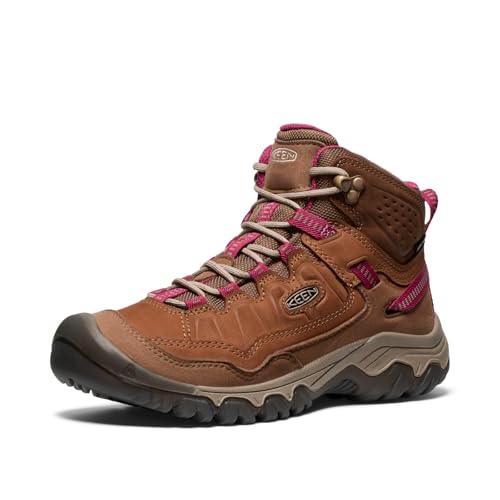
KEEN has a reputation for comfort, and the Targhee 4 is a great example. This boot is durable, supportive, and surprisingly light. It has a roomy toe box that many women love, especially on long descents where toes tend to bump the front. If you want a boot that gives comfort and stability all day long, this model stands out.
Key Features
-
KEEN.DRY waterproof membrane
-
High-traction rubber outsole
-
Shock-absorbing midsole
-
Wide toe box design
-
Reinforced heel support
Pros
-
Great for wider feet
-
Comfortable from day one
-
Strong grip on rock and mud
-
Reliable waterproofing
-
Lightweight feel for long treks
Cons
-
Not ideal for very narrow feet
-
Looks slightly bulky
-
Higher price range
My Recommendation
If comfort is your top priority, especially for long days, the Targhee 4 is a winner. Women who get blisters easily love this boot because the wide toe box gives your feet space to move naturally. It’s also one of the best choices for hikers who want a stable but not-too-heavy boot.
Side-by-Side Product Comparison Table
| Boot Name | Weight | Waterproof Level | Grip Strength | Comfort Rating | Best For | Price Range |
|---|---|---|---|---|---|---|
| Merrell Moab 3 Mid | Light | Strong | Great | High | All-around trekking | Medium |
| Columbia Newton Ridge Plus | Medium | Strong | Good | High | Beginners & budget | Low–Medium |
| Columbia Newton Ridge Lightweight | Very Light | Medium–Strong | Good | Very High | Long daily hikes | Medium |
| NORTIV 8 Waterproof Boot | Medium–Heavy | Strong | Good | Medium–High | Budget hikers | Low |
| KEEN Targhee 4 Mid | Light | Strong | Excellent | Very High | Comfort-focused hikers | Medium–High |
How to Break In Your New Hiking Boots
Breaking in your boots before Kilimanjaro is one of the most important steps you can take. Even the best women’s hiking boots for Kilimanjaro need time to shape to your feet. New boots can rub, pinch, or feel stiff, and the mountain is not the place to find that out.
Here’s a simple break-in plan:
- Wear your boots indoors for a few days.
- Walk around your neighborhood for short trips.
- Add weight—try a backpack.
- Go on a small local hike.
- Wear your Kilimanjaro socks with them.
This slow process helps the boot soften up and adjust to your stride.
What to Wear with Your Hiking Boots on Kilimanjaro
Sock Choice
Your socks matter as much as your boots. Good hiking socks keep your feet dry and warm. Wool socks are great because they pull sweat away from your skin.
Lacing Tips
If your boots feel too tight, adjust the laces before you feel pain. You can loosen the top or tighten the middle, depending on what feels best.
Foot Care at Camp
At the end of each day:
- Remove your boots and socks
- Let your feet air out
- Check for hot spots
- Apply a small bit of foot cream if needed
Your feet carry you the whole way. Treat them well.
My Personal Tips After Years on Trails
Over the years, I’ve learned that choosing the best women’s hiking boots for Kilimanjaro is just the first step. How you use them, care for them, and trust them matters even more. I want to share a second personal moment because it taught me a lesson I still carry today.
On one trek—not Kilimanjaro, but a long, cold hike through another mountain range—I started my morning feeling confident. The sky was clear, the pace was easy, and I felt strong. But an hour later, the weather changed. The trail turned muddy, the wind picked up, and everything became slippery. I slipped twice before I even realized it.
Then one of my guides said something simple: “Slow down. Trust your boots.”
I listened. I took smaller steps. I placed my feet with purpose. And suddenly, the trail felt easy again. It reminded me that good boots are not magic—they are tools. You still have to use them wisely. That’s something I tell every new hiker on their first big trek.
Here are some of my tips from years of experience:
- Walk slow and steady. Fast steps lead to slips.
- Check your laces often. Loose laces can cause ankle rolls.
- Clean your boots at camp. Dust and mud can weaken materials.
- Let your insoles dry overnight. It keeps your feet warm the next day.
- Never ignore small pain. Fix it before it becomes a blister.
These simple habits can turn a hard trek into a joyful one. And when the terrain gets rough or the weather changes fast—as it often does on Kilimanjaro—you’ll feel ready.
Using the right women’s hiking gear for Kilimanjaro helps, but using it well is the true key to a safe, enjoyable journey.
FAQs
Below are helpful answers to the most common beginner questions. Each one is written in simple language and gives you clear guidance.
1. Are waterproof boots required for climbing Kilimanjaro?
Yes, waterproof boots are important because the trail has rain, mud, and sometimes snow. Dry feet help prevent blisters and keep you warm on long days. Waterproof boots also give you more comfort as you move through changing terrain.
2. How long does it take to break in hiking boots before Kilimanjaro?
Most boots need at least two weeks of real use to break in well. This includes short walks, stair climbing, and small hikes. Breaking them in slowly helps your feet adjust so you feel no pain on the mountain.
3. Can beginners use lightweight boots on Kilimanjaro?
Yes, beginners can use lightweight boots if they offer good ankle support, grip, and waterproofing. Lightweight hiking boots for women can make long days feel easier because they reduce leg fatigue on steep paths.
4. Which boots give the best grip on loose rocks and scree?
Boots with deep tread patterns and rubber soles, like the KEEN Targhee 4 or the Merrell Moab 3, grip well on loose rock. These soles help you stay balanced even on tricky sections of the trail.
5. What is the most comfortable boot for long treks?
Comfort depends on your foot shape, but many hikers say the KEEN Targhee 4 and Columbia Newton Ridge Lightweight models feel great for long hours. Both offer soft cushioning and a smooth ride on uneven trails.
6. Should I size up my boots for Kilimanjaro?
Some hikers size up by half a size to make room for thick socks and foot swelling. When trying boots, make sure you have enough toe space so your toes do not hit the front during downhill sections.
7. Do I need insulated boots for the summit?
Insulated boots are not required for Kilimanjaro because you will not be on snow for long. Warm socks and good waterproofing keep your feet warm enough. Most mid-cut waterproof boots work well for summit night.
8. Are leather boots better than synthetic boots for Kilimanjaro?
Both leather and synthetic boots work well. Leather is tougher and lasts long, while synthetic boots are lighter and breathe better. Your choice depends on comfort, weight preference, and how warm your feet run.
9. How many pairs of socks should I bring for the trek?
Bring at least three pairs of wool or moisture-wicking socks. Change them often to keep your feet fresh. Dry socks help prevent cold feet, blisters, and skin irritation after long days.
10. What should I do if my boots get wet during the trek?
Remove the insoles and let them air dry inside your tent. Avoid direct heat because it can damage materials. Drying them slowly prevents cracks in the fabric and helps keep your boots in good shape.
Conclusion
Climbing Kilimanjaro is a beautiful challenge, and choosing the best women’s hiking boots for Kilimanjaro helps you enjoy every step of it. With the right boots, you walk with confidence. You stay safe on rocky paths. You stay warm at higher camps. And you keep going, even when the trail gets tough.
Remember this: your boots are more than gear. They are your partners on the journey. They protect you, support you, and help you reach the summit with a smile. Whether you choose the Merrell Moab 3, Columbia Newton Ridge, NORTIV 8, or KEEN Targhee 4, trust your boots and trust yourself.
You are stronger than you think. With good boots and a steady pace, the top of Africa is closer than you imagine.

Madison Clark is a footwear expert and the voice behind MyStyleGrid.com. She specializes in honest shoe reviews, style tips, and practical guides to help readers find the perfect pair for any occasion. With years of experience in blogging and content creation, Madison makes footwear knowledge simple, stylish, and easy to follow.