Have you ever wondered if your favorite Birkenstocks clogs can handle getting wet? Whether you’re caught in a sudden rain shower or planning a day by the water, knowing how your clogs react to moisture is crucial.
You don’t want to ruin your comfort or style because of water damage. I’ve worn Birkenstocks clogs in light rain, on damp grass, and even near the beach. With the right care, they hold up well. In this guide, I’ll share what has actually worked for me and what the brand materials are designed to handle. You’ll discover everything you need to know about wearing Birkenstocks clogs in wet conditions and how to care for them afterward. Keep reading to protect your shoes and keep them looking great no matter what the weather throws at you.
Material Features Of Birkenstocks
Birkenstocks clogs are known for comfort and durability. Their materials play a big role in how they handle water. Understanding these materials helps you care for your clogs better. Each part has unique features that affect water resistance and wear. I’ll break down what gets along with water and what does not.
Cork Footbed Characteristics
The footbed is made from natural cork and latex. Cork is lightweight and molds to your foot over time. It absorbs shock and provides strong arch support. That custom feel is why we love them.
Cork can get damaged by too much water. Prolonged wetness may cause the cork to swell, crumble, or lose shape. The seal around the cork edge guards it, but it wears down with use. Drying them quickly helps keep the cork in good condition. I re-seal the edges when I see them turning dull or dry.
Leather And Suede Uppers
Leather and suede are popular upper materials for Birkenstocks. They look stylish and feel soft. These materials absorb water easily. Water can cause stains and make leather stiff. Suede is more delicate and can lose texture or nap. Oiled or nubuck leather handles light moisture better than untreated suede, but both still need help.
Using a waterproof spray can protect them from light moisture. I use a water and stain repellent before rainy months and after cleaning. It makes a real difference with splashes and damp sidewalks.
Synthetic Material Options
Birkenstocks also use synthetic materials like EVA, PU (polyurethane), Birko-Flor, and Birkibuc. These materials resist water well. They dry fast and do not absorb moisture. Synthetic uppers are easy to clean after getting wet.
If you want clogs for the garden, kitchen, or beach, synthetic is your friend. EVA and PU models feel carefree in wet environments. I reach for those when I know puddles are in my day.
Effects Of Water Exposure
Water exposure affects Birkenstocks clogs in many ways. It can change the materials and reduce the shoe’s life. Knowing these effects helps you care for your clogs better. Each part of the clog reacts differently to water. Let’s explore how water impacts the cork, leather, and synthetic parts, and what I do when mine get wet.
Impact On Cork Longevity
Cork is the base of many Birkenstocks clogs. Water makes cork swell and lose shape. Over time, wet cork can crack or crumble. The cork’s protective seal may wear off faster. This causes your clogs to feel less comfortable and stable. Keeping cork dry helps it last longer and stay firm.
My rule: if cork gets wet, I towel it off and let it air dry the same day. Then I inspect the cork edge. If it looks thirsty, I apply a thin layer of cork sealer to lock moisture out.
Leather Damage Risks
Many Birkenstocks clogs use leather straps. Water weakens leather fibers and causes stains. Wet leather dries stiff and may crack easily. It can also lose its color and smooth look. Leather that gets wet often will wear out fast. Treating leather with water repellents protects it well.
When I get caught in rain, I stuff the clogs with paper and use a leather conditioner once they’re dry. This keeps the straps soft and prevents that chalky look.
Consequences For Synthetic Parts
Synthetic materials in Birkenstocks are usually more water-resistant. Still, constant water exposure can cause problems. Glue holding parts together may loosen or dissolve. Some synthetic surfaces may peel or fade over time. Water can also create an environment for mold or odor. Proper drying after contact with water is important.
Synthetics are easy to rinse and wipe. I avoid harsh chemicals and stick to mild soap and water. Quick drying avoids odor and keeps the footbed fresh.
Safe Wet Conditions For Birkenstocks
Birkenstocks clogs are made to last. They handle some water but need care. Knowing safe wet conditions helps keep them in good shape. Avoiding too much water prevents damage and discomfort. I think of “quick damp” as fine and “soaked through” as a no-go for cork and leather models.
Brief Water Contact
Birkenstocks can handle quick splashes of water. Brief contact with water will not harm them. Walking through a small puddle for a few seconds is fine. Dry them off soon to keep them safe. I’ll pat mine dry with a towel as soon as I’m inside.
Avoiding Submersion
Never soak Birkenstocks in water. Submerging them can ruin the cork footbed and leather. Water can cause the materials to weaken and break. Keep them away from deep water or long wet periods. Pools, showers, or heavy storms call for EVA or PU models instead.
Use In Rain And Damp Environments
Wearing Birkenstocks in light rain is okay. Wet grass or damp sidewalks do not cause harm. After use, dry them naturally in air, away from heat. This helps maintain their shape and comfort. I avoid heavy downpours with leather pairs and switch to my EVA or PU clogs.

Credit: www.reddit.com
Drying Techniques After Getting Wet
Birkenstocks clogs can get wet during daily use. Knowing how to dry them properly helps keep them in good shape. Wet clogs need careful handling to avoid damage. Follow these drying techniques for the best results. These simple steps have saved my pairs more than once.
Removing Excess Moisture
Start by removing extra water from your clogs. Use a soft towel to pat the surface gently. Press the towel inside to soak up moisture. Avoid rubbing hard as it may harm the material. Do this step soon after your clogs get wet.
- Swap damp paper or towels every hour until they feel only slightly damp.
- Remove the insole if it’s a removable type (for PU clogs) and dry it separately.
- If you picked up salt or mud, wipe with a damp cloth right away.
Proper Air Drying Methods
Place your clogs in a cool, well-ventilated spot. Let air flow around them to help dry evenly. Stuff the inside with newspaper to absorb moisture faster. Change the newspaper every few hours. Keep the clogs away from direct sunlight to protect the color.
A small fan nearby speeds things up without heat. I avoid windowsills with strong sun. Slow and steady drying keeps the cork and leather happy.
Avoiding Heat Sources
Do not use heaters, hair dryers, or ovens to dry your clogs. High heat can warp the cork and damage the footbed. It can also shrink or crack the leather straps. Stick to natural air drying for a longer lifespan of your Birkenstocks clogs.
Special Cases: Rain, Beach, Pool, And Snow
Light rain: towel dry and air dry. Beach or saltwater: rinse with fresh water first, then dry. Pools: avoid with leather and cork; chlorine is harsh. Snow and slush: salt stains leather and dries out cork—wipe, dry, and condition. I keep a “wet-weather” pair so my main leather clogs stay pristine.
Maintenance Tips To Protect Your Clogs
Birkenstocks clogs are built for comfort but need care to stay in good shape. Protecting them from water damage is key. Proper maintenance helps keep your clogs durable and looking nice.
Taking simple steps after your clogs get wet can extend their life. This section shares easy tips to clean and protect your Birkenstocks. I use these habits year-round.
Cleaning After Water Exposure
Dry your clogs gently with a soft cloth. Avoid direct heat like hair dryers or radiators. Use a damp cloth to wipe off dirt or salt stains. Let them air dry in a cool, shaded place. Do not soak the clogs in water. This prevents damage to the cork and leather parts.
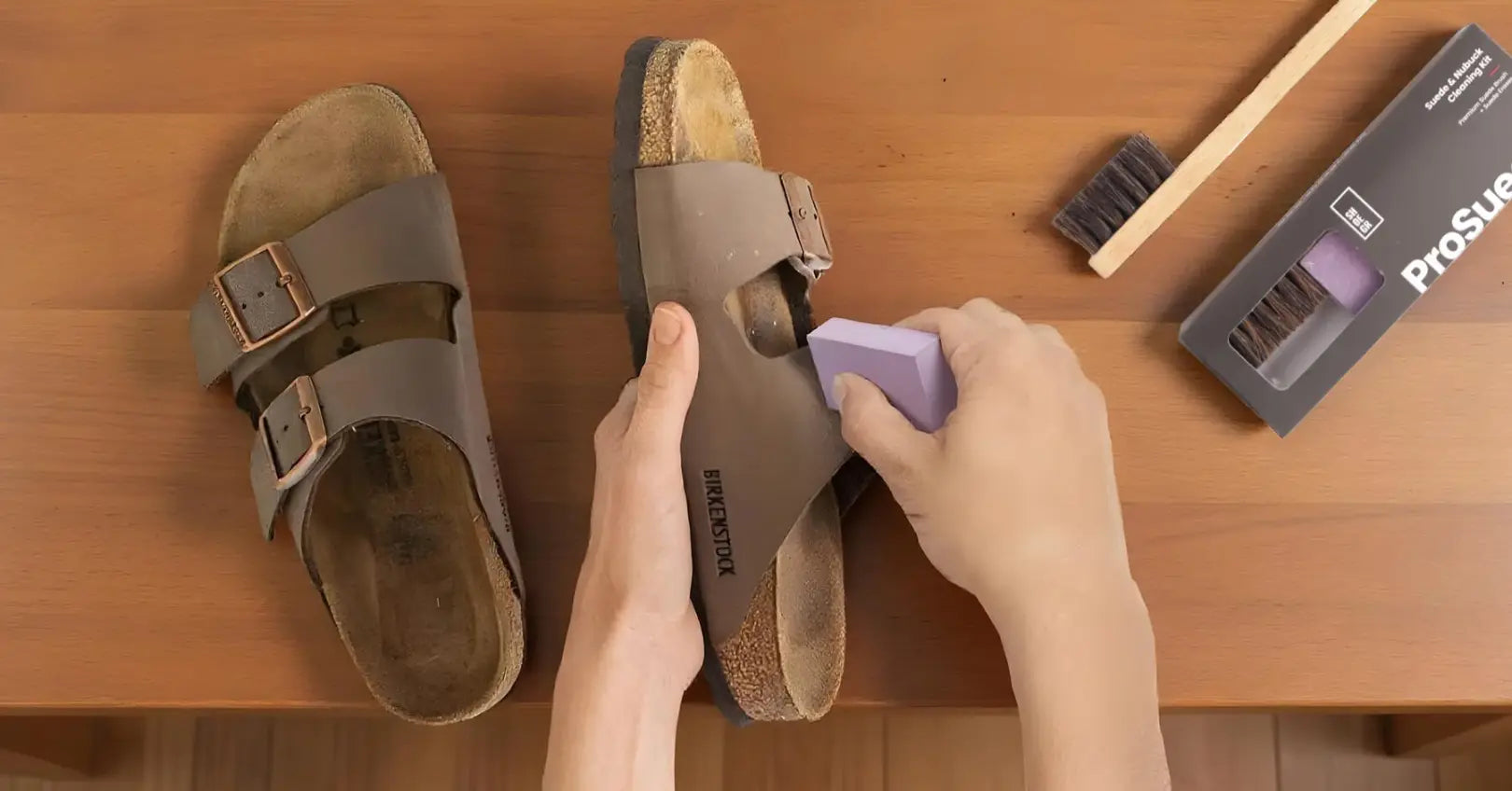
- For suede: brush with a suede brush once dry to restore texture.
- For footbeds: a soft brush and a mix of mild soap and water lifts grime. Wipe and air dry.
- For odors: sprinkle baking soda on the footbed overnight, then brush off.
Applying Protective Treatments
Use a cork sealer to protect the footbed edges. Apply leather conditioner on leather straps to keep them soft. Avoid silicone sprays on cork, as they can cause damage. Protective sprays help repel water and stains. Repeat treatments every few months for best results.
My routine: repel, wear, spot clean, then re-seal the cork when it looks dry. This takes minutes and pays off with longer life and better looks.
Regular Care For Longevity
Store your clogs in a dry, cool place. Keep them out of direct sunlight to avoid fading. Check the soles and cork regularly for wear. Replace footbeds if they start to crack or crumble. Clean your clogs often to prevent buildup of dirt and sweat.
- Rotate pairs if you wear them daily so the cork can rest and dry.
- Use shoe trees or paper stuffing to help straps keep their shape.
- If you see the cork edge darkening from moisture, re-seal it soon.
Credit: www.reddit.com
When To Seek Professional Help
Knowing when to seek professional help for your Birkenstocks clogs is important. Water exposure can cause hidden damage. Early action can save your shoes and money. Some issues are tough to fix at home. Professionals can assess and repair properly.
Signs Of Water Damage
Look for discoloration on the leather or cork. The material may feel stiff or brittle. Notice any swelling or warping in the sole. Foul smells can also indicate water damage. Loose stitching or separation of layers is a warning sign.
Repair Options
Professionals can clean and condition the leather. Cork fillers restore damaged footbeds. Re-gluing or stitching fixes loose parts. Some repairs extend the life of your clogs. Expert care ensures the shoe keeps its shape and comfort.
Replacement Considerations
Severe water damage may need replacement. Deep cracks or worn soles limit repair success. If comfort and support fade, new clogs are best. Consider the cost of repairs versus a new pair. Proper care helps avoid early replacement.
Credit: www.shoegr.com
Best Birkenstock Models For Wet Environments
Some Birkenstocks handle water far better than others. If you expect rain, garden work, or kitchen floors, choose models built for it. I keep these on standby for wet days.