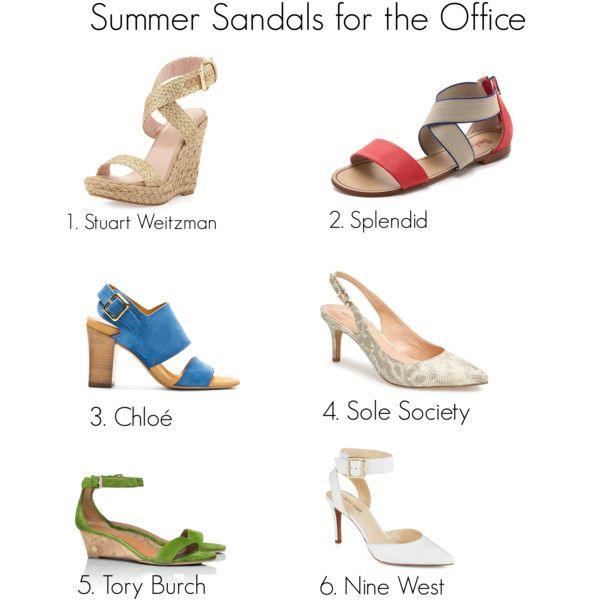
Yes, you can wear sandals to the office when they match your workplace dress code and look polished.
The answer depends on your industry, office culture, sandal style, and daily schedule. This guide explains when office sandals work, which styles look professional, and how to avoid common dress code mistakes.
Can You Wear Sandals to the Office?
Yes, you can wear sandals to the office in many workplaces. However, sandals are not suitable for every professional setting. A creative agency may welcome refined leather sandals, while a law firm, medical facility, or construction site may require closed-toe shoes.
The key is not simply whether the shoe has an open toe. The real question is whether the sandal looks clean, secure, polished, and suitable for your role.
Before wearing sandals to work, consider:
• Your company dress code
• Your industry and job duties
• Your meetings and client contact
• The sandal’s material, shape, and condition
• Safety rules in your building or work area
When people ask, “Can you wear sandals to the office?” the most accurate answer is: sometimes. Office sandals should look intentional, not like beach footwear brought into a professional setting.
When Are Sandals Appropriate at Work?
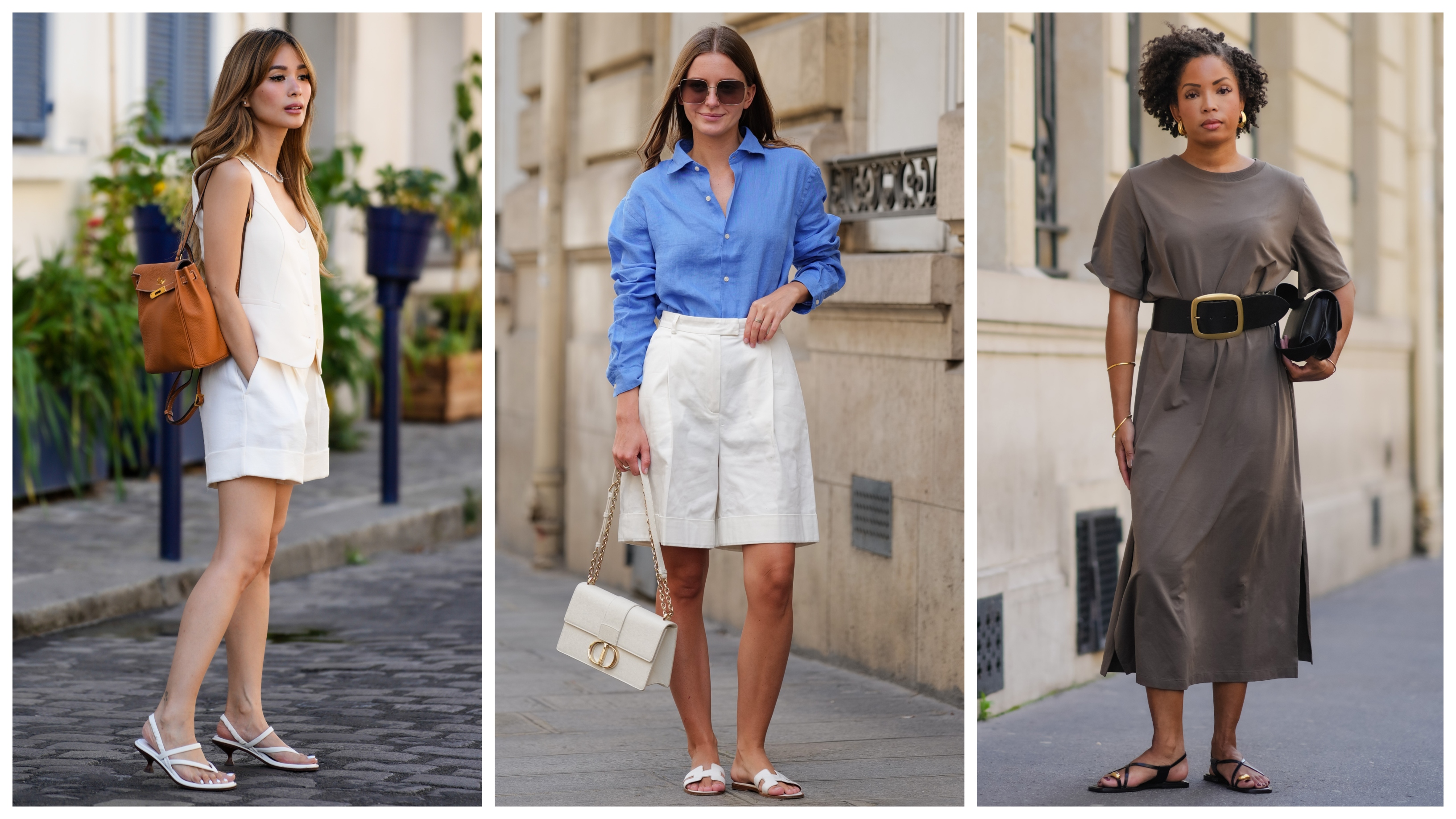
Sandals are usually more acceptable in business casual, casual, creative, and warm-weather offices. They may also work in workplaces with flexible dress policies or a relaxed company culture.
Still, workplace culture can vary from one team to another. A company may allow sandals on Fridays but expect more formal shoes during presentations or client visits.
Sandals are often suitable when:
• Your employee handbook allows open-toe shoes
• Your office has a casual or business casual dress code
• You work in a warm climate
• You have limited client-facing duties that day
• The shoes are neat, secure, and in good repair
Sandals are less suitable when:
• You work in a formal corporate environment
• You attend court, interviews, board meetings, or formal presentations
• You work near machinery, chemicals, tools, or heavy equipment
• Your office has strict footwear safety rules
• You need to project a highly traditional business image
When in doubt, look at what respected managers and senior employees wear. This gives you a useful picture of the real dress code, which may be stricter or more relaxed than the written policy.

What Types of Sandals Look Professional?
The best office sandals have a clean design, firm structure, and refined materials. They should support your feet and stay secure as you walk.
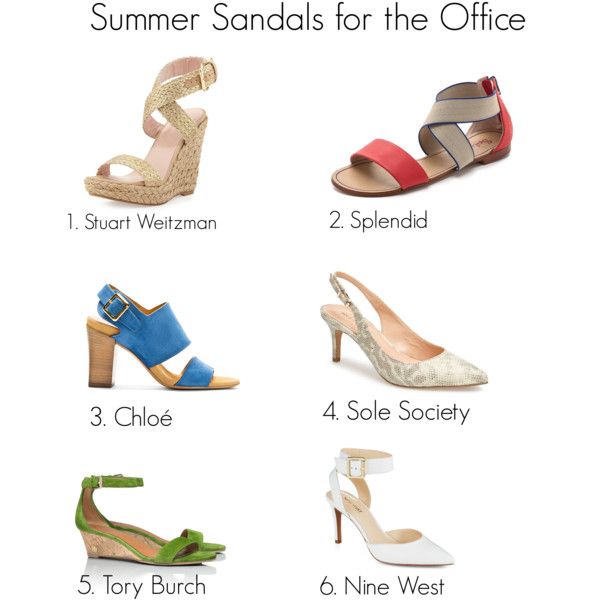
Professional-looking options include:
Leather Slide Sandals
A simple leather slide can work with wide-leg trousers, ankle pants, or a midi dress. Choose a structured pair with a wide strap and a smooth finish.
Avoid very soft pool slides. They often look too casual and may make noise on hard floors.
Back-Strap Sandals
A back strap adds support and makes the shoe look more polished. It also helps keep the sandal on your foot while you walk through the office.
This style works well with tailored pants, skirts, and simple work dresses.
Low-Heeled Sandals
A low block heel can make sandals look more formal without sacrificing comfort. Neutral colors such as black, tan, brown, and navy are easy to style.
A modest heel also helps create a balanced look when you wear relaxed or loose clothing.
Minimalist Flat Sandals
Flat sandals can be office-ready when they have a neat shape and refined details. Look for slim straps, quality materials, and a firm sole.
Avoid styles with large flowers, plastic decorations, beach beads, or bright resort patterns.
Closed-Toe Sandals
A peep-toe or partially closed sandal offers a useful middle ground. It gives you airflow while maintaining a more formal appearance.
This option can be helpful when you are unsure whether open-toe shoes will feel too casual.
Which Sandals Should You Avoid at the Office?
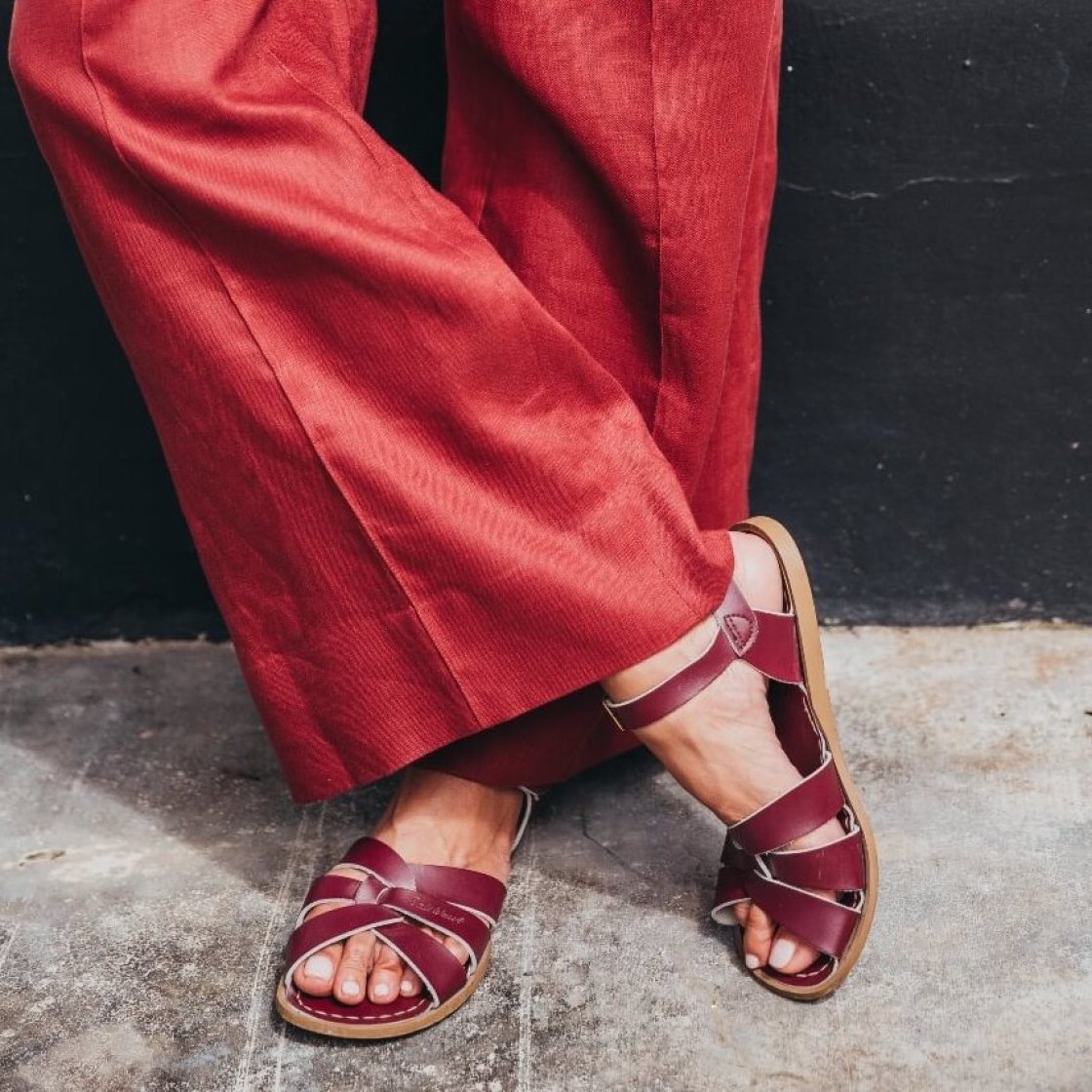
Some sandals send a clear vacation message. They may be comfortable, but they do not always fit a professional setting.
Avoid wearing these styles to most offices:
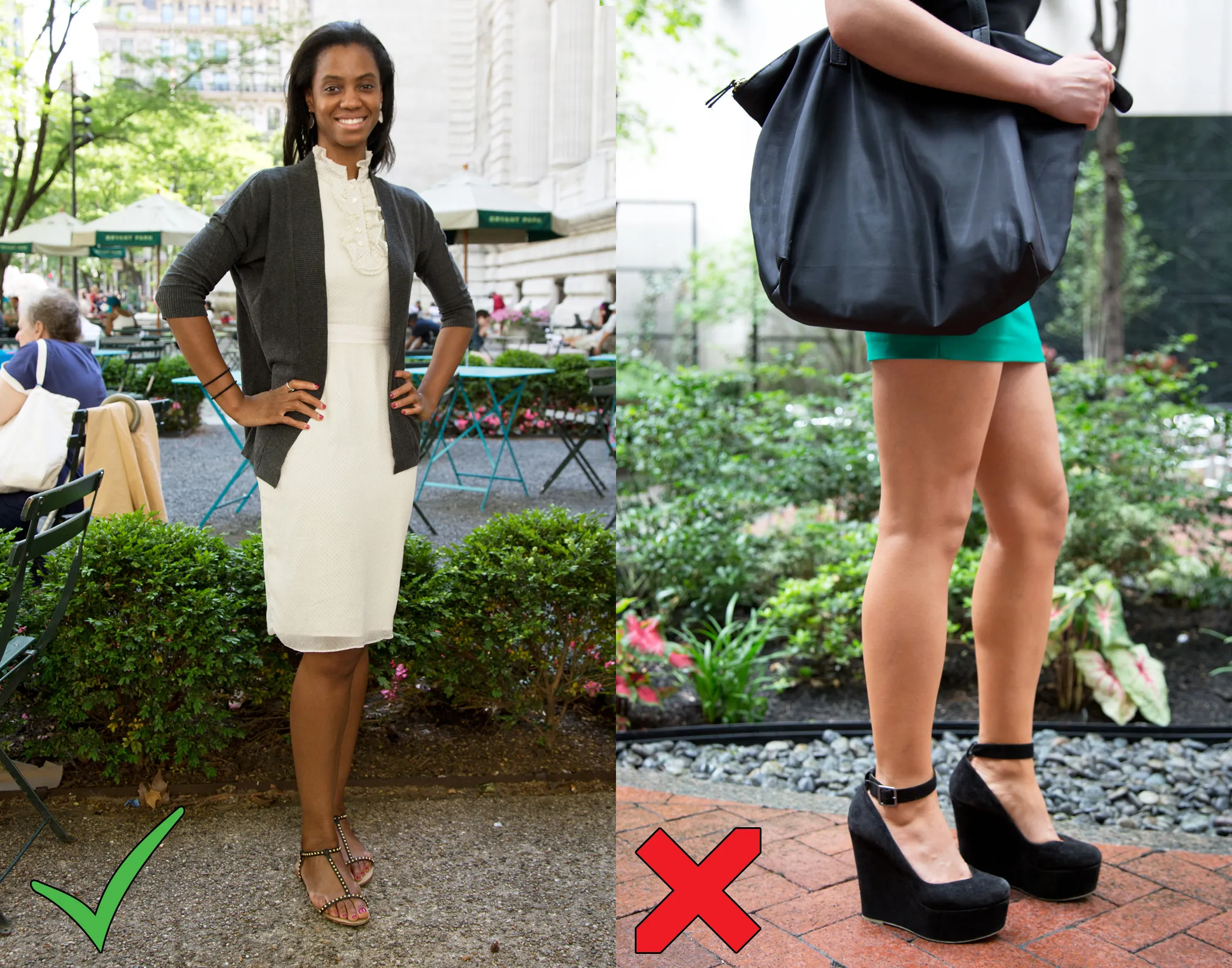
• Rubber flip-flops
• Pool slides
• Worn-out foam sandals
• Beach sandals with thin straps
• Sport sandals with bulky fasteners
• Very high platform sandals
• Shoes with excessive glitter or decoration
• Sandals that make loud slapping sounds
• Styles with cracked soles or damaged straps
Flip-flops are the biggest concern. They provide little support, expose most of the foot, and often create a casual beachwear look. Even if your workplace allows sandals, flip-flops may still appear careless.
A useful rule is to ask whether you would wear the shoes to an important lunch with your manager. If the answer is no, choose a more polished pair for work.
How to Style Sandals for the Office
The rest of your outfit determines whether office sandals look professional. A polished shoe cannot fully balance wrinkled clothing or an overly casual outfit.
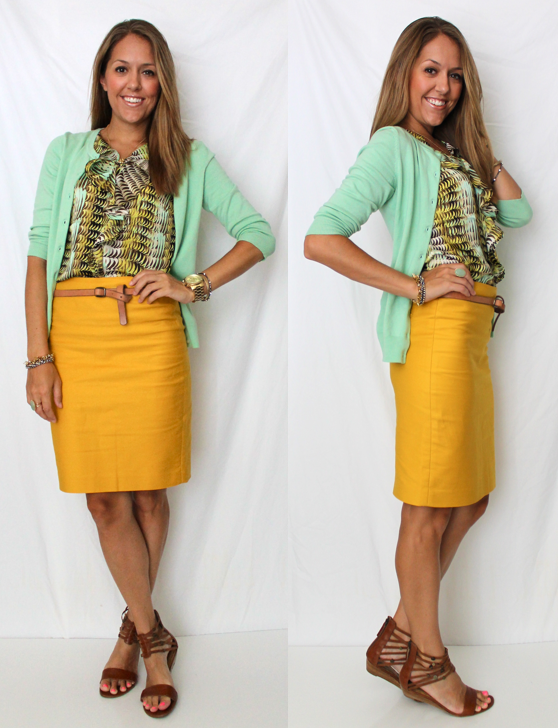
Try these combinations:
• Leather sandals with tailored ankle pants and a tucked-in blouse
• Back-strap sandals with a midi skirt and lightweight blazer
• Low-heeled sandals with a simple sheath dress
• Minimal flat sandals with wide-leg trousers and a fitted knit top
• Neutral sandals with dark jeans, a button-down shirt, and a structured jacket, if jeans are allowed
Color matters, too. Black, tan, cognac, cream, and dark brown are easy choices. Bright colors can work in creative workplaces, but keep the rest of the outfit simple.
Your accessories should support the look. A structured handbag, simple jewelry, and neat grooming can make relaxed footwear feel more deliberate.
How to Make Office Sandals Look More Professional
Professional style often comes down to small details. The same sandals can look polished with tailored clothing or too casual with shorts and a wrinkled T-shirt.
Use these practical tips:
-
Choose quality materials. Leather, suede, and well-made synthetic materials usually look more refined than thin plastic.
-
Keep sandals clean. Wipe away dust and check the soles before wearing them to work.
-
Check the fit. Your toes and heel should not hang over the edges.
-
Pick secure straps. A sandal that slips or twists can look careless and may cause a fall.
-
Keep toenails neat. Open-toe shoes naturally draw attention to your feet.
-
Match the formality. Dressier clothing calls for simple, elegant sandals rather than sporty styles.
-
Carry a backup pair. Keep closed-toe flats or loafers at your desk for sudden meetings.
-
Test the shoes first. Wear them at home before bringing them into a full workday.
One common mistake is choosing comfort shoes that look too much like house slippers. Comfort matters, but office footwear should combine comfort with structure and polish.

Can You Wear Sandals to the Office in Different Industries?
The answer changes sharply by industry. A sandal that works in a design studio may not work in a hospital, factory, or financial firm.
Corporate and Financial Offices
Traditional corporate offices often expect closed-toe pumps, loafers, dress shoes, or polished flats. Simple sandals may be acceptable in a business casual branch, but check the written policy first.
For interviews and major client meetings, closed-toe shoes are usually the safer choice.
Creative and Media Workplaces
Design, advertising, publishing, and media offices often allow more personal style. Clean sandals may fit well, especially in warm weather.
Even in creative settings, avoid footwear that looks worn, noisy, or designed for the beach.
Retail and Hospitality
Rules vary based on the brand and job duties. Customer-facing employees may need a polished closed-toe shoe, while office staff in the same company may have more flexibility.
Standing for long periods also makes support important. A stylish but unstable sandal can become painful before the shift ends.
Healthcare and Childcare
Open-toe sandals may create hygiene and safety concerns. Many healthcare and childcare workplaces require closed-toe, closed-heel shoes.
Follow your facility’s safety policy rather than relying on general fashion advice.
Construction, Manufacturing, and Laboratory Work
Sandals are often unsafe around machinery, sharp objects, spills, chemicals, or falling materials. Workplace safety rules may require protective footwear.
In these environments, the answer to “Can you wear sandals to the office?” may be yes only in a separate administrative office, not on the work floor.
Safety and Comfort Considerations
Style is only one part of choosing work sandals. Your shoes should protect your feet and help you move safely.
Open shoes can expose your feet to spills, sharp objects, hot surfaces, and accidental impacts. The Occupational Safety and Health Administration requires suitable foot protection when workplace hazards could cause foot injuries. Your employer may also have stricter rules.
Comfort matters because foot pain can affect your focus, posture, and energy. Look for:
• A supportive footbed
• A stable sole
• Adjustable straps
• Enough room for your toes
• A low, steady heel
• Good traction
Thin, flat sandals may feel easy at first but provide little support during a long commute or busy workday. If you walk several blocks, use public transportation, or stand often, test the shoes for several hours before wearing them to work.
A practical approach is to commute in comfortable sneakers and change into office sandals at your desk. This protects your feet and keeps your office shoes clean.
What to Do When the Dress Code Is Unclear
If the dress code does not clearly mention sandals, do not guess. Ask your manager or human resources team in a respectful way.
You can say:
“Are polished, back-strap sandals acceptable with business casual clothing during the summer?”
This question shows that you care about professional standards. It also gives your manager a clear example instead of asking about every type of open shoe.
You can also:
• Read the employee handbook
• Review recent workplace photos
• Observe what senior staff wear
• Start with a conservative style
• Save sandals for days without important meetings
If a coworker wears sandals, that does not always mean everyone can. Different roles may have different expectations. A senior employee may also have more freedom than a new hire.
When you are new to a workplace, choose closed-toe shoes for the first few weeks. Once you understand the culture, you can make a better decision about whether you can wear sandals to the office.
Common Mistakes to Avoid
Even a relaxed office can notice poor footwear choices. Most problems are easy to prevent.
Wearing Flip-Flops
Flip-flops are casual, noisy, and often unsafe on stairs. Choose a structured sandal instead.
Ignoring Foot Condition
Open footwear shows your feet. Dry skin, chipped polish, or untrimmed nails can distract from an otherwise polished outfit.
Choosing Trend Over Function
A tall platform or narrow heel may look stylish but become painful and unstable. Work shoes should help you move with confidence.
Wearing Damaged Sandals
Peeling material, loose straps, and worn soles make any sandal look unprofessional. Replace or repair damaged shoes.
Forgetting the Day’s Schedule
Sandals may work for desk work but feel wrong during a client presentation or formal event. Check your calendar before dressing.
Pairing Casual Sandals With Casual Clothing
Shorts, graphic T-shirts, and beach sandals may be too relaxed for many offices. If you wear sandals, balance them with sharper clothing.
A Simple Office Sandal Checklist
Use this checklist before leaving home:
• Does my workplace allow sandals?
• Is this style more polished than beachwear?
• Are the straps secure?
• Are the shoes clean and undamaged?
• Can I walk comfortably in them?
• Do they fit the formality of my outfit?
• Do I have meetings or client visits today?
• Are there any workplace hazards?
If you answer no to any important question, choose loafers, flats, or another closed-toe option.
This simple check prevents most footwear mistakes. It also helps you feel more confident, which is often the most professional accessory of all.
Frequently Asked Questions
Can you wear sandals to the office on a casual Friday?
Yes, if your workplace allows open-toe shoes and the sandals look neat. Choose leather, back-strap, or low-heeled styles instead of flip-flops.
Are open-toe shoes unprofessional?
Not always. Open-toe shoes can look professional when they are clean, secure, understated, and paired with polished clothing.
Can you wear flat sandals to a business casual office?
You often can, especially when the sandals have a structured design and refined material. Check your company policy and avoid beach or athletic styles.
Are sandals appropriate for a job interview?
Closed-toe shoes are usually the safest choice for an interview. They create a more traditional appearance and reduce the chance of appearing too casual.
Can you wear sandals to the office in a formal workplace?
Usually, sandals are less suitable in formal workplaces. If you choose them, select a refined, closed-toe or partially closed style only when the dress code clearly permits it.
Should you wear sandals to work if you have client meetings?
It depends on the client and industry. For important meetings, closed-toe shoes are generally safer because they create a more conservative and formal impression.
Are flip-flops acceptable in an office?
Flip-flops are rarely a strong office choice. They look casual, offer little foot protection, and may create noise while walking.
Conclusion
You can wear sandals to the office when your workplace permits them and the style looks polished, secure, and appropriate for your role. Leather sandals, back-strap designs, low heels, and refined flat styles usually work better than flip-flops or beach shoes.
Always consider your dress code, schedule, industry, comfort, and workplace safety rules. When you are unsure, choose a conservative pair or keep closed-toe shoes nearby. Review your office policy, test your sandals before a long day, and share your own workplace style tips in the comments.

Madison Clark is a footwear expert and the voice behind MyStyleGrid.com. She specializes in honest shoe reviews, style tips, and practical guides to help readers find the perfect pair for any occasion. With years of experience in blogging and content creation, Madison makes footwear knowledge simple, stylish, and easy to follow.