If you’ve ever slipped on a pair of Birkenstock clogs and wondered, “Is this how they should feel?” you’re not alone. I’ve fit a lot of folks in Bostons and other Birks over the years, and the right fit is everything. It’s not just about comfort—it’s about proper support, happier joints, and shoes you can live in all day. You don’t want them too tight or too loose. You want that sweet spot where the footbed supports your arches, your heel sits steady, and your toes can move.
In this guide, I’ll walk you through exactly how Birkenstock clogs should fit—based on real-world wear and common mistakes I see. You’ll learn size, width, and model tips, plus how to break them in the right way. Your feet are going to love this.
Choosing The Right Size
Getting the right size for Birkenstock clogs—especially the Boston—makes a huge difference. Birks feel different from most sneakers or slip-ons because of the orthopedic, cork-latex footbed. Start with accurate measurements and a clear plan for width. You’ll avoid hot spots, sliding, and long-term discomfort.
Measuring Your Foot Accurately
Measure both feet at the end of the day when they’re slightly larger. Stand on a flat surface with your heel against a wall. Use a ruler or tape measure to find the distance from the wall to the tip of your longest toe. Note the length in millimeters. Feet often differ—go with the larger foot for sizing.
Pro tip: If you’re between sizes, Birkenstock footbeds usually run a touch long. Many people size down one EU size from their usual sneaker length, but always confirm with the size chart and a try-on.
Considering Width Options
Birkenstock clogs come in two widths: Regular and Narrow. Narrow is marked with an “N” on the footbed. Regular fits most medium-to-wide feet. Narrow is great for low-volume or slim feet. If the edges of your feet hang over the cork or you feel pinch at the sides, try Regular. If you swim in the footbed or can overtighten the strap with bunching, try Narrow.
Comparing Birkenstock Sizing To Standard Sizes
Birkenstock uses European (EU) sizing, which won’t map one-to-one with US sizes. Check the official size chart before you buy. Many Boston wearers find they run slightly long compared to their usual US size. If you’re unsure, order two adjacent sizes and test them at home on a clean surface so you can return one.
Quick Fit Checklist (In-Store Or At Home)
- Length: Aim for about 5–10 mm (roughly a thumb’s width) of space in front of the longest toe and a few millimeters at the heel. No toes or heels should touch the cork edge.
- Heel: Your heel should sit centered in the deep heel cup—secure but not jammed.
- Toe movement: You should wiggle your toes freely. No pinching.
- Strap: Buckle so the clog stays on without clawing your toes. You should slide a finger under the strap with light resistance.
- Toe bar: The ridge under your toes (toe grip) should sit just behind the toe joints—not under your toenails.
Credit: www.reddit.com
Fit Features Of Birkenstock Clogs
Birkenstock designs are all about alignment, weight distribution, and all-day comfort. Every part of the clog supports natural foot mechanics.
Anatomical Footbed Design
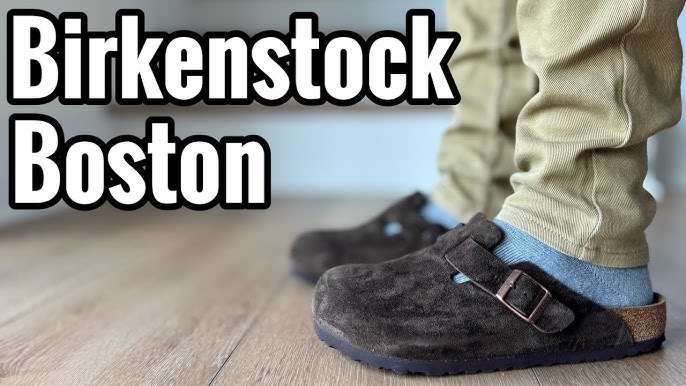
The cork-latex footbed mirrors the shape of a healthy foot. You’ll feel a deep heel cup that helps center your heel and stabilize your ankle. The longitudinal and transverse arches support your natural curves. A raised toe bar encourages your toes to flex and grip as you walk. The suede liner helps manage moisture and adds softness. The result: even pressure, better posture, and less fatigue.
Adjustable Straps And Buckles
The Boston’s adjustable buckle lets you fine-tune the fit for different foot volumes and sock thicknesses. Adjust it so the upper hugs the midfoot without squeezing. If your foot slides forward or your heel lifts, tighten one hole at a time. If you see upper “waves” or feel numbness, loosen it slightly.
Heel Cup And Arch Support
The deep heel cup holds your heel stable, which helps with balance and reduces overpronation for many people. The arch contour (both medial and metatarsal) supports your foot’s structure, which can ease strain on arches and calves when sized and set up right.
Soft Footbed vs. Classic Footbed
Birkenstock offers two main footbeds:
- Classic Footbed: Firmer support with a traditional cork feel. Break-in takes longer but offers a very stable platform.
- Soft Footbed: Adds a thin foam layer above the cork for extra cushion. Breaks in faster and can feel more forgiving if you’re new to Birks or have sensitive feet.
Both share the same shape and support. Choose based on comfort preference and break-in patience.
Outsole Options That Affect Feel
- EVA: Lightweight, flexible, and cushy. Common on Boston clogs. Great for daily wear.
- Super Grip: Rubber outsole with a slip-resistant tread (often used for work). Heavier and more stable underfoot.
Breaking In Your Clogs
The cork-latex footbed molds to your unique foot shape with wear. Give it a little time and you’ll be rewarded with a personalized fit.
Initial Wear Tips
Start with 1–2 hours indoors on smooth floors. Adjust the buckle so the clog is secure but not tight. Add 30–60 minutes each day. If anything pinches or burns, back off and readjust. Soft Footbed models usually need less time than Classic.
Signs Of Proper Break-in
- You feel supported without sharp pressure points.
- The suede darkens slightly where your foot contacts (normal).
- The cork feels more flexible and “alive.”
- Walking gets easier, and your toes engage the toe bar without irritation.
Avoiding Common Discomforts
- Don’t go sockless on day one if you’re sensitive—thin socks can help at first.
- Avoid getting the footbed soaked during break-in. Water can dry out cork. Use cork sealant if needed.
- Never heat-shape the footbed. High heat and cork do not mix.
- Stop if you get blisters or numbness. Reassess size, width, or strap tension.
Sock Strategy And Seasons
Plan for socks if you’ll wear your Bostons in cooler weather. A medium-weight sock can change the fit. If you’ll switch between bare feet in summer and socks in winter, set the buckle to the looser hole for socks and the tighter hole for bare feet. Some people keep two strap settings in mind for quick changes.
Common Fit Issues And Solutions
Birkenstock clogs are forgiving once dialed in. Here are frequent problems I see and simple fixes that work.
Tightness And Pinching
New leather or nubuck can feel stiff. Wear them for shorter sessions. Try a thicker sock during early break-in to soften the upper. If the upper pinches the forefoot, loosen the buckle one hole at a time. A shoe stretcher with gentle pressure can help stubborn spots. If your foot hangs over the cork, you likely need a wider width.
Slipping And Lack Of Support
Heel slip or forward slide often means the strap is too loose or the clog is too long. Tighten the buckle a notch. If you still slide with the strap set well, try the next smaller length or a Narrow width. A small heel grip pad can help low-volume heels. Don’t rely on chunky insoles—most Birkenstock footbeds are not removable and adding thick inserts can change the intended support.
Sizing Up Vs. Down
Sizing up can cause slipping and sloppy arch alignment. Sizing down can feel snug at first but often settles in better. Use the length and heel-cup checks above. If you’re between sizes, many Boston wearers choose the smaller length with the correct width.
High Instep Or Low-Volume Feet
If you have a high instep, the upper may feel tight at the top. Loosen the buckle and give the leather time to soften. For very high insteps, try Soft Footbed or softer uppers like suede or oiled leather. If you have very low-volume feet, Narrow width often works better, and you may need a slightly tighter strap.
Wide Or Narrow Feet
Choose Regular for medium-to-wide feet and Narrow for slim feet. If you’re on the edge, try both. Check that no part of your foot is hanging off the cork and that you’re not swimming around the footbed.
Flat Feet Or High Arches
Flat feet may appreciate the guidance of the arch contour but need a patient break-in. High arches often love the built-in support once the cork molds. If arches feel pokey at first, wear in short sessions and consider Soft Footbed to start.
Toe Bar Irritation
If the toe bar rubs, your foot may be too far forward. Tighten the strap slightly so the ridge sits just behind your toe joints. Give it a few sessions—most people adapt as the cork molds.
Plantar Fasciitis Or Heel Pain
Many with plantar fasciitis find relief from the deep heel cup and arch support when the fit is dialed in. Focus on heel stability and correct length. Don’t size up for “extra room”—that often reduces support under the arch and heel.
Maintaining Comfort Over Time
With simple care, your Birkenstock clogs can feel great for years. The footbed gets better as it molds, and parts can often be refreshed.
Replacing Insoles
Classic Birkenstock Boston footbeds are built-in, not removable. If you own a model with a removable insole (for example, certain work clogs), replace it when it flattens. For classic cork footbeds, focus on re-corking, re-soling, and keeping the suede clean to preserve comfort.
Cleaning And Care Tips
- Brush off dirt with a soft brush. Wipe the footbed with a barely damp cloth. Let them air dry away from heat.
- Use a suede brush for the liner. Spot-clean stains with a gentle cleaner made for suede or nubuck.
- Condition leather uppers to prevent cracking. Avoid soaking the cork or leather.
- Seal exposed cork edges with cork sealant a few times a year to prevent drying and cracking.
When To Replace Your Clogs
Check for a compressed footbed with little contour left, cracked cork, or a worn-through outsole. If they no longer feel supportive or start causing aches, it’s time for repairs or replacement. Many Birkenstocks can be re-soled by authorized repair shops, which extends life and comfort.
Resoling And Professional Repairs
If your tread is worn but the footbed still feels great, resoling is a smart, eco-friendly fix. Authorized cobblers can also re-cork edges, replace straps or buckles, and refresh the heel area. It’s often far cheaper than a new pair and keeps your broken-in comfort intact.
Credit: www.youtube.com

Credit: www.reddit.com
Frequently Asked Questions
How Should Birkenstock Clogs Fit Your Feet?
They should feel snug in the heel and midfoot but never tight. Your heel stays centered in the cup without slipping. You should have wiggle room in the toes and about 5–10 mm of space in front. The toe bar should sit just behind your toe joints. When sized right, the arch support feels natural and steady.
Can Birkenstock Clogs Feel Tight Initially?
Yes. The cork-latex footbed and leather upper soften with wear. Start with short sessions and adjust the buckle as needed. Tight pain or numbness is a red flag—loosen the strap or reassess size or width. Avoid forcing a fit.
Should There Be Extra Space At Toe Area?
Yes. A small gap at the toes is key—about a thumb’s width in front. This lets your toes spread and grip the toe bar. No toes should touch the cork edge. Proper toe room improves comfort and foot health.
How To Check If Birkenstock Clogs Fit Properly?
Walk indoors on a clean floor. Your heel should not pop out. Your toes should move freely. You should not feel hot spots under the arch or ball of the foot. Check that your foot sits fully on the cork with a bit of space at front and back. If you’re between sizes, test both to compare heel stability and arch alignment.
Do Birkenstock Boston Clogs Run Big Or Small?
They often feel a bit long compared to many US-size sneakers. Many people choose one EU size down from their usual length, but width matters too. Always confirm with a size chart and a try-on.
Can I Wear Socks With Birkenstock Boston?
Absolutely. Many people size and set the buckle to work with light-to-medium socks in cooler months. If you switch between socks and bare feet, adjust one buckle hole for each setup.
How Long Does Break-in Take?
Most people feel good in 3–7 days of gradual wear. Classic Footbed can take longer. Soft Footbed usually molds faster. Listen to your feet and add time slowly.
Conclusion
Birkenstock clogs should feel secure, not tight. Your heel sits steady in the cup. Your toes have space to move. The arch should feel supportive and natural. Walk around and fine-tune the buckle until the clog feels like an extension of your foot.
Choose the right length and width for your foot shape. Be patient with break-in. Care for the cork and leather, and your Bostons will pay you back with years of comfort. Take the time now to dial in the fit—your feet will thank you every step of the way.

Madison Clark is a footwear expert and the voice behind MyStyleGrid.com. She specializes in honest shoe reviews, style tips, and practical guides to help readers find the perfect pair for any occasion. With years of experience in blogging and content creation, Madison makes footwear knowledge simple, stylish, and easy to follow.