I remember my first road trip. It was a long drive. The sun was hot. I stopped at a gas station. I bought a cheap pair of shades. They looked cool. They had a shiny gold frame. I felt great.
But an hour later? My head hurt. My eyes felt tired. The world looked wavy. I had to take them off. I squinted the rest of the way.
That was a lesson learned.
Not all sunglasses are the same. Some are tools. Some are just toys. Your eyes deserve the best. But how do you know? How can you tell if sunglasses are good quality?
It is hard to tell just by looking. But I can help. I have spent years testing gear. I have learned what to look for.
In this guide, I will share my secrets. We will look at lenses. We will check frames. We will test them together. You will learn to shop like a pro. Let’s protect your eyes. Let’s find you the perfect pair.
Why Your Eyes Need the Best
You might think dark lenses are safe. This is a myth.
Dark lenses can be dangerous. If they lack UV filters, they are bad. Why? Dark lenses make your pupils open wide. This lets more light in. If there is no UV block, harmful rays flood your eye. This can cause damage.
Good quality means safety. It is not just about style.
The UV Factor
You need UV protection rating check. Look for a sticker. It should say “100% UV Protection.” Or it might say “UV400.”
UV400 is the gold standard. It blocks rays up to 400 nanometers. This covers UVA and UVB rays. These are the bad rays. They burn skin. They damage eyes.
I once tested a cheap pair. I used a UV light kit. The sticker said “Block UV.” The meter said “0% Blocked.” That was scary.
So, how do you trust it? Buy from real brands. Look for the “CE” mark. This means it meets European rules. It is a good sign.
Credit: www.lensmartonline.com
Deep Dive into Lens Quality
The lens is the heart of the sunglasses. If the lens is bad, the sunglasses are bad.
Material Matters
Glass is old school. It is very clear. It resists scratches well. But it is heavy. It can shatter. If you play sports, skip glass.
Polycarbonate is popular. It is plastic. But it is strong. It is used in safety goggles. It does not break easily. It is light. But it scratches easily. Good ones have a hard coating.
CR-39 is another type. It is common. It has great optics. It is lighter than glass. It is better than basic plastic.
So, what is the best sunglass lens material? For sports, choose polycarbonate. For driving, glass or CR-39 is great.
The Clarity Test
Good lenses are clear. Cheap lenses are wavy.
I do a simple test. I call it the “Line Test.”
- Hold the glasses out.
- Close one eye.
- Look at a straight line. Use a door frame. Or use the floor tiles.
- Move the glasses up and down.
- Move them left and right.
Does the line bend? Does it wiggle? If yes, put them back. The lens is warped. This causes eye strain. Good lenses keep the line straight.
Tint and Color
Color is not just for looks.
- Grey: Good for true color.
- Brown/Amber: Good for contrast. It helps on cloudy days.
- Green: Good for all-around use.
Make sure the tint is even. Look at the lens. hold it to the light. Is one spot darker? That is a bad sign. Quality lenses are smooth. The color should be the same all over.
The Magic of Polarization
Have you ever looked at water? The sun hits it. It shines bright. You cannot see the fish. It hurts your eyes.
This is glare.
Polarized sunglasses benefits are huge. They cut this glare.
My Fishing Story
I love to fish. I went to a lake last summer. The sun was high. The water was like a mirror. I had my old shades. I saw nothing but light.
My friend handed me his polarized pair. I put them on. It was like magic. The glare vanished. I could see into the water. I saw the rocks. I saw the fish. It was calm. My eyes relaxed.
How It Works
Light waves go everywhere. Glare is horizontal light. It bounces off roads. It bounces off car hoods.
Polarized lenses have a filter. It is vertical. It acts like blinds on a window. It blocks the horizontal light. Only useful light gets in.
The Phone Test
Do you have a phone? You can test polarization now.
- Turn your phone screen on.
- Make it bright.
- Hold your sunglasses in front of it.
- Look through the lens.
- Rotate the sunglasses 90 degrees.
Did the screen go black? Did it get very dark?
If yes, they are polarized.
If no, they are just tinted.
This is a fast test. Do this in the store. It works every time.
Note: Pilots do not use them. They need to see screens. Some car displays fade too. But for most, polarization is a must.
Analyzing Frame Construction
Lenses are important. But the frame holds them. A bad frame breaks. A bad frame hurts your ears.
Plastic vs. Acetate
Not all plastic is the same.
Cheap frames use Injection Molded Plastic. They melt beads. They pour it into a mold. It is brittle. It feels cold. The color is painted on. If you scratch it, you see white underneath.
Quality frames use Cellulose Acetate. This is better. It comes from cotton. It is cut from a block. It is tumbled for days. It feels warm. It is flexible.
Acetate vs plastic frames? Acetate wins. The color goes all the way through. If you scratch it, the color stays. It lasts for years.
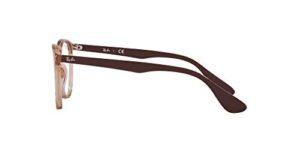
How to tell? Look at the arm. Is it see-through? Can you see a metal wire inside? That is a “wire core.” Only good acetate frames have this. It lets you bend the arm for a fit. Cheap plastic has no wire.
Metal Frames
Metal is sleek. But check the metal type.
- Stainless Steel: Strong. Rust-free. Good price.
- Titanium: The best. Very light. Very strong. It costs more.
- Monel: Common alloy. It can corrode. It might turn green.
Check the finish. Is it smooth? Are there bubbles? Bad plating peels off. Good plating stays smooth. Run your finger over it. It should feel like silk.
Weight Balance
Put them on.
Do they fall forward? Do they hurt your nose?
Good frames are balanced. The weight is even. They sit on your ears well. They do not slide down.
If the nose pads dig in, the fit is bad. Good nose pads are soft. Or they are smooth acetate. They should not leave red marks.

Credit: robinsonsjewelers.com
The Hardware Check: Hinges and Screws
We looked at the frame material. Now, look at the moving parts. The hinges are vital. They take the most stress. They open. They close. They do this thousands of times.
If the hinge fails, the sunglasses are useless. This is a key part of sunglass frame durability.
Barrel vs. Spring Hinges
Look at the corner. Where the arm meets the front.
Standard hinges interlock. Like fingers holding hands. These are “barrel hinges.” They are strong. They are classic. Count the barrels. Three is okay. Five or seven is better. More barrels mean more strength.
But I prefer spring hinges.
These are special. They have a tiny spring inside.
Try this:
- Open the arm fully.
- Push it out a little more.
Does it bend out and snap back? That is a spring hinge.
Why is this good? It hugs your head. It does not squeeze too hard. If you take them off fast, they flex. They do not snap. It is a sign of quality.
The “Wobble” Test
I do this with every pair I buy.
Hold the sunglasses by the front. Shake them gently.
Do the arms flop around? Do they swing loose?
This is bad.
The arms should stay put. They should need a little push to close.
If they are loose now, they will fall off later. Loose screws are a bad sign. It means the factory did not check them well.
5 Simple At-Home Quality Tests
You do not need a lab. You can check quality in your kitchen. I use these tests all the time. They are fast. They reveal the truth.
Here is your sunglasses quality test at home.
Test 1: The Shake Test
Hold the glasses by the nose bridge. Shake them. Listen closely.
Do you hear a rattle?
If the lenses rattle, they are loose. The frame is too big for the lens. Or the screw is loose.
Good sunglasses are silent. The lens fits tight. Nothing should move.
Test 2: The Squeeze Test
This one needs a gentle hand.
Hold the frame. Give it a tiny squeeze. Just a little pressure.
Do you hear creaking? Does it sound like dry wood?
Creaking means cheap plastic. It means the parts rub together.
High-quality frames are solid. They do not make noise. They feel like one piece.
Test 3: The Tap Test
Tap the lens with your fingernail.
Glass makes a high “ting” sound.
Hard plastic makes a dull “thud.”
This helps you know the material. Glass is not always better. But if they promised glass and you hear a thud? You know they lied.
Test 4: The Weight Check
Pick them up.
Are they feather-light? Do they feel like a toy?
Cheap plastic feels empty. It feels brittle.
Good frames have some weight. Even light ones feel dense. They feel “substantial.”
Acetate has a nice heft. It feels like a real tool.
Note: Titanium is an exception. It is very light but very strong.
Test 5: The Light Gap
Put them on. Look in a mirror.
Look at the side of your eyes. Is there a big gap?
Sunlight can sneak in there. It bounces off the back of the lens. This causes glare.
Good designs curve a little. They follow your face. This gives better protection. It stops the side sun.
Spotting Counterfeits and Fakes
Big brands cost money. Ray-Ban. Oakley. Maui Jim.
Because they cost money, people fake them.
I once bought a pair online. The price was too good. When they arrived, I knew instantly. They were fake.
How did I know? Here is how to start identifying fake sunglasses.
The Logo Etching
Look at the lens. Most big brands put a logo there.
On fakes, this is painted on. You can scratch it off.
On real ones, it is etched. It is cut into the lens.
Run your finger over it. Can you feel it? Is it sharp?
On some Ray-Bans, there is a tiny “RB” etched on the left lens. It is hard to see. You need to tilt it. Fakes often miss this.
The Hinges Again
Fakes use cheap metal. The hinges look rough. They might have glue marks.
Real brands use clean metal. No glue. No mess. The screws match the frame color.
The Box and Case
A good brand cares about the box.
The box should be stiff. The logo should be clear.
The case should feel expensive.
Inside, look for a cloth. The cloth should have a logo.
My fake pair came in a soft plastic bag. That was a red flag. Real brands give you a hard case. They want to protect their product.
Check the Numbers
Look inside the arm.
You will see numbers.
One is the model name. One is the size (like 55-18). One is the color code.
Google these numbers.
Do they match the pair in your hand?
If the number brings up a blue pair, but you are holding a black pair? It is a fake.
Fakes often copy random numbers. They do not match the real items.
Price vs. Value: Do You Need to Spend More?
This is the big question.
Do you need to spend $200? Or is $20 fine?
I have worn both. Here is the truth.
$10 Gas Station Shades:
These are risky. The UV protection is often a lie. The lenses are wavy. They break in a week. They are bad for your eyes.
$50 – $100 Mid-Range:
This is the sweet spot. Brands like Sunski or Knockaround live here.
You get polarized lenses. You get decent frames. They block UV. They are great value. You do not pay for a fancy logo. You pay for quality.
$200+ Designer Shades:
You pay for the name. You also get better materials. Real glass. Titanium. Hand-made acetate. The optics are perfect.
Are they 10 times better than the $50 pair? Maybe not.
But they last longer. They feel better.
If you take care of them, they are worth it.
Don’t assume expensive means best. But do assume very cheap means bad. Avoid the bottom of the barrel. Your vision is priceless.
Maintenance Tips for Longevity
I learned this the hard way. I had a great pair of shades. They were perfect. One day, I was at the beach. My lenses got salty. I used my T-shirt to wipe them.
That was a mistake.
The next day, I saw scratches. My shirt had tiny grains of sand on it. I dragged that sand across the lens. I ruined my favorite pair in two seconds.
Quality sunglasses can last for years. But you must treat them right. Here is how I keep my collection new.
Cleaning: The Right Way
Your T-shirt is the enemy. Paper towels are the enemy. They are made of wood pulp. They scratch.
Follow this ritual. It takes one minute.
-
Rinse First: Put them under warm tap water. This washes away dust. It washes away sand. If you wipe dry lenses, you grind the dust into the plastic. Always rinse first.
-
Use Soap: Add a tiny drop of dish soap. Just a little. Rub it on the lens with your fingers. This removes oil. It removes face grease. Do not use window cleaner. It strips the coatings.
-
Rinse Again: Wash off the soap.
-
Dry Properly: Use a microfiber cloth. Only use this cloth. Keep it clean. If the cloth is dirty, it will not work.
The Heat Hazard
Do not leave your sunglasses in the car.
I know it is easy. You leave them on the dashboard. You leave them in the cup holder.
But cars get hot. Very hot.
Heat kills sunglasses.
Most lenses have layers. They have UV layers. They have polarized layers. Glue holds them together.
High heat melts the glue. The layers peel apart. Bubbles form.
Heat also warps plastic frames. Your nice fit will vanish. The arms will bend.
Take them with you. Or put them in the glove box in a case.
Tighten Up
Screws get loose. It happens to all glasses. Motion makes them back out.
Buy a tiny screwdriver kit. They cost a few dollars.
Check the screws once a month. Give them a gentle turn. Do not force it. Just keep them snug. This stops the arm from falling off.
Troubleshooting Common Issues
Sometimes, things go wrong. Here is how to fix common problems.
Problem: The arms are too loose.
Fix: The screw is loose. Tighten the hinge screw. If it still wobbles, the hinge might be spread. Take it to an optical shop. They can pinch it back.
Problem: They slide down my nose.
Fix: The ears are the key. Run the ear tips under warm water. Gently bend them down. This hooks them behind your ear. It holds the frame back.
Problem: The lenses are cloudy.
Fix: You might have oil buildup. Or the coating is failing. Try the dish soap method. If they are still cloudy, the coating is damaged. You cannot fix this. You need new lenses.
Conclusion
We have covered a lot.
We talked about UV rays. We looked at hinges. We tested for polarization.
You now know that price is not everything. You know that a $50 pair can be great. You know that a $10 pair is a risk.
Your eyes are vital. They let you see the world. They let you work. They let you play.
Do not gamble with them.
When you shop for sunglasses, be a detective.
-
Check the hinge.
-
Tap the lens.
-
Look for the wire core.
-
Do the line test.
Use the tips I shared. You will spot quality instantly. You will avoid the junk.
You will find a pair that looks great. But more importantly, you will find a pair that protects you.
Enjoy the sun. Stay safe.

Credit: averagejoecyclist.com
Frequently Asked Questions (FAQ)
Here are answers to the most common questions I get asked.
How To Tell If Sunglasses Are High Quality?
You need to inspect them closely. First, check the hinge. It should be stiff and smooth. It should not wiggle. Second, check the lens clarity. Look at a straight line. It should not bend. Third, check the material. Acetate feels warm and heavy. Cheap plastic feels cold and light. Finally, check for polarization. Use your phone screen to test it.
Which Is Better, UV Or Polarized Sunglasses?
This is a trick question. You need both. They do different things.
UV Protection is for health. It blocks invisible rays. It stops eye damage. It prevents cataracts. You must have this.
Polarization is for comfort. It blocks glare. It makes it easier to see in bright light. It reduces eye strain.
A good quality pair will have both features. Never buy polarized glasses that do not block UV.
What Does CE Mean In Sunglasses?
You will see “CE” on the inside arm. It stands for “Conformité Européenne.” This is French. It means “European Conformity.”
It is a safety mark. It means the sunglasses meet the safety rules of Europe. These rules are strict. They require UV protection. If you see this mark, it is a good sign. It means the maker followed the law.
What To Avoid When Buying Sunglasses?
Avoid “cosmetic” lenses. These are very light colors. They often do not block enough light.
Avoid frames that squeak. If it makes noise when you touch it, it will break.
Avoid lenses with bubbles or peel marks.
Avoid buying from street vendors. They often sell fakes. These fakes have no UV block. They are dangerous. Stick to trusted shops.
Can Cheap Sunglasses Hurt My Eyes?
Yes, they can. This is a serious danger.
Cheap dark lenses block visible light. This makes your room dark. Your pupil opens wide to see.
But if the lens does not block UV, invisible rays rush in. Because your pupil is wide open, more UV gets in than if you wore no glasses at all. This burns the retina. It causes long-term damage. Always check for the UV400 sticker.
How Long Should Sunglasses Last?
If you buy quality, they can last a long time.
A good pair should last 2 to 5 years.
If you take care of them, they can last 10 years.
Acetate frames can be polished. They can look new again.
Lenses might get scratches. But you can replace lenses. You do not need to throw away the frame.
Cheap plastic frames usually break in 6 months.
Why Do My Sunglasses Peel?
Peeling is a sign of lens coating failure.
This happens for three reasons.
- Salt Water: You went to the beach. You did not rinse them. The salt ate the coating.
- Chemicals: You used Windex or alcohol. This strips the layer.
- Heat: You left them in the car. The heat separated the layers.
Once they peel, you cannot fix them. You must get new lenses.
Are Glass Lenses Better Than Plastic?
It depends on what you do.
Glass is the clearest material. It is very hard to scratch. It offers the best view. But it is heavy. It can shatter if it hits a rock.
Polycarbonate (Plastic) is safer. It does not shatter. It is light. It is great for sports. But it scratches easier than glass.
Choose glass for driving or fashion. Choose plastic for running or biking.
Does Lens Color Matter?
Yes, color changes how you see.
Grey reduces brightness. It keeps colors true. It is good for general use.
Brown/Amber increases contrast. It makes red and green pop. It is great for driving and cloudy days.
Yellow is for low light. It helps at dawn or dusk. Hunters use this.
Blue is mostly for style. It can help with glare in snow.
Choose the color that fits your activity.
How Do I Know If My Sunglasses Are Too Big?
Fit is important for protection.
Put them on. Smile big.
Do your cheeks hit the frame? If the frame lifts up when you smile, it is too big.
Shake your head. Do they slide down? They are too loose.
Look at the sides. If you can fit two fingers between the arm and your temple, they are too wide.
They should fit snug. They should not touch your cheeks. They should stay put when you move.

Madison Clark is a footwear expert and the voice behind MyStyleGrid.com. She specializes in honest shoe reviews, style tips, and practical guides to help readers find the perfect pair for any occasion. With years of experience in blogging and content creation, Madison makes footwear knowledge simple, stylish, and easy to follow.