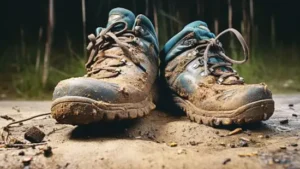
If you wear felt shoes in the United States, the safest way to clean them is to brush away dry dirt, spot-clean with a small amount of cool water and mild soap, then air-dry them slowly. Avoid soaking, hot water, bleach, dryers, and strong scrubbing unless the care label says your shoes can handle it.
Felt can be made from wool, synthetic fibers, or a blend. Wool felt is warm and soft but may shrink, stiffen, or change shape when exposed to heat, friction, or too much water. Synthetic felt is often more forgiving, but it still needs gentle care.
The care label should always come first. If the label says “dry clean only,” “hand wash,” or “do not wash,” follow that direction.

What You Need Before Cleaning Felt Shoes
Gather simple supplies before you start:
- A soft-bristled brush or clean toothbrush
- A white microfiber cloth
- Cool or lukewarm water
- A small amount of mild liquid soap
- A dry towel
- Clean paper or shoe trees for reshaping
- Baking soda for odor control, if needed
Use a white cloth when possible. Colored cloth can transfer dye to light felt, especially when damp.
Check the shoe label first
Look inside the shoe or under the tongue for care instructions. The label may tell you whether the shoes can be:
- Hand-washed
- Machine-washed
- Spot-cleaned only
- Dried in a machine
- Treated with a specific cleaner
If there is no label, use the gentlest method: dry brushing and careful spot cleaning.
Identify the type of felt
The fiber affects the cleaning method.
| Felt type | Main concern | Safer approach |
|---|---|---|
| Wool felt | Shrinkage, matting, and shape changes | Use very little water and no heat |
| Synthetic felt | May resist shrinking but can still stain or deform | Spot-clean gently and air-dry |
| Wool-synthetic blend | Behavior varies by fiber mix | Follow the label or use wool-safe care |
| Felt with leather, suede, or rubber parts | Different materials need different care | Keep water away from leather and suede |
Do not assume that a waterproof rubber sole makes the upper washable. Water can still damage the felt, glue, leather trim, or inner lining.
How to Clean Felt Shoes Step by Step
The best general method is to remove dry dirt first, then clean only the stained areas. This limits moisture and helps the felt keep its shape.
1. Remove loose dirt
Take out the insoles and laces if they are removable. Hold the shoes upside down and tap the soles together gently over a trash can.
Brush the felt with a soft brush. Use short strokes in one direction rather than rubbing back and forth. A toothbrush can help clean around seams and the edge of the sole.
Do not use a stiff wire brush. It can pull fibers from the felt and leave a rough, fuzzy patch.
2. Test a hidden area
Mix a few drops of mild soap into a cup of cool or lukewarm water. Dip a white cloth into the mixture and wring it out well.
Touch the damp cloth to a hidden spot, such as the inside edge of the heel. Wait several minutes, then check for:
- Color transfer
– Fading - A water ring
- Rough or matted fibers
- Shrinkage or distortion
If the felt changes, stop and use dry cleaning methods only. A hidden test cannot guarantee that the entire shoe will react the same way, but it can reveal obvious problems before they spread.
3. Blot the stain
Press the damp, soapy cloth against the stain. Lift the cloth, move to a clean section, and repeat.
Avoid scrubbing hard. Felt fibers can lock together when exposed to moisture and friction. Aggressive rubbing may turn a small mark into a shiny, matted area.
For a greasy spot, first place a small amount of baking soda or plain cornstarch on the area. Let it sit for several hours, then brush it away. If a mark remains, use the damp-cloth method.
4. Remove soap residue
Use a second cloth dampened with clean water. Wring it out until it is nearly dry, then blot the cleaned area.
Do not pour water over the shoe. Excess water can reach the lining, sole adhesive, or internal support.
5. Absorb moisture
Press a dry towel against the damp felt. Do not twist or wring the shoe.
If the inside is wet, pack the shoes loosely with white paper or a clean towel. Avoid newspaper because ink can transfer to the lining. Replace the paper when it becomes damp.
6. Reshape and air-dry
Set the shoes in a well-ventilated room at normal indoor temperature. Keep them away from:
- Radiators
- Wood stoves
- Heat vents
- Hair dryers
- Direct, strong sunlight
- Clothes dryers
Shape the toes and sides by hand while the felt is still slightly damp. Let the shoes dry fully before wearing them again.
Drying time depends on the amount of moisture, shoe thickness, airflow, and indoor humidity. Do not use the shoes while the lining still feels damp.
Signs that the cleaning worked
The shoes should have:
- No visible soap film
- No wet or cool spots inside
- A similar shape to their original form
- No new color bleed
- Less visible dirt or odor
- Felt that is not stiff, shiny, or heavily matted
How to Remove Common Stains From Felt Shoes
Different stains need different levels of care. Start with the mildest method and stop if the felt begins to change.
Mud and dried soil
Let fresh mud dry first. Brushing wet mud can push it deeper into the fibers.
Once dry, loosen the dirt with a soft brush. For a remaining mark, blot with a barely damp cloth and mild soap. Allow the spot to dry, then brush the felt lightly again.
Salt stains from sidewalks or roads
In many U.S. cities, winter sidewalk salt can leave white marks on shoes. Brush off dry salt first. Then blot the area with a cloth lightly dampened with clean water.
Do not flood the shoe. Salt residue can spread as a ring if the area becomes too wet. Blot outward from the edge of the mark, then absorb moisture with a dry towel.
Food and drink
Blot spills quickly with a dry cloth. Do not rub, since rubbing can spread the stain.
For coffee, juice, or similar spills, use a barely damp cloth with a tiny amount of mild soap. Work from the outside of the stain toward the center. This helps reduce the chance of creating a larger water mark.
Oil or grease
Cover the stain with baking soda or cornstarch. Leave it in place for several hours or overnight, then brush it away.
Repeat once if needed. If the stain remains, a professional cleaner may be safer than adding more liquid or detergent.
Ink
Ink can spread quickly through felt. Avoid rubbing and do not begin with alcohol, nail polish remover, or another solvent. These products may dissolve dyes, affect synthetic fibers, or damage glue and trim.
For an expensive or light-colored pair, take the shoes to a cleaner that has experience with wool or specialty textiles.
Pet accidents
Remove solid material with a disposable tool, then blot liquid without pressing it deeper into the lining. A mild soap solution may remove surface residue, but odor can remain inside the shoe.
Do not saturate the footwear with household disinfectant. If the lining is heavily soiled, professional cleaning or replacement may be the most sanitary option.
How to Deodorize Felt Shoes
For mild odor, remove the insoles and let both the shoes and insoles air out separately. Place a small amount of baking soda inside each shoe and leave it overnight. Shake or vacuum the powder out before wearing them.
Do not use baking soda if the manufacturer warns against powders inside the shoe. Fine powder can also collect in seams or irritate sensitive skin.
For stronger odor:
- Make sure the shoes are fully dry.
- Wash removable insoles only as their label allows.
- Air out the shoes in a dry, ventilated room.
- Use clean socks and rotate between pairs.
- Consider replacing insoles that hold a persistent odor.
Avoid spraying perfume over the smell. Fragrance may cover the odor for a short time but does not remove moisture, bacteria, or residue that may be causing it.
If odor returns quickly after cleaning, check for dampness inside the shoes. Felt can feel dry on the surface while the lining remains moist.
Can You Machine-Wash Felt Shoes?
You can machine-wash felt shoes only when the care label specifically allows it. If machine washing is permitted, use the gentlest cycle, cool water, mild detergent, and a mesh laundry bag. Remove insoles and laces first if the instructions allow.
Do not machine-wash shoes with:
- Leather or suede trim
- Decorative pieces that may loosen
- Delicate glue construction
- A label that says spot-clean only
- A structured shape that may collapse
Even a gentle cycle adds water, movement, and friction. Those forces can shrink wool felt, distort the upper, weaken adhesives, or cause the shoe to lose its shape.
Never place felt shoes in a clothes dryer unless the manufacturer clearly permits it. Heat is one of the most common causes of shrinkage and deformation.
What Not to Use on Felt Shoes
Some common cleaning products are too harsh for felt or for the other materials used in footwear.
Avoid these unless the manufacturer gives specific permission:
- Hot water
- Bleach
- Fabric softener
- Strong laundry detergent
- Abrasive powders
- Stiff brushes
- Solvent-based stain removers
- Nail polish remover
- High-pressure water
- Hair dryers and other direct heat
- Washing machines for unlabeled shoes
Bleach can remove color and weaken some fibers. Strong solvents can affect dyes, synthetic materials, and adhesives. Heat can shrink wool and set the shoe into a distorted shape.
The safest rule is simple: use less water, less soap, less force, and less heat than you think you need.
What to Do if Felt Shoes Shrink or Lose Their Shape
If felt shoes become misshapen, do not pull them forcefully while they are dry. That can stretch one area and leave another area tight.
If the shoes are still slightly damp, gently push the felt back into shape with your hands. Insert clean paper or a properly sized shoe tree to support the shape while the shoes dry.
Do not soak the shoes again in an attempt to stretch them. More water may cause additional shrinkage or damage the sole adhesive.
If the shoes have shrunk enough that they no longer fit, home repair may not restore them. A shoe repair professional may be able to assess the construction, but the original size and shape cannot always be recovered.
Replace the shoes if the felt has:
- Severe shrinkage
- Deep matting
- Detached sole layers
- Cracked structural parts
- Persistent moisture damage
- A strong odor that remains after proper drying
How to Keep Felt Shoes Clean Longer
Regular care prevents most deep stains.
- Brush off dirt after outdoor wear.
- Treat spills as soon as possible.
- Let shoes dry fully between uses.
- Rotate pairs when practical.
- Store them in a dry, ventilated place.
- Keep them away from plastic bags when damp.
- Use removable insoles that can be cleaned separately.
- Avoid wearing indoor felt slippers through wet grass, snow, or puddles.
- Check the sole before bringing outdoor dirt inside the home.
A small amount of prevention is easier than a full wash. Felt behaves more like a wool sweater than a rubber boot, so it does best when you keep water and friction to a minimum.
Quick Decision Guide
Use this guide when you are unsure which method to choose.
| Problem | First step | Avoid |
|---|---|---|
| Loose dirt | Soft-brush the dry felt | Wet scrubbing |
| Small food stain | Blot with mild soap and little water | Rubbing |
| Salt mark | Brush, then blot with clean water | Soaking |
| Mild odor | Air out and use a little baking soda | Covering it with perfume |
| Grease mark | Apply baking soda or cornstarch, then brush | Pouring detergent on it |
| Heavy soil | Check the label before washing | Assuming all felt is washable |
| Severe odor or staining | Seek specialty cleaning advice | Bleach and strong solvents |
| Misshapen shoe | Reshape while slightly damp | Direct heat |
Frequently Asked Questions
Can I wash felt shoes with dish soap?
A very small amount of mild dish soap may work for a small surface stain, but it is not the best choice for every felt shoe. Dish soap can leave residue or affect dyes. Use a mild soap only after checking the label and testing a hidden area.
Can I use vinegar to clean felt shoes?
Vinegar is not a universal felt cleaner. It may affect dyes, finishes, glue, or the smell of the shoe. If the manufacturer does not recommend it, use plain water and a mild soap instead.
Can I put felt shoes in the dryer?
Usually, no. Dryer heat can shrink wool felt and distort synthetic felt or glued parts. Air-dry the shoes at room temperature unless the care label gives different instructions.
How often should I clean felt shoes?
Clean them when they are visibly dirty or begin to smell. Brush them more often, especially after outdoor use. Frequent full washing is not ideal because repeated moisture and friction can shorten the life of felt footwear.
How do I clean felt slippers with a rubber sole?
Treat the felt upper as the delicate part. Brush away dry dirt, spot-clean with a nearly dry cloth, and keep water away from seams and the sole edge. Dry the slippers with the rubber sole facing down or on a rack so air can circulate.
Key Takeaways
- Check the care label before using water.
- Brush off dry dirt before spot-cleaning.
- Use cool or lukewarm water, mild soap, and a nearly dry cloth.
- Blot instead of scrubbing.
- Never use direct heat unless the manufacturer permits it.
- Reshape the shoes while they are slightly damp.
- Let them dry completely before wearing them.
- Use a professional cleaner for valuable, heavily stained, or delicate felt shoes.
Conclusion
The safest way to clean felt shoes is to keep the process gentle and limited. Remove dry dirt with a soft brush, treat stains with a small amount of diluted mild soap, blot away residue, and air-dry the shoes in their proper shape.
When the label is unclear, assume the felt is delicate. A careful spot clean is usually safer than a full wash, and avoiding heat is the best way to prevent shrinkage and permanent shape changes.
Rubel Miah is the Senior Editor at MyStyleGrid.com, where he brings a sharp editorial eye and an unshakable love for fashion to everything he does. A true style addict, Rubel lives and breathes trends, from streetwear to high fashion, and has a knack for turning inspiration into impactful stories. With years of experience in fashion journalism and digital media, he curates content that empowers readers to express themselves through style. When he’s not editing features or forecasting the next big thing, you’ll find him hunting down vintage pieces or capturing street style moments around the city.