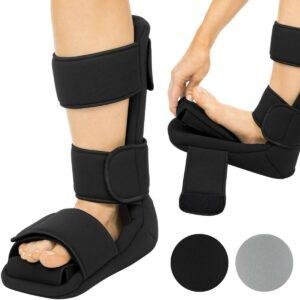
A boot cast can ease severe plantar fasciitis pain, but it is usually a short-term tool.
If heel pain makes every step feel like a sharp pull, a walking boot may seem like the fastest answer. Understanding how effective is a boot cast for plantar fasciitis requires a close look at the cause of pain, the type of boot used, and the treatment plan around it. This guide explains when a boot can help, when it may not, and how to use one safely.

What Is a Boot Cast for Plantar Fasciitis?
A boot cast is a removable medical boot, often called a controlled ankle motion boot or CAM boot. It covers the foot and lower leg and limits movement while you walk. Some people call it a “walking cast,” although it is not always made from plaster or fiberglass.
Doctors may suggest a boot for plantar fasciitis when pain is severe, walking is very hard, or regular care has not helped. The boot can reduce strain on the plantar fascia, a thick band of tissue that runs from the heel bone to the toes.
Plantar fasciitis is often linked with:
• Repeated stress from walking, running, or standing
• Tight calf muscles
• A sudden rise in exercise
• Poorly supportive shoes
• High arches or flat feet
• Extra body weight
• Long hours on hard floors
A boot does not repair the plantar fascia by itself. Instead, it acts like a temporary shield. It lowers motion and pressure so irritated tissue has time to calm down.
How Effective Is a Boot Cast for Plantar Fasciitis?
How effective is a boot cast for plantar fasciitis? It can be quite helpful for short-term pain relief, especially in severe cases. However, it is not a cure and should not replace a complete treatment plan.
A walking boot may help by:
• Reducing the amount your foot bends during each step
• Limiting tension on the plantar fascia
• Supporting the heel and arch
• Reducing painful push-off
• Allowing irritated tissue to rest
Many patients notice less pain within days or a few weeks. That improvement does not always mean the condition has healed. The boot may simply be reducing stress while the tissue recovers.
Research on immobilization for plantar fasciitis is limited compared with research on stretching, orthotics, and physical therapy. Still, foot and ankle specialists often use short-term immobilization for stubborn or severe heel pain. It may be especially useful when normal walking is too painful for basic care to work.
The best results usually come when the boot is combined with calf stretching, plantar fascia stretching, supportive shoes, activity changes, and a gradual return to normal walking.
When Can a Boot Help Most?
A boot cast may be considered when plantar fasciitis pain is intense or has lasted despite several weeks of care. It is not usually the first treatment for mild heel pain.
A clinician may recommend a boot when:
• You cannot walk normally because of pain
• Pain continues after rest, stretching, and shoe changes
• You have a major flare after increased activity
• The heel is painful even during short walks
• You need temporary protection after an injection or procedure
• There may be another injury along with plantar fasciitis
For example, a person who works on concrete floors may develop severe pain after months of standing. If supportive shoes and stretching do not help, a boot may reduce daily strain while a physical therapist addresses calf tightness and foot strength.
A boot can also help people who keep “testing” the painful foot. Each painful step may feel small, but thousands of steps can keep the tissue irritated. Temporary protection can break that cycle.
Still, severe heel pain can have other causes. A stress fracture, nerve problem, Achilles tendon disorder, heel fat-pad injury, or inflammatory condition may feel similar. A medical exam is important when symptoms are strong or unusual.
When Is a Boot Less Helpful?
How effective is a boot cast for plantar fasciitis when symptoms are mild? Usually, the benefit is limited. A boot may add cost, stiffness, and inconvenience without improving recovery more than simple care.
A boot may be less helpful when:
• Pain is mild and improving
• You can walk with only slight discomfort
• The main problem is poor footwear
• You have not yet tried a regular stretching plan
• You expect the boot to provide a permanent cure
• You wear it for too long without a medical plan
A boot can also create new problems. It may cause ankle stiffness, calf weakness, skin irritation, balance changes, or pain in the knee, hip, or lower back. The boot often makes one leg higher than the other, which can affect the way you walk.
One common mistake is wearing a boot all day for many weeks without follow-up. The foot may feel better while inside the boot, but it may hurt again once normal movement returns. This is why a gradual transition plan matters.
In clinical care, one repeated lesson is clear: pain relief is only one part of recovery. The foot also needs its normal strength, flexibility, and walking pattern restored.
How Long Should You Wear a Boot?
The right duration depends on the cause and severity of pain. Many clinicians use a boot for a short period, often around two to six weeks, but there is no single schedule for everyone.
Your clinician may advise you to:
-
Wear the boot during walking and standing.
-
Remove it for bathing and approved exercises.
-
Avoid running, jumping, and long walks.
-
Check your skin each day for redness or pressure spots.
-
Return for review if pain does not improve.
-
Move gradually into a supportive shoe when symptoms settle.
Do not sleep in a walking boot unless your clinician specifically tells you to do so. A night splint is a different device. It gently holds the ankle and toes in a stretched position while you sleep, while a walking boot mainly protects the foot during movement.
The goal is not to stay in the boot as long as possible. The goal is to use it for the shortest safe period that allows pain to settle and normal care to begin.
What Should You Do While Wearing a Boot?
A boot works best when it is part of a wider recovery plan. Rest alone may reduce pain, but it does not always correct the factors that caused the problem.
Helpful steps may include:
• Wear a supportive shoe on the other foot to reduce height differences.
• Keep walks short and avoid hills at first.
• Use ice wrapped in a cloth for 15 to 20 minutes after activity.
• Stretch the calf and plantar fascia as advised by a clinician.
• Choose shoes with firm arch support and good cushioning.
• Avoid walking barefoot on hard floors.
• Ask about physical therapy if pain continues.
A simple plantar fascia stretch involves sitting, crossing the painful foot over the other leg, and gently pulling the toes back until you feel a stretch along the sole. Hold it for about 10 seconds and repeat several times, but stop if it causes sharp pain.
Calf stretches can also help. Stand facing a wall, place the painful leg behind you, keep the heel down, and lean forward gently. A physical therapist can adjust these exercises for your foot shape, strength, and pain level.
Medication may help some people, but anti-inflammatory drugs are not safe for everyone. Ask a healthcare professional before using them, especially if you have kidney disease, stomach ulcers, heart disease, take blood thinners, or are pregnant.
How Do You Transition Out of a Boot?
A safe transition is one of the most important parts of treatment. Moving from a boot to normal shoes too fast can bring the pain back.
A gradual plan may look like this:
• Start with short periods in a supportive shoe at home.
• Keep the boot available for longer outings.
• Increase shoe time if pain stays mild.
• Avoid running and jumping until walking is comfortable.
• Continue stretching and strengthening.
• Reduce activity if pain rises and does not settle by the next day.
A small amount of soreness can occur during the transition. A sharp increase in heel pain, swelling, numbness, or a changed walking pattern deserves medical advice.
Consider using an insert or heel cup if recommended. Orthotics may reduce pressure for some people, but they do not work equally well for everyone. Custom devices are not always better than well-fitted over-the-counter options.
The most useful test is function. Can you walk with a smooth step? Can you stand without strong pain? Can you complete daily tasks without a major flare? These signs matter more than simply counting days in the boot.
Boot Cast Risks and Safety Tips
A boot is generally safe when properly fitted and used under medical guidance. It still has risks, especially when worn too tightly or for too long.
Contact a healthcare professional if you notice:
• New numbness or tingling
• Blue, pale, or very cold toes
• Severe swelling
• Skin sores or blisters
• Increasing calf pain
• Chest pain or sudden shortness of breath
Calf pain with swelling can rarely signal a blood clot. Chest pain or sudden trouble breathing is an emergency. Seek immediate help if these symptoms occur.
People with diabetes, poor circulation, reduced sensation, or a history of blood clots need extra care. Foot pressure can cause skin damage without much warning when sensation is reduced.
A boot should feel secure, not painfully tight. Wear the socks recommended by your provider, keep the foot dry, and inspect your skin daily. Never alter the boot or add thick padding without professional advice, since this can change pressure points.
Other Treatments for Plantar Fasciitis
How effective is a boot cast for plantar fasciitis compared with other treatments? A boot may provide faster protection during a painful flare, but basic treatments often have stronger long-term support.
Common options include:
• Calf and plantar fascia stretching
• Physical therapy
• Supportive shoes
• Activity changes
• Over-the-counter arch supports
• Night splints
• Weight management when appropriate
• Ice or heat based on comfort
• Medication when medically safe
Most cases improve over time with consistent care. Recovery may take several weeks or months, especially when the condition has been present for a long time.
Treatments such as steroid injections, platelet-rich plasma, shock wave therapy, or surgery may be discussed for persistent cases. Each has possible benefits and risks. Steroid injections, for example, can weaken the plantar fascia or heel fat pad if used repeatedly, so they require careful medical judgment.
A correct diagnosis remains the foundation. If heel pain does not improve, your clinician may order imaging or test for another problem. Plantar fasciitis is common, but not every painful heel has plantar fasciitis.
Frequently Asked Questions About How Effective Is a Boot Cast for Plantar Fasciitis
Can a walking boot completely cure plantar fasciitis?
A walking boot can reduce strain and pain, but it does not usually cure the underlying problem by itself. Stretching, footwear changes, activity control, and gradual strengthening are often needed for lasting recovery.
How effective is a boot cast for plantar fasciitis during a severe flare?
It can be effective when pain makes normal walking difficult. The boot limits foot movement and may give irritated tissue time to settle, but a clinician should confirm that plantar fasciitis is the true cause.
Can I sleep in a boot for plantar fasciitis?
Most people should not sleep in a walking boot unless their healthcare provider advises it. A night splint is designed for sleep and works differently from a walking boot.
Will a boot make my foot weaker?
Long-term or unnecessary use can contribute to calf and foot weakness. This risk is lower when the boot is used briefly and followed by a gradual return to stretching, strengthening, and normal walking.
How long does it take for plantar fasciitis to improve with a boot?
Some people feel better within days, while others need several weeks. Pain relief can happen before the tissue fully recovers, so continue the recommended plan and do not return to high-impact activity too soon.
Should I wear a regular shoe on my other foot?
Yes, unless your clinician gives different instructions. A supportive shoe on the other foot can reduce the height difference caused by the boot and may help prevent knee, hip, or back discomfort.
[CodeImg not included per instructions]
Conclusion
How effective is a boot cast for plantar fasciitis? It can offer meaningful short-term relief when pain is severe, walking is difficult, or other care has not worked. It is best viewed as a temporary support, not a stand-alone cure.
Use the boot under professional guidance, protect the skin, keep activity light, and follow a gradual plan to rebuild normal movement. If pain persists, worsens, or feels unusual, seek an evaluation rather than assuming every heel problem is plantar fasciitis.
With the right diagnosis and steady care, most people can move toward comfortable walking again. Consider speaking with a podiatrist or physical therapist, and share your experience or questions with a healthcare professional.
Madison Clark is a footwear expert and the voice behind MyStyleGrid.com. She specializes in honest shoe reviews, style tips, and practical guides to help readers find the perfect pair for any occasion. With years of experience in blogging and content creation, Madison makes footwear knowledge simple, stylish, and easy to follow.