With proper care, Rainbow Sandals usually last two to five years, and often longer.
Rainbow Sandals are known for strong leather, durable rubber soles, and a break-in feel that improves with time. Still, how long do Rainbow Sandals last depends on your use, foot shape, climate, cleaning habits, and the care you give the straps and footbed. This guide explains what affects their lifespan, how to spot wear, and how to help your pair last for many seasons.
How long do Rainbow Sandals last?
For most people, Rainbow Sandals last about two to five years with regular use. A lightly worn pair may last much longer, while sandals worn every day in hot, wet, or sandy conditions may need replacement sooner.
The brand’s classic leather sandals often last longer than low-cost flip-flops because they use layered construction, a strong strap, and a molded rubber outsole. However, no sandal lasts forever. The footbed slowly compresses, the leather may stretch, and the sole can become thin or smooth.
In my experience, the biggest difference comes from use. A pair worn for short walks and casual errands can stay comfortable for years. A pair used daily at the beach, near a pool, or on rough pavement will age much faster.
Here is a practical lifespan guide:
• Occasional use: Five years or more is possible.
• Normal weekly use: About two to five years is common.
• Daily summer use: One to three years may be realistic.
• Heavy beach, water, or hiking use: One to two years is possible.
These are estimates, not guarantees. How long do Rainbow Sandals last for you may differ because every wearer creates different pressure, friction, and moisture exposure.

What makes Rainbow Sandals durable?
Rainbow Sandals are built with several layers that work together. Their durability comes from the footbed, straps, adhesive, and outsole rather than from one single material.
Leather footbeds
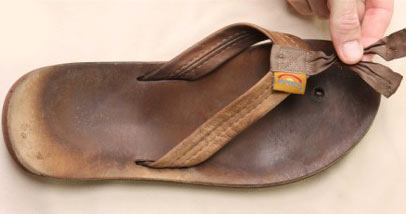
Leather footbeds can become more comfortable as they mold to your feet. Over time, they may show dark marks or develop a smooth, worn surface. This does not always mean the sandals are unsafe or ready for replacement.
The main concern is deep cracking, separation, or severe compression. A footbed that feels uneven can change how your foot lands and may cause discomfort during long walks.
Strong straps
The straps are often one of the longest-lasting parts of the sandal. Good leather can handle repeated bending, but sweat, salt, and water can weaken it over time.
A strap that is loose but still firmly attached may be manageable. A strap that pulls away from the sole, cracks deeply, or rubs your skin should be checked before continued use.
Rubber outsoles
The outsole protects your feet from hot ground, small stones, and rough surfaces. It also provides traction. As the rubber wears down, the tread becomes flatter and the sandal may slide more easily.
This matters most on wet floors, boat decks, pool areas, and smooth tile. A worn outsole can make an old pair less safe even if the upper still looks good.
Layered construction
Many Rainbow Sandals use bonded layers. This design keeps the sandal light and flexible, but heat and moisture can weaken the bond. Leaving the sandals in a hot car is especially hard on glue and leather.
The sandals may still look fine after one hot day. Repeated heat exposure, however, can cause the layers to lift or separate.

What affects how long Rainbow Sandals last?
Several daily habits can shorten or extend sandal life. Understanding these factors helps you make a better buying and care decision.
Frequency of wear
Daily wear creates more bending and friction than occasional use. If you wear the same pair every day, the footbed and sole receive pressure in the same areas.
Rotating between two pairs gives each pair time to dry and recover. This simple habit can help reduce odor, moisture damage, and uneven wear.
Water exposure
Rainbow Sandals can handle normal summer conditions, but repeated soaking is not ideal. Water can darken leather, loosen adhesive, and change the shape of the footbed.
Salt water is especially harsh because salt crystals can dry out leather and leave residue. Chlorinated pool water may also affect leather and glue when exposure happens often.
Sun and heat
Sunlight can fade leather and make some materials dry and stiff. High heat can soften adhesive and cause layers to separate.
Do not leave Rainbow Sandals on a car dashboard, near a heater, or on hot concrete for long periods. Let them air-dry in a shaded, well-ventilated place instead.
Walking surfaces
Smooth sidewalks are easier on sandals than sharp gravel or rough trails. Sand can also work into the strap area and create extra rubbing.
Rainbow Sandals are made for casual walking, travel, and warm-weather use. They are not a replacement for hiking shoes, work boots, or technical water shoes.
Foot shape and walking style
Your gait affects wear. Someone who places more pressure on the heel may wear that area first. Another person may create extra friction near the big toe or outer edge.
Wide feet, high arches, and uneven pressure can also stretch straps or compress the footbed faster. A good fit helps reduce this stress.

Signs your Rainbow Sandals need replacement
Knowing when to replace sandals is more useful than relying only on age. A three-year-old pair may be safe, while a six-month-old pair may already be badly worn.
Look for these warning signs:
• The sole is smooth and lacks useful tread.
• The heel or ball of the foot is worn down unevenly.
• The footbed has deep cracks or large splits.
• The strap is pulling away from the sole.
• The layers are separating around the edges.
• Your foot slides more than it did before.
• The sandals cause new pain, blisters, or rubbing.
• The sole bends or twists in a way it did not before.
A small stain is not usually a reason to replace the sandals. Structural damage is more important than appearance.
One lesson I have learned from testing and wearing casual sandals is that comfort can hide wear. A familiar pair may still feel soft even when the outsole has lost much of its grip. Check the bottom every few weeks if you wear your sandals often.

How to make Rainbow Sandals last longer
Good care does not require special tools. A few simple habits can add months or even years to the life of your sandals.
Keep them dry
If your sandals become wet, let them dry naturally at room temperature. Keep them away from direct sun and artificial heat.
Do not use a hair dryer. Fast heat can dry leather too quickly and weaken the adhesive.
Clean them gently
Use a soft, slightly damp cloth to remove dirt. For light marks, a small amount of mild soap mixed with water may help.
Avoid soaking the entire sandal. Do not use bleach, strong solvents, or harsh household cleaners because they can damage leather and glue.
Remove sand
Shake out loose sand after beach trips. Use a soft brush around the straps and footbed edges.
Sand acts like fine grit. It can increase friction and slowly wear down the leather when it stays trapped in the sandal.
Store them in a cool place
Store Rainbow Sandals flat in a dry, shaded area. Avoid sealed plastic bags if the sandals are even slightly damp.
A breathable shelf or fabric shoe bag is a better choice. Keep heavy items off them so the straps and footbed do not bend out of shape.
Rotate your pairs
If you wear sandals most days, alternate between two pairs. This gives moisture time to leave the footbed and reduces repeated stress on the same pressure points.
Rotation is one of the easiest answers to how long do Rainbow Sandals last because it reduces daily strain without changing your walking habits.
Use them for the right activities
Rainbow Sandals are suitable for casual use, but they are not designed for every setting. Use proper footwear for long hikes, construction work, running, or slippery water conditions.
Matching the footwear to the activity protects both your feet and the sandals.

Can you repair Rainbow Sandals?
Some minor problems may be repairable, but repairs are not always permanent. A shoe repair professional may be able to address a loose strap, worn edge, or small separation.
Do not rely on household glue for a major repair. Many general-purpose glues become brittle, slide under pressure, or react poorly with leather and rubber.
Consider repair when:
• The sole still has good tread.
• The footbed remains comfortable.
• The damage is small and limited to one area.
• A professional can restore the bond or stitching.
Replacement is usually better when the sole is thin, the footbed is badly compressed, or several parts are failing at once. A repair should restore safe function, not only improve appearance.
Rainbow Sandals also have warranty policies that may cover certain manufacturing defects. Warranty terms, exclusions, and claim steps can change, so check the current policy and keep your purchase details when possible. Normal wear, misuse, water damage, and accidental damage may not qualify.

Rainbow Sandals compared with other sandals
Rainbow Sandals often last longer than inexpensive foam flip-flops, but they may not outlast every premium sandal. Their lifespan sits between fashion footwear and highly technical outdoor footwear.
Cheap flip-flops may last one season because their foam compresses quickly. Premium sport sandals may handle water, hiking, and high-impact use better, but they can cost more and feel less like a classic leather sandal.
Rainbow Sandals are a strong choice if you want: