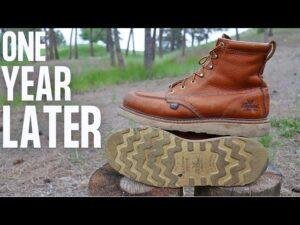
Thorogood boots usually last two to five years, while well-cared-for pairs can serve for much longer.
How long do Thorogood boots last depends on the model, your work, the fit, and how well you maintain them. A construction worker who wears the boots every day will use them far harder than someone who wears them for weekend projects. This guide explains the expected lifespan, signs of wear, care tips, repair options, and ways to get the best value from a pair of Thorogood boots.

How Long Do Thorogood Boots Last?
Most Thorogood boots last between two and five years with regular use. Boots worn indoors or on light jobs may last longer, while pairs used daily on concrete, asphalt, mud, or sharp materials may need major repairs within one to three years.
The construction of the boot matters. Many popular Thorogood work boots use a Goodyear storm welt or Goodyear welt. This design joins the upper, insole, welt, and outsole in a way that allows the sole to be replaced when it wears down.
In simple terms, a replaceable sole gives the boot a second life. A pair may look finished because the tread is smooth, but the upper leather and internal structure may still be strong.
How long do Thorogood boots last in real work conditions? A reasonable guide looks like this:
• Light use: Four to seven years
• Moderate work use: Two to five years
• Heavy daily use: One to three years before a resole may be needed
• Harsh outdoor work: One to two years, depending on moisture, chemicals, and abrasion
These ranges are estimates, not promises. Thorogood offers many styles, including wedge sole boots, logger boots, safety toe boots, waterproof boots, and insulated models. Each style handles wear in a different way.
What Affects the Lifespan of Thorogood Boots?
The main factors are workload, surface, moisture, fit, boot design, and care. Two people can buy the same Thorogood boots and get very different results.
A boot used on a clean shop floor faces less damage than one used on a roofing site. Likewise, a boot that dries naturally after each shift will usually last longer than one left wet in a truck.
Daily Use and Work Conditions
The surface under your feet has a major effect on boot life. Concrete is hard on outsoles because it creates constant abrasion. Gravel can cut the sole and scratch the leather. Mud can work into seams, while wet grass can keep the boot damp for hours.
Common wear conditions include:
• Concrete floors that smooth the tread quickly
• Asphalt that creates heat and heavy friction
• Gravel that damages the outsole and welt
• Mud that traps moisture and dirt
• Chemicals that dry or weaken leather
• Metal shavings that can cut the upper
If your work involves ladders, frequent kneeling, or climbing, the toe and flex points may wear faster than the rest of the boot.
Boot Materials and Construction
Full-grain leather is durable because it keeps the strongest outer part of the hide. It can develop scratches and creases, but those marks do not always mean the boot is failing.
The welt also matters. A stitched welt can often be repaired by a skilled boot repair shop. Cemented boots may be lighter and more flexible, but their soles are often harder to replace once the bond breaks.
A wedge sole offers comfort and good floor contact. It is popular among carpenters, electricians, and indoor workers. However, wedge soles can wear faster on rough pavement because the soft rubber or polyurethane surface touches the ground across the whole boot.
Fit and Foot Movement
A poor fit can shorten boot life. If your heel slips, your foot moves inside the boot and creates extra friction. If the toe box is too small, the upper may crease sharply and weaken around the front.
A good fit should provide:
• Firm heel hold without painful pressure
• Enough room to move your toes
• A snug midfoot fit
• No rubbing at the ankle
• Space for your normal work socks
Do not assume a painful break-in period is normal. Leather may soften, but severe pressure points often remain problems.
Weather and Moisture
Water is one of the biggest threats to leather work boots. Wet leather can stretch, lose shape, and dry out if exposed to strong heat. Repeated wet and dry cycles can also affect stitching, adhesives, and the footbed.
Waterproof Thorogood boots can help in wet settings, but no waterproof membrane lasts forever. Punctures, worn seams, and damaged leather can allow water to enter.
How long do Thorogood boots last in wet work? They may still last for years, but they need more drying time and care than boots used in a dry shop.
Cleaning and Maintenance
Dirt acts like sandpaper. It can work into leather creases and slowly remove natural oils. Salt and road chemicals can also leave pale marks and stiffen the leather.
Simple care can add months or years to a boot’s useful life:
• Brush off dirt after work
• Wipe away mud before it dries
• Let wet boots dry at room temperature
• Use leather conditioner when the leather looks dry
• Replace worn laces before they damage the eyelets
• Keep the boots away from heaters and open flames
• Use cedar or plain boot trees when possible
How Long Do Different Thorogood Boot Styles Last?
Thorogood does not make one single type of work boot. The expected lifespan changes based on the sole, upper, safety features, and job.
Thorogood Moc Toe Boots
Thorogood moc toe boots are known for comfort and their wedge-style soles. They are common among indoor trades, carpenters, warehouse workers, and contractors.
The leather upper can last several years with good care. The wedge sole may wear sooner, especially on concrete or rough outdoor surfaces. Many owners resole these boots instead of replacing them when the tread becomes smooth.
For moderate use, a moc toe pair may need a resole after one to three years. The exact timing depends on how much you walk and the surface beneath you.
Thorogood Safety Toe Boots
Safety toe boots protect against impact and compression hazards. The toe cap itself may remain strong for years, but the surrounding leather and sole can wear out first.
Inspect the toe area often. Deep cracks, exposed toe material, separation around the cap, or a loose safety toe are serious warning signs.
A safety toe boot should not be kept for work simply because the toe cap still feels solid. The entire boot must remain structurally sound and suitable for the job.
Thorogood Waterproof Boots
Waterproof styles can be useful for landscaping, utility work, and rainy conditions. Their life depends heavily on how often they get wet and how they dry.
The waterproof barrier may fail before the leather looks badly worn. If water repeatedly enters through the same area, check the seams, tongue, and upper for damage.
Avoid placing waterproof boots on a radiator or near a heater. High heat can shrink leather and harm waterproof materials.
Thorogood Logger and Outdoor Boots
Logger-style boots often have taller shafts, deeper lugs, and stronger support. They are built for uneven ground and demanding outdoor work.
Their lugged soles may last longer than a soft wedge sole on trails, soil, and rough ground. However, sharp rocks, chainsaw work, mud, and constant flexing can still cause fast wear.
Outdoor boots also need careful cleaning. Dirt trapped around the welt can hold moisture against the boot and encourage early damage.
Signs Your Thorogood Boots Need a Resole
A resole can be cheaper than a new pair when the upper and welt remain healthy. Do not wait until you can feel the ground through the boot.
Look for these signs:
• The tread is nearly smooth
• The heel is worn at an angle
• The sole feels thin or flexible in an unusual way
• The outsole is separating from the welt
• You slip more often on surfaces that once felt safe
• The midsole shows deep cracks
• Your feet feel less supported at the end of a shift
A worn heel can also affect your posture and walking pattern. This may lead to sore knees, hips, or lower back discomfort.
A boot repair professional can inspect the welt, upper, shank, and insole. If the leather is sound and the stitching is intact, a resole may restore much of the boot’s function.
When Should You Replace Thorogood Boots?
Some damage is too serious for a simple resole. Replace the boots when the upper, structure, or safety features are no longer reliable.
Replace your Thorogood boots if you notice:
• Large cracks through the leather
• A separated or badly damaged welt
• A broken shank or collapsed structure
• A safety toe that is loose or damaged
• A waterproof membrane that no longer works for your job
• Severe interior wear that causes pain or blisters
• A sole that cannot be securely attached
• Chemical damage that has changed the leather texture
A resole cannot fix every problem. It replaces the bottom of the boot, but it does not rebuild badly damaged leather or restore a broken safety feature.
For workplace protection, follow your employer’s rules and the requirements for your job. A boot that looks acceptable may still fail to provide the protection you need.
How to Make Thorogood Boots Last Longer
The best way to extend boot life is to create a simple routine. You do not need expensive products or hours of work.
Use a Two-Pair Rotation
Wearing the same boots every day gives sweat and moisture no time to leave. A second pair allows each pair to rest and dry for at least one full day.
This is one of the most effective ways to improve how long Thorogood boots last. It also makes each pair feel fresher and may reduce odor.
Dry Boots Slowly
If the boots are wet, remove the insoles and open the laces. Place them in a dry, ventilated room.
Do not use:
• Hair dryers
• Radiators
• Wood stoves
• Direct high heat
Slow drying helps protect the leather’s shape and natural oils.
Clean Them Often
A quick brush after work can prevent deep dirt from building up. For heavy mud, use a damp cloth or soft brush. Avoid soaking the boots unless the product instructions allow it.
Let the boots dry before applying conditioner. Conditioning dirty leather can trap grit against the surface.
Condition the Leather
Leather conditioner helps prevent dryness and stiffness. Apply a small amount first in a hidden spot because products can darken leather.
Use conditioner when the leather looks dull, dry, or rough. Too much conditioner can make the leather soft and reduce its ability to hold its shape.
Protect the Soles
Avoid dragging your feet. This wears down the toe and heel faster than normal walking.
Try to step carefully around oil, solvents, and harsh chemicals. Not every outsole material reacts the same way, and chemical damage may not be covered by a normal warranty.
Replace Insoles and Laces
A worn insole can make a healthy boot feel finished. Replacing it may restore comfort and support at a low cost.
Fresh laces also help keep the foot secure. Loose boots flex in the wrong places and create extra strain on the upper.
Store Boots Correctly
Store boots in a cool, dry space with good air movement. Keep them away from direct sunlight and damp basements.
Do not store wet boots in a closed plastic container. Trapped moisture can create odor, mildew, and leather damage.
My Practical Experience With Thorogood Boot Wear
When I compare heavily used work boots, I pay close attention to the sole, heel, toe crease, and inside lining. The outside leather often looks fine even when the footbed has lost support or the heel has worn unevenly.
One common mistake is waiting too long to clean mud from the welt. Once dirt dries in that seam, it becomes difficult to remove without stressing the stitching. A short cleaning routine at the end of the week is far easier than trying to restore a neglected pair months later.
Another lesson is that comfort can hide wear. A soft, broken-in boot may feel great while the outsole is already too thin for safe work. I recommend checking the tread every few weeks, especially if you walk on concrete all day.
I have also found that many workers blame the boot when the real problem is fit. A boot that is too wide can cause heel movement, while a boot that is too narrow creates pressure at the toe. Proper sizing, suitable socks, and a short break-in period make a major difference.
The most useful rule is simple: treat work boots like tools. Clean them, inspect them, and repair them before a small problem becomes an expensive failure.
Thorogood Boot Warranty and Repair Considerations
Thorogood products may include warranty coverage for manufacturing defects, but normal wear is usually treated differently. A worn sole, scuffed leather, or damaged boot caused by job conditions may not qualify as a defect.
Before making a claim, check the current warranty terms for your exact model. Keep your receipt when possible, and take clear photos of the damage.
A repair shop can often help with:
• Resoles
• Heel replacement
• Stitching repairs
• Eyelet replacement
• Insole replacement
• Minor leather patching
The quality of the repair matters. A skilled work-boot repairer can tell you whether the welt and upper are strong enough for another sole. If the foundation is damaged, spending money on a resole may not be worthwhile.
Thorogood Boots Compared With Other Work Boots
Thorogood boots compete with several well-known work boot brands. Lifespan comparisons are difficult because brands offer different designs and because work conditions vary.
A stitch-down or welted boot may offer better repair potential than a fully cemented boot. A cemented boot may feel lighter and more flexible, but its sole replacement options can be limited.
The best choice depends on your priorities:
• Choose a welted boot if you value repairability and long-term ownership.
• Choose a wedge sole if you want comfort on flat indoor surfaces.
• Choose a lug sole if you work outdoors on uneven ground.
• Choose a waterproof model if wet conditions are common.
• Choose a safety toe model if your job has impact or compression risks.
Price alone does not determine value. A less expensive boot that cannot be repaired may cost more over time than a higher-priced pair that receives one or two resoles.
How long do Thorogood boots last compared with other work boots? They can perform very well, but no work boot is immune to abrasion, water, chemicals, poor fit, or neglect.
How Much Does It Cost to Maintain Thorogood Boots?
Maintenance costs vary by location and repair type. Basic care may cost very little because brushing, drying, and proper storage require only time.
Typical expenses may include:
• Leather conditioner: About $10 to $25
• Replacement insoles: About $15 to $40
• Replacement laces: About $5 to $15
• Professional resole: Often $100 to $200 or more
• Heel repair: Often less than a full resole
Prices change by region, materials, labor, and the repair shop. Always ask for an estimate before authorizing work.
A resole can make financial sense when the boots fit well and the leather remains strong. It may not make sense when the new repair cost approaches the price of a new pair.
Common Mistakes That Shorten Boot Life
Avoiding a few simple mistakes can add real life to your boots.
• Wearing wet boots again before they dry
• Drying leather with intense heat
• Applying conditioner over thick mud
• Using household oils that weaken or darken leather
• Ignoring a worn heel
• Walking with loose laces
• Storing boots in a damp vehicle
• Using the wrong boot for the work surface
• Waiting until the sole is completely smooth before seeking repair
One especially common mistake is using a soft wedge sole on rough outdoor ground every day. The boot may be comfortable, but its sole can wear much faster than a deep-lug design.
Another mistake is assuming a waterproof boot needs no care. Waterproof materials still need cleaning, and damaged leather can allow water to reach the inside.
How to Check Thorogood Boots Before Buying
A careful inspection can help you choose boots that match your work.
Check these features:
• Leather quality and thickness
• Stitching around the welt
• Sole material and tread depth
• Safety toe certification, if required
• Waterproof construction, if needed
• Heel shape and support
• Toe box width
• Return and warranty terms
Think about your workday. Do you stand on concrete, climb ladders, walk through mud, or work around oil? The right boot design can improve comfort and extend service life.
Try boots on with the socks you normally wear at work. Walk up stairs, bend your knees, and check for heel lift. A small fit problem in the store can become a major issue after ten hours on the job.
Frequently Asked Questions About How Long Do Thorogood Boots Last
How long do Thorogood boots last with daily use?
Thorogood boots often last one to three years before they need a major repair when worn daily on demanding job sites. With proper care and a resole, the leather upper may last much longer.
Are Thorogood boots worth the money?
Thorogood boots can be worth the money if you value comfort, durable leather, and repairable construction. Their long-term value improves when the boot fits well and receives regular maintenance.
Can Thorogood boots be resoled?
Many Thorogood welted boots can be resoled by a qualified repair shop. The upper, welt, and internal structure must still be in good condition for the repair to make sense.
Do Thorogood boots run true to size?
Fit can vary by model, last, and foot shape. Check the model’s sizing details and try the boots on with your normal work socks before wearing them for a full shift.
How do you clean Thorogood work boots?
Brush away dry dirt, wipe the leather with a damp cloth, and let the boots dry at room temperature. Apply a suitable leather conditioner only after the boots are clean and dry.
How often should Thorogood boots be replaced?
Replace them when the leather, safety features, welt, or structure can no longer provide reliable support and protection. A worn outsole alone may call for a resole instead of complete replacement.
Conclusion
So, how long do Thorogood boots last? Most pairs provide about two to five years of service, but heavy work may shorten that period, while good care, rotation, and resoling can extend it.
Choose the sole for your work surface, get the fit right, dry the boots slowly, and inspect them before small problems spread. If your Thorogood boots still have strong leather and a healthy welt, repair may give them many more miles.
Use these tips during your next boot inspection, and share your own Thorogood experience or maintenance routine in the comments.
Rubel Miah is the Senior Editor at MyStyleGrid.com, where he brings a sharp editorial eye and an unshakable love for fashion to everything he does. A true style addict, Rubel lives and breathes trends, from streetwear to high fashion, and has a knack for turning inspiration into impactful stories. With years of experience in fashion journalism and digital media, he curates content that empowers readers to express themselves through style. When he’s not editing features or forecasting the next big thing, you’ll find him hunting down vintage pieces or capturing street style moments around the city.