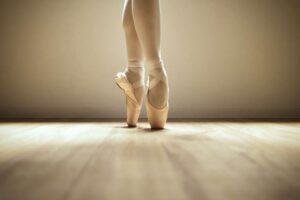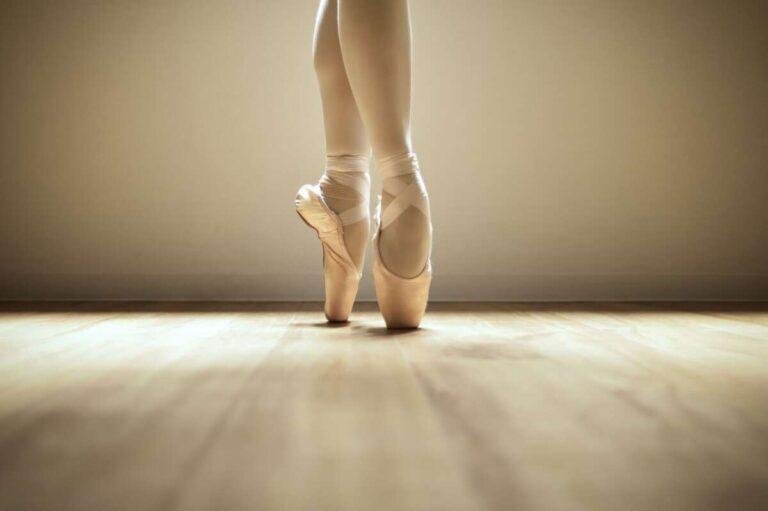
Pointe shoes usually last about 10 to 20 hours of dancing, but the real answer depends on the dancer, the shoe, the studio floor, and how the shoes are cared for. A beginner may get several weeks from one pair because they use less force. A professional dancer may wear out a pair in one performance or rehearsal day.
In the United States, there is no fixed replacement date for pointe shoes. The safest rule is simple: replace them when they no longer support your foot or when the structure has weakened. Do not keep wearing a pair just because the satin still looks clean.
This guide explains how to tell when pointe shoes are worn out, what affects their life, and how to help a new pair last longer.

The short answer: How long do pointe shoes last?
Most pointe shoes last between 10 and 20 hours of active use. That range is only a guide, not a guarantee.
A pair may last:
- A few classes for a strong dancer who practices many pointe exercises
- One to two weeks for a student with several classes per week
- Several weeks or longer for a beginner with limited pointe time
- One performance or rehearsal day for a professional dancer
- Much longer in storage, if the shoes are not being used
The shoe’s life is measured better in hours of dancing than in calendar days. A dancer who attends one 90-minute pointe class each week may use a pair for many weeks. A dancer rehearsing six hours a day may wear out the same pair quickly.
The American Ballet Theatre’s health and wellness guidance also emphasizes that pointe shoes must fit correctly and be replaced when they lose their needed support. A shoe that feels soft, twisted, or unstable may no longer protect the dancer, even if it looks usable.
A useful estimate
| Dancer or use pattern | Possible shoe life |
|---|---|
| Beginner with light pointe work | 20–40 hours |
| Intermediate student | 10–20 hours |
| Advanced student with frequent classes | 8–15 hours |
| Professional or pre-professional dancer | 1–10 hours |
| Very strong or heavy-use rehearsal schedule | Less than 5 hours |
These are practical ranges, not laboratory results. Brand, model, foot shape, technique, body weight, floor surface, and preparation can change the result.
What makes pointe shoes wear out?
Pointe shoes wear out because their main support parts soften, compress, or lose their shape. The most important parts are the shank, box, platform, and insole.
The shank runs under the sole of the foot. It helps support the arch when the dancer rises onto pointe. A worn shank may bend too easily, fold, or stop supporting the arch.
The box surrounds the toes. It helps hold the foot in a stable position. When the box becomes crushed, loose, or misshapen, the toes may sink or the foot may slide.
The platform is the flat end of the box. It gives the dancer a base for balancing. A platform that tilts, collapses, or becomes uneven can make simple movements feel unsafe.
The insole sits inside the shoe. It can loosen or peel away from the shoe. This may create movement inside the shoe and reduce control.
Most pointe shoes use materials such as paste, glue, fabric, leather, and cardboard. Moisture from sweat softens some materials. Heat and repeated bending also speed up wear.


How can you tell when pointe shoes are worn out?
The best way to judge a pointe shoe is to check both its condition and its performance. A shoe may need replacement before it shows major damage on the outside.
Look for these signs:
The shank bends too easily
Place the shoe on a flat surface and inspect the shank. If it bends sharply with little pressure, it may no longer give enough support.
Do not expect the shank to stay perfectly stiff. Pointe shoes need some flexibility. The concern is a sudden loss of support or a bend that does not match the dancer’s arch.
The box feels soft or crushed
Press the sides of the box gently. If the box feels weak, collapsed, or loose around the toes, the shoe may not hold the foot well.
A crushed box can also cause the toes to curl or the foot to slide forward. That can increase pressure on the toenails and joints.
The platform is no longer stable
Stand at the barre and rise slowly to pointe. If the platform rocks, twists, or feels uneven, stop and ask a teacher to check the shoes.
A platform does not need to look perfect. It does need to provide a stable base for the dancer’s weight.
The foot sinks inside the shoe
A dancer may feel the toes drop lower into the box. The shoe may also feel longer or looser than it did at the start.
This is a key warning sign. A loose shoe can increase friction and reduce control.
The shoe twists
Look at the shoe from behind while the dancer rises. If the shoe turns to one side or the heel shifts out of line, the shoe may be too worn, poorly fitted, or both.
Twisting is not always caused by wear. Weak foot strength, alignment problems, or an incorrect shoe can also cause it.
The shoe makes a new “dead” feeling
Some dancers describe a worn shoe as dead. This usually means the shoe no longer gives the same response during relevé, tendu, or balance work.
The feeling is useful, but it should not be the only test. A dancer should have a teacher or qualified fitter confirm the problem.


The shoe causes new pain
New pain, numbness, bruising, or loss of toenail health is a reason to stop and reassess. Do not try to solve a fitting problem by adding more padding.
Persistent pain should be discussed with a ballet teacher and, when needed, a medical professional such as a podiatrist or sports medicine clinician.
How should you check a pair before class?
Use this quick check before a class, rehearsal, or performance:
- Look at the box. Check for crushing, tears, or a change in shape.
- Check the platform. Make sure it sits flat and does not wobble.
- Test the shank. Look for an unexpected soft spot or sharp fold.
- Inspect the inside. Check for loose lining, rough seams, or a detached insole.
- Put on both shoes. Compare the fit from left to right.
- Rise at the barre. Notice whether the shoes twist, slip, or feel unstable.
- Ask for a second opinion. Have your teacher or fitter watch you walk and rise.
Never test a questionable pair through a full rehearsal just to “see how long it lasts.” A failed shoe can increase the risk of falls and foot injuries.
A simple video can help with comparison. Ask someone to record a few relevés from the front, side, and back. Review the footage with your teacher, not by yourself alone.
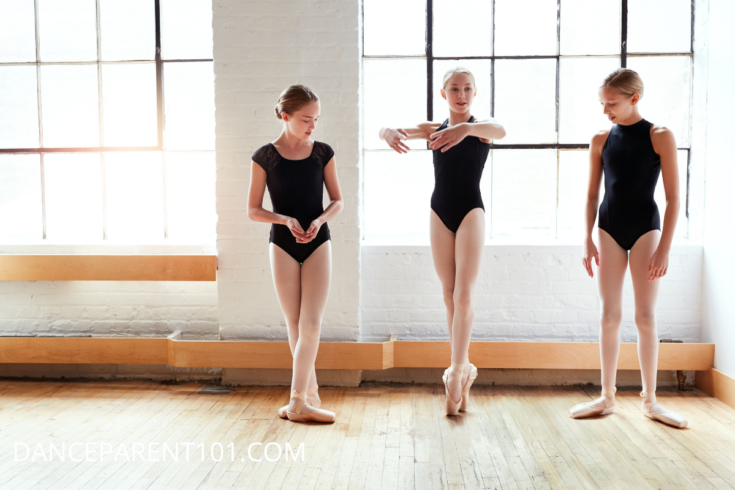
Which factors affect pointe shoe lifespan?
The same model may last a few hours for one dancer and several weeks for another. These factors explain much of the difference.
Training volume
More pointe work means faster wear. Repeated rises, jumps, pointe runs, and changes of direction place more stress on the box and shank.
A dancer who uses pointe shoes for one short class each week will usually get more calendar time from a pair than a dancer who rehearses daily.
Technique and alignment
Good alignment can help a shoe work as designed. Poor alignment may force the shoe to bend, twist, or collapse in unusual places.
This does not mean worn shoes are always caused by poor technique. Even a well-trained dancer can wear out shoes quickly through heavy use.
Body weight and force
The force placed on a shoe depends on more than body weight. Landing style, jump height, speed, and the number of repetitions also matter.
A strong dancer may destroy a soft shoe quickly. Another dancer may need a softer model because a stiff shoe does not let the foot move well.
Foot shape
Long toes, tapered toes, wide feet, narrow heels, flexible arches, and compressible feet all affect how a shoe wears.
If one part of the shoe fails much sooner than the rest, the fit may need review. Repeatedly replacing shoes without checking the fit can become expensive and may leave the underlying problem unsolved.


Floor surface
A sprung marley studio floor usually affects shoes differently from a hard floor. Outdoor surfaces, unfinished floors, and rough stages can damage satin and increase wear.
Some dancers use a separate pair for rehearsal and performance. This can help preserve a performance pair, but only if both pairs are properly fitted and safe.
Shoe model and construction
Pointe shoes differ in shank strength, box shape, paste, vamp length, platform design, and flexibility. A shoe made for a light, flexible foot may not last long on a dancer who needs strong support.
A more expensive shoe is not automatically more durable. A longer-lasting shoe is not automatically safer. The correct fit and function matter more than price.
Moisture and drying habits
Sweat is one of the biggest threats to pointe shoes. Moisture can soften the paste and other materials.
After class, remove the shoes from the dance bag. Let them dry in an open, well-ventilated place. Do not place them on a radiator, near a heater, in a clothes dryer, or in direct strong heat. Fast heat can damage the shoe and may cause uneven drying.

How can you make pointe shoes last longer?
You cannot make a worn-out shoe safe again, but good care may slow normal damage.
Rotate pairs when appropriate
If your teacher and fitter approve, rotate two properly fitted pairs. This gives each pair more time to dry between uses.
Rotation does not fix a poor fit. It also does not mean you should keep a pair that has lost support.
Dry shoes after every use
Take the shoes out of the dance bag as soon as possible. Remove damp padding if the product allows it, and let the shoes air out.
Never seal wet shoes in plastic for long periods. A closed, damp bag can speed up softening and odor.
Keep shoes in a breathable bag
A mesh or fabric bag allows air to move around the shoes. Keep the bag clean and avoid storing pointe shoes with wet clothing.
Use rosin carefully
Some dancers use rosin to improve grip. Too much rosin can collect dirt and create uneven traction. Use only what your studio or teacher allows.
Do not add glue, shellac, or other hardening products without guidance from a qualified pointe shoe fitter or teacher. These changes can alter the shoe and create new pressure points.


Avoid unnecessary bending
Do not crush the box, bend the shank sharply, or stand on the shoes to “break them in.” The shoe should be prepared for the dancer’s foot and technique, not forced into shape at random.
Some studios allow specific preparation methods. Follow the instructions from your teacher or fitter.
Keep a shoe-use log
Write down:
- The date you first wore the pair
- Class and rehearsal hours
- The floor used
- When the shoes became damp
- Any pain or fit changes
- The date the pair was retired
After a few pairs, the pattern becomes clear. You may learn that your shoes last 12 hours, not three weeks. That number can help you plan purchases.
Should you replace pointe shoes by time or by feel?
Replace pointe shoes by condition and function, not by a calendar rule.
A pair that is three months old may still be suitable for a beginner with very little use. A pair that is three days old may be unsafe after an intense rehearsal schedule.
Use the calendar only as a reminder to inspect the shoes. The actual decision should consider:
- Hours of pointe work
- Support from the shank
- Shape of the box
- Stability of the platform
- Heel and side fit
- New pain or numbness
- Advice from the teacher or fitter
If the shoe fails one of these checks, do not wait for a set number of hours.

Can pointe shoes be repaired?
Some small problems can be repaired, but repair is not the same as restoring full support.
A loose ribbon or elastic can usually be replaced. A worn drawstring may also be repairable. A torn satin outer layer may be cosmetic if the structure inside remains sound.
A crushed box, broken shank, detached sole, or unstable platform usually means the shoe should be retired. Glue may hold a surface in place, but it cannot reliably rebuild the original support.
Ask a qualified fitter or experienced ballet teacher before using a repaired pair for demanding work. If the shoe has failed under the foot, replacement is often the safer choice.
Common mistakes that shorten shoe life—or increase risk
Wearing damp shoes again
This can soften the shoe and make it fail sooner. Let the pair dry first.
Keeping shoes because they look clean
Pointe shoes can lose support while the satin still looks fine. Appearance is a poor replacement test.
Buying a harder shoe to make it last
A harder shoe may resist bending, but it may also prevent the foot from working correctly. It can create pressure or encourage poor alignment.
Using extra padding to hide a bad fit
Padding can reduce friction in some cases. It cannot correct the wrong box shape, length, width, or heel fit.
Breaking in shoes without guidance
Cutting, bending, wetting, or gluing a shoe can change its structure. Use only methods approved by your teacher and fitter.
Practicing through pain
Pain is not proof that pointe work is effective. Stop if you have sharp pain, numbness, severe rubbing, bruising, or a loss of balance.
When should you see a teacher, fitter, or medical professional?
Ask your ballet teacher or a professional pointe shoe fitter when:
- A new pair feels unstable
- One foot needs a different adjustment
- The shoe twists or slips
- You cannot rise fully over the platform
- The box causes repeated pressure
- Your shoes fail much sooner than expected
Seek medical care for ongoing pain, swelling, numbness, open blisters, repeated stress injuries, severe bruising, or changes in the toenails. A pointe shoe fitting cannot diagnose a foot injury.
Young dancers should not start pointe work based only on age or a shoe purchase. Readiness depends on strength, technique, alignment, training history, and guidance from a qualified teacher.
Frequently asked questions
How long do pointe shoes last for beginners?
Beginner pointe shoes often last longer by calendar time because beginners spend less time on pointe. A pair may last 20 to 40 hours, but the range is wide. A teacher should check the shoes often because beginners may not recognize early signs of failure.
How often do professional dancers replace pointe shoes?
Some professional dancers replace shoes after one performance or rehearsal day. Others use a pair for several days. The answer depends on the role, choreography, floor, shoe model, and dancer’s technique.
Can pointe shoes last a year?
They can last a year in storage or with very limited use. A pair used regularly for pointe classes should not be kept for a year based on age alone. Inspect the shoes every time you use them.
Why do my pointe shoes die so fast?
Fast wear may come from heavy training, sweat, floor conditions, a soft shoe, or a fit problem. Have your teacher watch you rise and check whether the shoe bends, twists, or compresses in the wrong place.
Is it safe to dance in dead pointe shoes?
No. A dead shoe may not support the foot or provide a stable platform. Retire it when it no longer performs correctly, even if the damage is not dramatic.
Key takeaways
- Most pointe shoes last about 10 to 20 hours of dancing, but some last far less or much longer.
- Count use in dance hours, not weeks or months.
- Replace a pair when the shank, box, platform, or fit no longer provides stable support.
- Dry shoes after every use and store them in a breathable bag.
- Do not use glue, heat, or extra padding to hide a failed shoe.
- Ask a qualified teacher or pointe shoe fitter to check uncertain pairs.
- Stop and seek medical advice for persistent pain, numbness, swelling, or injury signs.
The safest next step is to inspect your current pair before class, record how many hours you have used them, and ask your teacher to watch you rise on pointe. That combination gives a more reliable answer than the shoe’s age or appearance.
Sources consulted
- American Ballet Theatre — Pointe Shoes
- Gaynor Minden — Pointe Shoe Care
- Capezio — Pointe Shoe Care and Fitting Resources
- The Pointe Shop — Pointe Shoe Fitting and Care Resources

Rubel Miah is the Senior Editor at MyStyleGrid.com, where he brings a sharp editorial eye and an unshakable love for fashion to everything he does. A true style addict, Rubel lives and breathes trends, from streetwear to high fashion, and has a knack for turning inspiration into impactful stories. With years of experience in fashion journalism and digital media, he curates content that empowers readers to express themselves through style. When he’s not editing features or forecasting the next big thing, you’ll find him hunting down vintage pieces or capturing street style moments around the city.