Pick lightweight mesh uppers, roomy fit, moisture-wicking insoles, and strong airflow features.
I’ve spent years testing shoes in heat, running errands and training in summer, and advising people on how to choose breathable sneakers for hot weather. This guide breaks the science and the practical tips into simple steps. You’ll learn what materials, fit, and features matter. I’ll share real tests, mistakes I made, and a clear checklist you can use before you buy.

Why breathability matters in hot weather and what it really does
Breathable sneakers help air move around your foot. They cut sweat buildup. They stop blisters and stink.
When you know how to choose breathable sneakers for hot weather you reduce overheating and feel fresher.
Good breathability also speeds drying after a quick rain or a sweaty run. This keeps shoes lighter and more comfortable.
Key features to look for when you want breathable sneakers for hot weather
Think of breathability as airflow plus moisture control. Look for these features.
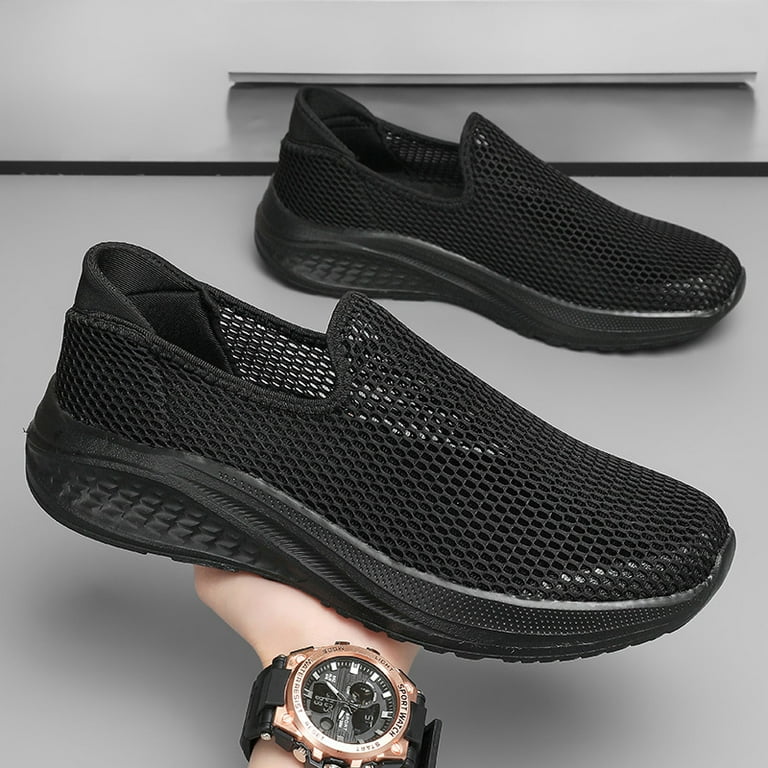
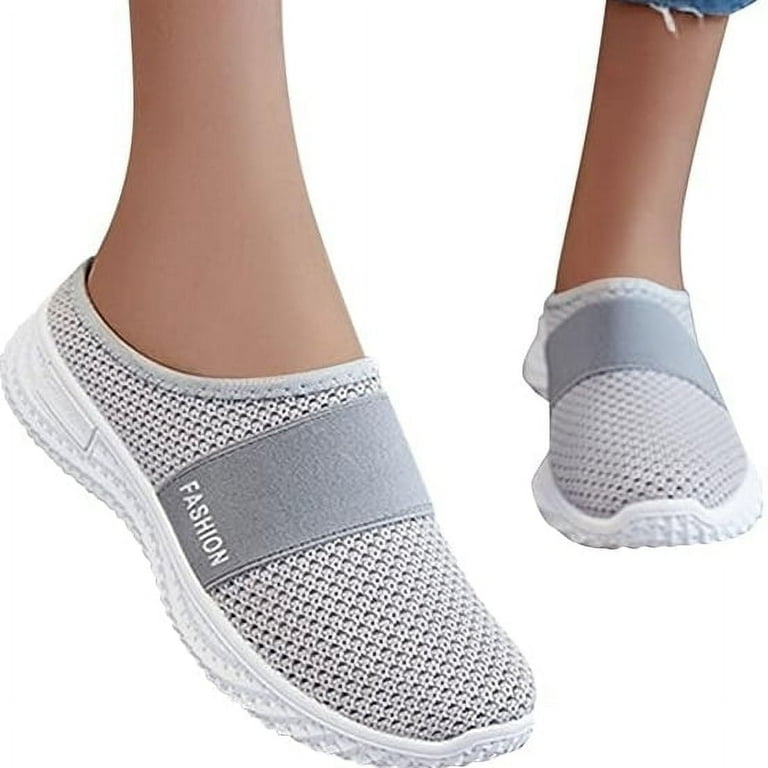
- Lightweight mesh or knit upper that has visible holes for airflow.
- Open weave construction that moves air but still holds shape.
- Moisture-wicking sockliner or removable insole that dries fast.
- Low or perforated tongue and side vents to let heat escape.
- Lightweight midsole materials like EVA or foam that do not trap heat.
- Minimal waterproof membranes; avoid Gore-Tex or sealed liners for hot weather.
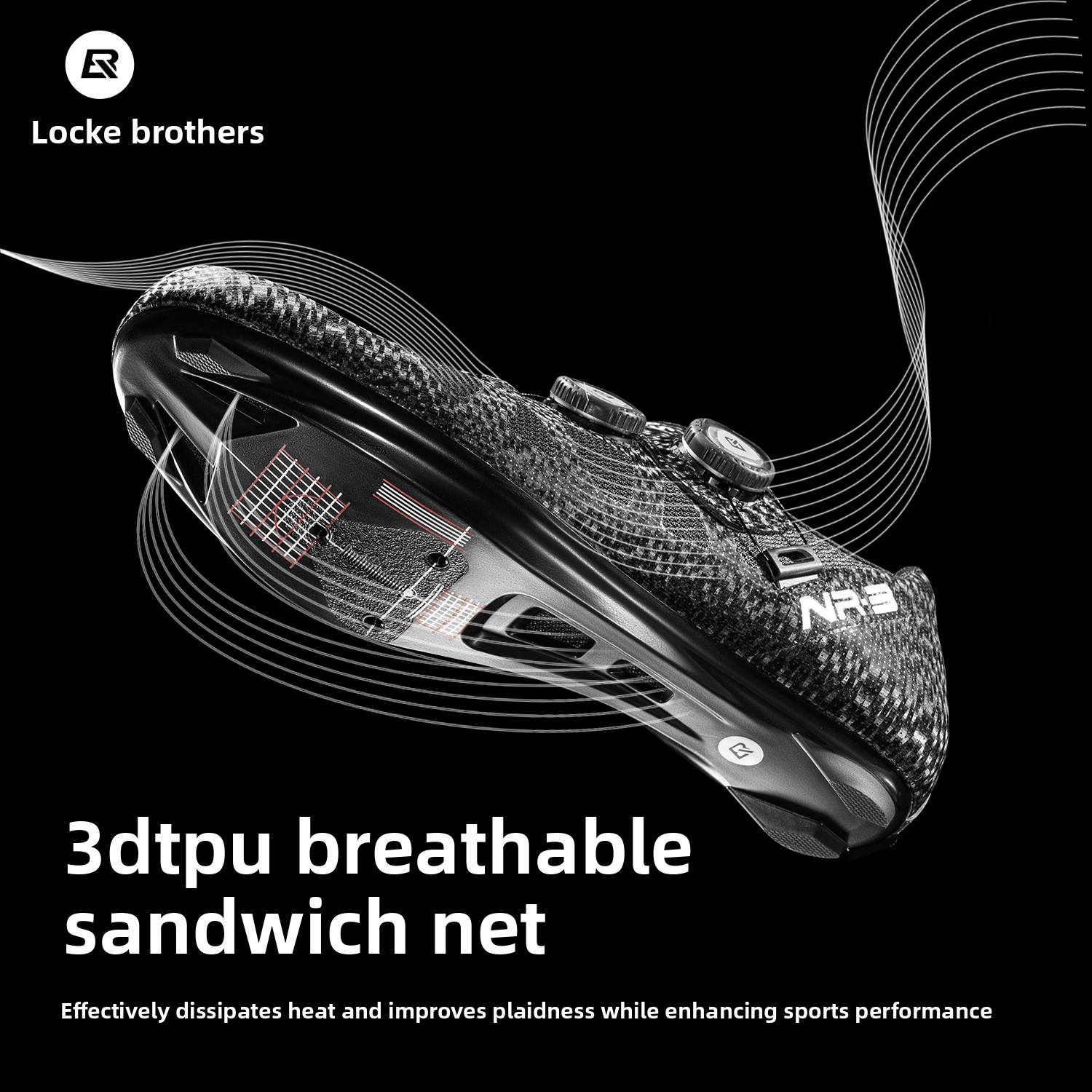
- Breathable outsole patterns with channels that aid airflow when you walk.
- Roomy toe box so air circulates and toes do not press on the upper.
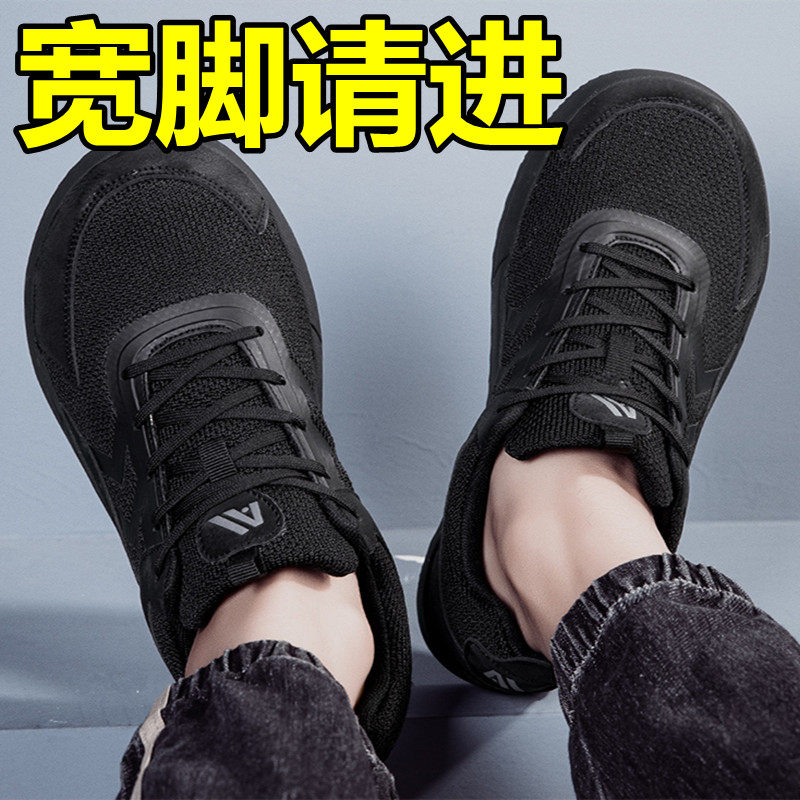
Best materials and construction for hot weather sneakers
Materials matter more than style. Here’s how to read tags and feel the shoe.
- Knit and engineered mesh
- Pros: Very open structure. Great airflow. Lightweight.
- Cons: Less structure for heavy hikes.
- Perforated leather or suede
- Pros: Durable and looks neat. Perforations add airflow.
- Cons: Less breathable than mesh when dense.
- Synthetic overlays
- Pros: Add structure without blocking all air.
- Cons: Too many overlays reduce breathability.
- Avoid waterproof membranes
- Note: Membranes block water and also block airflow. Not ideal for hot weather.
- Insoles and linings
- Look for materials labeled moisture-wicking, anti-microbial, or quick-dry.
- Removable insoles let you air-dry or swap with cooler options.
Fit and sizing tips that boost breathability
Fit changes how well a shoe breathes. A tight shoe traps heat. A loose shoe lets air move.
- Size up slightly if you plan long summer walks or runs.
- Ensure a roomy toe box so sweat can evaporate.
- Check heel fit; a locked heel prevents friction and blisters.
- Prefer lacing systems that let you loosen midfoot for more airflow.
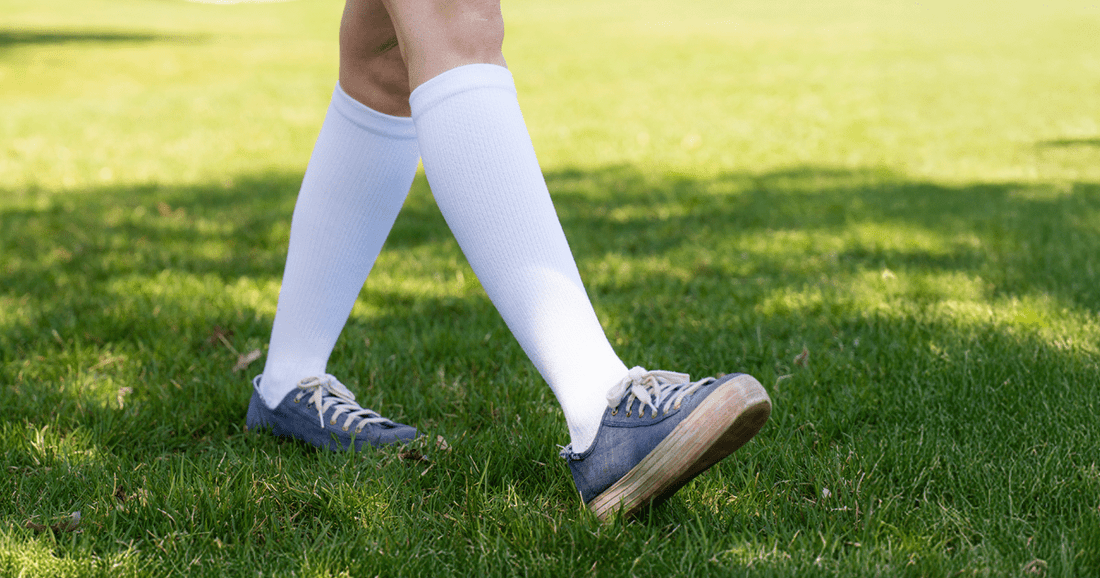
- Use thin, moisture-wicking socks to improve ventilation.
- Try shoes on in warm conditions or after a short walk to simulate foot swell.
Choosing breathable sneakers for different activities
You’ll pick different sneakers for a city walk, a run, or a hike. Here’s what I recommend.
- Walking and casual use
- Choose lightweight mesh, a cushioned midsole, and a roomy fit.
- Running
- Prioritize engineered mesh uppers, breathable sockliner, and secure heel.
- Gym and cross-training
- Look for hybrid designs with mesh panels and stable soles.
- Trail hiking
- Pick shoes with breathable mesh plus protective overlays. Avoid full waterproof membranes in hot climates.
- Travel and commuting
- Choose shoes that dry fast and have removable insoles for cleaning.
Care, maintenance, and odor control for summer sneakers
Good care keeps breathable sneakers working well.
- Air them out after use by removing insoles and placing shoes in a ventilated spot.
- Hand wash mesh with mild soap and let them dry in shade. Avoid dryers.
- Use quick-dry insoles or replace foam insoles with summer-specific models.
- Sprinkle baking soda or use odor-fighting powder sparingly to cut smell.
- Rotate shoes. Let one pair dry fully before wearing again.
Common mistakes and a simple buying checklist
Avoid these errors I made the first time I chased cool shoes.
Common mistakes I made
- Buying waterproof shoes for summer. They felt hot and clammy.
- Choosing extremely tight shoes for a snug look. My feet overheated.
- Ignoring sock choice. Thick cotton socks trapped sweat.
Quick buying checklist to use in store or online
- Check product description: look for mesh, knit, or engineered upper.
- Confirm insoles are removable and labeled quick-dry or moisture-wicking.
- Read reviews for hot-weather use or summer testing.
- Try shoes later in the day when feet are a bit swollen.
- Verify return policy in case the fit reduces ventilation.

Personal experience: tests, lessons, and what worked for me
I’ve tested many shoes over years of summer runs and walks. I learned things the hard way.
- I once bought a stylish leather sneaker with tiny perforations. It looked cool but felt hot on long walks. Lesson: look for open mesh, not tiny holes.
- I switched from thick cotton socks to thin synthetic socks and saw sweat drop and drying time cut in half.
- Removable insoles let me swap in ultra-breathable options on hot days. That small change made big comfort gains.
- For trail days, a breathable shoe with protective overlays kept my feet cool while protecting against rocks.
These small tests shaped how I teach people how to choose breathable sneakers for hot weather. Try small experiments: change socks, swap insoles, or size up to find your best combo.
Frequently Asked Questions of how to choose breathable sneakers for hot weather
How do I test breathability in a store?
Look and feel. Hold the shoe up to light to see holes. Press the mesh; if it flexes and you can feel air, it breathes. Try a quick walk to sense heat and fit.
Are waterproof sneakers bad for hot weather?
Yes, most waterproof liners reduce airflow and trap sweat. They are good for wet, cool weather but not ideal for hot conditions.
Should I buy shoes one size larger for summer?
Often yes. Feet swell in heat. A slight size up or half size provides room for air and reduces pressure that traps heat.
Can I make non-breathable shoes more breathable?
You can change insoles and use breathable socks, but structural barriers like sealed membranes are hard to fix. Buying a truly breathable pair is better.
What socks work best with breathable sneakers?
Thin, synthetic socks that wick moisture are best. Avoid thick cotton socks; they hold sweat and slow drying.
Conclusion
Choosing breathable sneakers for hot weather is about materials, fit, and simple care. Pick mesh or knit uppers, removable quick-dry insoles, and a roomy fit. Test shoes in warm conditions, use thin socks, and rotate pairs to keep shoes fresh. Try the checklist when you shop and make small swaps to see big comfort gains. If you found this helpful, try one tip today: swap to a thin synthetic sock and feel the difference. Share your results or ask a question below.

Rubel Miah is the Senior Editor at MyStyleGrid.com, where he brings a sharp editorial eye and an unshakable love for fashion to everything he does. A true style addict, Rubel lives and breathes trends, from streetwear to high fashion, and has a knack for turning inspiration into impactful stories. With years of experience in fashion journalism and digital media, he curates content that empowers readers to express themselves through style. When he’s not editing features or forecasting the next big thing, you’ll find him hunting down vintage pieces or capturing street style moments around the city.