The best eyeglass frames fit your face, match your lifestyle, and feel comfortable all day.
Learning how to choose eyeglass frames is about more than picking a color you like. Face shape, frame size, lens needs, bridge fit, materials, comfort, and personal style all matter. This guide brings those details together so you can shop with confidence and avoid common fitting mistakes.
Why Choosing the Right Eyeglass Frames Matters
The right eyeglass frames should feel like part of your face, not something sitting on top of it. A good pair supports clear vision, stays in place, and feels comfortable from morning to night.
Poorly chosen frames can slide down, pinch your nose, press behind your ears, or make your eyes look too close together. They may also make prescription lenses thicker or heavier than needed.
When learning how to choose eyeglass frames, think about three goals:
• Clear vision with the correct prescription
• A secure and comfortable fit
• A shape and color that suit your face and lifestyle
Your glasses are both a medical tool and a personal accessory. The best choice balances function with style.
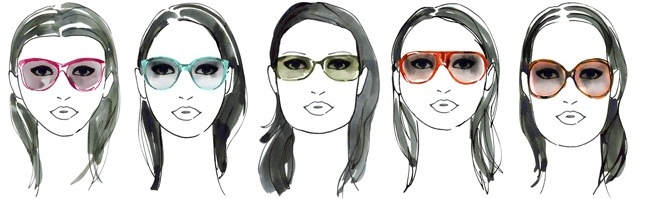
Start With Your Face Shape
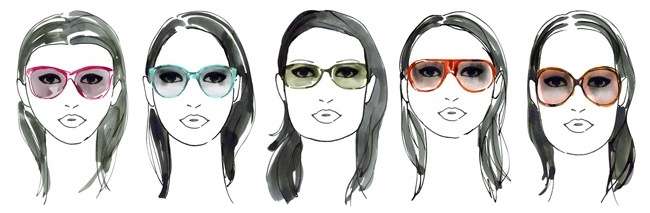
Face shape is a useful starting point, but it is not a strict rule. Most people have a blend of shapes, and many frames can work well with more than one face type.
To identify your face shape, pull your hair back and look straight into a mirror. Notice the width of your forehead, cheekbones, and jaw. Also consider whether your face is longer than it is wide.
Oval faces
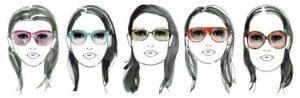
Oval faces often have balanced proportions and gently curved jawlines. Many frame styles work well, including rectangular, round, cat eye, and geometric designs.
Choose frames that are at least as wide as the broadest part of your face. Very narrow frames may make the face look longer.
Round faces
Round faces often have soft cheeks and similar width and length. Rectangular or square frames can add contrast and create a more defined look.
Angular frames may make the face appear longer and slimmer. Avoid frames that are very small or strongly rounded if you want more visual structure.
Square faces
Square faces often have a broad forehead, strong jaw, and similar width and length. Round or oval frames can soften these sharper lines.
Thin metal frames and gently curved designs may create a balanced appearance. You do not need to hide a strong jaw, though. Bold rectangular frames can highlight it with confidence.
Heart-shaped faces
Heart-shaped faces are often wider at the forehead and narrower near the chin. Frames that are wider at the bottom can help balance the face.
Try oval frames, rounded shapes, light-colored frames, or styles with a lower visual weight. Avoid very heavy top rims if they make the forehead appear wider.
Long or rectangular faces
Long faces are longer than they are wide and may have a straight cheek line. Taller lenses and frames with some depth can make the face look more balanced.
Low-bridge styles, bold temples, and decorative details may also add width. Avoid frames that are too narrow from top to bottom.
Diamond-shaped faces
Diamond-shaped faces often have wider cheekbones with a narrower forehead and jaw. Oval, cat eye, and rimless frames can complement these proportions.
Look for frames that draw attention toward the eyes and forehead. Soft curves often work well against prominent cheekbones.

Measure Frame Size Before You Buy
Frame size is one of the most important parts of how to choose eyeglass frames. A stylish frame will not work well if it is too wide, too narrow, or too tall for your face.
Most eyeglass frames show three numbers on the inside of one temple. They usually appear like this:
• 52 mm lens width
• 18 mm bridge width
• 140 mm temple length
These numbers describe the frame’s basic measurements. They do not always show the complete frame width, but they offer a useful comparison with glasses you already own.
What each measurement means
Lens width measures the horizontal width of one lens opening. Bridge width measures the space between the lenses. Temple length measures the arm from the hinge to the ear.
A small change can affect comfort. For example, a frame that is only a few millimeters wider may slide down or look oversized.
How frames should fit
A well-fitted frame should meet these basic points:
• Your eyes should sit near the center of each lens
• The frame should not touch your cheeks when you smile
• The temples should rest comfortably against your head
• The bridge should sit securely without painful pressure
• The frame should not slide when you look down
• Your eyebrows should remain visible in most frame styles
Eyeglass frames do not need to match your old pair exactly. However, your current glasses can help you estimate a comfortable size when shopping online.
Choose Frames for Your Prescription
Your prescription can affect which eyeglass frames are practical. Strong prescriptions, progressive lenses, and special lens materials may need a thoughtful frame choice.
For nearsighted prescriptions
Nearsighted prescriptions can make lenses thicker around the edges. Smaller, rounder frames often reduce the visible edge thickness because they use less lens material.
High-index lenses can also make strong prescriptions thinner and lighter. Your eye care professional or optician can explain which lens material fits your prescription.
For farsighted prescriptions
Farsighted prescriptions can make lenses thicker in the center. Medium-sized frames may help control lens weight and thickness.
Very large frames can add extra lens material. They may also make the eyes look magnified, depending on the prescription.
For progressive lenses
Progressive lenses provide distance, intermediate, and reading vision in one lens. They need enough vertical space for the different viewing zones.
Ask your optician about the minimum fitting height before choosing a shallow frame. A frame that looks attractive but lacks enough lens depth may limit progressive lens performance.
For strong prescriptions
If you have a strong prescription, ask about:
• High-index plastic lenses
• Aspheric lens designs
• Smaller frame shapes
• Anti-reflective coating
• Durable frame materials
These choices may improve comfort and appearance, but they can cost more. A qualified optician can compare the benefits with your budget.
Pick the Best Frame Material
Frame materials affect weight, durability, flexibility, and appearance. The best material depends on your daily habits and skin sensitivity.
Acetate frames
Acetate is a plant-based plastic known for rich colors and layered patterns. It often feels more substantial than basic plastic and can be shaped into many styles.
Acetate frames are a good choice if you want bold color, a polished finish, or a sturdy feel. They may feel heavier than thin metal styles.
Standard plastic frames
Plastic frames are often affordable, light, and available in many colors. They work well for everyday use and are easy to replace.
Lower-cost plastic can become brittle with heat or rough handling. Do not leave glasses on a car dashboard, where high temperatures may warp the frame.
Metal frames
Metal frames are often thin, light, and understated. Stainless steel and titanium are popular for their strength and clean appearance.
Titanium frames are especially useful for people who want a lightweight frame or have concerns about corrosion. Some metal alloys may irritate sensitive skin, so ask about the material if you have allergies.
Flexible frames
Flexible materials can help children, active adults, and anyone who often drops or bends their glasses. They may resist damage better than rigid frames.
No frame is unbreakable. Hinges, nose pads, and lenses can still be damaged by pressure or impact.
Select a Color That Suits You
Color can change how eyeglass frames look on your face. It can also affect how often you wear them.
Skin undertone is one helpful guide. Warm undertones may suit gold, brown, tortoiseshell, olive, cream, or copper. Cool undertones may work well with silver, black, blue, gray, or clear frames.
You can also match frames to your hair and eye color. Contrast creates a bold look, while similar tones create a softer appearance.
Consider your wardrobe and workplace, too. Black, brown, clear, and dark tortoiseshell frames are versatile. Bright red, blue, or patterned frames make more of a statement.
When deciding how to choose eyeglass frames, ask yourself:
• Will I wear this color several times a week?
• Does it work with my usual clothes?
• Does it make my face look lively rather than washed out?
• Will I still like it after the first impression fades?
A frame color should support your personality, not compete with it.
Think About Your Lifestyle
Your daily routine should guide your frame choice as much as your face shape. Glasses for office work may not meet the needs of someone who runs, travels, or works outdoors.
For active lifestyles, consider flexible materials, secure temple arms, and impact-resistant lenses. Sports glasses should be designed for the activity and should meet applicable safety standards.
For computer use, comfort and fit matter most. Blue-light filtering lenses are not a substitute for good screen habits, and evidence for their ability to prevent digital eye strain is limited. Regular breaks, proper lighting, and frequent blinking often help more.
For outdoor use, consider prescription sunglasses or photochromic lenses. Photochromic lenses darken in many outdoor conditions, but they may not darken fully inside a car because windshields block much ultraviolet light.
For frequent travel, choose a protective case and a frame that can tolerate daily handling. Keep a backup pair if losing your glasses would affect work, driving, or safety.
Check the Bridge, Nose Pads, and Temples
A frame can look perfect but still fit poorly at the bridge. The bridge is the part that rests across your nose and connects the two lens rims.
People with low nose bridges may find that standard frames slide down. Low-bridge-fit frames often have a higher bridge, larger nose pads, or a modified shape to improve stability.
Nose pads should rest gently without leaving deep marks. Adjustable pads can help an optician fine-tune the fit, but they should not cause soreness.
The temple arms should touch the sides of your head without squeezing. They should curve behind your ears without creating pressure or gaps.
Here is a simple fitting test:
-
Put on the glasses and look down.
-
Smile and check whether the frame touches your cheeks.
-
Shake your head gently.
-
Look for slipping, pinching, or uneven movement.
-
Wear the frame for several minutes before deciding.
One lesson I have seen repeatedly when helping people compare frames is that a mirror gives only part of the answer. Comfort often becomes clear after five or ten minutes, not five seconds.
Try Frames in Person or Use Virtual Tools Carefully
Trying frames in person lets you check pressure, weight, bridge fit, and lens position. It also lets an optician make small adjustments before you buy.
Online shopping can work well when the retailer provides exact measurements, a virtual try-on tool, and an easy return policy. Measure a frame you already like and compare the numbers with the new pair.
Virtual try-on tools can show shape and color, but they may not show true size or comfort. Camera angle, lighting, and facial proportions can change the result.
Before ordering online, check:
• The full frame measurements
• The lens and frame material
• The return and exchange period
• Whether prescription lenses are available
• Whether an optician reviews the measurements
• Whether adjustments are included
Online glasses can be convenient, but some people need in-person fitting. This is especially true for children, complex prescriptions, progressive lenses, and strong prescriptions.
Avoid These Common Eyeglass Frame Mistakes
Knowing what to avoid makes how to choose eyeglass frames much easier.
Choosing style over comfort
A frame may look excellent in a photo but pinch your temples in daily use. Comfort should always win because uncomfortable glasses often stay in their case.
Buying frames that are too wide
Wide frames may slide, create glare near the temples, and place your eyes off center. The temples should sit close to your head without bending outward.
Ignoring lens height
Progressive lenses need enough vertical room. Ask about fitting requirements before selecting a shallow or narrow frame.
Forgetting the bridge fit
A poor bridge fit can lead to slipping, red marks, and constant adjustment. Look for a frame that rests securely without pressure.
Picking a frame that feels too heavy
Heavy frames can cause nose soreness and ear pressure. If you need thick lenses, ask about lighter lens materials and balanced frame designs.
Failing to check the return policy
Even careful measurements cannot guarantee comfort. A clear return policy gives you time to test the glasses at home.
Cleaning lenses the wrong way
Paper towels, tissues, and clothing can scratch lenses over time. Use clean water, a small amount of mild dish soap, and a clean microfiber cloth unless your lens manufacturer gives different instructions.
A Simple Method for How to Choose Eyeglass Frames
Use this step-by-step process when shopping.
-
Confirm your current prescription. Make sure it is still valid and suitable for your needs.
-
Measure your current glasses. Record the lens width, bridge width, and temple length.
-
Identify your main use. Decide whether you need frames for work, reading, driving, sports, or daily wear.
-
Choose a suitable frame size. Keep your eyes near the lens centers and avoid frames that slide or pinch.
-
Compare frame shapes. Use your face shape as a guide, not a rule.
-
Select a practical material. Consider weight, durability, allergies, and budget.
-
Review lens requirements. Check whether you need progressives, high-index lenses, photochromic lenses, or protective coatings.
-
Test comfort. Wear the frame for several minutes and move your head naturally.
-
Ask for professional adjustment. An optician can improve the fit by adjusting the temples, nose pads, and bridge.
-
Confirm the warranty and return policy. Keep your receipt and care information.
This method turns a confusing shopping task into a clear series of decisions.
Frequently Asked Questions About How to Choose Eyeglass Frames
What eyeglass frames look best on my face?
The best frames balance your facial proportions and feel comfortable. Angular frames can add structure to round faces, while curved frames can soften square features, but personal style and fit matter more than strict face-shape rules.
Should eyeglass frames be wider than your face?
Frames should usually be close to the width of your face. They should not extend far beyond your temples or press tightly against your head.
How do I know if eyeglass frames fit correctly?
Your eyes should sit near the centers of the lenses, and the frame should not slide, pinch, or touch your cheeks. The temples should rest comfortably without leaving painful pressure marks.
Are smaller frames better for strong prescriptions?
Smaller frames can reduce lens thickness and weight, especially for strong nearsighted prescriptions. Your optician can recommend the best frame size and lens material for your specific prescription.
Which frame material is most durable?
Titanium, flexible plastics, and quality acetate can offer good durability, but no material is damage-proof. Proper care, a protective case, and professional repairs can extend the life of any frame.
Can I choose eyeglass frames online?
Yes, you can choose eyeglass frames online if you know your measurements and have an accurate prescription. Use retailers with clear size information, professional support, and a simple return policy.
Conclusion
The best way to choose eyeglass frames is to balance fit, prescription needs, comfort, lifestyle, and personal style. Face shape can guide you, but measurements and daily comfort should make the final decision.
Take time to compare frame sizes, test the bridge and temples, and ask an optician for help when needed. Use these tips the next time you shop, and explore more eyewear guides or share your frame-fitting experience in the comments.

Rubel Miah is the Senior Editor at MyStyleGrid.com, where he brings a sharp editorial eye and an unshakable love for fashion to everything he does. A true style addict, Rubel lives and breathes trends, from streetwear to high fashion, and has a knack for turning inspiration into impactful stories. With years of experience in fashion journalism and digital media, he curates content that empowers readers to express themselves through style. When he’s not editing features or forecasting the next big thing, you’ll find him hunting down vintage pieces or capturing street style moments around the city.