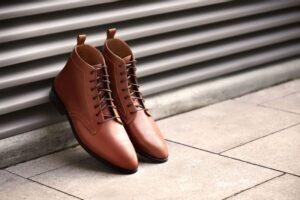
Rubber boots are commonly called rain boots, Wellington boots, wellies, or galoshes.
If you have ever searched “what are rubber boots called,” you may have noticed that the answer changes by country, purpose, and boot design. In the United States, “rain boots” is the most common everyday term, while “Wellington boots” and “wellies” are widely used in the United Kingdom and other English-speaking regions. This guide explains each name, the small differences between them, and how to choose the right pair.
What are rubber boots called in the United States?
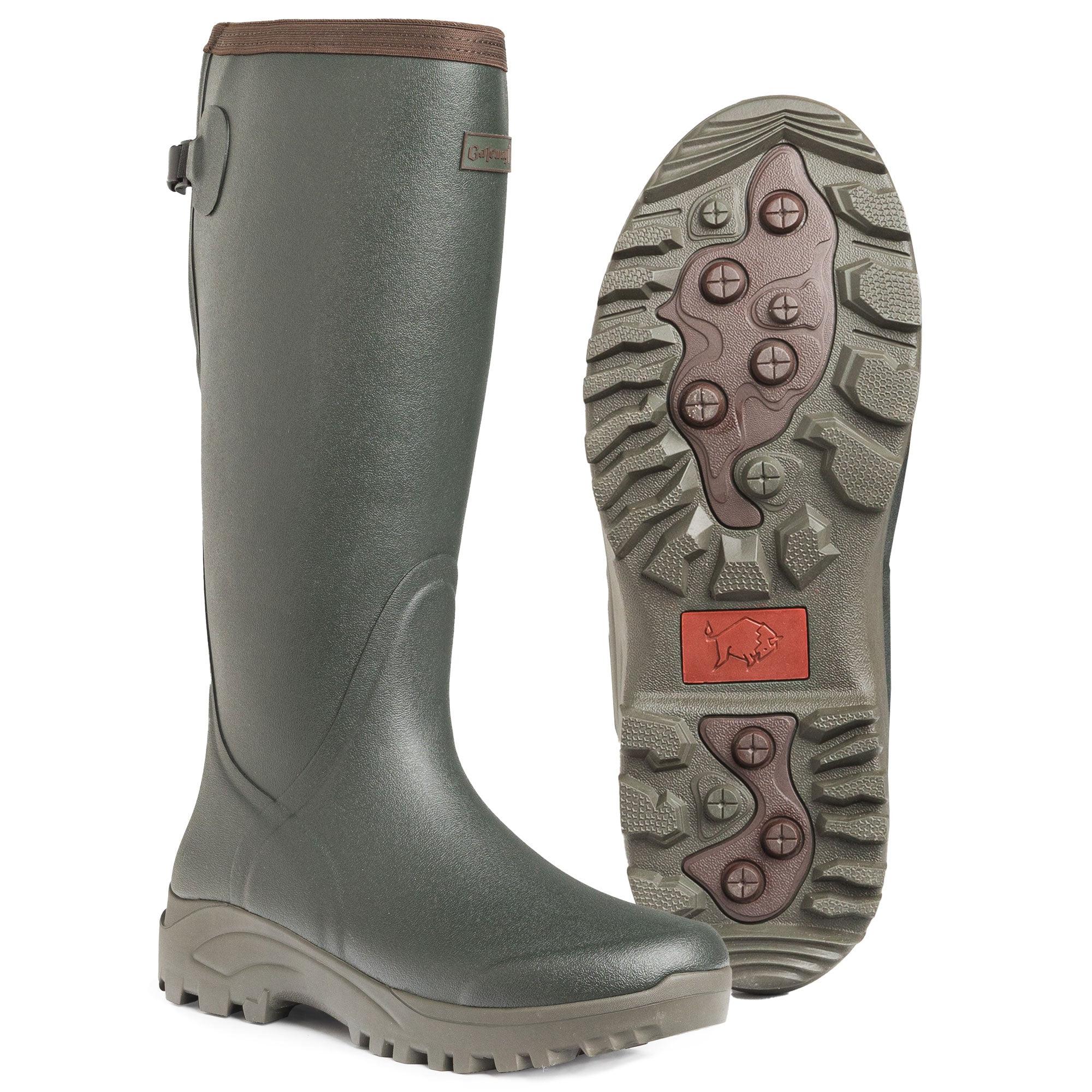
In the United States, rubber boots are most often called rain boots. The term usually describes waterproof boots worn to keep feet dry during rain, storms, wet commutes, and muddy walks.
People may also use these names:
• Rubber boots: A broad term based on the boot’s material.
• Rain boots: The most common casual term in American English.
• Waterproof boots: A wider term that can include rubber, leather, synthetic, or treated fabric boots.
• Muck boots: Tall, insulated boots made for mud, farms, hunting, and outdoor work.
• Garden boots: Short or mid-height waterproof boots used for gardening and yard work.
The phrase “what are rubber boots called” often has a simple answer in the US: rain boots. Still, the best term depends on the boot’s height, lining, sole, and intended use.
For example, a glossy ankle boot worn in a city is usually called a rain boot. A heavy, insulated boot worn on a farm may be called a muck boot, even if it also contains natural rubber.

What are rubber boots called in the United Kingdom?
In the United Kingdom, rubber boots are commonly called wellies or Wellington boots. “Wellies” is the friendly shortened form, while “Wellington boots” is the full name.
The term comes from Arthur Wellesley, the first Duke of Wellington. Early Wellington boots were made from leather, but the style later became strongly linked with waterproof rubber construction.
In the UK, people wear wellies for many activities, including:
• Walking through muddy fields
• Attending outdoor music festivals
• Working on farms
• Walking dogs in wet parks
• Visiting country estates
• Exploring beaches and woodlands
The word “wellies” may sound unusual to an American reader, but it is a normal everyday term in British English. If you ask someone in London or Manchester what rubber boots are called, “wellies” may be their first answer.
Australian and New Zealand speakers also use “gumboots” or “gummies.” In Ireland, “wellies” is common too. These regional terms describe much the same type of waterproof footwear.

What are rubber boots called in Canada and other countries?
In Canada, people often say rubber boots, rain boots, or rubberized boots. The choice may depend on the region and the activity.
In rural areas, “rubber boots” is a common practical term. In cities, shoppers may search for “rain boots,” especially when buying fashionable boots for spring weather.
Other English-speaking regions use several related names:
• Gumboots: Common in Australia, New Zealand, and parts of southern Africa.
• Wellingtons: A formal version of Wellington boots.
• Wellies: A casual British term.
• Galoshes: A term often used for waterproof overshoes or older-style protective footwear.
• Puddle boots: A casual retail term for children’s waterproof boots.
This shows why the question “what are rubber boots called” does not have one global answer. English changes with place and culture, much like the word “soda,” “pop,” or “soft drink.”
When shopping online, use more than one search term. A search for “rain boots,” “wellies,” and “waterproof rubber boots” can reveal different styles and brands.
Are rubber boots, rain boots, and Wellington boots the same?
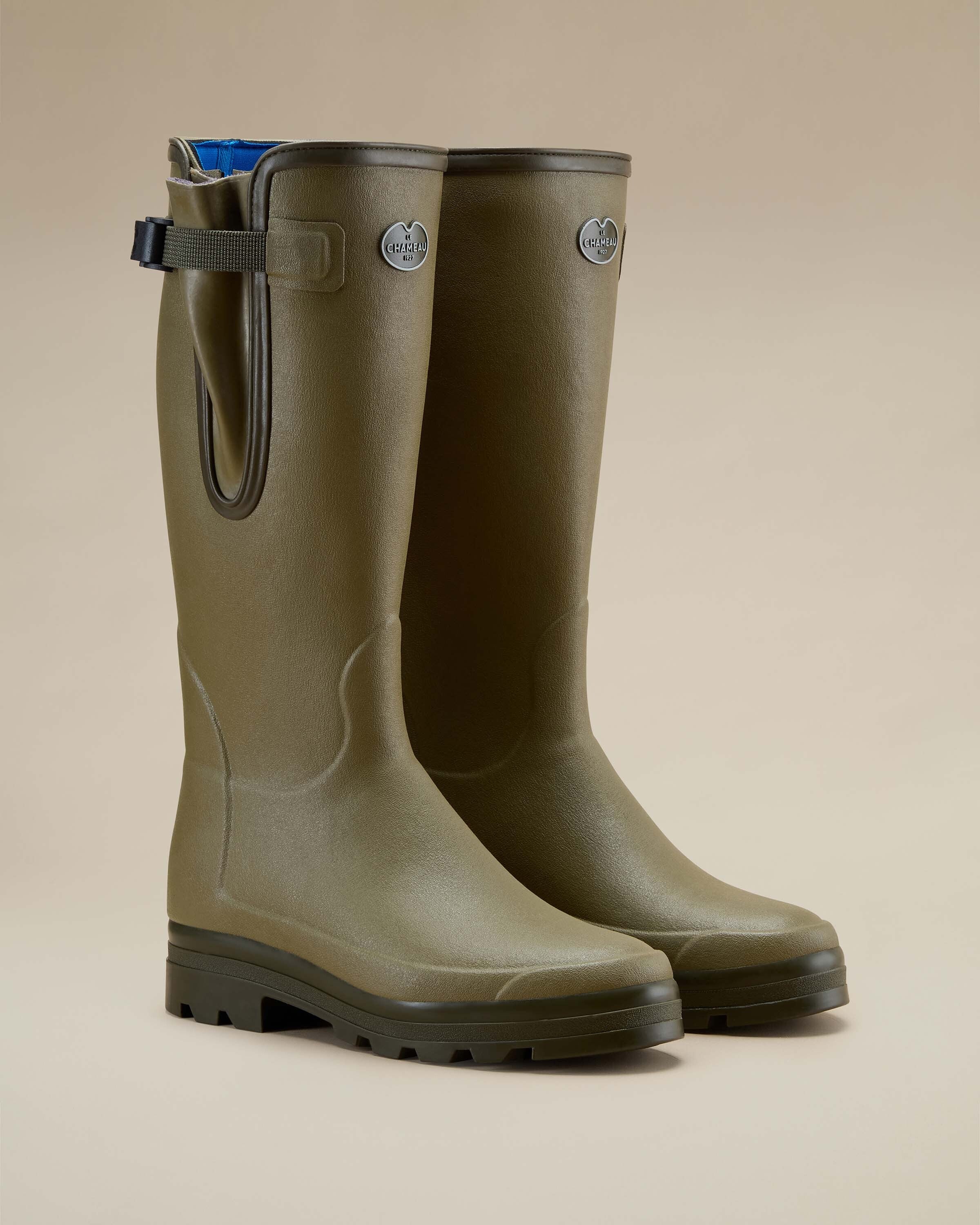
Rubber boots, rain boots, and Wellington boots often refer to similar footwear, but they are not always exact synonyms.
Rubber boots describe the material or main construction. Rain boots describe the purpose. Wellington boots describe a traditional tall style with a recognizable shape.
Here is a simple comparison:
| Term | Main meaning | Typical use |
|---|---|---|
| Rubber boots | Boots made mainly from rubber | General wet-weather use |
| Rain boots | Boots designed to keep feet dry | City walks and rainy days |
| Wellington boots | Tall waterproof boots with a classic shape | Farms, fields, festivals, and muddy paths |
| Wellies | Informal name for Wellington boots | Everyday British English |
| Galoshes | Waterproof overshoes or protective boots | Covering shoes or light wet weather |
| Muck boots | Heavy waterproof boots for mud and outdoor work | Hunting, farming, and landscaping |
A boot can fit more than one category. For example, a tall rubber boot may be both a rain boot and a Wellington boot.
The key difference is often design rather than material. Some modern rain boots use PVC or synthetic rubber instead of natural rubber. They may still be called rubber boots in everyday speech.

What are galoshes, and are they rubber boots?
Galoshes are waterproof coverings worn over shoes or regular boots. They protect the footwear underneath from rain, snow, slush, and puddles.
Traditional galoshes were often short overshoes. They did not always cover the entire leg like tall rain boots. Modern stores may use “galoshes” for several types of waterproof footwear, so the term can be less precise than “rain boots.”
A useful way to tell them apart is this:
• Galoshes usually go over another shoe.
• Rain boots are worn as the main shoe.
• Wellington boots are often tall and reach the calf.
• Shoe covers may protect only the sole and lower upper.
This distinction matters when you shop. If you need a boot for a long walk, choose a complete rain boot with a supportive footbed. If you need quick protection for dress shoes, galoshes or overshoes may be more practical.
One mistake I often see is treating every waterproof cover as a walking boot. A thin galosh may stop water, but it may not provide enough grip, warmth, or support for several hours outdoors.
What are rubber boots made from?
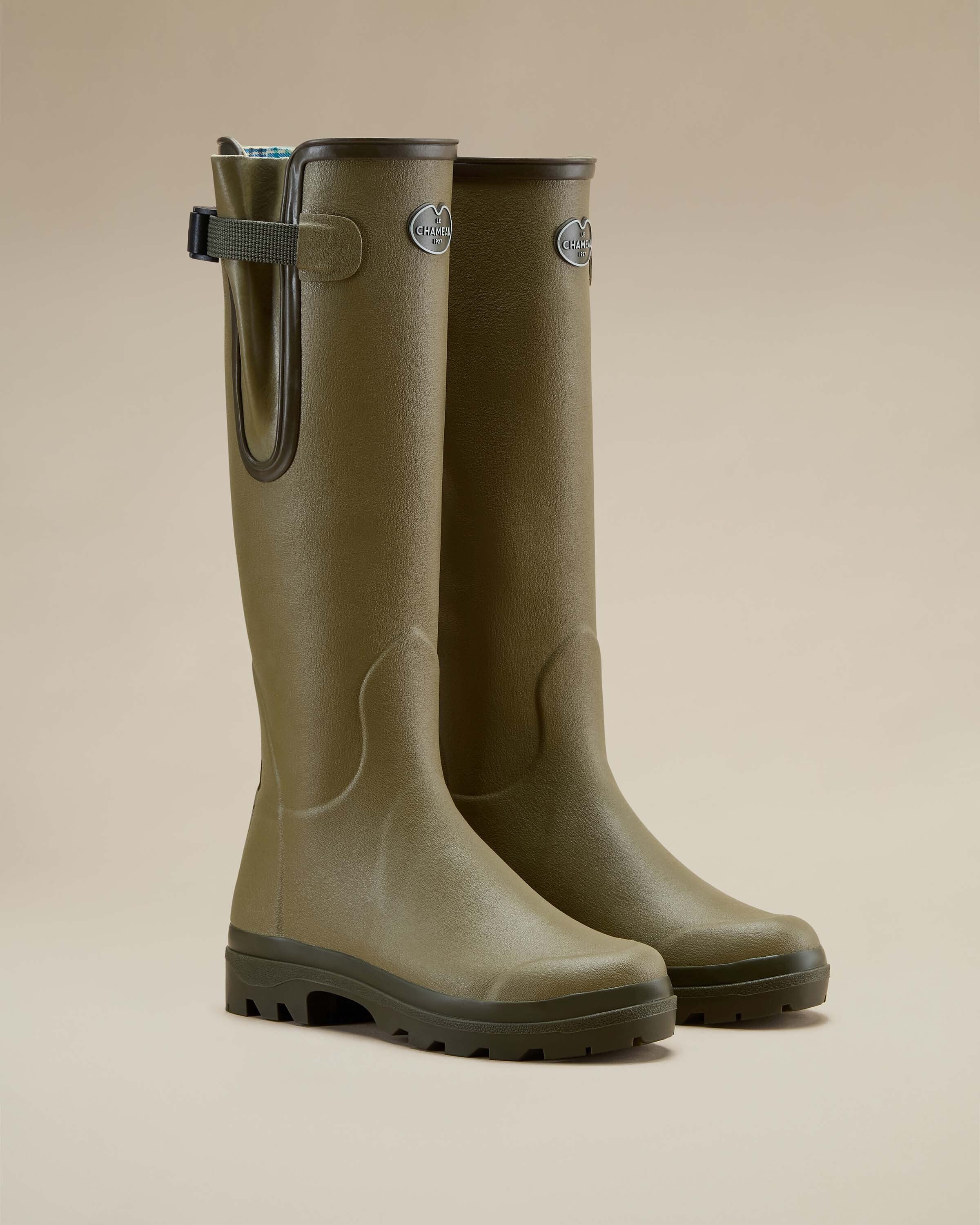
Despite the name, not all rubber boots are made from the same material. The material affects comfort, flexibility, weight, durability, and price.
Common materials include:
Natural rubber
Natural rubber comes from latex harvested from rubber trees. It is flexible and offers strong water resistance. Many high-quality Wellington boots use natural rubber because it bends well and feels comfortable during walking.
Natural rubber can dry out or crack if stored near heat or direct sunlight. It also requires care to maintain its surface.
PVC
PVC, or polyvinyl chloride, is a common synthetic material. PVC boots are often affordable, easy to clean, and fully waterproof.
They may feel stiffer than natural rubber. In cold weather, some PVC boots can become less flexible.
Neoprene
Neoprene is a soft, flexible foam material often used as a lining. It adds warmth and can improve comfort in cold, wet conditions.
Many muck boots combine a rubber exterior with a neoprene shaft. These boots are useful for farms, hunting, fishing, and winter chores.
Polyurethane
Polyurethane boots are light and can resist wear well. They are common in work and outdoor footwear, though their feel differs from traditional rubber.
Material labels can be confusing. A boot marketed as a rubber boot may contain rubber only in part of the sole or outer shell. Always check the product details if material matters to you.
How to choose the right rubber boots
The best pair depends on where you will wear them. A stylish city rain boot may not work well on a farm, just as a heavy work boot may feel excessive on a short commute.
Consider these features before buying:
• Height: Ankle boots are easy to wear in the city. Tall boots offer better protection in deep puddles, mud, and wet grass.
• Fit: Your heel should stay fairly secure without rubbing. Leave enough room for normal socks, but avoid a loose fit that causes blisters.
• Lining: A thin lining suits mild rain. Neoprene or insulated lining works better in cold weather.
• Tread: Look for deep, flexible grooves if you will walk on mud, grass, or slick ground.
• Flexibility: The boot should bend near the ball of your foot. A stiff boot can make long walks tiring.
• Weight: Heavy boots may last well, but lightweight boots are often better for commuting and travel.
• Opening: A wide opening is easy to pull on. A gusset, buckle, or drawcord helps keep rain and mud out.
• Insole: A removable insole makes cleaning and drying easier. It can also allow room for an orthopedic insert.
For daily city use, I prefer a lightweight pair with a cushioned footbed and a tread that grips wet pavement. For outdoor work, I look for a stronger sole, a taller shaft, and a secure fit around the calf.
Benefits and limitations of rubber boots
Rubber boots are useful because they create a strong barrier between your feet and wet ground. They are easy to rinse, simple to clean, and suitable for rain, mud, puddles, and garden work.
Their main benefits include:
• Strong water resistance
• Easy cleaning
• Good protection from mud and puddles
• Many styles and heights
• Low maintenance compared with some leather footwear
However, rubber boots also have limits. They may trap heat and moisture inside, especially on warm days. A waterproof boot keeps outside water out, but it may not allow much sweat vapor to escape.
Rubber boots also do not automatically provide strong arch support. Some fashion boots have a flat footbed and thin cushioning. For long walks, consider a supportive insole or a boot designed for extended wear.
Safety is another important point. Waterproof does not mean slip-proof, puncture-proof, or electrical-safe. For workplace hazards, choose footwear that meets the relevant safety standard, such as ASTM requirements for protective footwear, and follow your employer’s guidance.
How to care for rubber boots
Good care can extend the life of rubber boots. After wearing them in mud or salt water, rinse them with clean water and wipe away dirt with a soft cloth.
Follow these simple steps:
-
Remove loose dirt after each muddy outing.
-
Rinse the outside with cool or lukewarm water.
-
Let the boots dry in a cool, ventilated place.
-
Remove the insoles if they are damp.
-
Store the boots upright and away from heaters.
-
Use a conditioner made for natural rubber when the manufacturer recommends it.
Do not place rubber boots on a radiator or near a strong heat source. High heat can dry the material and lead to cracking or distortion.
Avoid storing wet boots in a closed bag. That can create an unpleasant smell and encourage mold growth inside the lining. Newspaper can help absorb moisture for a short time, but allow the boots to air out fully afterward.
One practical lesson is to check the soles, not just the upper. A waterproof boot with a worn tread can become dangerous on wet tile, smooth rocks, or muddy slopes.
What are rubber boots called for work and outdoor use?
Work-focused rubber boots may be called muck boots, farm boots, fishing boots, or safety rubber boots. These names point to the boot’s intended job rather than simply its waterproof material.
Muck boots usually have thick rubber bottoms and flexible neoprene shafts. They are made for mud, wet grass, animal pens, and outdoor chores.
Fishing boots may be taller and designed for standing in shallow water. Some reach the thigh or chest and are called hip waders or chest waders. These are specialized garments, not ordinary rain boots.
Safety rubber boots may include features such as:
• Protective toe caps
• Puncture-resistant soles
• Oil-resistant compounds
• Electrical hazard protection
• Chemical-resistant materials
Never assume a boot is safe for a workplace because it looks strong. Check the label and certification. Chemical resistance, electrical protection, and puncture resistance vary by product.
For gardening, a short rubber boot is often enough. For livestock work or deep mud, choose a taller boot with a secure calf fit and a sole designed for traction.
What are rubber boots called in fashion and shopping searches?
Fashion retailers usually use terms such as rain boots, waterproof boots, Chelsea rain boots, short rain boots, or tall rain boots. These labels help shoppers find a style that matches their clothing and daily routine.
Common fashion styles include:
• Chelsea rain boots: Short boots with elastic side panels and a pull tab.
• Tall rain boots: Calf-high boots that offer more coverage.
• Short rubber boots: Easy to pair with jeans, leggings, or casual clothing.
• Packable rain boots: Lightweight boots that fold or roll for travel.
• Printed wellies: Colorful boots often worn at festivals or outdoor events.
When shopping, read the product details instead of relying only on the name. “Waterproof” may refer to the boot body but not the tongue, seams, or opening. A boot with sealed seams and a gusseted tongue usually offers better protection than one with a simple slip-on design.
Sizing can also vary. Many rubber boots have less stretch than fabric shoes. Check the brand’s size chart and consider the socks you plan to wear.
Frequently asked questions about what are rubber boots called
What are rubber boots called in American English?
They are most commonly called rain boots in the United States. “Rubber boots” is also correct, especially when discussing the material or a work boot.
What are rubber boots called in British English?
They are usually called wellies or Wellington boots. “Wellingtons” is another accepted form, while “wellies” is the common informal term.
Are rain boots and Wellington boots the same?
They can describe the same type of waterproof footwear, but the terms are not identical. Rain boots focus on purpose, while Wellington boots usually suggest a taller, traditional waterproof design.
What are rubber boots called in Australia and New Zealand?
They are often called gumboots or gummies. “Rain boots” and “Wellington boots” may also be understood.
Are galoshes the same as rubber boots?
Not always. Galoshes often cover another shoe, while rubber rain boots are normally worn by themselves.
Are all rubber boots made from natural rubber?
No. Some use PVC, polyurethane, neoprene, or a blend of materials. Check the product label to learn the exact construction.
Can you wear rubber boots in snow?
You can, if the boots have insulation, enough room for warm socks, and a sole with good traction. Basic unlined rain boots may leave your feet cold and can become slippery on ice.
Conclusion
The answer to “what are rubber boots called” depends on where you live and how you plan to use them. In the US, rain boots is the most common term. In the UK, wellies or Wellington boots are standard, while Australia and New Zealand often use gumboots.
The right pair should match your weather, walking needs, and safety demands. Check the material, fit, lining, tread, height, and care instructions before buying. Use these terms when searching online, compare product details carefully, and choose boots that keep your feet both dry and comfortable.

Madison Clark is a footwear expert and the voice behind MyStyleGrid.com. She specializes in honest shoe reviews, style tips, and practical guides to help readers find the perfect pair for any occasion. With years of experience in blogging and content creation, Madison makes footwear knowledge simple, stylish, and easy to follow.