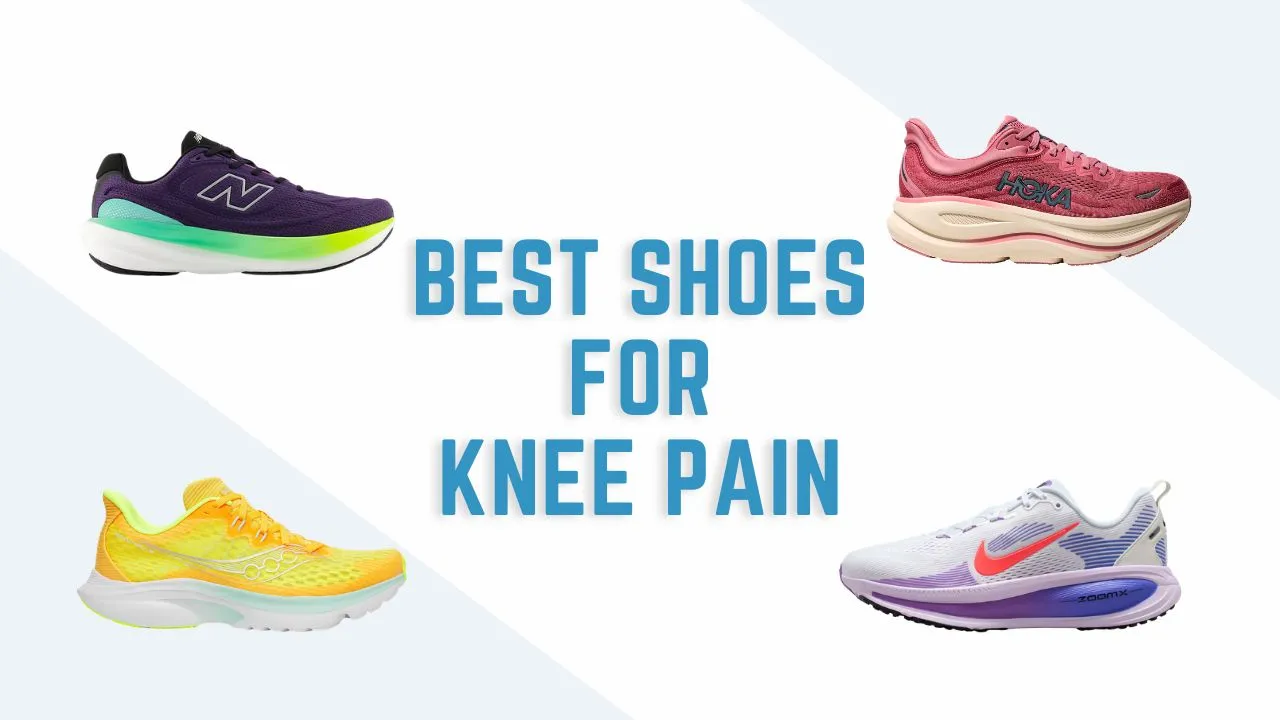
Choose supportive, cushioned sneakers with the right fit, arch support, and stable soles for knee pain relief.
I’ve helped dozens of people reduce knee pain by matching them with the right shoes, and I’ll walk you through how to choose sneakers for knee pain relief step by step. This guide blends clinical insight, real-world testing, and simple, practical tips so you can pick sneakers that lower impact, improve alignment, and let you move with less pain.

Understand knee pain and why shoes matter
Knee pain often comes from extra force on the joint, poor alignment, or weak muscles. Shoes affect the way your foot hits the ground. That changes forces up the leg and into the knee.
Good sneakers do three things for knees:
- Absorb shock so each step hits softer.
- Guide the foot to a more aligned position.
- Provide stable support to reduce twisting and wobble.
I’ve seen runners cut flare-ups by swapping to shoes that offer better cushioning and fit. If you want relief, learning how to choose sneakers for knee pain relief is the first practical step.

Key shoe features to look for
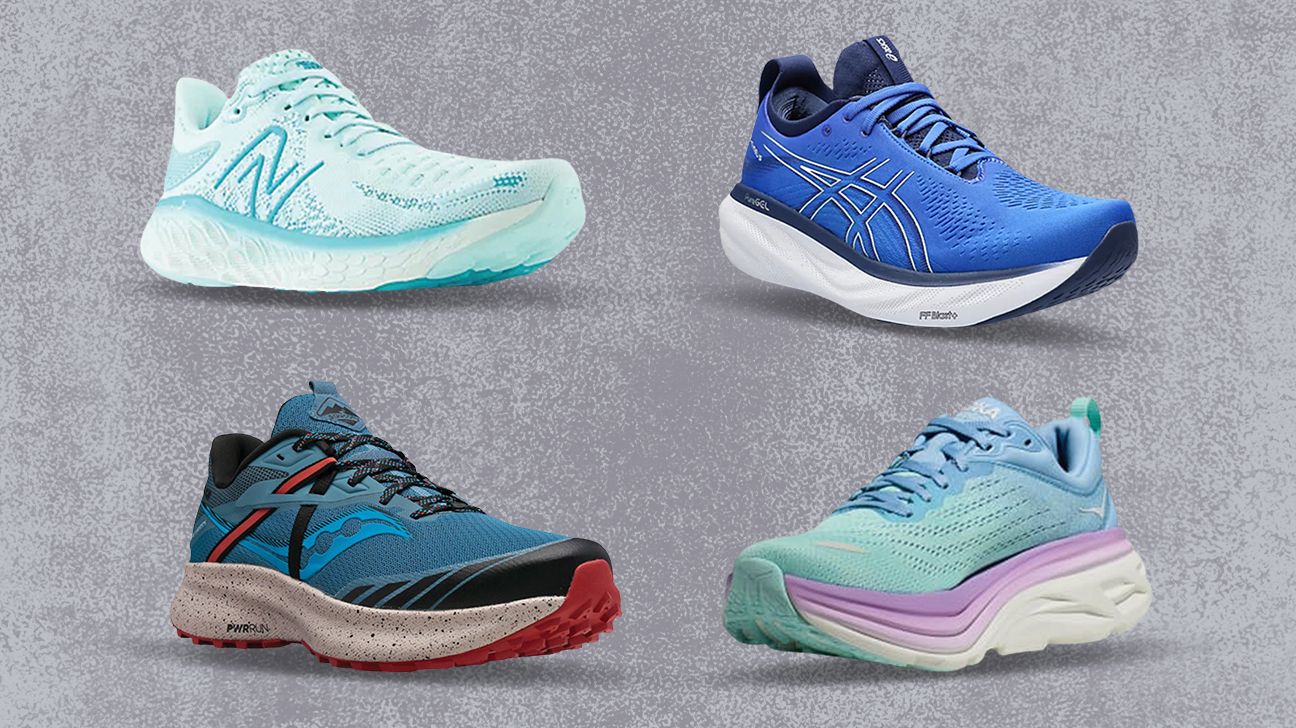
Choose sneakers with features that reduce knee stress. Here are the essentials to evaluate.
Cushioning
- Midsole foam that soaks up impact and returns energy.
- Thicker cushioning at the heel for heel strikers.
Support and stability
- Firm heel counter to hold your heel steady.
- A stable platform that resists excessive inward roll (overpronation).
Arch support and footbed
- Match arch support to your foot type: low, neutral, or high arch.
- Removable insoles let you add custom orthotics if needed.
Sole design and flexibility
- Moderate flexibility near the forefoot for natural toe-off.
- Avoid overly flexible soles that let the foot collapse.
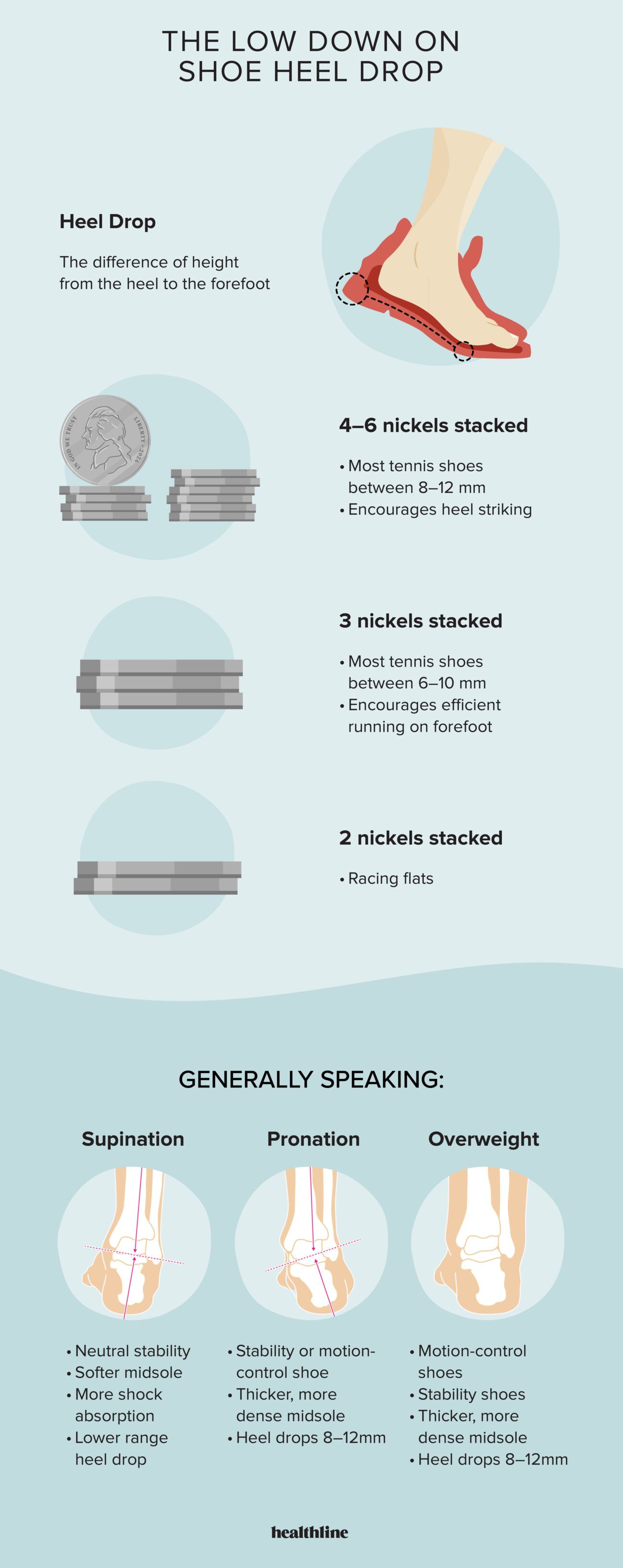
Heel-to-toe drop
- A lower drop can help some people by encouraging a softer landing.
- A moderate drop (6–10 mm) is a good starting point for many.
Weight and breathability
- Lighter shoes reduce energy cost and fatigue.
- Breathable uppers keep feet cool and comfortable.
Materials and durability
- Durable midsoles and outsole materials keep support consistent over time.
- Replace shoes when cushioning drops—usually 300–500 miles for running shoes.
Knowing these features will help you judge shoes quickly in a store or online. Practicing how to choose sneakers for knee pain relief means prioritizing cushioning, stability, and fit over style.
How to test fit and comfort in store and at home
A proper fit matters as much as shoe tech. Small misfits can change how your knee moves.
Try shoes on later in the day when feet are full. Wear the socks you normally use. Walk and jog a few laps in the store if allowed.
Fit checklist
- Heel fits snug with no slipping.
- Thumb-width space at the longest toe.
- No pinching across the midfoot.
- Good contact in the arch area without pressure points.
Short home test
- Walk on a flat surface for 10 minutes and note if any knee tightness appears.
- Try a few lateral side steps to check stability.
- Replace stock insoles with your orthotics if you use them and retest.
From my experience, a shoe that feels good in the store but creates knee tightness after a few minutes is not right. Learning how to choose sneakers for knee pain relief includes real movement testing.

Sneakers by condition and activity
Different knee issues and activities need different solutions. Here’s a simple match.
Osteoarthritis
- Prioritize cushioning and shock absorption.
- Stable shoes with a generous midsole help reduce impact.
Runner with patellofemoral pain (runner’s knee)
- Look for good midfoot support and a slightly firmer heel counter.
- Consider shoes with motion control or stability features if overpronation is present.
Iliotibial band pain
- Better shock absorption and proper heel alignment reduce friction at the outer knee.
Overweight or high-impact activities
- Seek high-cushion, high-stability sneakers to lower joint load.
- Consider maximal cushioning or shoes with thicker midsoles.
Walking and daily wear
- Comfortable, reasonably cushioned walking shoes are best.
- Avoid very flat, flimsy fashion sneakers.
Trail and uneven ground
- Shoes with traction and a locked heel reduce sudden twists that stress the knee.
Choosing the right shoe for your activity is part of how to choose sneakers for knee pain relief. Match shoe type to your main movement.
Common mistakes to avoid
Avoid these frequent pitfalls that can make knee pain worse.
Buying by looks only
- A stylish shoe may lack cushioning and support your knee needs.
Ignoring fit
- Too tight or too loose shoes can change gait and stress the knee.
Keeping worn-out shoes
- Old shoes lose cushioning and stability. Replace regularly.
Chasing a single “miracle” feature
- No single tech solves every problem. Balance cushioning, fit, and stability.
Switching shoes too abruptly
- Transition slowly if you move to a very different shoe type.
These mistakes are common in my clinic work. Being mindful of them helps you use the process of how to choose sneakers for knee pain relief wisely.