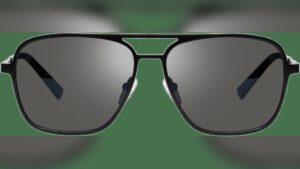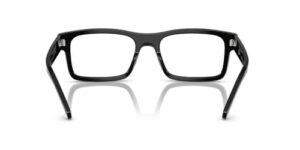
Pick frames that contrast your face shape and fit with UV 400 lenses.
If you came for a clear, expert take on how to choose the best sunglasses for your face, you’re in the right place. I’ve fitted hundreds of pairs in-store and online, and I’ll walk you through shape, fit, lenses, and style in a simple, friendly way. Stick around and you’ll know exactly how to choose the best sunglasses for your face without guesswork.
Why fit and protection come first
Your sunglasses must protect your eyes and sit well. Fashion is the bonus. Look for UV 400 or 100% UVA/UVB. Polarized lenses cut glare off water and roads, but they do not add UV protection by themselves.
Bad fit causes red marks, headaches, and slipping. I learned this the hard way after a beach day with a pair that looked great but pinched my nose. How to choose the best sunglasses for your face starts with safe lenses and a stable fit. That way you get comfort, clear vision, and a clean look all day.
- Choose 100% UVA/UVB or UV 400 labeling on the lens or tag
- Pick polarization for driving, fishing, and snow to tame glare
- Make sure the frame is snug but not tight at the temples
- Nose pads should spread weight and prevent sliding
Find your face shape fast
You do not need a pro tool to spot your shape. Stand in front of a mirror and tie your hair back. Look at four spots: forehead, cheekbones, jawline, and face length. This is your map.
Here is a simple guide. It helps you decide how to choose the best sunglasses for your face without overthinking it.
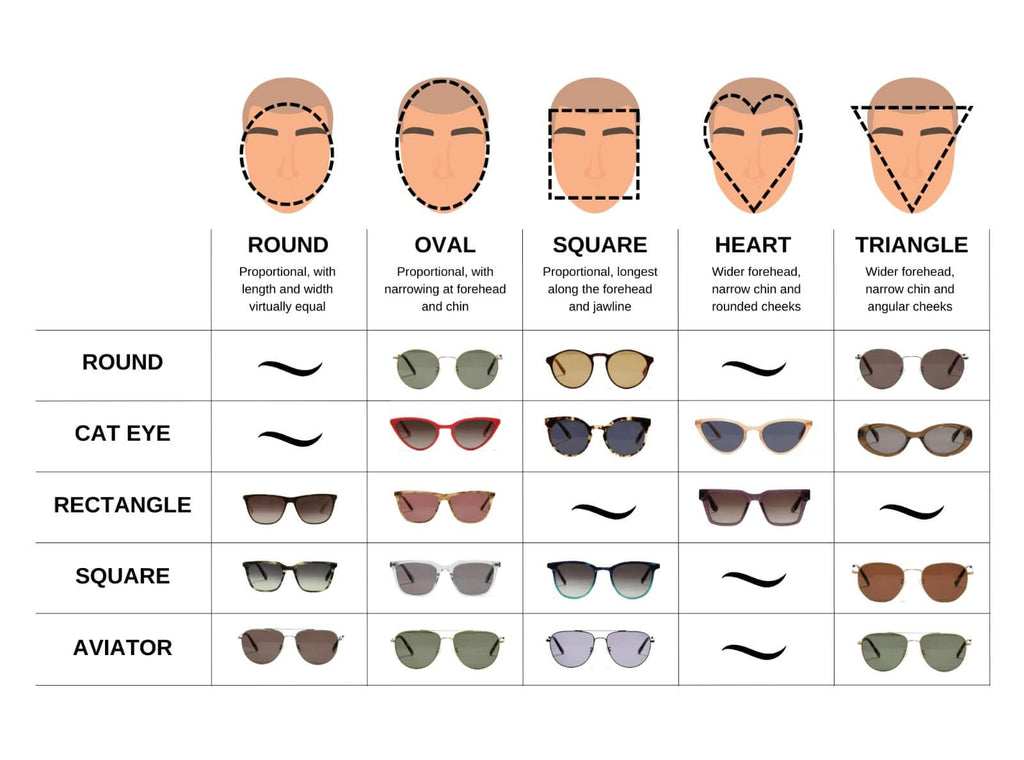
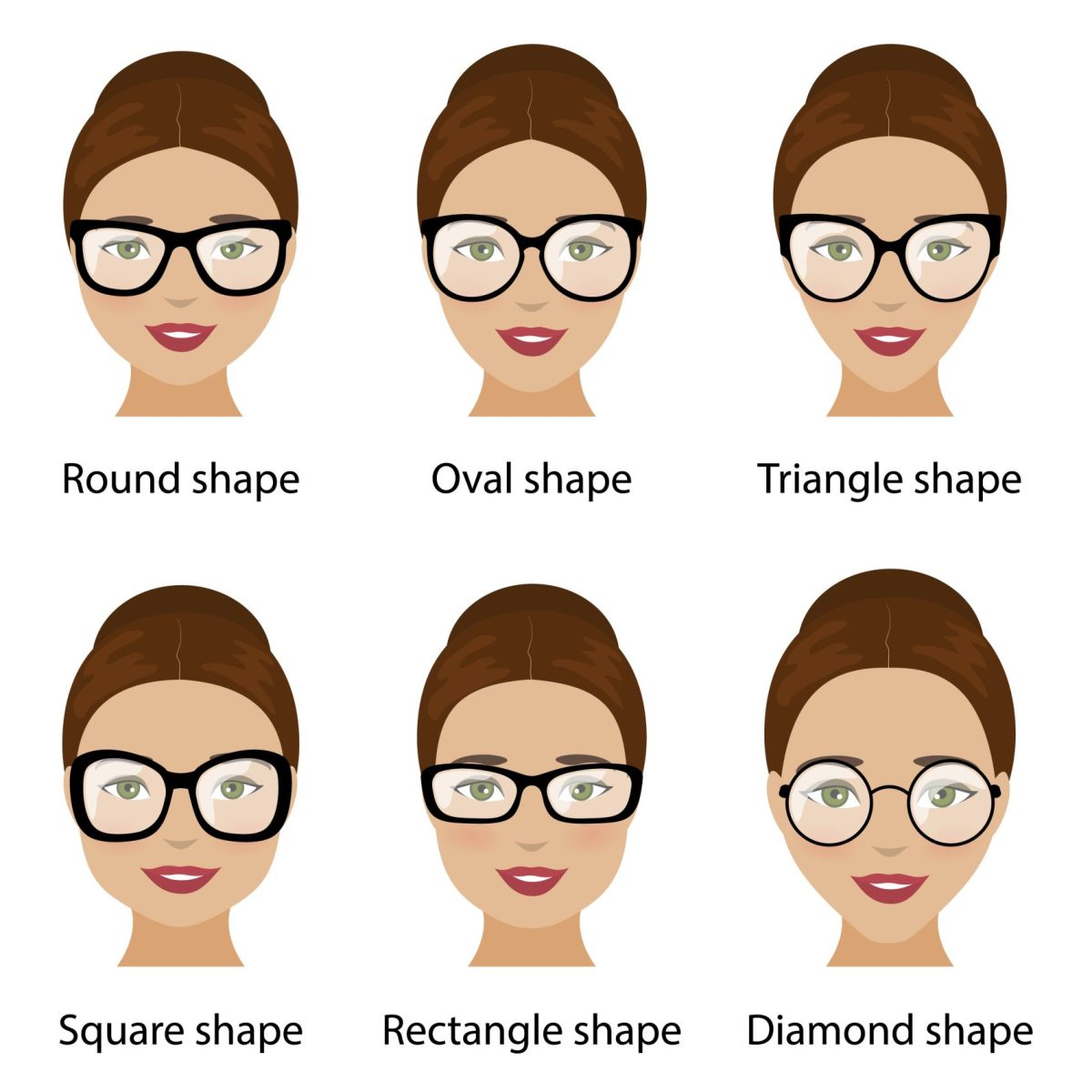
- Oval: Length is a bit more than width, with soft lines
- Round: Width and length are close, with a soft jaw and cheeks
- Square: Broad forehead and jaw, strong angles
- Heart: Wide forehead, high cheekbones, narrow chin
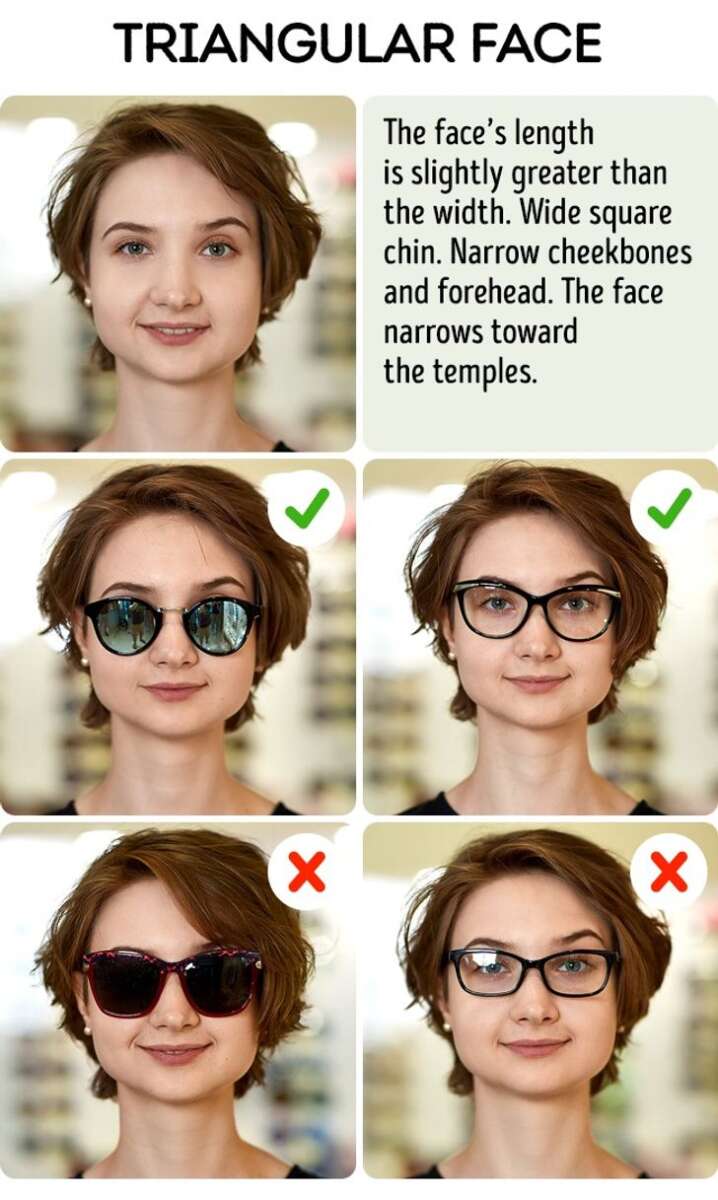
- Triangle: Narrow forehead, wider jawline
- Diamond: Narrow forehead and jaw, widest at the cheeks

Match frames to your face shape
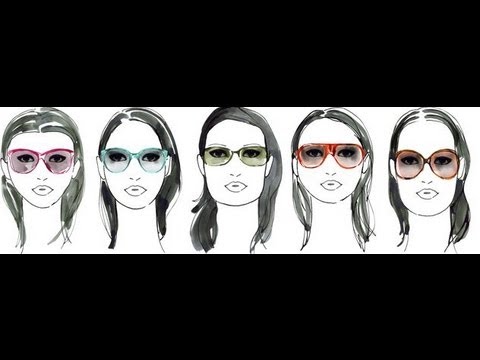
Frames that contrast your face lines tend to look best. So soft faces love sharp frames. Strong angles love curves. That simple trick powers how to choose the best sunglasses for your face.
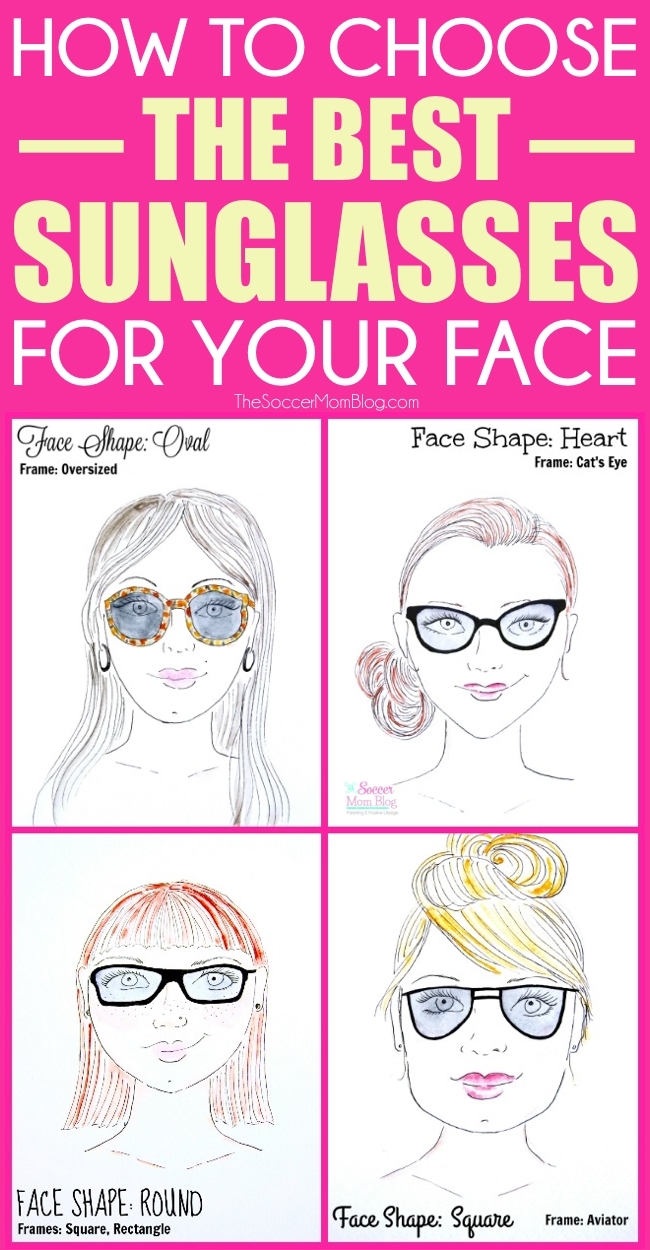
- Oval faces: Most shapes work. Try wayfarer, aviator, or square for balance
- Round faces: Go for angular frames like rectangular, square, or wayfarer
- Square faces: Pick round or oval frames to soften the jaw
- Heart faces: Try light-bottom frames, aviators, or cat-eye with gentle curves
- Triangle faces: Add width at the brow with clubmaster styles or top-heavy frames
- Diamond faces: Oval and rimless can flatter high cheekbones
Pro tip: If you are between shapes, use your jaw and forehead as the tie-breakers. I have a client with a soft square face who shines in rounded aviators with a double bridge. That mix hits structure and curve just right.
Get the right fit numbers
Numbers keep your frames from sliding or squeezing. Most frames list three key sizes on the inside arm. Learn them once. It pays off each time you buy.
- Lens width: 48–54 mm fits small to medium faces; 55–58 mm fits larger faces
- Bridge width: 16–20 mm is common; a lower bridge helps high nose bridges
* Temple length: 135–145 mm; longer temples help larger heads - Frame width: Match your face width; do not let the arms flare out
- Pupillary distance: For prescription sunglasses, PD centers your lenses
When I shop online, I sort by these numbers first. That one habit unlocks how to choose the best sunglasses for your face, because fit is half the battle.
Lens tech that matters
Not all lenses are equal. Good lenses protect, enhance contrast, and reduce glare. Bad lenses distort and can strain your eyes.
- UV protection: Always 100% UVA/UVB or UV 400
- Polarization: Cuts glare; ideal for driving, water, snow; not a UV substitute
- VLT (visible light): 10–18% for bright sun; 20–40% for mixed light
- Materials: Polycarbonate is light and impact-resistant; nylon is tough; glass has best clarity but is heavier
- Coatings: Anti-reflective inside, oleophobic to resist smudges, hydrophobic for water, mirror to reduce brightness
Research links long-term UV exposure to cataracts and surface growths. That is why how to choose the best sunglasses for your face must start with safe, clear lenses.

Frame materials and build quality
Good frames feel stable and light. They flex a bit but do not wobble. This is key when you practice how to choose the best sunglasses for your face and plan to wear them daily.
- Acetate: Rich colors, sturdy, adjustable at the shop
- TR-90 or nylon: Light, flexible, great for sports and heat
- Stainless steel: Thin, durable, budget-friendly
- Titanium: Ultra-light, hypoallergenic, premium
- Spring hinges: Add comfort and hold
- Nose pads: Silicone or adjustable pads improve grip and comfort
I once swapped to titanium for long road trips. The lighter weight stopped those end-of-day temple aches. That small change made a big difference.

Color and lens tints for real life
Tint impacts how you see, not just how you look. Think about your main use. Then pick the tint that helps you see better and feel relaxed.
- Gray: Neutral, keeps colors true; best for bright sun
- Brown or amber: Boost contrast; great for driving and trails
- Green: Balanced contrast and color; a classic look
- Yellow or rose: Brighter view in low light and fog; not for bright sun
- Photochromic: Darken in sun, clear indoors; handy if you move in and out a lot
If you drive often, brown polarized lenses are a dream. They cut glare and boost contrast on the road. That tip alone can refine how to choose the best sunglasses for your face and your routine.
Try-on checklist and buying smart
Use a mirror and a quick test routine. This makes choices clear. It is my go-to method for clients and works online or in-store.
- Smile, talk, and look down; frames should not slide off
- Check lash rub; lenses should not touch your eyelashes
- Make sure pupils are near the center of each lens
- Arms should be straight and level, not flaring out
- Tilt test: Slight head shake; frames should stay put
Shopping tips that support how to choose the best sunglasses for your face:
- Use virtual try-on with accurate PD if offered
- Review return and fit adjustment options
- Confirm UV 400 and warranty details
- Buy from trusted sellers to avoid counterfeits

Style rules that flatter and last
Trends come and go. Your face stays yours. Pick styles that match your vibe and the places you go. Aim for timeless with a twist.
- Keep one versatile pair in black, tortoise, or deep green
- Add a fun pair with a unique shape or color
- Match frame size to your wardrobe scale; bold frames suit bold looks
- Balance logos; small marks feel classic, big marks feel sporty
- Use contrast: Dark frames pop on fair skin; warm tortoise flatters warm tones
When you learn how to choose the best sunglasses for your face, you also learn how to choose for your lifestyle. That leads to fewer returns and more wear.
Care and maintenance that extend life
Clean lenses and aligned hinges keep your view sharp. It also saves money. A minute of care beats a new pair every season.
- Rinse with lukewarm water before wiping to avoid scratches
- Use a lens-safe spray and a microfiber cloth
- Store in a case; avoid car dashboards where heat warps frames
- Tighten tiny screws as needed; many stores do this for free
- Get nose pad and temple adjustments if the fit drifts
I carry a small microfiber in my car and bag. It is a small habit with a big payoff for anyone focused on how to choose the best sunglasses for your face and make them last.
Frequently Asked Questions of how to choose the best sunglasses for your face
How do I quickly figure out my face shape?
Stand in front of a mirror and compare your forehead, cheekbones, jawline, and face length. Match what you see to the closest shape like oval, round, square, heart, triangle, or diamond.
Do polarized lenses protect my eyes better?
Polarization reduces glare, which helps comfort and clarity. It does not add UV protection, so still demand 100% UVA/UVB or UV 400.
What size sunglasses should I buy online?
Use your current pair’s numbers for lens width, bridge width, and temple length. If you do not have them, measure your face width and start with a medium size frame, then adjust.
Which tint is best for driving?
Brown or amber tints boost contrast and work well for driving. Add polarization to cut glare from roads and windshields.
Are oversized frames a good idea for small faces?
Oversized can work if the bridge and temple fit are right. Keep the frame width close to your face width to avoid sliding and pressure.
How many pairs should I own?
Start with one all-around pair in a neutral color and UV 400. Add a sport pair or a fun style once you know your favorite fit.
Conclusion
Now you know how to choose the best sunglasses for your face with clarity and confidence. Focus on UV 400, fit numbers, and frame shapes that balance your features. Add the right lens tint for your life and you will wear them more, not less.
Try the mirror test today and note your best shapes and sizes. Then save those specs in your phone for easy shopping. Want more tips like this? Subscribe, leave a comment with your face shape, and I’ll help you pick your next perfect pair.

Rubel Miah is the Senior Editor at MyStyleGrid.com, where he brings a sharp editorial eye and an unshakable love for fashion to everything he does. A true style addict, Rubel lives and breathes trends, from streetwear to high fashion, and has a knack for turning inspiration into impactful stories. With years of experience in fashion journalism and digital media, he curates content that empowers readers to express themselves through style. When he’s not editing features or forecasting the next big thing, you’ll find him hunting down vintage pieces or capturing street style moments around the city.