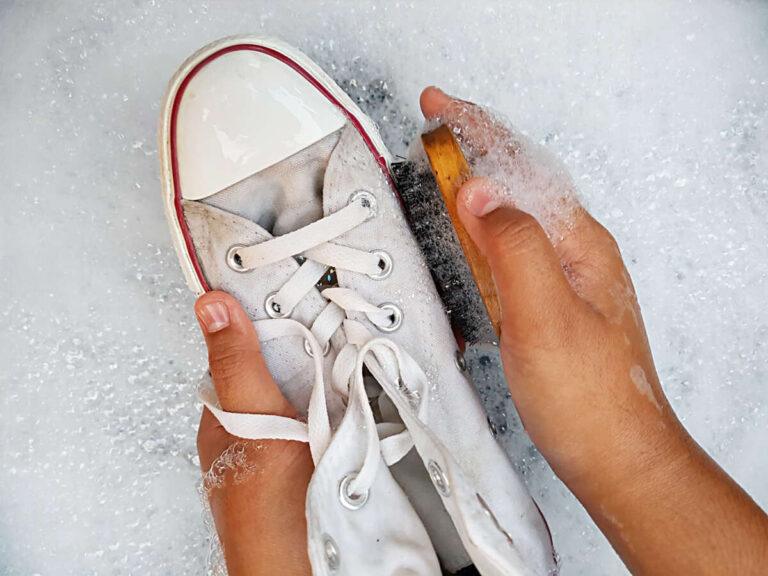
Clean mildew from shoes with a simple scrub, gentle cleaner, and full drying—fast and safe.
I’ve spent years restoring footwear for friends, athletes, and clients, so I know how stubborn mildew can be. This guide on how to clean mildew shoes covers causes, safety, step-by-step cleaning for fabrics and leather, deep-clean tips, and prevention. You’ll get practical steps, real-world advice I’ve used, and clear guidance to save your shoes and keep them fresh.

Why mildew grows on shoes and why it matters
Mildew thrives where moisture, warmth, and organic matter meet. Shoes trap sweat, dirt, and damp air. That mix feeds mildew quickly.
Mildew damages fabric, rots glue, and stains leather. It can also irritate skin and worsen allergies. Knowing why mildew appears helps you stop it fast.
Mildew grows fast in closets, gym bags, and basements. Improve airflow, clean often, and dry shoes thoroughly to reduce risk.
Safety first: what to wear and avoid when cleaning mildew shoes
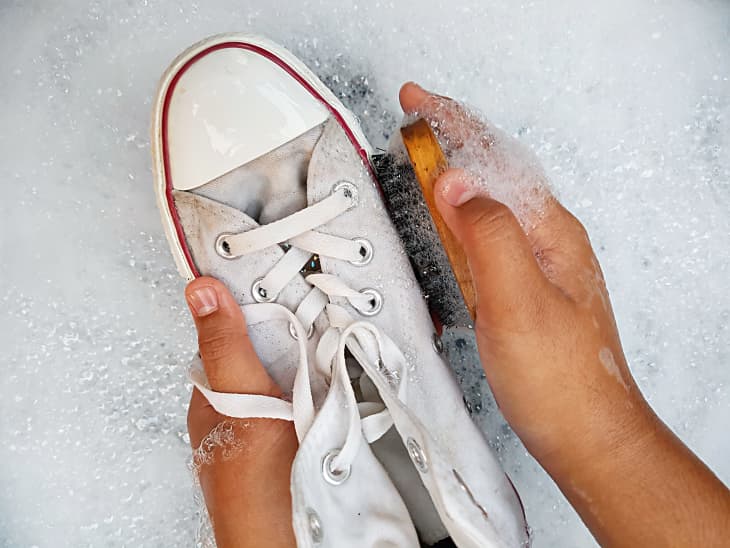
Mildew spores can irritate lungs and skin. Wear gloves and a mask when scrubbing. Work in a well-ventilated area or outdoors.
Avoid mixing cleaners that create toxic fumes. For example, never mix bleach with ammonia. Test cleaners on a hidden spot before full cleaning.
Keep pets and children away from wet shoes while you clean. Dispose of cleaning rags and brushes or wash them separately to avoid spreading spores.
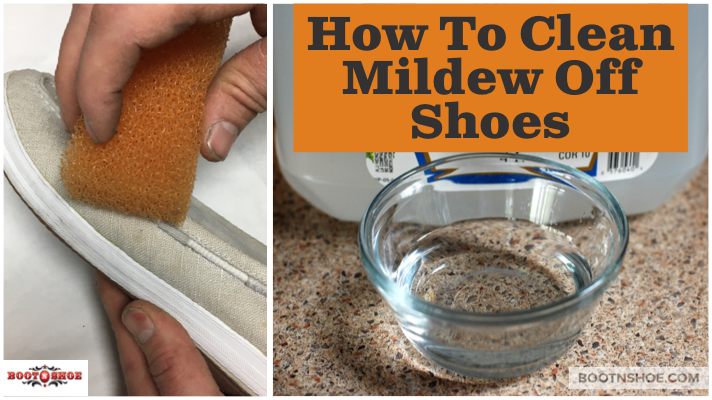
How to clean mildew shoes — fabric, canvas, and mesh (step-by-step)
These steps work for most sneakers and fabric shoes. Use gentle action to protect materials.
Materials you’ll need
- Soft brush or old toothbrush
- Mild detergent or laundry soap
- White vinegar or hydrogen peroxide
- Baking soda (optional)
- Clean cloths and towels
- A basin or bucket
Steps
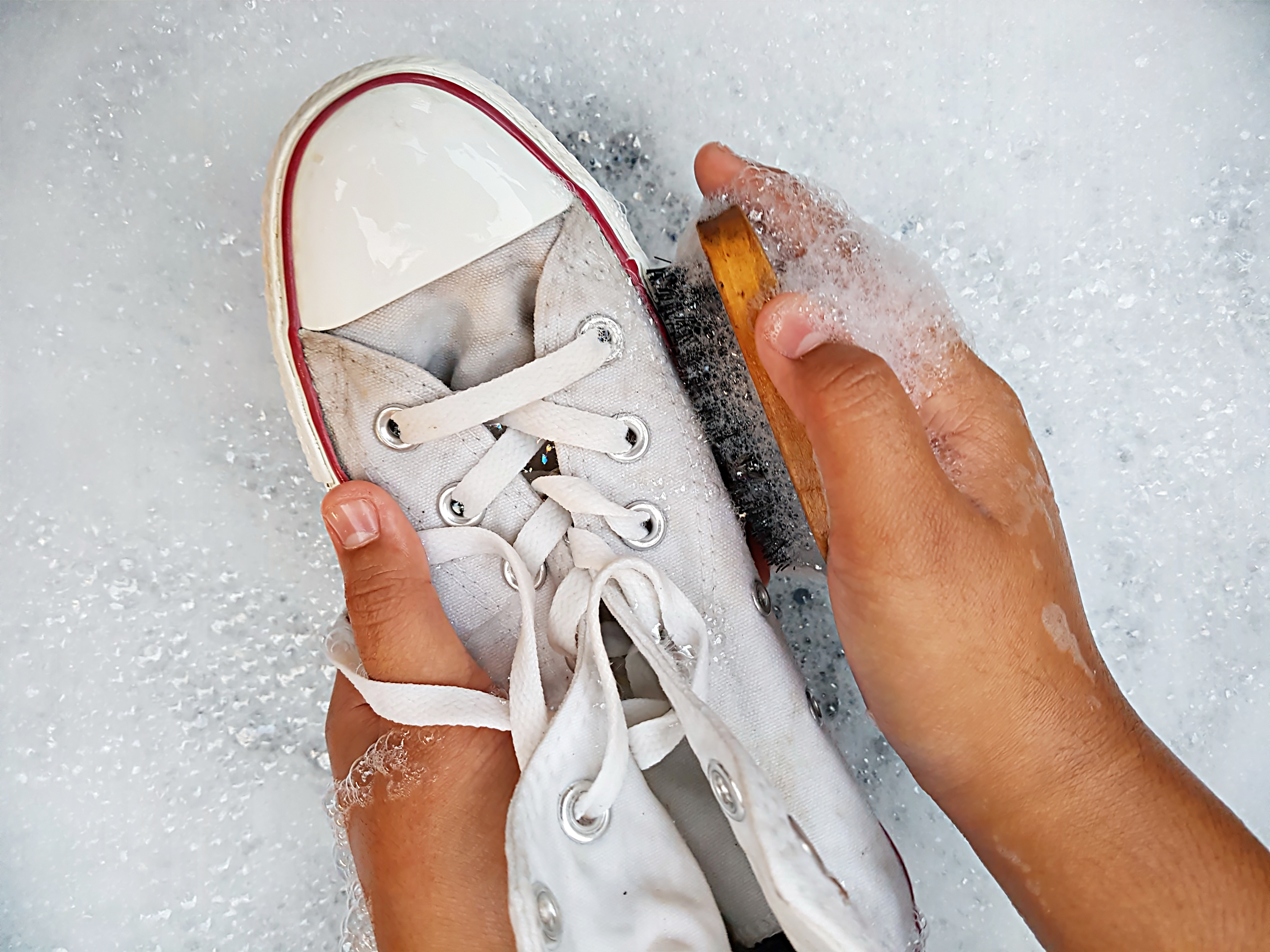
- Move shoes outdoors and tap soles together to dislodge loose spores.
- Remove laces and insoles. Wash laces separately in warm soapy water.
- Mix one part white vinegar with four parts water. Or use a teaspoon of mild detergent in warm water.
- Lightly scrub the affected areas with the brush and solution. Rinse frequently.
- For stubborn spots use a paste of baking soda and water. Rub gently and rinse.
- If odor remains, sprinkle baking soda inside the shoe and leave overnight. Vacuum or shake out the powder.
Personal tip: I once saved a favorite canvas pair by repeating the vinegar rinse twice. Mildew faded after two treatments.
How to clean mildew shoes — leather and suede guidance
Leather and suede need gentler care. Heavy scrubbing or soaking can ruin them.
Leather steps
- Wipe surface with a damp cloth to remove loose spores.
- Mix one part white vinegar with two parts water. Dampen a cloth and wipe gently.
- Condition leather after it dries to restore oils.
Suede steps
- Brush the nap with a suede brush to lift mildew.
- Use a suede cleaner or a small amount of white vinegar on a soft cloth. Dab, don’t soak.
- Let suede dry naturally, then brush again to restore texture.
Personal note: I damaged a suede boot once by overwetting it. Now I always use minimal moisture and a suede protector after cleaning.

Drying, deodorizing, and preventing mildew recurrence
Drying is as important as cleaning. Damp shoes will regrow mildew fast.
Drying tips
- Air-dry in sunlight if material allows. Sunlight kills spores and reduces odor.
- Stuff shoes with newspaper to speed drying and keep shape. Replace paper as it absorbs moisture.
- Use a fan or dehumidifier in humid climates. Avoid direct heat from a heater or dryer on leather.
Prevention strategies
- Rotate shoes. Don’t wear the same pair two days in a row.
- Store shoes in breathable racks, not sealed plastic bins.
- Use moisture-absorbing packets or baking soda in storage boxes.
- Wash insoles regularly and allow them to dry fully.

Deep cleaning and stubborn mildew solutions
Some mildew stains need stronger steps. Use caution with stronger agents.
Stronger options
- Hydrogen peroxide can whiten mildew stains on white fabrics. Test first.
- Enzyme cleaners work on organic residue that feeds mildew.
- A diluted bleach solution (1 part bleach to 10 parts water) can work on white canvas only. Rinse thoroughly and never use on colored fabrics or leather.
When to seek professional help
- If shoes are valuable, vintage, or delicate, a professional cleaner can protect materials.
- If mildew persists after multiple treatments, consider professional restoration or replacement.
When to repair, restore, or replace mildew-damaged shoes
Mildew is reversible in many cases. But severe damage may be permanent.
Signs to replace
- Rotten odor that won’t go away
- Rotted soles or structural breakdown
- Deep staining that cleaning won’t remove
- Replace insoles and laces to freshen shoes.
- Re-glue separated soles through a cobbler.
- Use shoe dye or professional services to hide persistent stains.
My experience: I saved many pairs with new insoles and a deep clean. A few, though, needed replacement after long neglect.
Frequently Asked Questions of how to clean mildew shoes
How long does it take to remove mildew from shoes?
Light mildew often comes off in one cleaning session. Stubborn mildew may need two or three treatments spread over a few days.
Can I put mildewed shoes in the washing machine?
Many fabric sneakers are machine-safe on a gentle cycle. Remove insoles and laces, use mild detergent, and air-dry. Avoid the washer for leather and suede.
Will vinegar damage my shoes?
White vinegar is safe for most fabrics when diluted. Do a spot test first. Avoid vinegar on untreated leather or delicate suede.
How do I deodorize shoes after cleaning mildew?
Sprinkle baking soda inside shoes and let sit overnight. Shake or vacuum out the powder. For stubborn smells, air shoes in sunlight for a few hours.
Is it safe to wear shoes after cleaning mildew?
Yes, once shoes are fully dry and odor-free. Ensure all spores are removed and the shoe is structurally sound before wearing.
Can I prevent mildew in humid climates?
Yes. Use breathable storage, moisture absorbers, and rotate shoes often. A dehumidifier in your closet helps a lot.
Conclusion
You can save most pairs by learning how to clean mildew shoes with safe cleaners, gentle scrubbing, and thorough drying. Start with mild solutions like vinegar and detergent, move to stronger options only when needed, and protect leather and suede. Regular cleaning, rotation, and proper storage stop mildew before it starts.
Take action today: inspect your shoes, clean any mildew promptly, and set up simple prevention. Leave a comment with your toughest mildew case or subscribe for more shoe care tips.

Rubel Miah is the Senior Editor at MyStyleGrid.com, where he brings a sharp editorial eye and an unshakable love for fashion to everything he does. A true style addict, Rubel lives and breathes trends, from streetwear to high fashion, and has a knack for turning inspiration into impactful stories. With years of experience in fashion journalism and digital media, he curates content that empowers readers to express themselves through style. When he’s not editing features or forecasting the next big thing, you’ll find him hunting down vintage pieces or capturing street style moments around the city.