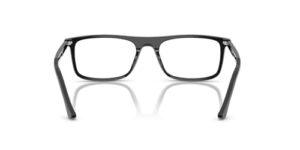
Gently clean with lukewarm water, mild soap, and a soft microfiber cloth—avoid ammonia or abrasive agents.
I have cleaned and restored hundreds of vintage sunglasses over the last decade as a conservator and eyewear restorer. This guide shows safe, step-by-step methods to clean vintage sunglasses without harming lenses, frames, or finishes. You will learn how to identify materials, pick the right supplies, remove grime, treat delicate trims, and spot when to call a pro. Read on for clear, tested techniques and tips from hands-on experience so your vintage sunglasses look their best while staying authentic and intact.

Why cleaning vintage sunglasses matters
Vintage sunglasses carry style and history. Dirt, oils, and old adhesives can harm lenses and frames over time. Proper cleaning protects the original parts and keeps value and wearability. Quick fixes can make things worse. Gentle, informed care is the right approach.
I learned this by restoring sunglasses from the 1950s through the 1990s. Many pieces I handled had fragile nose pads, plated metals, or lens coatings. A wrong cleaner removed plating in minutes. That taught me to always test and to move slowly.

Identify materials before you clean
Start by figuring out what your vintage sunglasses are made of. Different materials need different care.
- Frames might be acetate, celluloid, metal, gold-plate, or early plastics.
- Lenses can be glass, plastic, or coated.
- Trims may include rhinestones, leather, or silk.
If you find labels, hallmarks, or an era style, note them. When unsure, treat the piece as delicate. I once cleaned a 1960s pair that looked like modern plastic but was brittle celluloid. A mild approach saved it.

Supplies you will need
Use gentle, common tools. Avoid harsh chemicals.
- Lukewarm distilled water.
- Mild liquid dish soap (phosphate-free).
- Microfiber cloths (lint-free).
- Soft cotton swabs.
- Soft-bristled brush (baby toothbrush).
- Plastic syringe or bulb air blower.
- Small bowl and towel.
- Isopropyl alcohol 70% (only for metal parts, used sparingly).
- Sewing machine oil or light watch oil for hinge lubrication.
Keep everything clean. Old dirty cloths can scratch lenses.

Step-by-step cleaning process
Follow these steps in order. Work slowly and keep parts dry when needed.
-
Inspect the sunglasses carefully.
- Look for loose screws, cracked frames, flaking plating, or delaminating lenses.
- Note fragile nose pads or glued parts.
-
Remove surface dust and grit.
- Use a bulb air blower or soft brush.
- Gently blow away loose particles to prevent scratching.
-
Rinse with lukewarm distilled water.
- Hold the sunglasses under gentle flow.
- Avoid hot water; heat can warp frames.
-
Apply mild soap solution.
- Mix a drop of mild dish soap in a small bowl of water.
- Dip microfiber cloth or soft brush and wipe lenses and frames gently.
-
Clean tight spots with cotton swabs.
- Use damp swabs to reach hinge areas, nose pads, and trims.
- Do not soak glued joints.
-
Rinse and dry carefully.
- Rinse with distilled water.
- Pat dry with a clean microfiber cloth.
- Air dry overnight on a soft towel if needed.
-
Tighten and lubricate hinges if safe.
- Tighten loose screws gently.
- Add one drop of light oil to the hinge pivot if it’s metal and stiff.
I follow these steps on every restoration project. The order matters. Skipping rinse or using alcohol too soon often causes stains.

Special-care tips for different frame types
Different frames need tailored care to avoid damage.
-
Acetate frames
- Use mild soap and lukewarm water.
- Avoid heat and chemical solvents.
- For stubborn grime, let them soak briefly then wipe.
-
Celluloid frames
- Very fragile and flammable.
- Use minimal water.
- Never expose to heat or chemicals.
- Prefer dry cleaning with a soft brush and gentle cloth.
-
Metal frames and plated finishes
- Use a damp cloth and mild soap.
- Use isopropyl alcohol sparingly on bare metal, not on plating.
- Avoid polishing compounds on gold plate.
-
Glass lenses
- Tolerate more cleaning but can be scratched by grit.
- Use the same gentle soap method.
-
Coated plastic lenses
- Coatings can be damaged by ammonia, bleach, or alcohol.
- Use only mild soap and microfiber cloth. Test a small spot first.

Treating delicate trims and rhinestones
Trims add character but can be fragile.
-
For rhinestones and glued trims
- Use a damp cotton swab and mild soap.
- Avoid soaking.
- If glue fails, consult a conservator.
-
For leather or fabric parts
- Use a barely damp cloth and leather cleaner for leather.
- Let fabric air dry naturally.
-
For painted or decorated frames
- Clean around paint with extreme care.
- Never use solvents near painted areas.
I once cleaned a pair with glued rhinestones. I removed grime with swabs and left the glue alone. That preserved the original look.

Handling scratches and lens damage
Minor scratches can sometimes be reduced. Deep scratches often need lens replacement.
-
Small plastic scratches
- Lightly buff with a microfiber cloth and non-abrasive polish designed for eyewear.
- Test a hidden spot first.
-
Glass scratches
- Hard to remove. Seek lens replacement for clarity.
-
Coating delamination
- Do not try to recoat at home. Consult an optical lab or conservator.
Replacing lenses may reduce collectible value. Balance use and authenticity before deciding.

Storage and ongoing care
Good storage prevents damage and reduces cleaning frequency.
- Store in a hard case lined with soft fabric.
- Use a microfiber pouch for short trips.
- Avoid sunlight and heat.
- Keep away from chemicals and sprays.
- Clean hands before handling.
I store valuable vintage sunglasses in acid-free tissue and in a climate-controlled drawer. That keeps them stable.

When to seek professional help
Know your limits. Some jobs are best left to pros.
- Loose or missing parts that need re-soldering or re-plating.
- Delaminated lenses or damaged coatings.
- Structural cracks or breaks in celluloid or acetate.
- High-value items with historical or collector value.
A conservator or experienced optician can replace lenses with period-correct materials and preserve value.
Quick PAA-style questions
Here are short answers people often search for.
-
Can I use household glass cleaner on vintage sunglasses?
No. Most glass cleaners contain ammonia that can damage coatings and finishes. Use mild soap and water instead. -
Is it safe to use alcohol on metal frames?
Use alcohol sparingly on bare metal. Avoid alcohol on plated, painted, or coated areas. -
Will polishing remove lens scratches?
Light scratches on plastic may improve. Deep scratches and glass scratches need replacement.
Frequently Asked Questions of how to clean vintage sunglasses safely
How often should I clean vintage sunglasses?
Clean them when visibly dirty or after heavy use. Regular light cleaning keeps oils and dirt from building up.
Can I use toothpaste to remove scratches on plastic lenses?
No. Toothpaste is abrasive and can worsen scratches. Use products made for eyewear or consult a pro.
Are ultrasonic cleaners safe for vintage sunglasses?
Not always. Ultrasonic cleaners can loosen glue and damage coatings. Use only after confirming materials can tolerate it.
How do I restore faded plating or gold leaf?
Restoring plating needs a professional re-plating service. DIY methods often remove more original finish.
What should I do if a nose pad is broken?
Replace nose pads with period-appropriate parts if possible. An optician or eyewear restorer can fit the right pads.
Can I submerge vintage sunglasses in soapy water?
Short, gentle dips are okay for sturdy frames. Avoid soaking fragile materials, glued parts, and trimmed decorations.
Conclusion
Gentle care and the right tools keep vintage sunglasses beautiful and wearable. Identify materials first, use mild soap and microfiber, and avoid harsh chemicals or heat. When in doubt, test a small area or consult a conservator to protect value and originality. Try these steps on a less valuable pair first, and then treat your favorite vintage sunglasses with confidence. Share your experience, ask questions below, or subscribe for more care and restoration tips.

Rubel Miah is the Senior Editor at MyStyleGrid.com, where he brings a sharp editorial eye and an unshakable love for fashion to everything he does. A true style addict, Rubel lives and breathes trends, from streetwear to high fashion, and has a knack for turning inspiration into impactful stories. With years of experience in fashion journalism and digital media, he curates content that empowers readers to express themselves through style. When he’s not editing features or forecasting the next big thing, you’ll find him hunting down vintage pieces or capturing street style moments around the city.