Design a standout sneaker, partner with a trusted factory, brand it well, and sell it smart.
I’ve helped founders and small brands build private label sneaker lines for years, and I know exactly what works. This guide walks you through how to create private label sneaker brand step by step. You’ll learn design basics, sourcing, manufacturing, quality control, branding, pricing, marketing, and legal must-dos. Read on to turn an idea into a scalable sneaker business with real-world tips and mistakes to avoid.

Why choose a private label sneaker brand
Private label gives you control over design, margins, and brand identity. You can build distinct style and a loyal audience without owning a factory. Many founders favor private label because it balances creativity with lower startup cost than full manufacturing. Knowing how to create private label sneaker brand helps you escape being a reseller and builds long-term value for your company.
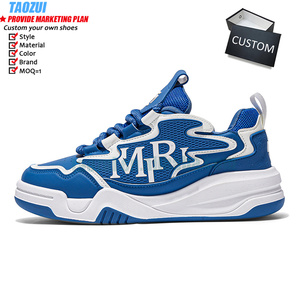
Step-by-step guide: how to create private label sneaker brand
Follow this practical roadmap to move from idea to first sale.
- Validate the idea: Test interest with surveys, social posts, or pre-sales before investing in samples.
- Define the niche: Choose running, lifestyle, skate, casual, or fashion sneakers to focus design and marketing.
- Create a mood board: Collect materials, shapes, and color references to guide design.
- Make tech packs: Include measurements, materials, and construction notes for manufacturers.
- Order samples: Test fit, comfort, and finish; expect 2–4 rounds of adjustments.
- Approve tooling and production: Confirm final sample, minimum order quantity, and production timeline.
- Execute quality checks: Inspect pre-shipment and sample production to avoid defects.
- Launch and iterate: Release a small batch, gather feedback, then scale.
This sequence shows exactly how to create private label sneaker brand with minimal waste and smarter risk.

Product design and development essentials
Good design sells. Great design earns loyalty.
- Focus on fit and comfort: Prioritize last shape, insole comfort, and arch support for repeat buyers.
- Select materials with intent: Use mesh for breathability, leather for heritage looks, and EVA for cushioning.
- Balance aesthetics and function: A clean silhouette often sells better than overly complex builds.
- Build a tech pack: Document stitch lines, materials, color codes, and construction notes for factories.
- Prototype fast: Use digital mockups then 3D or physical samples to iterate quickly.
Design decisions directly affect price, durability, and brand promise. Know these trade-offs early to save money and protect your reputation.
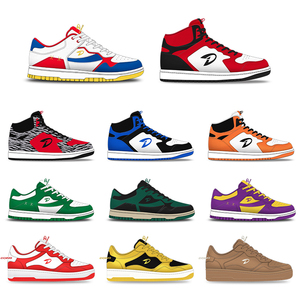
Sourcing and manufacturing: finding the right partner
Finding the right factory is the biggest determinant of success.
- Search options: Use trade shows, B2B platforms, and referrals to compile potential factories.
- Evaluate capabilities: Ask about shoe types they produce, minimum order quantities, lead times, and certifications.
- Request samples: Pay for initial samples and evaluate build, comfort, and materials.
- Negotiate terms: Discuss MOQ, payment schedule, packaging, and inspection rights.
- Plan logistics: Factor in shipping lead times, customs, and local warehousing.
I’ve visited factories and run audits for brands. The best partners communicate clearly, offer realistic timelines, and welcome visits or video calls. Choosing the wrong factory can cost months and tens of thousands of dollars, so vet thoroughly.

Branding, packaging, and storytelling
Brand is what makes your sneakers memorable.
- Define your brand story: Explain why your sneaker exists and who it serves.
- Design identity elements: Logo, color palette, typography, and tone of voice should match your audience.
- Create packaging that matters: Simple box upgrades, tissue wrap, and branded inserts improve perceived value.
- Build a product line logic: Offer core styles first, then limited drops to create urgency.
Strong branding turns buyers into fans. When asking how to create private label sneaker brand, remember design alone won’t win; emotional connection does.
Pricing, margins, and financial modeling
Price the sneaker to be competitive and profitable.
- Calculate landed cost: Include product, tooling, shipping, duties, and inspection.
- Set target margin: Aim for at least 40–60% gross margin after shipping and marketing for sustainable growth.
- Use tiered pricing: Offer MSRP, wholesale, and introductory discounts without eroding brand value.
- Run cash flow scenarios: Factor in long lead times, unsold inventory, and reorders.
A healthy margin lets you invest in marketing and product development. This is core to how to create private label sneaker brand that scales.

Sales channels and distribution strategies
Choose channels that match your brand and audience.
- D2C website: Highest margins and full customer data capture.
- Marketplaces: Useful for fast exposure but lower margins and less brand control.
- Wholesale and boutiques: Build credibility and reach local customers.
- Pop-ups and events: Great for testing markets and collecting direct feedback.
Start with one primary channel to reduce complexity. Many brands begin D2C, then expand to wholesale once they prove product-market fit.
Marketing and launch plan
A smart launch generates momentum and reduces inventory risk.
- Pre-launch: Build email list, run ad tests, and seed influencers with samples.
- Launch week: Use scarcity tactics such as limited runs or pre-order discounts.
- Post-launch: Collect reviews, run retargeting ads, and refresh creative regularly.
- Content strategy: Share behind-the-scenes design, material choices, and fit guides to build trust.
Your launch plan should align with your brand story and target customer. Clear messaging about fit and benefits reduces returns and boosts conversion.

Quality control and returns management
Protect brand reputation through consistent quality.
- Create inspection criteria: Specify tolerances for stitching, glue, and materials.
- Inspect before shipment: Use third-party QC agents to check batches.
- Build a returns policy: Clear rules and fast processing keep customers happy.
- Learn from returns: Track reasons and fix issues at the factory level.
Quality issues damage brand faster than marketing can fix. A robust QC plan is essential when you learn how to create private label sneaker brand.
Legal, trademarks, and compliance
Handle legal early to avoid costly disputes.
- Check trademarks: Search for brand and logo conflicts before launching.
- Review contracts: Get clear terms on IP, tooling ownership, and confidentiality with factories.
- Comply with regulations: Ensure materials meet regional safety and labeling laws.
- Consider insurance: Product liability insurance protects your business from claims.
Legal steps are not glamorous, but they preserve your brand and investment. Treat this as non-negotiable in your plan.
Scaling operations and growth tactics
Scale smart, not fast.
- Use rolling production: Smaller, more frequent runs reduce risk and free cash.
- Add SKUs carefully: Expand colorways before adding totally new silhouettes.
- Outsource fulfillment: Move to a fulfillment partner once volume grows to save time.
- Invest in community: Loyalty programs and repeat-customer outreach lower acquisition costs.
When scaling, keep quality and brand coherence. Rapid expansion without systems is a common mistake I’ve seen and helped correct.
Common pitfalls and how to avoid them
Avoid these frequent missteps.
- Skipping samples: Don’t rush to bulk production without approved samples.
- Underestimating costs: Add 15–25% contingency for unexpected fees.
- Selling too wide: Launch focused, then broaden distribution.
- Weak branding: Great product with no story struggles to sell.
Each pitfall is fixable with planning and discipline. Learning from others shortens your path to success.
Personal experience and lessons learned
I launched a private label sneaker project using these exact steps. The first sample failed on fit. I learned to insist on last adjustments before approving tooling. Early branding was inconsistent, so I paused and refined the visual language. After relaunching a cohesive line with a clear story, sales and repeat rates improved. These changes cost time but saved money and preserved reputation. Trust the process.
Frequently Asked Questions of how to create private label sneaker brand
How much money do I need to start a private label sneaker brand?
Startup costs vary widely. Expect to spend on samples, tooling, minimum orders, branding, and initial marketing—often several thousand to tens of thousands of dollars depending on scale.
What is the typical minimum order quantity (MOQ) for sneakers?
MOQ depends on the factory and materials but typically ranges from 300 to 1,000 pairs per color or style. Some factories offer lower MOQs at higher per-unit costs.
How long does it take to go from idea to launch?
Plan for 4 to 9 months from initial design to first sale. Time varies by sample rounds, tooling needs, and shipping times.
Can I private label sneakers without design experience?
Yes. You can work with freelance designers or design agencies and use existing lasts and templates to speed development. Strong direction and clear tech packs are key.
How do I protect my shoe designs?
Use trademarks, design patents (where applicable), and tight contracts with manufacturers. Monitor marketplaces and enforce your rights when needed.
Is private label better than white-label for sneakers?
Private label offers more control over design and branding. White-label is often more generic and faster to market but less distinctive.
Conclusion
You can build a successful private label sneaker brand by following clear steps: validate, design, source, brand, and launch with quality controls. Start small, focus on fit and story, and scale deliberately. Take action today: draft a tech pack, shortlist factories, or launch a small pre-sale to test demand. If you found this useful, subscribe for updates or leave a comment about your project.

Rubel Miah is the Senior Editor at MyStyleGrid.com, where he brings a sharp editorial eye and an unshakable love for fashion to everything he does. A true style addict, Rubel lives and breathes trends, from streetwear to high fashion, and has a knack for turning inspiration into impactful stories. With years of experience in fashion journalism and digital media, he curates content that empowers readers to express themselves through style. When he’s not editing features or forecasting the next big thing, you’ll find him hunting down vintage pieces or capturing street style moments around the city.