Match frame shape to your face, ensure UV400 lenses, and pick a comfy fit.
If you want a pair that looks great and protects your eyes, you’re in the right place. I’ve helped hundreds of people learn how to find the right sunglasses for your face, and this guide distills what actually works in the real world. You’ll learn the simple steps, pro tips, and small details that make a big difference.

Understand your face shape and key features
Before you buy, study your face. This is the most important step in how to find the right sunglasses for your face. Use a mirror and good light. Tie back your hair if needed.
Measure four simple points:
- Forehead width. Is it wider than your jawline?
- Cheekbone width. The broadest part of your face.
- Jawline shape. Curved, straight, or sharp?
- Face length. Short, average, or long?
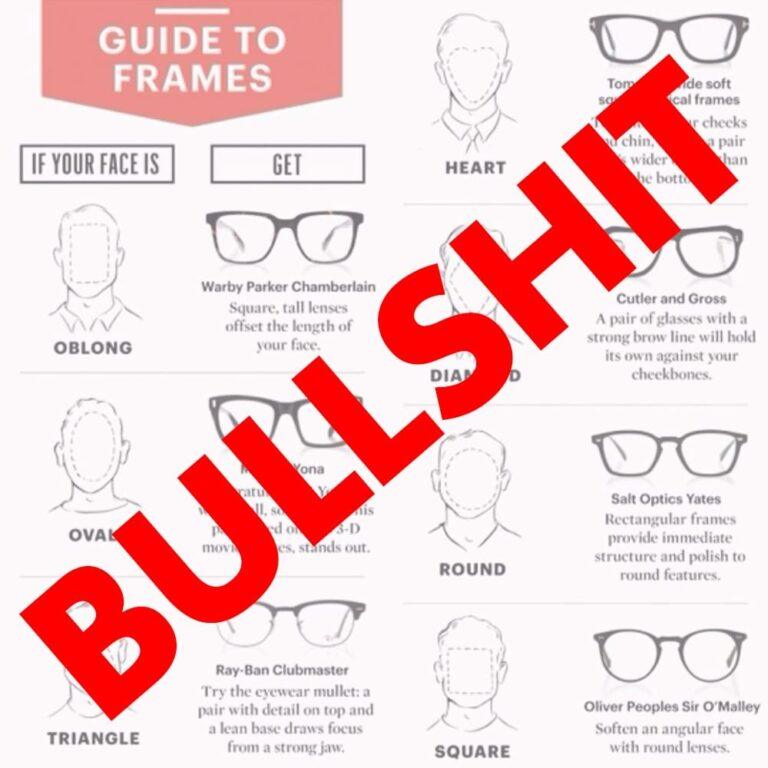
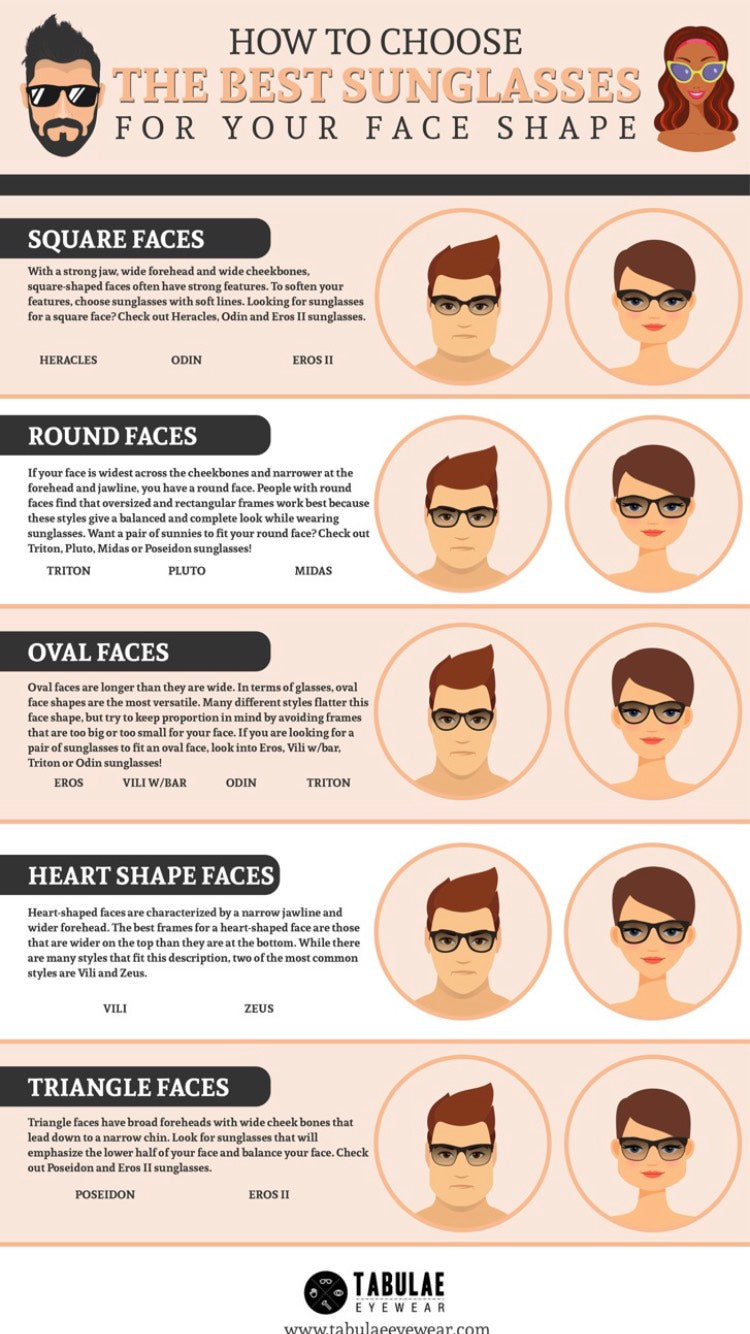
Match what you see to common face shapes:
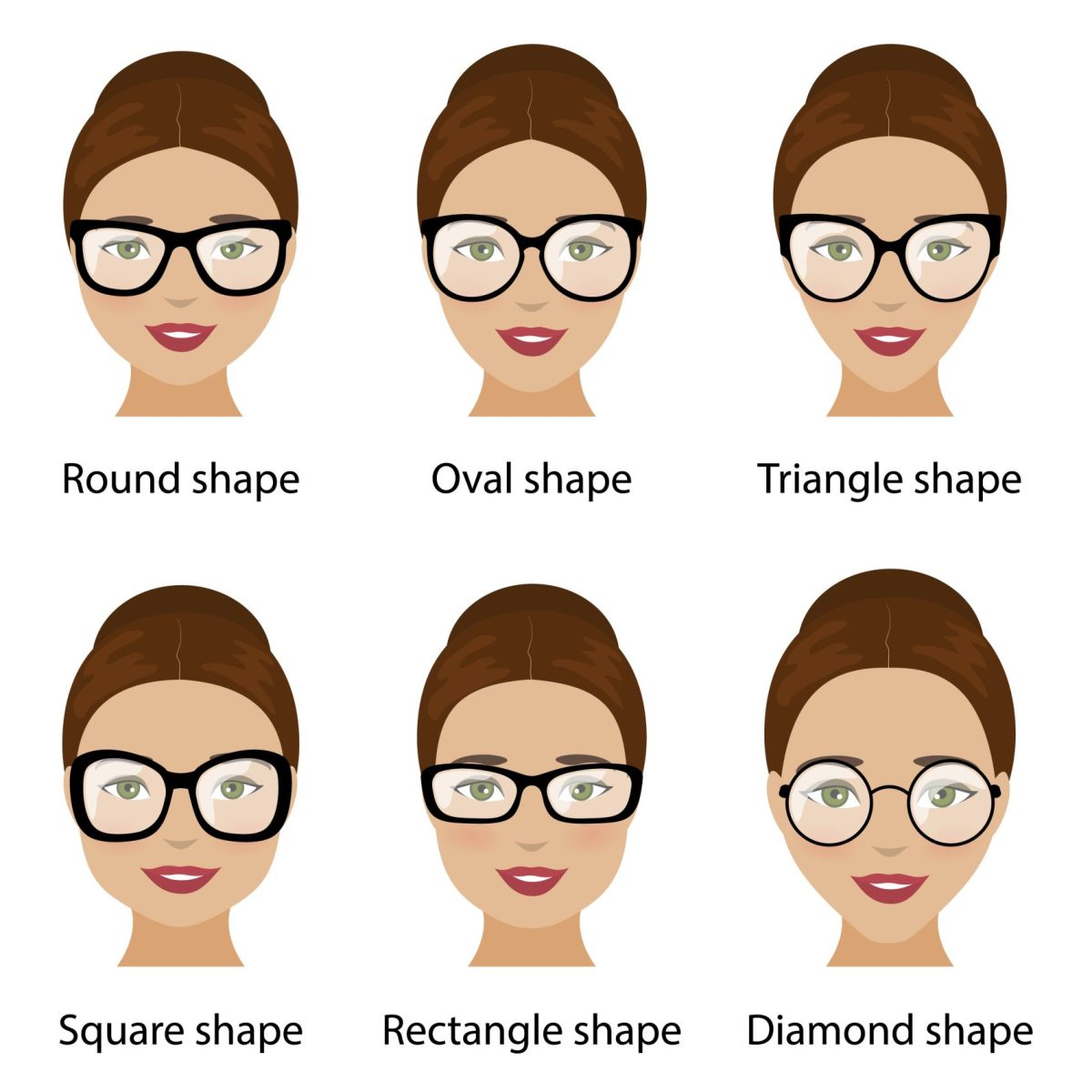
- Round. Full cheeks, soft jaw, similar width and height.
- Square. Strong jaw, broad forehead, equal width at brow and jaw.
- Oval. Balanced features, slightly longer than wide.
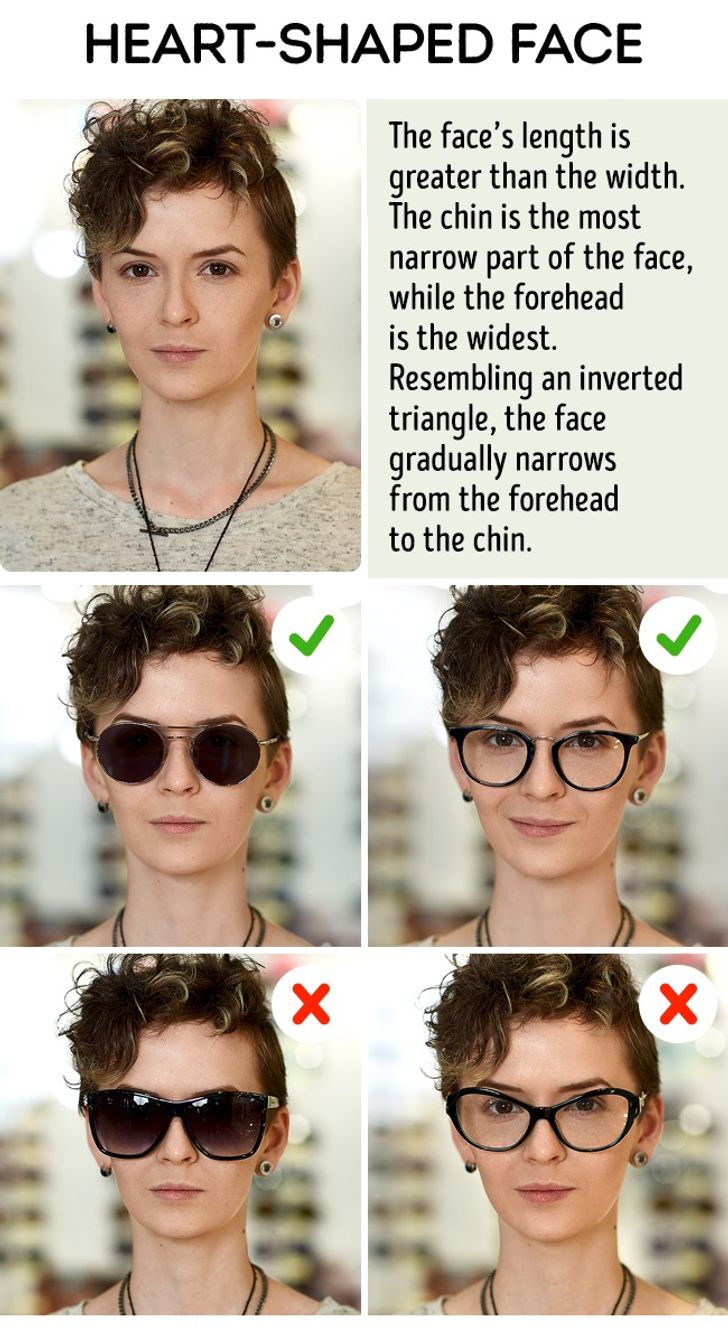
- Heart. Wider forehead, narrow chin.
- Diamond. Narrow forehead and chin, wide cheeks.
- Oblong. Long face with more height than width.
Look at fit factors too. Bridge height, nose width, cheekbone height, and ear position all affect comfort. This is how to find the right sunglasses for your face without guessing. If the bridge slides, or lenses hit your cheeks, the shape is off.
Frame shapes that balance each face type
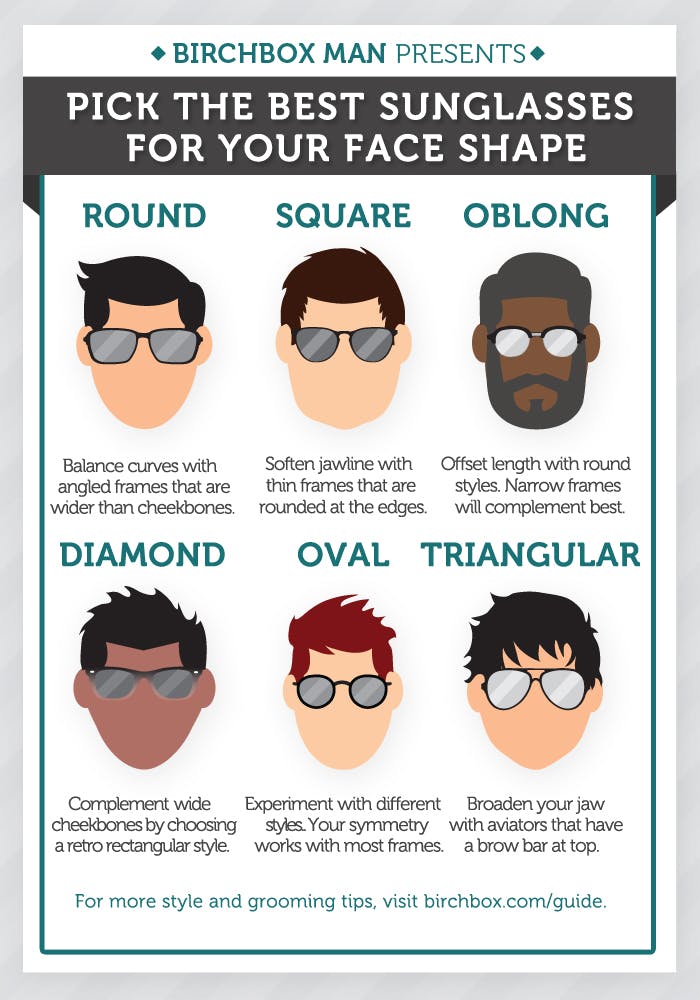
Here’s the rule of thumb. Balance your face with contrast. This simple map helps you learn how to find the right sunglasses for your face fast.
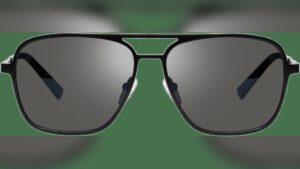
- Round face. Choose angular frames. Wayfarer, rectangle, or square add structure.
- Square face. Choose round or oval to soften angles. Slightly wider than the jaw works well.
- Oval face. Most shapes work. Keep frame width close to face width for balance.
- Heart face. Try aviators, round, or light-bottom frames. Avoid very heavy top rims.
- Diamond face. Cat-eye, oval, and top-heavy styles balance wide cheeks.
- Oblong face. Oversized, tall lenses, or slight wrap add width and coverage.
Edge cases matter. If you have a low bridge or higher cheeks, look for low-bridge fit or adjustable nose pads. That small detail can turn an okay frame into your best pair.

Fit fundamentals: size, bridge, temples, and coverage
Fit is comfort. And comfort is style you actually wear. This is the practical side of how to find the right sunglasses for your face.
Know the three size numbers printed inside the arm:
- Lens width. The main width of each lens.
- Bridge width. The gap between lenses. It controls slide and pinch.
- Temple length. The arm length. It affects how well frames hug your head.
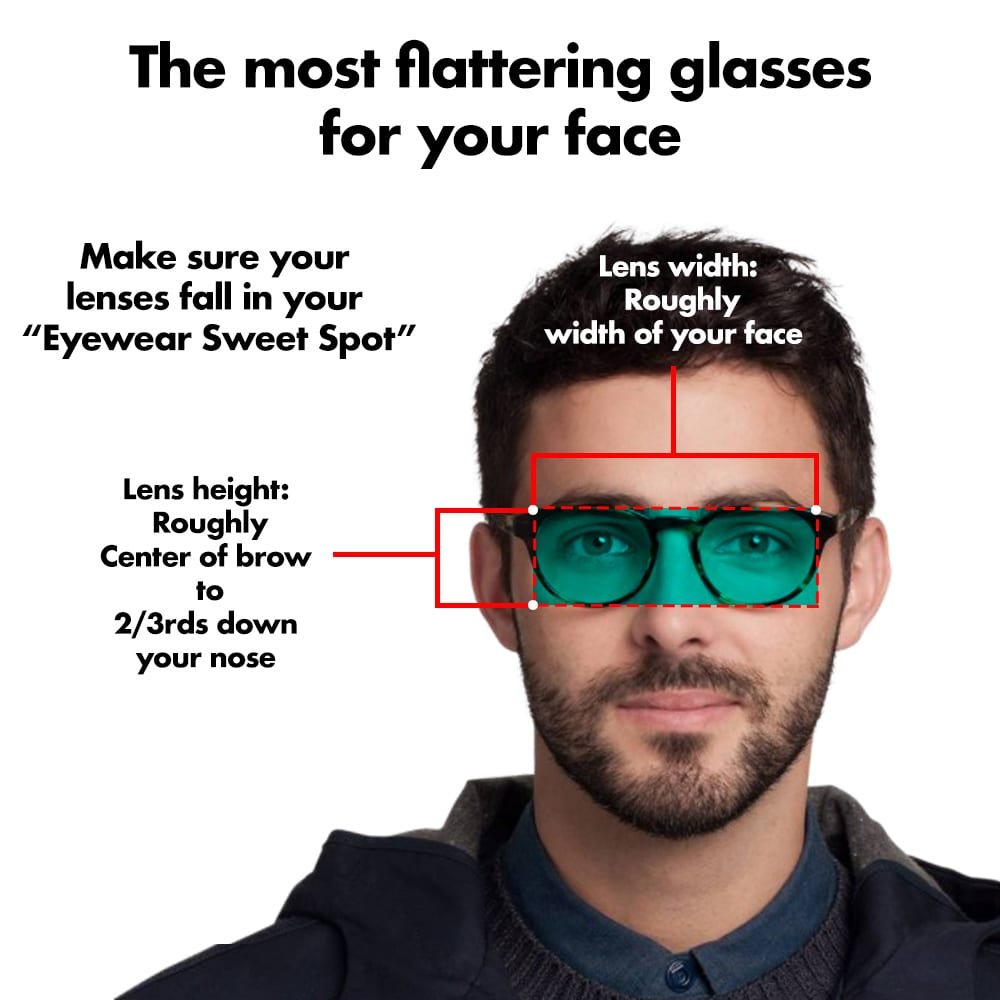
Aim for a three-point fit. Light touch on the nose and both ears. No hotspots. No marks. The lenses should align with your pupils to reduce distortion and eye strain. If your cheeks touch when you smile, pick a frame with more pantoscopic tilt control, a higher bridge, or lifted nose pads.
Mind coverage. Lenses should block light from the top and sides. A slight wrap helps outdoors. If you wear a cap or bike helmet, test them together to avoid pressure points.

Lenses that protect and enhance vision
Protection comes first. UV400 blocks 99 to 100 percent of UVA and UVB. That helps prevent cataracts and retinal damage over time. This is core to how to find the right sunglasses for your face and your eyes.
Pick lens tech with intent:
- Polarized lenses. Cut glare on water, snow, and roads. Great for driving and fishing.
- Lens material. Polycarbonate is light and impact-resistant. Trivex has crisp optics and is also tough. Glass is the most scratch-resistant but heavier.
- Tints by task. Gray keeps colors neutral. Brown and copper boost contrast for trails and driving. Green is balanced and classic.
- Coatings. Backside anti-reflective cuts inner glare. Mirror tints add glare control and style. Scratch-resistant layers add life.
Check optical quality. Look through a straight line and move the lenses side to side. The line should stay straight. Cheap lenses can warp vision and cause headaches.
Color, style, and your personal vibe
This is where function meets fun. A simple rule for how to find the right sunglasses for your face and style is to start with your undertone.
- Warm undertones. Tortoise, honey, olive, gold, and brown lenses look rich.
- Cool undertones. Black, crystal gray, navy, silver, and green lenses pop.
- Neutral undertones. You can wear almost anything. Focus on contrast.
Think about your wardrobe. If you dress minimal, stick to clean lines and quiet colors. If you love bold looks, try cat-eye, geometric edges, or bright acetates. Own one classic pair you can wear with anything and one statement pair for fun.
Mistakes to avoid and pro tips from real fittings
I’ve made these mistakes so you don’t have to. Use these lessons to master how to find the right sunglasses for your face without wasting money.
- Ignoring UV rating. Dark does not mean safe. Always check for UV400.
- Buying too small. Lenses should cover your eye socket. Gaps leak glare.
- Over-dark tints. Indoors or shade will feel unsafe. Medium tints are more versatile.
- Wrong polarization. Pilots and some photographers need care. Polarization can hide LCD readouts.
- Skipping adjustability. Nose pads and temple bends fix most comfort issues.
- No return plan. Try at home, move, smile, and look down. Keep tags until you are sure.
Pro tip. When frames slide down, a small nose pad tweak or low-bridge fit usually solves it. When temples pinch, a quick outward bend at the tip eases pressure.
Smart shopping: online vs in-store
You can nail how to find the right sunglasses for your face in both places. The key is a simple process.
If shopping in-store:
- Ask for a UV test and lens demo under bright light.
- Check the fit after five minutes of wear. Hotspots show up with time.
- Try three shapes. One safe, one bold, one wild. Take phone photos from the front and side.
If shopping online:
- Measure a pair you already love. Match lens width, bridge, and temple.
- Use virtual try-on, then order two sizes to compare at home.
- Read the return policy. Aim for free returns and at least 14 days.
- For prescriptions, confirm PD and lens material options.
Write a short checklist on your phone and follow it. It keeps you calm and saves money.

Care, adjustments, and when to replace
Good care makes a great pair last. This ties back to how to find the right sunglasses for your face that you will keep and use for years.
- Clean with lens spray and a soft cloth. Avoid shirts and paper towels.
- Store in a hard case. Heat in a car can warp frames and crack coatings.
- Get a tune-up. Most optical shops adjust fit and tighten screws for free.
- Replace when you see coating haze, deep scratches, or loose hinges.
- Swap nose pads as needed. Fresh pads fix slip and improve comfort.
A little care keeps clarity sharp and frames comfy all season long.
Frequently Asked Questions of how to find the right sunglasses for your face
How do I know my face shape quickly?
Stand in front of a mirror and trace your outline with a washable marker. Compare the outline to common shapes like round, square, oval, heart, diamond, or oblong.
Do polarized lenses protect my eyes better than non-polarized?
Polarization reduces glare but does not add UV protection by itself. UV400 protection is what shields your eyes; you can get UV400 with or without polarization.
What size sunglasses should I get for a small face?
Look for narrow to medium lens widths and a smaller bridge. Choose frames with shorter lens heights to avoid cheek contact and sliding.
Can I use how to find the right sunglasses for your face rules if I have a beard or bangs?
Yes. Hair can change the look, but bone structure still leads the choice. Focus on balance at the jaw, cheeks, and brow.
Are oversized sunglasses bad for driving?
Not if they fit well and the tint is right. Choose gray or brown tints with medium darkness and keep the frame from blocking your side vision.
How does how to find the right sunglasses for your face work for sports?
Pick wrap frames with stable grip and impact-resistant lenses. Make sure the helmet or hat you use fits with the temples and does not cause pressure.
What lens color should I choose for everyday use?
Gray keeps colors true and works in most light. Brown or copper adds contrast, which is great for driving and walking in mixed light.
Conclusion
You now have a simple, proven path to great shades. Measure your face, match the frame shape, lock in UV400 lenses, and fine-tune the fit. That is how to find the right sunglasses for your face with confidence.
Use the checklists, try two or three options, and move around before you commit. Your eyes will feel better, and your style will look effortless. Ready to level up your eyewear? Try these steps today, save your favorite picks, and share your wins or questions in the comments.

Rubel Miah is the Senior Editor at MyStyleGrid.com, where he brings a sharp editorial eye and an unshakable love for fashion to everything he does. A true style addict, Rubel lives and breathes trends, from streetwear to high fashion, and has a knack for turning inspiration into impactful stories. With years of experience in fashion journalism and digital media, he curates content that empowers readers to express themselves through style. When he’s not editing features or forecasting the next big thing, you’ll find him hunting down vintage pieces or capturing street style moments around the city.