Use heel grips, thick socks, better lacing, or insoles to stop heel slipping in new sneakers.
I’ve spent years fixing fit problems in shoes for friends, athletes, and myself. If you’re dealing with heel slipping in new sneakers, this guide will walk you through causes, quick checks, and step-by-step fixes that I’ve tested. You’ll learn what works fast, what lasts, and when a simple tweak won’t help. Read on to stop heel slipping in new sneakers and keep your feet comfortable and secure.

Causes of heel slipping in new sneakers
Heel slipping in new sneakers happens for a few clear reasons. Often the shoe is too big in length or volume. Sometimes the heel counter is soft, or the back collar is too loose. Other times your foot shape does not match the sneaker last.
Common causes:
- Shoe size is a half or full size too large.
- Wide heel or narrow shoe last that doesn’t cradle the heel.
- Low heel cup, soft materials, or a broken-in shoe lacking structure.
- Improper lacing or shoe tongue position.
- Thin socks or slippery sock material.
Understanding the cause helps you pick the right fix. If the shoe is simply too long, padding may only help so much. If the outsole shape and last mismatch your foot, you might need a different shoe model.

Quick checks before you try fixes
Do these three quick tests to know what to do next.
Try-on walk test:
- Wear the socks you plan to use and tighten the laces.
- Walk for five minutes and check if your heel lifts more than a half inch.
Pinch test:
- Slide your index finger behind the heel while wearing the shoe. If there’s room for two fingers, size or padding is needed.
Fit check standing:
- Stand and press down on the heel cup. Your heel should sit snug and not slide forward when you lift your toes.
If heel slipping in new sneakers fails these tests, choose targeted fixes below.

Effective at-home fixes that actually work
These fixes are simple, low-cost, and often solve heel slipping in new sneakers quickly.
Heel grips and sticky pads
- Peel-and-stick heel grips attach inside the back collar. They add friction and fill small gaps.
- Use fabric or gel grips for sensitive skin.
Thicker or cushioned socks
- Wear socks with padded heels or a thicker knit.
- Try double-layer socks to reduce movement.
Tongue and lacing adjustments
- Use the runner’s loop (heel lock) lacing technique to lock the heel.
- Tuck the tongue down and center it to stop sliding.
Insoles and heel cups
- Full-length or 3/4 insoles raise your foot slightly and reduce internal space.
- Rigid heel cups stabilize and cradle the heel.
DIY padding
- Use folded moleskin or cloth at the back collar for low-cost support.
- Place at the point of slip, not across the whole heel area.
Break-in method for some materials
- Wear the sneakers around the house with socks and heel grips for gradual molding.
- Avoid force-stretching; it can create more slack and worsen slipping.
Common order to try:
- Heel grips and lacing tweaks
- Thicker socks or socks with grip
- Insoles or heel cups
- Return or exchange if size issue persists
I often start with heel grips and the heel-lock lace. That solves most cases in minutes.
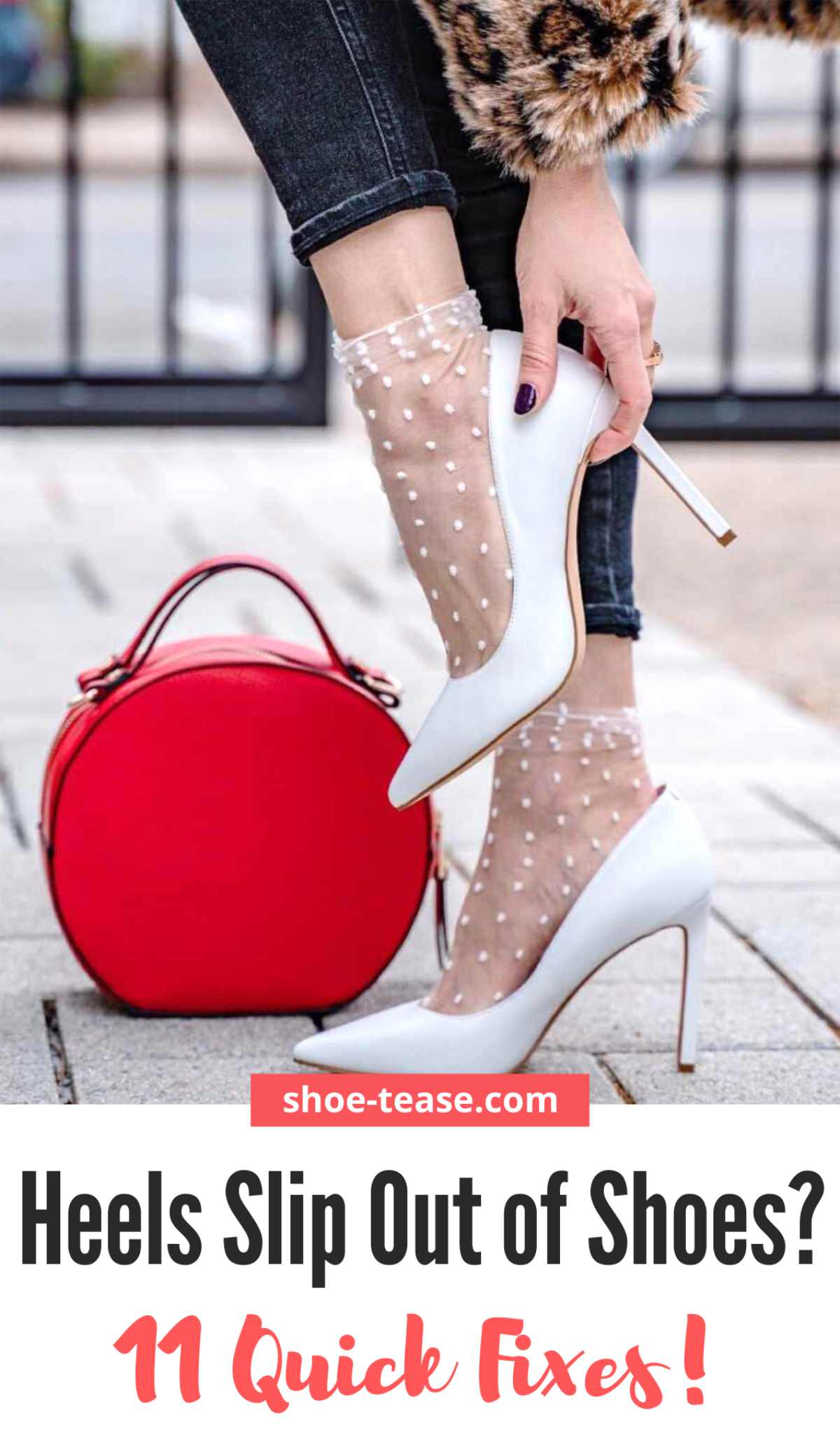
Inserts, socks, and lacing: which to choose
Pick the right combination for your foot type and activity.
Inserts and heel cups
- Best for shoes with extra volume or loose heel pockets.
- Use firm heel cups for running shoes. Soft gel works for casual wear.
Socks
- Choose socks with padded heels for long walks.
- Moisture-wicking socks reduce friction and blisters.
Lacing techniques
- Heel lock (two loops) secures the back of the foot.
- Skip-a-eyelet can reduce pressure on the instep while still locking the heel.
Match materials to use:
- Leather or structured sneaker: heel grips and laces work well.
- Mesh or soft knit: consider full insoles for volume control.
- Slip-on or low-cut trainer: thicker socks or adhesive pads are often best.
These options can be combined. For example, heel grips plus a runner’s loop give both friction and mechanical lock.

When to return, resize, or resole
Some problems mean the sneaker is not fixable by padding or laces.
Return or resize if:
- The shoe is a full size too long.
- The foot slides forward a lot, causing toe crowding.
- The shoe’s last is a poor match for your heel shape.
Consider professional help if:
- You need custom orthotics to correct foot posture or gait.
- The sneaker needs a recrafted counter or heel rebuild by a cobbler.
Resoling or structural changes:
- Cobblers can add a firm heel counter in some cases.
- Structural fixes cost more and don’t always succeed. Weigh cost versus buying a new pair.
If fixes fail after trying multiple tweaks, it’s usually cheaper and safer to swap models.
Personal experience and tested tips
I’ve fixed heel slipping in new sneakers dozens of times for runners and casual wearers. Here are tested wins from my work.
What worked best for me:
- A thin leather heel grip plus the heel-lock lace solved slipping in a snug runner.
- For knit sneakers, a 3/4 foam insole made the shoe snug without pinching toes.
- I learned not to overstuff the heel; too much padding pushes the foot forward.
Mistakes I made early on:
- Adding bulky padding all the way across the heel, which created hot spots.
- Ignoring sock choice for long runs—thin socks made small slips into blisters.
- Buying a different size without testing fixes first.
Quick tip from experience:
- When trying inserts, mark the insole before removal so you can return it to the same spot. This keeps balance and support stable.
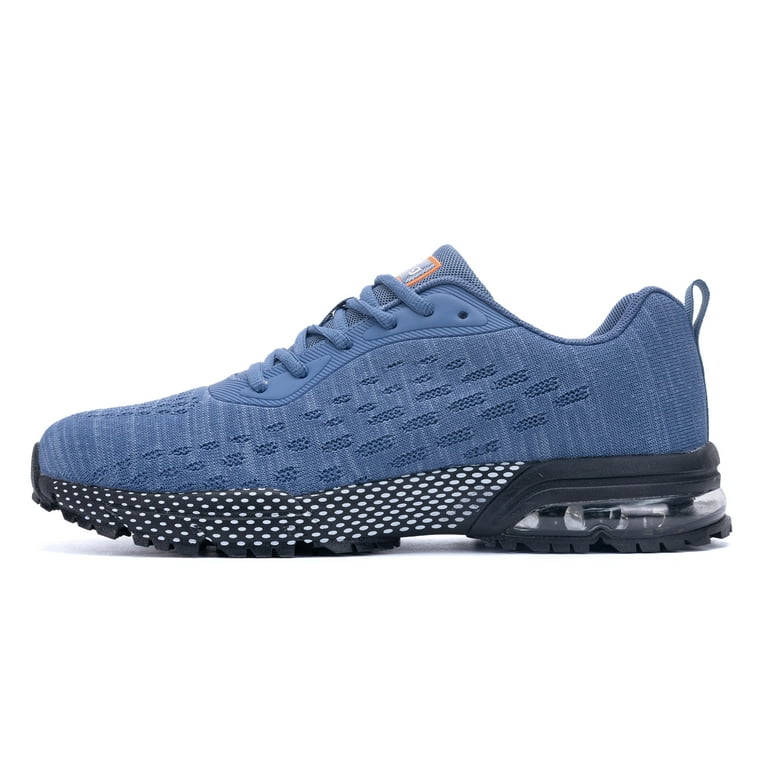
Source: walmart.com
Common quick questions (People also ask)
What causes heel slipping in new sneakers?
- Heel slipping comes from excess space, a soft heel counter, or a mismatch between your heel shape and the shoe last.
Will heel grips damage my shoes?
- Good heel grips are safe and non-damaging. Remove them gently if you return the shoe to avoid adhesive residue.
Can socks alone stop heel slipping?
- Thick or padded socks can help a lot, but they may not fix large fit problems. Combine with lacing or grips for best results.
How long should you try to fix slipping before returning?
- Try simple fixes for a few days of wear. If slipping continues or causes pain, return or exchange within the store policy.
Are insoles a permanent fix?
- Insoles can be a lasting solution if they correct volume and support. For severe fit mismatch, they may not be enough.
Frequently Asked Questions of how to fix heel slipping in new sneakers
What is the easiest fix for heel slipping in new sneakers?
Start with heel grips and the runner’s loop lacing method. These two changes are low-cost and work quickly for most people.
Can I use household items to stop heel slipping?
Yes. Moleskin, folded cloth, or thin foam can work as temporary padding. Use caution to avoid creating pressure points.
How do I use the heel lock lace correctly?
Thread the lace back into the top eyelet to make two loops. Cross laces and pass ends through the loops, then pull tight to lock the heel in place.
Will a smaller size stop heel slipping?
A smaller size can stop slipping, but it might cause tightness at the toes. Try a half-size down or use insoles before switching sizes.
Do certain sneaker brands have more heel slipping issues?
Some low-profile or soft-knit brands may slip more because they use stretch materials. Structured shoes with firm heel counters tend to hold the heel better.
Conclusion
You can stop heel slipping in new sneakers with the right checks and fixes. Start by testing fit, then try heel grips, lacing tweaks, thicker socks, or insoles in that order. If the shoe is truly the wrong size or last, return or exchange it rather than forcing a poor fit.
Take action today: try a heel grip and the heel-lock lace, walk for 10 minutes, and see the difference. If this guide helped, leave a comment with your shoe type and problem, or subscribe for more fit tips and tested solutions.

Rubel Miah is the Senior Editor at MyStyleGrid.com, where he brings a sharp editorial eye and an unshakable love for fashion to everything he does. A true style addict, Rubel lives and breathes trends, from streetwear to high fashion, and has a knack for turning inspiration into impactful stories. With years of experience in fashion journalism and digital media, he curates content that empowers readers to express themselves through style. When he’s not editing features or forecasting the next big thing, you’ll find him hunting down vintage pieces or capturing street style moments around the city.