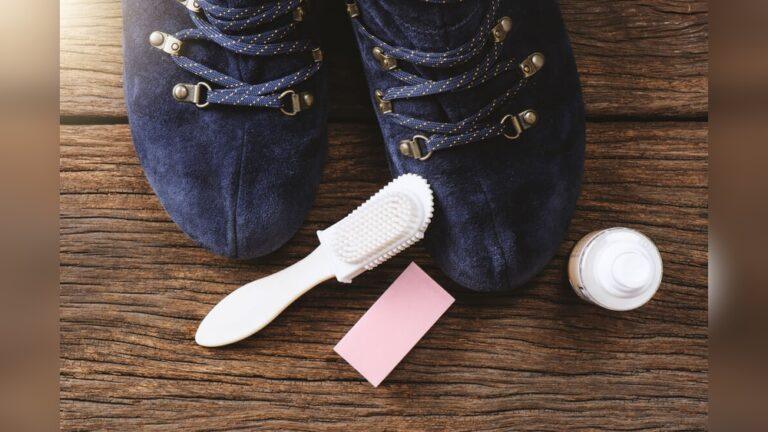
Have you ever worn your favorite leather boots in the rain, only to find them stiff and uncomfortable the next day? Wet leather can feel hard and tight, making it hard to walk or even put your boots on. This is a common problem for anyone who owns leather boots. The good news is you can fix stiff leather boots at home with a few simple steps. In this guide, I’ll show you how to bring your boots back to life, make them soft again, and help them last longer. You’ll learn why leather gets stiff, what to avoid, and how to keep your boots in great shape for years.
Why Leather Boots Get Stiff After Getting Wet
When leather gets wet, it soaks up water. As the water dries, the natural oils in the leather can leave too. This makes the leather fibers dry and hard. If you do not fix this problem, the boots can crack and become weak.
Many people think they can just dry their boots fast and wear them again, but this can make things worse. Drying leather too quickly pulls out even more moisture. That’s why it is important to dry and treat your boots the right way.
What You Should Never Do
Let’s get this out of the way—some fixes can ruin your boots. Here are common mistakes to avoid:
- Don’t use direct heat. Don’t put your boots near a heater, in the sun, or use a hair dryer. Fast heat makes leather crack.
- Don’t ignore them. Leaving wet, stiff boots in your closet will only make things worse. Mold or deep cracks can form.
- Don’t use harsh chemicals. Cleaners not made for leather will dry out and damage your boots.
By avoiding these mistakes, you are already on the right path.
Step-by-step: How To Fix Stiff Leather Boots After Getting Wet
Now, let’s go step by step to soften your boots and keep them comfortable.
1. Clean The Boots Gently
Before you do anything else, clean the boots. Use a soft brush or cloth to remove dirt. If there is mud, let it dry, then brush it off. You can use a little water, but not too much.
- Use saddle soap or a mild leather cleaner.
- Wet a clean cloth with warm water and wring it out.
- Rub the soap or cleaner gently onto the leather.
- Wipe away any foam or leftover soap with a damp cloth.
Tip: Never soak the boots in water. Leather does not like too much moisture.
2. Dry The Boots Slowly
After cleaning, your boots will be a bit wet. The right way to dry them is slow and gentle.
- Stuff the boots with newspaper or paper towels. This helps them keep their shape and draws out water.
- Change the paper every few hours until the boots feel mostly dry inside.
- Place the boots in a room with good air flow. Do not put them by a heater or in direct sunlight.
- If you have a boot tree, use it to help the boots keep their shape.
Non-obvious insight: Turn the boots upside down for a few hours. This lets water drain out of the toes, where it can stay trapped.
3. Condition The Leather
Once the boots are dry—but not too dry—it’s time to replace the lost oils.
- Use a leather conditioner made for boots. Look for products with natural oils.
- Put a small amount on a soft cloth.
- Rub the conditioner into the boots using small, gentle circles.
- Cover the whole boot, paying extra attention to stiff or cracked areas.
- Let the conditioner soak in for a few hours, or overnight if you can.
Some people use mink oil or neatsfoot oil, but these can darken light-colored leather. Test on a small spot if you are not sure.
4. Massage And Flex The Leather
After conditioning, the leather will be softer, but you can help it along.
- Put on a pair of thick socks.
- Gently flex the boots with your hands. Bend the soles and move the leather.
- Wear the boots around the house for short times. Walking will help soften the leather.
- If a spot feels very stiff, massage it with your fingers while the conditioner is still soaking in.
Non-obvious insight: The warmth from your feet helps the conditioner soak deeper into the leather.
5. Repeat If Needed
Sometimes, one round is not enough. If your boots still feel stiff, repeat the conditioning and flexing steps. Old or very dry boots may need two or three treatments.
Products You Can Use (with Comparisons)
It can be confusing to choose the right leather conditioner or cleaner. Here’s a simple comparison to help:
| Product | Main Ingredient | Effect on Color | Best For |
|---|---|---|---|
| Saddle Soap | Soap, Oils | No change | Cleaning dirt |
| Mink Oil | Animal Fat | May darken | Deep conditioning |
| Neatsfoot Oil | Animal Oil | May darken | Softening old leather |
| Beeswax Conditioner | Beeswax, Oils | Little change | Water resistance |
If you want to keep the color the same, use saddle soap or a beeswax-based conditioner.
How To Store Leather Boots After They Got Wet
After you fix your boots, proper storage keeps them from getting stiff again.
- Store in a cool, dry place. Avoid heat or damp.
- Use boot trees or stuff them with paper to keep their shape.
- Do not keep boots in plastic bags. Leather needs to breathe.
- If you have many pairs, rotate them so you don’t wear the same boots every day.
How To Prevent Leather Boots From Getting Stiff
It’s better to stop stiffness before it happens. Here are steps to keep your boots in good shape:
- Waterproof your boots. Use a waterproof spray or wax. This keeps water out.
- Clean them often. Dirt holds water and dries out the leather.
- Condition regularly. Even if your boots did not get wet, use conditioner every few months.
- Avoid puddles and snow. If you can, keep your boots dry.
- Dry them quickly, but gently. Follow the drying steps above if they do get wet.

Credit: www.overlookboots.com
Real-world Example: Bringing Old Boots Back To Life
Let me share a short story. My friend had a pair of work boots that got soaked in a storm. He left them by the heater overnight. The next day, the boots were so stiff that he could barely put them on.
He almost threw them out.
We followed the steps above: cleaning, slow drying, conditioning, and gentle flexing. After two rounds, the boots were soft again. He still uses them today. This shows that with the right care, even very stiff boots can be saved.
How Long Does It Take To Soften Wet, Stiff Leather Boots?
Patience is key. It can take two to three days to fully fix stiff boots. Here is a simple timeline:
| Step | Time Needed | What to Expect |
|---|---|---|
| Cleaning | 15-30 minutes | Boots look cleaner, still wet |
| Slow Drying | 12-24 hours | Boots feel dry, but stiff |
| Conditioning | 1-12 hours | Leather starts to soften |
| Flexing & Wearing | 1-2 days | Boots regain softness |
If your boots are still not soft after this, repeat the conditioning step.
Common Problems And How To Fix Them
Sometimes, fixing stiff boots comes with other problems. Here’s what to do:
Cracked Leather
If you see cracks, the leather was too dry for too long. Use a rich conditioner and rub it in well. Small cracks may soften and fade, but deep cracks will not go away completely. You can use leather filler for big cracks, but the boots may never look perfect.
Mold Or Mildew
If your boots smell musty or have green spots, they got wet and were left too long. Clean with a mix of water and a little rubbing alcohol. Dry fully, then condition.
White Stains (salt Or Water Marks)
Mix equal parts water and vinegar. Dab the mix onto the stains with a cloth, then wipe clean. Condition after the boots dry.
The Science Behind Leather Stiffness
Leather is animal hide. It has fibers and oils that make it strong and flexible. When leather gets wet, water pushes out the oils. Drying takes even more out, and the fibers shrink together. This is why wet boots feel hard.
Conditioning puts oil back in, so the fibers relax and move again.
Fun fact: This is the same reason why old baseball gloves get stiff if not used or oiled.
How To Tell If Boots Are Too Damaged To Fix
Not all boots can be saved. Here are signs that your boots may be beyond repair:
- Deep cracks all over the leather
- Leather feels brittle and breaks when bent
- Holes in the upper part of the boot
- The sole is falling off and cannot be glued
If your boots have these problems, a professional repair shop may help, but sometimes it is better to replace them.
When To Ask A Professional For Help
If your boots are expensive or have sentimental value, it is wise to let an expert help. A cobbler (shoe repair person) has special tools and oils to fix leather. They can also sew or glue parts that are coming apart. If you are not sure what to do, show your boots to a professional.

Credit: nushoe.com
Best Practices For Long-term Care
To keep your boots from getting stiff again, follow these habits:
- Clean after every muddy or wet day.
- Dry slowly, as shown above.
- Condition every few months.
- Store with boot trees or paper.
- Waterproof once a season or as needed.
If you follow these tips, your boots can last for years—even decades.
Comparing Leather Conditioners: What’s Best For You?
It helps to see how some popular conditioners stack up side by side.
| Brand | Type | Price Range | Pros | Cons |
|---|---|---|---|---|
| Lexol | Liquid | $$ | Easy to use, keeps leather soft | No waterproofing |
| Obenauf’s | Paste | $$$ | Deep conditioning, waterproofs | May darken leather |
| Kiwi | Cream | $ | Good shine, cheap | Not deep conditioning |
| Fiebing’s Mink Oil | Oil | $$ | Softens fast, waterproofs | Can change color |
Choose a product based on your needs: keeping color, deep softness, or waterproofing.
Why Leather Boots Are Worth Saving
Leather boots are not cheap. A good pair can cost $100 or more. But with care, they can last a lifetime. Fixing stiff boots saves money and keeps your feet happy. Plus, every time you bring an old pair back to life, you learn more about caring for your gear.
If you want to read more about leather care, you can check this helpful guide from the WikiHow.
Taking the time to fix and care for your leather boots is smart. You avoid waste, save money, and enjoy comfortable boots for many years.
Frequently Asked Questions
How Do I Know If My Leather Boots Are Too Dry?
If your boots feel hard, stiff, or crack when bent, they are too dry. If they make a cracking sound or show white lines when flexed, they need conditioner right away.
Can I Use Coconut Oil To Soften Leather Boots?
Coconut oil can work in a pinch, but it is not the best choice. It can go rancid and may stain light-colored boots. Use a leather-specific conditioner for the safest results.
How Often Should I Condition My Leather Boots?
You should condition your boots every 2-3 months if you wear them often. If you live in a dry or wet place, do it more often. Always condition after your boots get wet.
What If My Boots Still Feel Stiff After Conditioning?
If your boots are still stiff, repeat the conditioning and flexing steps. Sometimes, very dry leather needs two or three treatments. If there’s no change, your boots may need professional repair.
Is It Okay To Wear Stiff Leather Boots?
Wearing stiff boots can hurt your feet and cause blisters. It can also make the leather crack more. Always soften stiff boots before wearing them for long walks.
Taking care of your leather boots is easy when you know what to do. With patience and the right steps, you can fix stiff, wet boots and make them comfortable again. Your boots—and your feet—will thank you!
Credit: www.reddit.com

Rubel Miah is the Senior Editor at MyStyleGrid.com, where he brings a sharp editorial eye and an unshakable love for fashion to everything he does. A true style addict, Rubel lives and breathes trends, from streetwear to high fashion, and has a knack for turning inspiration into impactful stories. With years of experience in fashion journalism and digital media, he curates content that empowers readers to express themselves through style. When he’s not editing features or forecasting the next big thing, you’ll find him hunting down vintage pieces or capturing street style moments around the city.