Roughen the sole, add grip pads or caulk dots, or get a cobbler to resole for lasting traction.
As a shoe repair enthusiast and former retail footwear specialist, I’ve fixed hundreds of slippery soles for friends, family, and customers. This guide shows clear, field-tested ways to learn how to fix slippery shoes sole at home and when to seek a pro. Read on for step-by-step fixes, why each method works, what to avoid, and real-life tips from my experience so you can walk with confidence.

Why shoe soles become slippery
Slippery soles result from smooth materials, wear, or surface contamination. New dress shoes often have a factory-smooth finish that grips poorly on tile or wet floors. Worn soles lose tread patterns that disperse water and provide bite. Oils, wax, or floor polish can make any sole slick, even rubber.
Common causes
- Smooth sole material: leather and hard rubber can be slick.
- Wear and flattening: tread depth shrinks with use.
- Contaminants: oil, soap residue, and floor polish reduce traction.
- Weather: water or ice lowers friction and hides tread.
Signs your shoes are risky
- Sudden slips on tile or wet ground.
- Shiny, smooth patches on the sole.
- Little or no tread pattern left.
Understanding the cause helps choose how to fix slippery shoes sole the right way. If oil or dirt is the issue, cleaning works. If the material is slick by design, you need to alter the surface or resole.

Quick DIY fixes you can try today
These fixes are fast, low-cost, and good for many shoe types. Test any method on a small area first. Use short steps and take safety precautions for hot tools or strong adhesives.
Roughen the sole with sandpaper
- What to do: Use 80–120 grit sandpaper. Sand the smooth areas lightly in one direction.
- Why it works: Creates tiny grooves that increase grip.
- Best for: Rubber and hard synthetic soles.
Use a file or rasp
- What to do: Gently run a metal file or rasp across the sole to add texture.
- Why it works: Faster than sandpaper for stubborn smoothness.
- Best for: Thick rubber soles.
Apply hot glue or silicone caulk dots
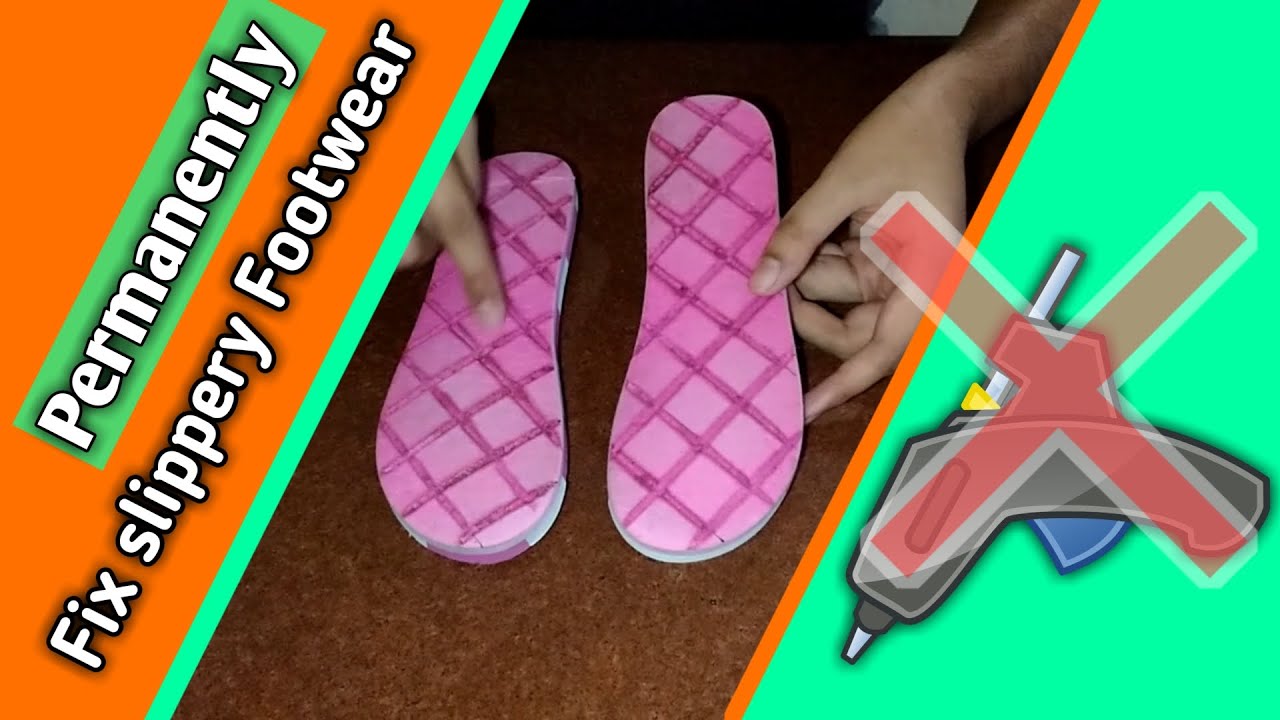
- What to do: Add small dots of hot glue or clear silicone to the sole in a grid pattern. Let cure fully.
- Why it works: Raised dots add traction and bite.
- Best for: Flat-soled shoes, but check heat resistance.
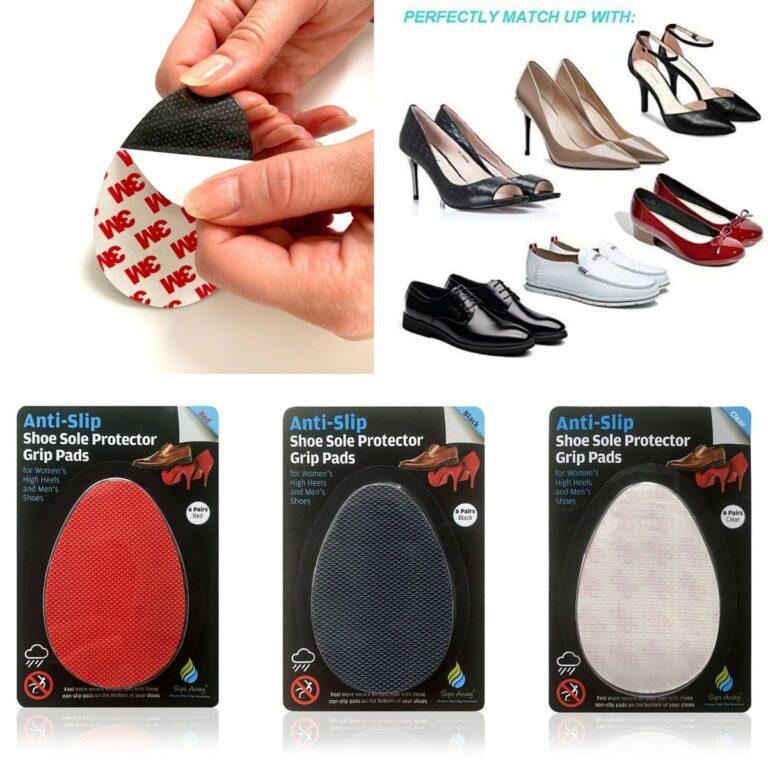
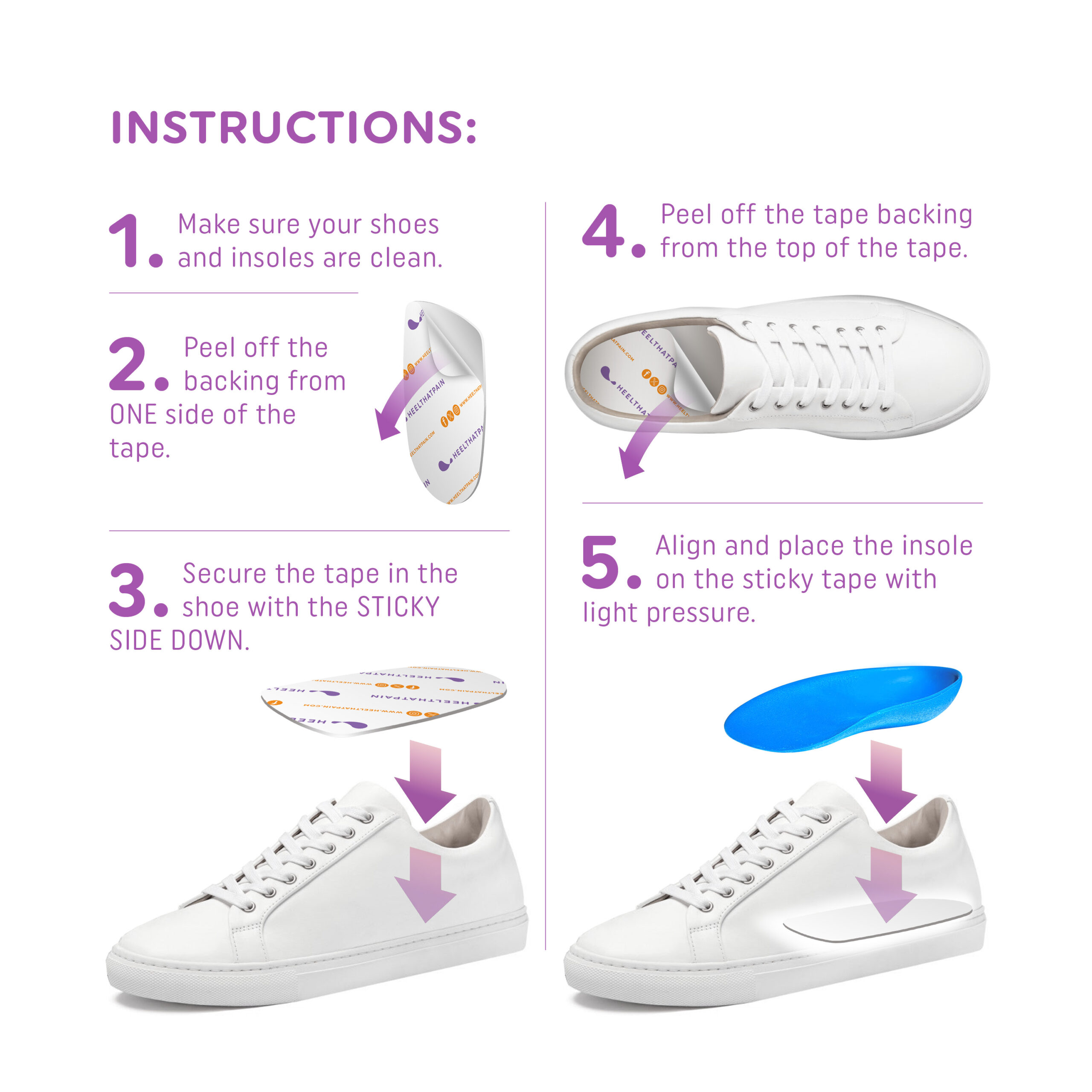
Stick on traction pads or anti-slip stickers
- What to do: Clean the sole, peel and press traction pads onto the high-wear zones.
- Why it works: Ready-made solution with adhesive backing.
- Best for: Quick, non-permanent fix on flats and sneakers.
Use adhesive tread tape
- What to do: Cut tape to fit sole, press firmly, trim excess.
- Why it works: Offers patterned grip and is easy to replace.
- Best for: Temporary fixes and rental shoes.
Try a sole spray or grip compound
- What to do: Spray according to instructions and allow to dry.
- Why it works: Adds a textured coating to improve traction.
- Best for: Light-duty improvement; reapply as needed.
Clean and degrease first
- What to do: Use warm water and mild soap or isopropyl alcohol to remove oil and dirt. Dry thoroughly.
- Why it works: Removes contaminants that make soles slippery.
- Best for: Any shoe when slipperiness is caused by residue.
My practical tip from experience: For dress shoes with leather soles, I roughen the edges slightly with sandpaper and add discreet silicone dots under the ball of the foot — it keeps the look but adds real grip.

Permanent fixes and professional options
Some shoes need lasting changes. A cobbler or shoe repair shop can offer robust solutions that last months or years. Expect some cost but much better safety and comfort.
Resoling with a thicker rubber sole
- What it does: Replaces the thin or smooth sole with a new lugged rubber sole.
- Durability: High; lasts through seasons with normal wear.
- Best for: Worn-out shoes or shoes you want to keep long term.
Vibram or anti-slip sole replacement
- What it does: Adds a branded, high-traction sole built for grip.
- Durability: Very high and suitable for many surfaces.
- Best for: Outdoor or work shoes.
Add a half-sole or rubber protector
- What it does: Thin rubber added to high-wear areas.
- Durability: Moderate to high; inexpensive compared to full resole.
- Best for: Dress shoes to preserve style and add grip.
Professional texturing
- What it does: Cobbler sands, grooves, or applies specialized compounds to improve traction.
- Durability: Good; technique depends on sole material.
When to see a pro
- Shoes are expensive or sentimental.
- DIY fixes change the shoe’s shape or comfort.
- You need a durable solution for work or safety.
From my experience sending several leather-soled shoes to a trusted cobbler, a half-sole plus subtle texturing kept the shoes safe and retained their aesthetic for over a year. Professionals use materials and adhesives of higher quality than what you can buy cheaply.
Preventing slippery soles and keeping traction
Prevention saves time and keeps shoes safe. Small habits extend sole life and reduce slips.
Buy for traction
- Look for deep tread, textured soles, and rubber compounds advertised for wet grip.
Break shoes in on dry surfaces
- Wear new shoes briefly indoors to see how the sole performs. Roughen only if needed.
Regular cleaning
- Wipe soles after use in dirty or oily areas.
- Remove floor wax and soap residues promptly.
Seasonal care
- In wet months, add temporary traction pads for safety.
- In dry months, polish only the upper leather; avoid polishing the sole.
Rotate shoes
- Let shoes rest between wears so soles deform less and dry out.
Storage
- Store shoes in dry spots away from direct heat that can make soles hard and slick.
Simple habit from my routine: Keep a small sandpaper piece and a set of self-adhesive pads in my bag while traveling. They solve most slips on the spot.
Materials and science: why these methods work
Traction comes from friction and surface contact. Methods to fix slippery soles either increase friction, increase surface roughness, or change the sole profile.
How roughening helps
- Increases micro-level friction.
- Helps break surface films of water or oil.
How added material helps
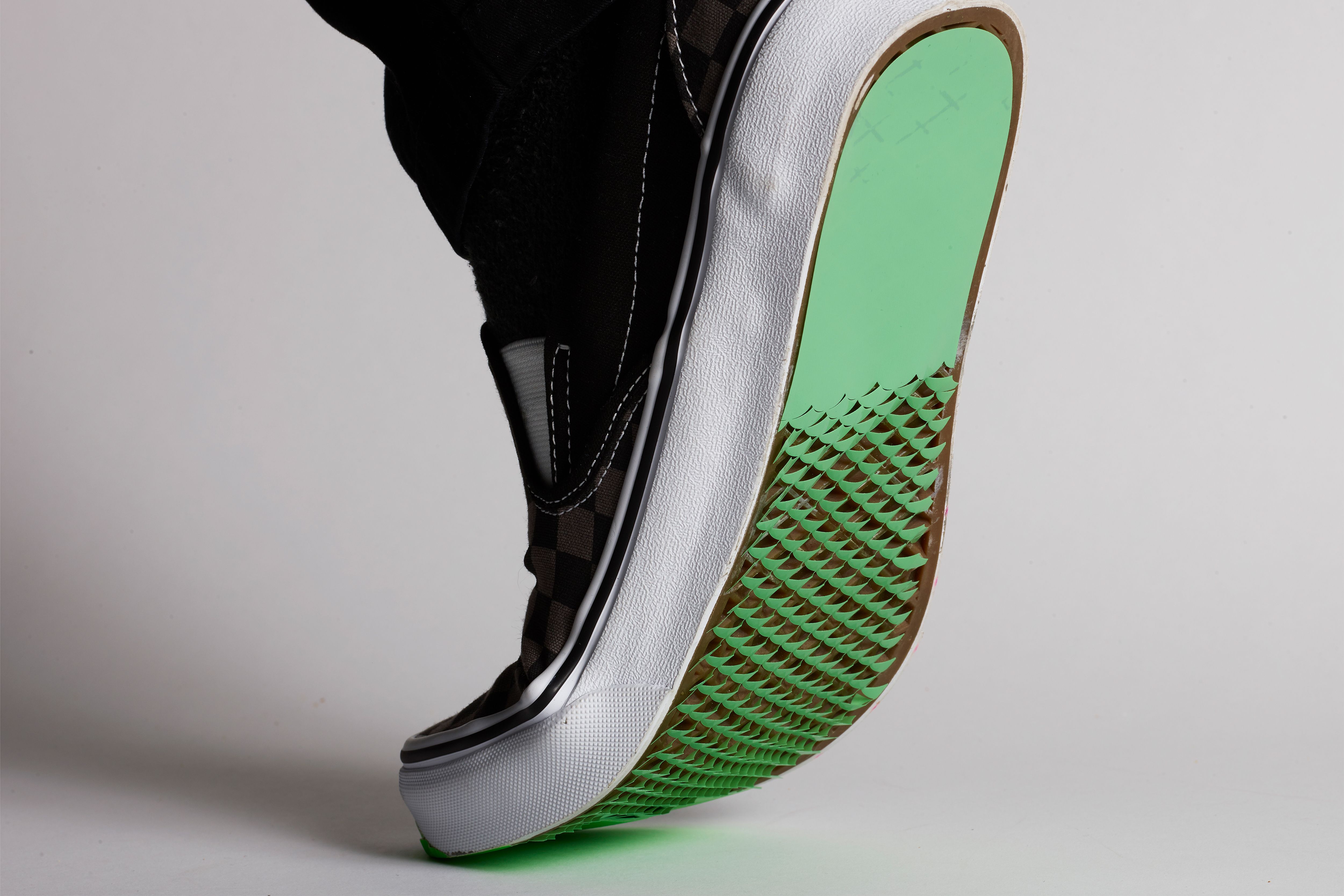
- Pads, dots, and new soles add pattern and depth for water to escape, which reduces hydroplaning on wet floors.
Limitations and safety
- Some fixes alter shoe appearance.
- Heat-based fixes can warp sensitive soles.
- DIY adhesives may wear faster than professional resoles.
Quick technical note: Increasing the coefficient of friction requires either a tackier material or more surface interlock. That’s why silicone dots and rubber soles work well.

People also ask
-
How do I make shoe soles less slippery at home?
- Clean the sole, then roughen smooth areas with sandpaper or add hot glue dots or traction pads to increase grip.
-
Can I use sandpaper on all soles?
- Sandpaper works on rubber and many synthetics but may damage thin leather soles; test a small area first.
-
How long do DIY fixes last?
- Temporary fixes like sprays or adhesive pads last weeks to months; professional resoling can last years depending on use.
-
Is it safe to heat new soles to roughen them?
- Avoid high heat. Heat can deform soles or glue. Use mechanical roughening instead of hot methods when unsure.
-
Do cobblers offer guarantees?
- Many cobblers offer limited warranties on resoles or repairs. Ask about materials and warranty before committing.
Frequently Asked Questions of how to fix slippery shoes sole
How quickly can I fix slippery shoes sole at home?
Most DIY fixes take 10–30 minutes. Cleaning and applying pads or dots are fast and effective for immediate use.
Will sanding the sole ruin my shoes?
Sanding lightly won’t ruin most rubber soles but can change the look of leather soles. Test a small area and sand gently.
Are anti-slip sprays effective long-term?
Anti-slip sprays help short-term but usually wear off with use. They are good for quick fixes but not for heavy daily wear.
Can hot glue cause damage to soles?
Hot glue can peel off with wear and shouldn’t be used on very flexible sole joints. Use silicone caulk for more flexible areas.
When should I see a cobbler instead of DIY?
See a cobbler if the shoe is expensive, the sole is deeply worn, or you want a durable, long-term solution.
Do traction pads work on all floors?
Traction pads improve grip on many surfaces but can be less effective on very smooth wet tile or ice. For ice, choose shoes with deep lug soles.
Is it safe to use grip tape on dress shoes?
Grip tape can be visible and alter the shoe’s look. Use thin half-solers or discreet pads for dress shoes to retain style and add traction.
Conclusion
You can fix slippery shoes sole with quick home fixes like sanding, silicone dots, or traction pads, or opt for a professional resole for a long-term solution. Start by cleaning the sole and identifying the cause, then choose the approach that fits your shoe’s material and how often you wear them. Try a simple fix first and move to a cobbler if the problem persists. Take action today: test one small DIY method, or schedule a cobbler visit if your shoes are precious or used daily. Share your results below, or sign up for more shoe-care tips and step-by-step repair guides.

Rubel Miah is the Senior Editor at MyStyleGrid.com, where he brings a sharp editorial eye and an unshakable love for fashion to everything he does. A true style addict, Rubel lives and breathes trends, from streetwear to high fashion, and has a knack for turning inspiration into impactful stories. With years of experience in fashion journalism and digital media, he curates content that empowers readers to express themselves through style. When he’s not editing features or forecasting the next big thing, you’ll find him hunting down vintage pieces or capturing street style moments around the city.