Use anti-fog coatings, improve ventilation, and try simple DIY sprays to stop lens fog.
I’ve helped friends and clients solve fogged lenses for years. This guide shows clear, tested ways on how to keep sunglasses from fogging up. You’ll get simple fixes, product tips, DIY recipes, and real-world advice I’ve used outdoors and on the road. Read on to stop wiping lenses and enjoy clear vision no matter the weather.
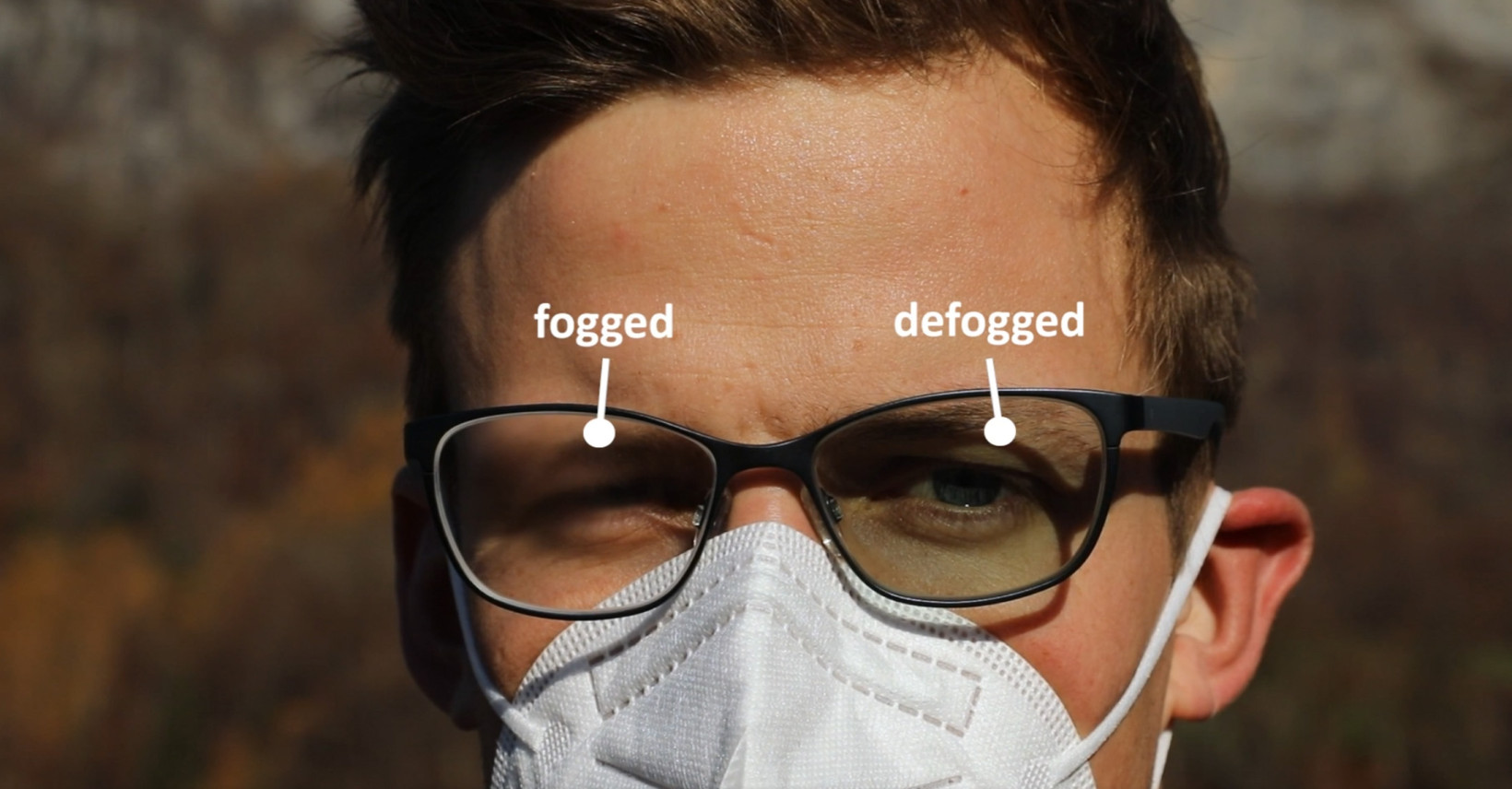
Why sunglasses fog and what causes it
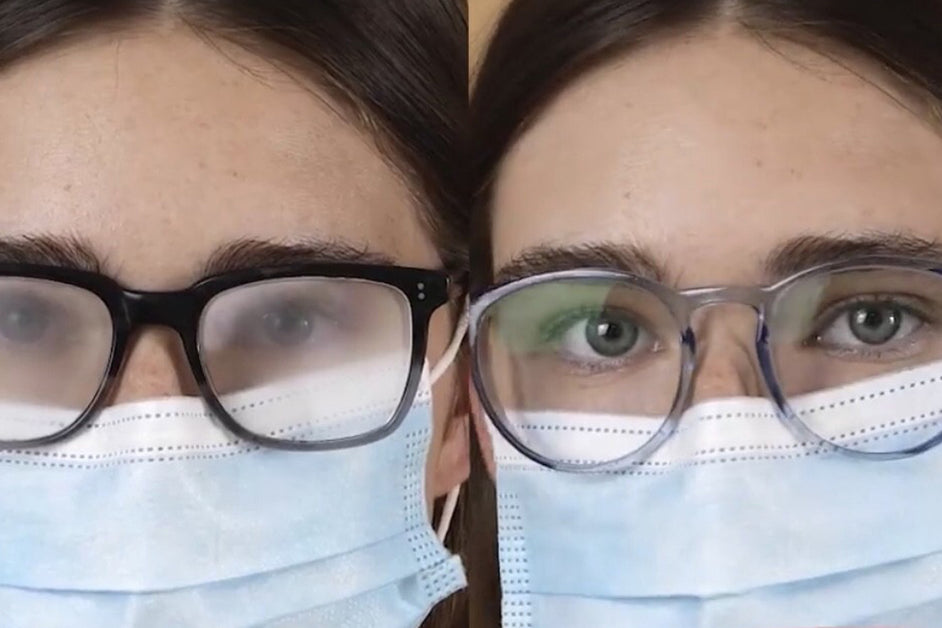
Fog forms when warm, moist air meets a cool lens surface. Tiny water droplets condense on the lens. That scattering of light blurs vision.
Common causes:
- Moving from warm to cold air or vice versa
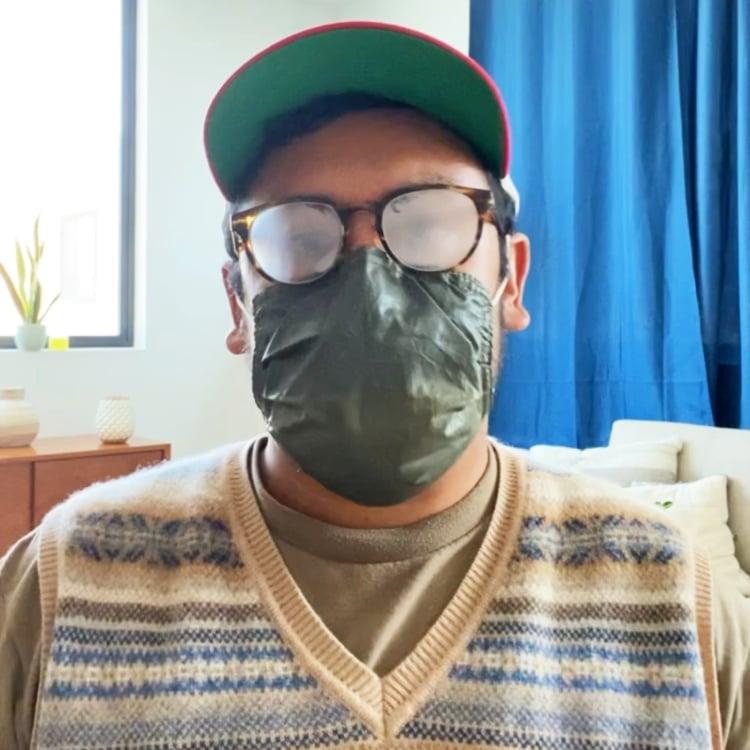
- Heavy breathing near the lens, like when wearing a mask
- Poor frame fit that traps air
- Dirty lenses and residues that encourage droplets
Knowing the cause helps pick the right fix. If you understand why fog forms, you can choose a lasting solution. This article focuses on practical fixes and why they work.

How to keep sunglasses from fogging up: quick prevention checklist
Use this checklist to stop fog fast. Try one or combine several items for best results.
- Improve ventilation by adjusting frame fit or pulling frames slightly forward
- Use anti-fog sprays or wipes designed for eyewear
- Apply a thin soap or detergent film, then buff dry (DIY anti-fog)
- Choose lenses with anti-fog or hydrophilic coatings
- Keep lenses clean; oils and dirt worsen fog
These steps work alone or together. For many people, a simple anti-fog wipe plus better ventilation is enough. If you need long-term results, look for coated lenses or professional anti-fog treatments.
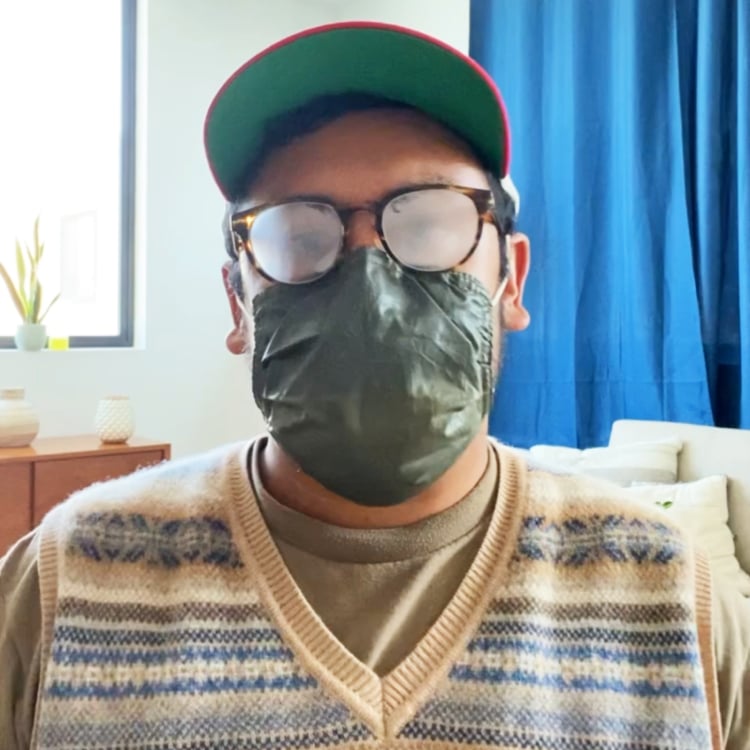
Anti-fog products vs DIY solutions
Anti-fog products
- Ready-to-use sprays, gels, or wipes made for glasses and goggles
- Often last several hours to days per application
- Safe for many lens coatings, but check label for polycarbonate or mirrored lenses
DIY solutions
- Dish soap: apply a drop, rub thin layer, rinse, and buff. Leaves a clear film that resists fog.
- Shaving cream: spread lightly, wipe off without rinsing for temporary anti-fog.
- Saliva: emergency trick; not ideal but works short-term.
What I learned from testing: commercial anti-fog wipes are fast and reliable. DIY fixes can work well but vary by lens type. Always test a small area first to avoid damaging coatings.

Fit and airflow: the simplest long-term fix
Good fit reduces fog more than most single products. When sunglasses sit too close to your face, breath gets trapped and fog forms.
How to adjust fit:
- Push the frame slightly away from the nose to create an air gap
- Use nose pads or a small foam strip to increase ventilation
- Choose wrap-style frames with venting or cut small notches in foam on sport goggles
- For mask wearers, tuck the top of a mask under the sunglasses rim or use a nose bridge strip on the mask to redirect air down
A small adjustment can stop fog instantly. I used a thin foam pad on a pair of sport sunglasses and never fogged during long rides.

Cleaning, coatings, and lens care
Clean lenses help anti-fog methods work better. Oil and dirt invite droplets to cling.
Cleaning steps:
- Rinse lens under running water
- Use a mild soap and your fingers to lift oil
- Rinse and air dry or wipe with a microfiber cloth
- Avoid paper towels and tissues that scratch
Coatings explained:
- Anti-fog coatings create a hydrophilic surface so moisture spreads as a clear sheet
- Anti-reflective and mirror coatings have different chemistries; some are sensitive to harsh cleaners
- Recoating by a pro can restore anti-fog performance on premium lenses
Tip: when buying sunglasses, ask if the lens has an anti-fog treatment or if it tolerates anti-fog sprays. That prevents damage and gives better results.
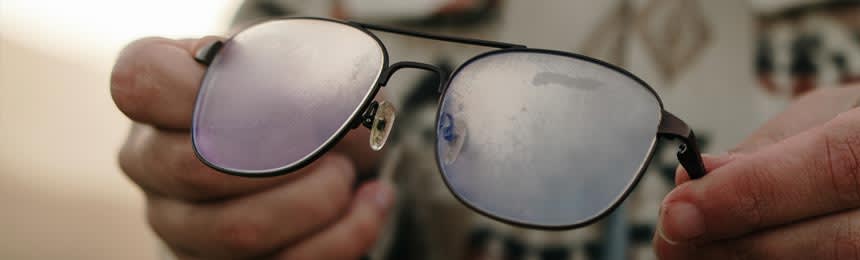
Specific situations: masks, cold weather, and sports
Masks
- Seal the top edge of your mask with a nose wire or tape
- Point exhaled air downward by fitting sunglasses snugly on the mask top
- Anti-fog wipes plus a tight mask usually solves the issue
Cold weather
- Keep lenses closer to body temperature by storing sunglasses inside a jacket before heading out
- Avoid sudden temperature changes; let lenses acclimate gradually
- Use anti-fog products before exposure to freezing air
Sports and sweat
- Sport-specific anti-fog sprays and vented frames work best
- Keep a microfiber cloth in your gear to clear sweat and oil quickly
I once bicycled with new mirrored sunglasses that fogged on climbs. Using a small vent pad and an anti-fog wipe solved it for the rest of the ride.
Common mistakes and how to avoid them
Mistakes people make:
- Using household cleaners that strip coatings
- Rubbing lenses with rough cloths or tissues
- Applying too much product and leaving residue
- Assuming all anti-fog products are safe for all lenses
Avoid these by:
- Reading product labels for lens compatibility
- Testing any new method on a corner of the lens
- Using microfiber cloths and gentle soaps
A rule I follow: when in doubt, use a product made for eyewear and test first. It saves you from costly lens damage.
Troubleshooting: when fog returns
If fogging restarts, try this step-by-step:
- Clean lenses fully to remove oils and residues
- Reapply a tested anti-fog spray or DIY soap film
- Improve ventilation by adjusting fit or mask
- Consider a professional recoating if the lens coating is old or damaged
If none of these work, the lens material or coating may be incompatible with anti-fog solutions. In that case, upgrade to sunglasses with factory anti-fog treatment.

Materials, limitations, and safety notes
Materials matter:
- Polycarbonate lenses scratch easily but are common in sports sunglasses
- Glass lenses tolerate many cleaners but can be heavier
- Coated lenses need gentle care
Limitations
- No method is truly permanent; most treatments wear off
- Some coatings can’t be restored at home
- DIY solutions may void manufacturer warranties
Safety first: avoid harsh chemicals and abrasive tools. Follow lens care instructions from the brand when available.
Frequently Asked Questions of how to keep sunglasses from fogging up
How long do anti-fog sprays last on sunglasses?
Anti-fog sprays typically last from a few hours to several days, depending on humidity and activity. Reapply as needed, especially after cleaning.
Are DIY anti-fog methods safe for all lenses?
DIY methods can work but may not be safe for all coatings. Test on a small spot first and avoid harsh solvents that strip coatings.
Can I prevent fogging while wearing a face mask?
Yes. Seal the mask at the nose, tuck the top under sunglasses, or use tape to redirect air downward. Combine with anti-fog wipes for best results.
Do anti-fog coatings wear off?
Yes. Anti-fog coatings degrade over time and after cleaning. Professional re-coating or repeat anti-fog applications can restore performance.
Will lens scratches cause fogging?
Scratches can trap moisture and worsen fog. Keep lenses clean and use a microfiber cloth to avoid creating fine scratches.
Conclusion
You can stop fog from ruining your view by combining better fit, proper cleaning, and the right anti-fog solution. Start with simple steps: clean lenses, improve airflow, and try a trusted anti-fog product. If you wear a mask or do sports, add venting or a foam pad. Try one change at a time and note what works best.
Take action today: clean your sunglasses, test an anti-fog wipe, and adjust the fit. If this guide helped, share your results or ask a question below — I’d love to hear what worked for you.

Rubel Miah is the Senior Editor at MyStyleGrid.com, where he brings a sharp editorial eye and an unshakable love for fashion to everything he does. A true style addict, Rubel lives and breathes trends, from streetwear to high fashion, and has a knack for turning inspiration into impactful stories. With years of experience in fashion journalism and digital media, he curates content that empowers readers to express themselves through style. When he’s not editing features or forecasting the next big thing, you’ll find him hunting down vintage pieces or capturing street style moments around the city.