Measure feet at home with a ruler or Brannock device to find your correct shoe width.
I’ve fitted hundreds of feet and written guides for people who want to know how to know shoe width the right way. Read on to learn simple tests, clear conversions, and shopping tips that stop the guesswork. You’ll get hands-on steps, expert tips, and pitfalls to avoid so you can buy shoes that fit and feel great.

Why shoe width matters
Shoe width affects comfort, posture, and foot health. Tight shoes can cause blisters, bunions, and nerve pain. Shoes that are too wide can lead to slipping and instability.
Knowing how to know shoe width helps you pick shoes that support your arch and distribute pressure evenly. That lowers the risk of chronic problems and improves walking comfort. This section explains why width matters for daily life and sport.

How to measure shoe width at home
Follow these steps to know how to know shoe width without special training.
- Gather items
- A piece of paper larger than your foot.
- A pen or marker.
- A ruler or tape measure.
- A sock you usually wear with the shoe.
- Trace your foot
- Place the paper on a flat floor against a wall.
- Stand with your heel lightly against the wall and weight on the foot.
- Trace the outline of the foot while wearing the sock.
- Measure across the ball
- Find the widest part of the traced foot—the ball area near the toes.
- Use the ruler to measure the straight distance across that widest point in inches or centimeters.
- Record that number. This is your foot width.
- Measure length too
- Measure heel-to-toe length from the wall edge to the longest toe.
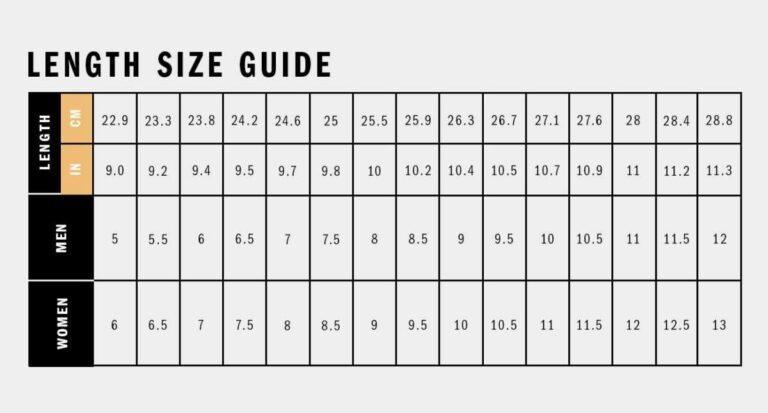
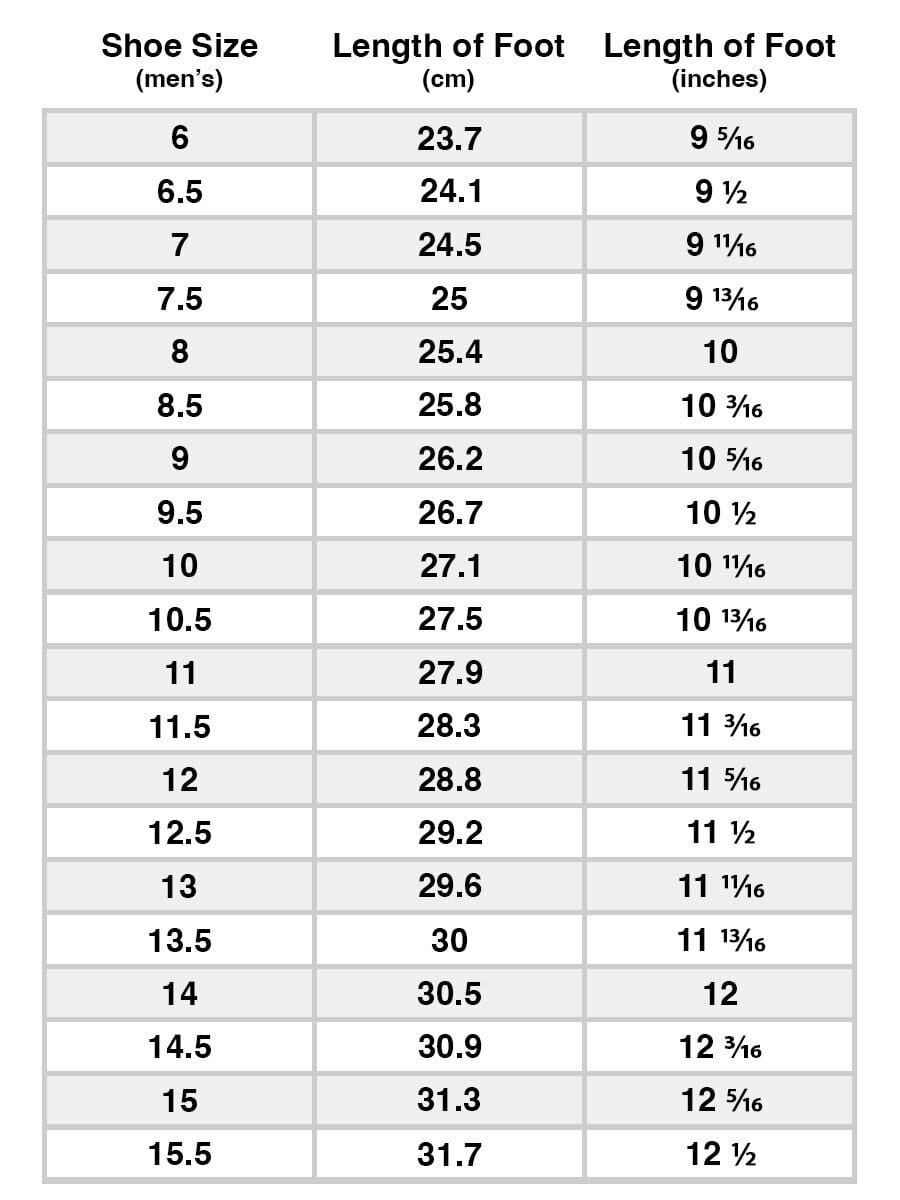
- Both length and width matter for fit.
- Convert measurements
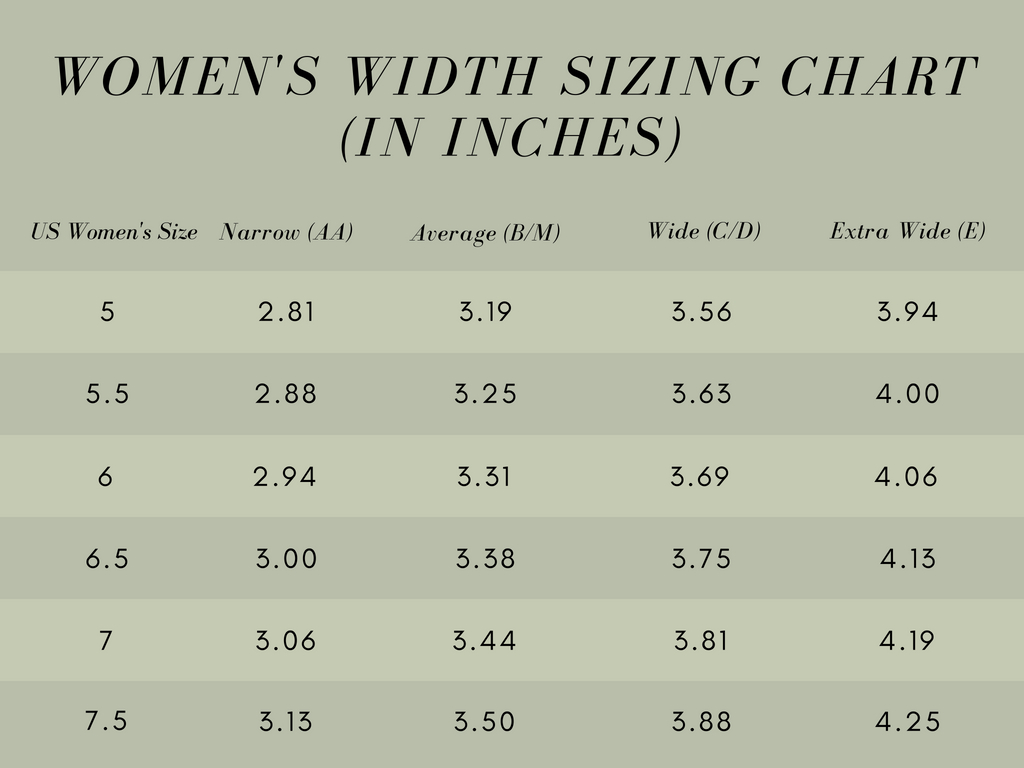
- Compare your width in inches to a brand’s width chart.
- Many charts convert inches to letters such as B, D, or 2E.
- Always check the maker’s chart because letters vary by brand.
Quick checks to know how to know shoe width fast:
- If your foot is wider than the insole at the ball, you likely need a wider width.
- If your toes feel pinched while standing, your width is too narrow.

Standard width letters and what they mean
Letters and numbers tell you shoe width. They differ for men and women and across brands.
- Women’s common widths
- B = medium, D = wide, 2E = extra wide
- Men’s common widths
- D = medium, B = narrow, 2E (or EE) = wide, 4E = extra wide
Some brands use numbered systems or special fits. Learning how to know shoe width includes checking each brand’s sizing page. If you switch brands, expect small shifts in width even at the same letter.

Tools, professional fitting, and when to see an expert
Professional tools make it easier to know how to know shoe width precisely.
- Brannock device
- Measures length and width quickly and is standard in shoe stores.
- Pedorthist or podiatrist
- Offers a full assessment if you have pain or unusual foot shape.
- Foam box or digital scanner
- Found at some specialty stores and used for custom fits.
Personal note: I spent a morning learning from a certified fitter and used a Brannock device on dozens of customers. The device cut guessing time in half. When feet cause pain, a pro can spot issues that a simple tape measure misses.

Common mistakes and limitations
Avoid these errors when you learn how to know shoe width.
- Measuring in the morning
- Feet swell through the day. Measure in the afternoon or after a walk.
- Barefoot only
- Measure with the sock you plan to wear. Sock thickness changes fit.
- Ignoring brand variance
- Width letters can mean different actual widths across brands.
Also note that width charts are approximate. Feet can be asymmetrical. One foot may be wider than the other. Buy for the larger foot.
Tips for shopping and adjusting fit
Use these practical tips to apply what you learned about how to know shoe width.
- Try shoes at the end of the day
- Feet are at their largest then.
- Wear the socks you’ll use
- This gives a true feel for fit.
- Test while standing
- Weight-bearing reveals actual pressure points.
- Use insoles or heel pads
- Insoles can fill extra volume without changing width at the ball.
- Consider lacing tricks
- Different lacing patterns can add space or secure a narrow heel.
If a shoe is slightly narrow, a shoe stretcher or a professional stretch can help. If the width is far off, exchange the shoe for a wider size or a different model.
Real-life examples and lessons learned
I once bought a running shoe by length only and ended up with blisters. After measuring width, I switched to a D width and the pain stopped. Another time a customer had one wide foot and one standard foot. We fit the wider foot and used a thin insole for the smaller foot. Small changes made big comfort gains.
Top lessons
- Measure more than once to confirm.
- Trust how the shoe feels standing and walking.
- When unsure, go slightly wider than too tight.

Frequently Asked Questions of how to know shoe width(make it h2 tag)
How can I tell if shoes are too narrow?
If your toes feel squeezed at the sides or you get blisters on the outer foot, the shoe is too narrow. You may also notice pressure across the ball of the foot while standing.
Can I stretch shoes to fit a wider foot?
Leather and some synthetic shoes can be stretched slightly by a professional or with a stretcher. Stretching works best for narrow fits; large width differences usually need a wider model.
Does foot width change with age?
Yes. Foot width can increase with age due to ligament laxity and weight changes. Regular measuring helps you know how to know shoe width over time.
Are width letters the same in all countries?
No. Width systems vary by region and brand. Always check the brand’s size chart to translate inches or centimeters into the correct letter.
Should I measure both feet?
Yes. One foot is often wider or longer. Fit shoes to the larger foot to avoid discomfort and pressure.
What if my foot is between widths?
Try the wider option or use insoles to fill space. For active sports, choose the slightly wider width to prevent swelling issues.
Conclusion
Knowing how to know shoe width saves money and pain. Measure length and the ball width, check brand charts, and try shoes while standing. When in doubt, choose a slightly wider fit or consult a fitter.
Take action today: measure both feet, note your width, and use that info the next time you buy shoes. If you found this useful, try these steps on your next shopping trip, and leave a comment about your fit experience.

Madison Clark is a footwear expert and the voice behind MyStyleGrid.com. She specializes in honest shoe reviews, style tips, and practical guides to help readers find the perfect pair for any occasion. With years of experience in blogging and content creation, Madison makes footwear knowledge simple, stylish, and easy to follow.