Measure end-to-end or count eyelets and match to a lace-length chart for best fit.
I’ve measured hundreds of laces for different shoes. This guide shows clear steps for how to measure shoe laces. You’ll learn three easy methods, a quick length chart, and pro tips from real experience. Read on to find the exact length you need and avoid common mistakes.
Why accurate measurement matters
Getting lace length right keeps shoes comfortable and looking neat. Too short laces force tight tying. Too long laces look sloppy and can trip you. Knowing how to measure shoe laces saves time and money when replacing them.
I’ve helped friends and customers pick laces. Wrong sizes were common. A short measurement method solved most issues quickly. This guide brings those simple checks to you.

Tools you need
Gather simple tools before you start. Short tasks become fast with the right tools.
- Tape measure — flexible tape for shoes and rounded parts.
- Ruler — for flat, straight laces.
- String — to measure curved paths through eyelets.
- Pen and paper — note lengths and shoe types.
I always keep a small tape in my shoe kit. It’s handy and precise when measuring new laces.
Three reliable methods for how to measure shoe laces
Here are three tested ways to measure laces. Use the one that fits your situation.
Method 1 — Measure an existing lace
- Remove the lace from the shoe.
- Lay it flat and straight.
- Measure from tip to tip. Record inches and centimeters.
This is the most accurate method when you have the original lace.
Method 2 — Measure along the eyelets
- Thread a string through the shoe as the lace would sit.
- Pull the string snug but not tight along each eyelet path.
- Measure the string. Add 6–12 inches for knots and bows.
Use this when the original lace is missing or damaged.
Method 3 — Count eyelets and use a chart
- Count the number of eyelet pairs on one side.
- Use a length chart to estimate. Add or subtract for lacing style.
This is quick and works for many sneakers and dress shoes.
I often use method 2 for curved boots. The string method captures the real routing shape. It prevents buying laces that are too short.

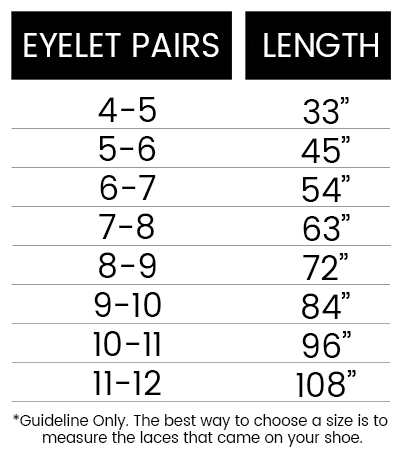
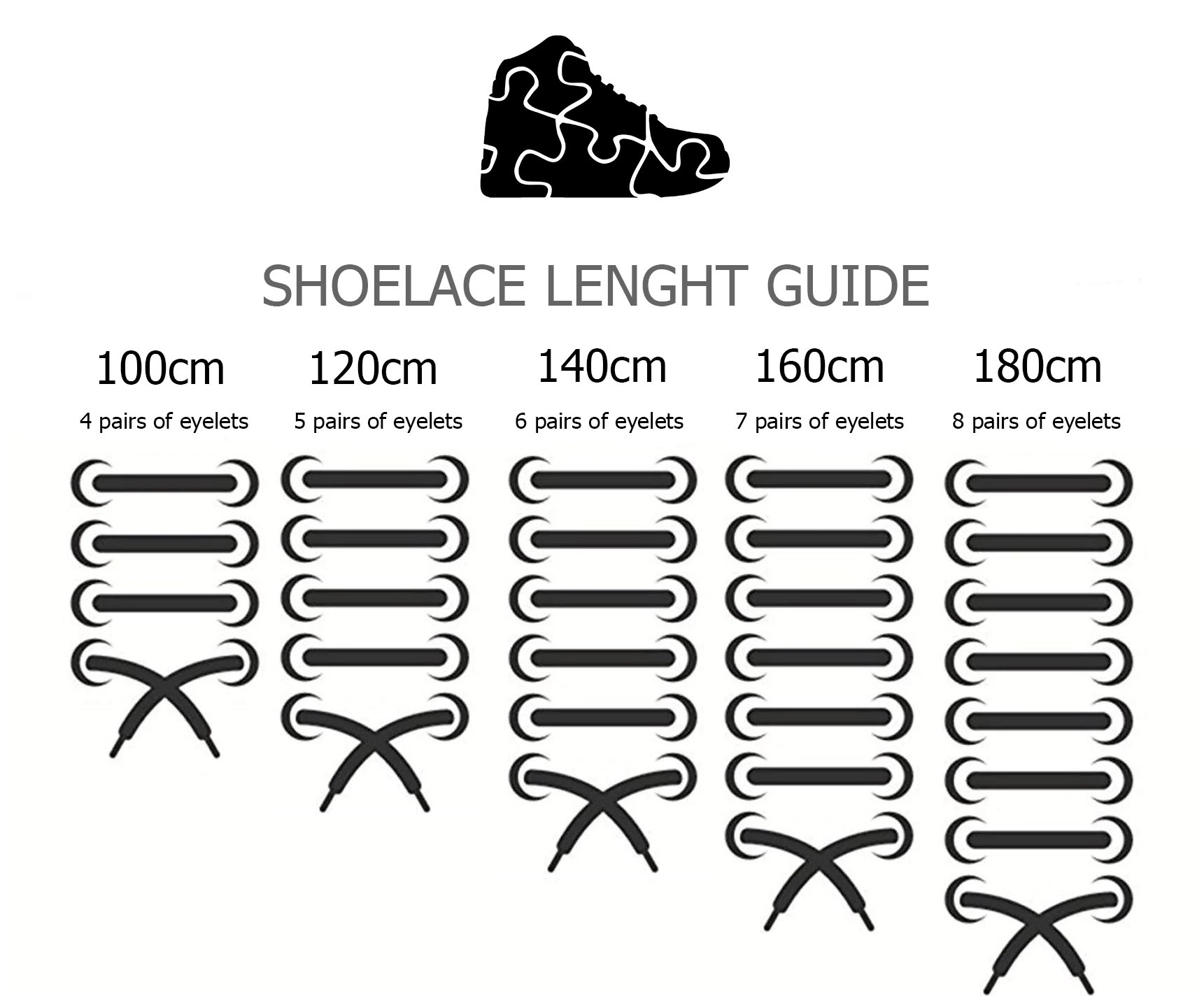
Lace length chart and examples
Use this chart as a starting point for how to measure shoe laces. Adjust for wide tongues, extra wraps, or decorative lacing.
Approximate lace lengths by eyelet pairs (one side)
- 2–3 pairs: 24–30 inches (60–75 cm)
- 3–4 pairs: 30–36 inches (75–90 cm)
- 4–5 pairs: 36–45 inches (90–115 cm)
- 5–6 pairs: 45–54 inches (115–135 cm)
- 6–7 pairs: 54–63 inches (135–160 cm)
- 7–8 pairs: 63–72 inches (160–180 cm)
Examples by shoe type
- Kids low sneakers: 24–30 inches
- Adult casual sneakers: 36–45 inches
- Running shoes (5–6 pairs): 45–54 inches
- High-top boots (8+ pairs): 72+ inches
These values assume standard criss-cross lacing. If you like long bows or extra wraps, add 6–24 inches.
Lacing styles and how they change length needs
Lacing style affects how much lace you need. Simple styles use less lace than decorative ones.
- Criss-cross lacing — standard length from the chart.
- Straight bar lacing — uses more lace; add 10–20% to chart lengths.
- Ladder or wrapped lacing — uses much more lace; add 20–40%.
- Extra wraps or bows — add 6–24 inches depending on taste.
When changing style, measure with a string first. I once switched a pair of sneakers to straight bar. I underestimated length and had to order replacements. Learning from that, I now always add a safety margin.

Choosing lace type and material
Material and thickness change how laces behave. Pick the right type after you know length.
- Cotton flat — classic look for sneakers. Stretches slightly.
- Polyester round — durable for boots and work shoes.
- Waxed laces — hold knots well; best for dress shoes.
- Elastic no-tie — measure stretched length for fit.
Round thicker laces may require slightly longer lengths. If unsure, choose a lace that matches the original type and add 6 inches.

Common mistakes and troubleshooting
Avoid these common errors when you measure shoe laces.
- Buying by shoe size only — shoe size doesn’t equal lace length.
- Ignoring lacing style — style can need much more lace.
- Forgetting knots and bows — always add extra inches.
- Measuring on the shoe while laced tight — this underestimates length.
If your new lace is too short, add an extension or re-lace with fewer wraps. If too long, tuck ends or tie a smaller bow.

Personal tips from experience
Simple habits save time and hassle. These are real tips I use often.
- Keep a small tape in your shoe kit for quick checks.
- Write lace lengths on shoe boxes for future reference.
- Buy one size larger if switching to decorative lacing.
- Test with string first for boots or unique patterns.
Once, I replaced laces for a theater cast. I kept notes for each shoe. That small step prevented last-minute fixes.
How to measure shoe laces for kids and growth
Kids’ shoes need frequent lace checks. Growth and play change fit quickly.
- Measure each time you replace shoes.
- Choose slightly longer laces for quick adjustments.
- Use elastic laces for toddlers for easy on-and-off.
Short laces in kids’ shoes can cause discomfort. I recommend a 6-inch safety margin for growing feet.
Care and maintenance tips
Proper care extends lace life and keeps length accurate.
- Wash laces in a mesh bag to avoid tangles.
- Replace frayed aglets with heat shrink or aglet kits.
- Store spare laces labeled by length.
Replacing aglets is a cheap fix. I use a small aglet kit to extend lace life and avoid premature replacement.
Frequently Asked Questions of how to measure shoe laces
How long should my shoelaces be for 5 eyelet pairs?
For 5 eyelet pairs, aim for 36–45 inches (90–115 cm). Adjust by style and shoe width.
Can I measure laces while they are on the shoe?
You can, but it may undercount length. Use a string threaded the same way for accuracy.
How much extra length should I add for big bows?
Add about 6–12 inches for medium bows and 12–24 inches for large, decorative bows.
Do lace materials affect needed length?
Yes. Thicker round laces use slightly more length than flat laces. Add 5–10% if switching types.
What if I don’t have the original lace to measure?
Count eyelet pairs and use the chart above. Or thread a string through the shoe and measure the string.
Conclusion
Measuring shoe laces is simple with the right steps. Measure an old lace, use a string through eyelets, or count eyelets and consult a chart. Add a safety margin for knots, style, and lace material. Try these steps today to get cleaner lacing and better fit. If this helped, leave a comment, subscribe for more tips, or check your shoe box and note your lace lengths.

Rubel Miah is the Senior Editor at MyStyleGrid.com, where he brings a sharp editorial eye and an unshakable love for fashion to everything he does. A true style addict, Rubel lives and breathes trends, from streetwear to high fashion, and has a knack for turning inspiration into impactful stories. With years of experience in fashion journalism and digital media, he curates content that empowers readers to express themselves through style. When he’s not editing features or forecasting the next big thing, you’ll find him hunting down vintage pieces or capturing street style moments around the city.