Launch step-by-step: build a fragrance line, test scents, brand smart, and sell online or wholesale.
I’ve built fragrance projects and worked with perfumers and retailers, so I know what it takes to start a cologne business. This guide walks you through every major step. You will learn how to research the market, create and test scents, organize legal and safety details, brand and market your line, and scale distribution. Read on for practical, experience-backed steps to turn an idea into a trusted cologne brand.
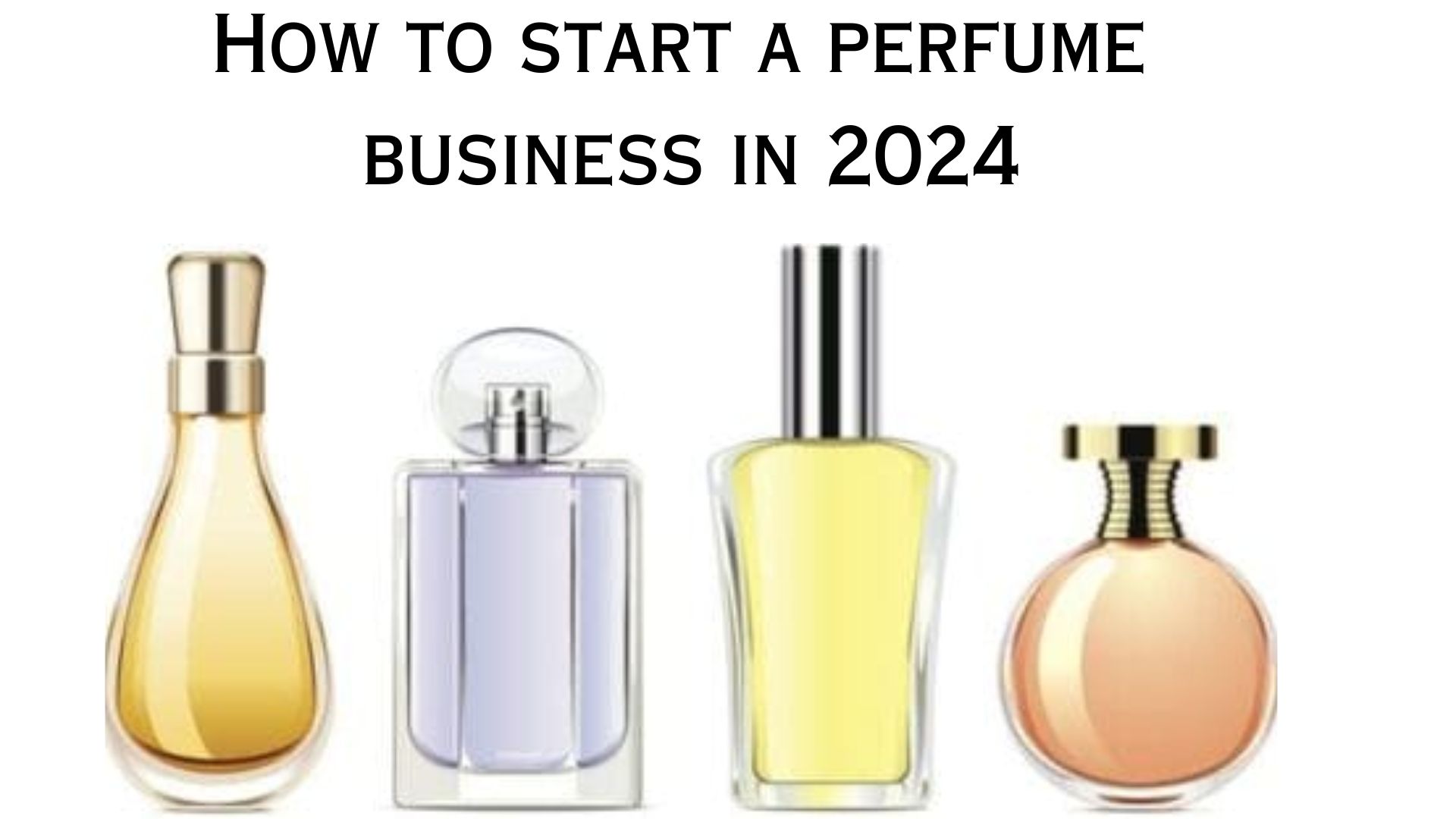
Understand the market and pick your niche
Before you learn how to start a cologne business, know the market you’re entering. Fragrance buyers look for emotion, story, and value. The market has room for indie, luxury, natural, and celebrity lines. Each niche has different margins and customer expectations.
Keep research simple and focused:
- Identify top-selling cologne styles and ingredients in your target region.
- Study competitor pricing, packaging, and reviews.
- Talk to potential customers in person or via quick surveys.
My experience: I visited local boutiques and asked customers what they liked and disliked. Those short conversations saved me months of wasted product ideas. They also revealed niches that larger brands ignored.

A step-by-step plan to start a cologne business
Breaking the process into clear steps keeps work manageable. Use this roadmap to guide decisions and timelines.
- Define your concept and USP
- Decide what your brand stands for. Is it natural, niche, affordable, or high-end?
- Write a single-sentence brand promise you can test with customers.
- Create a minimum viable product (MVP)
- Work with a perfumer or use pre-made accords to make 2–4 prototypes.
- Test in small batches with friends and target customers.
- Source suppliers and packaging
- Find fragrance houses, bottle suppliers, and contract manufacturers.
- Order small runs to start. Avoid large minimums.
- Meet regulations and label correctly
- Plan for safety testing and proper ingredient disclosure.
- Build your brand and marketing plan
- Create a logo, brand story, and a simple website optimized for "how to start a cologne business" related searches.
- Launch and iterate
- Start with direct-to-consumer sales and local retail partners.
- Collect feedback and adjust scent, pricing, or packaging.
When I started my first line, I focused on a single hero scent. That focus reduced costs and helped the brand story land quickly.
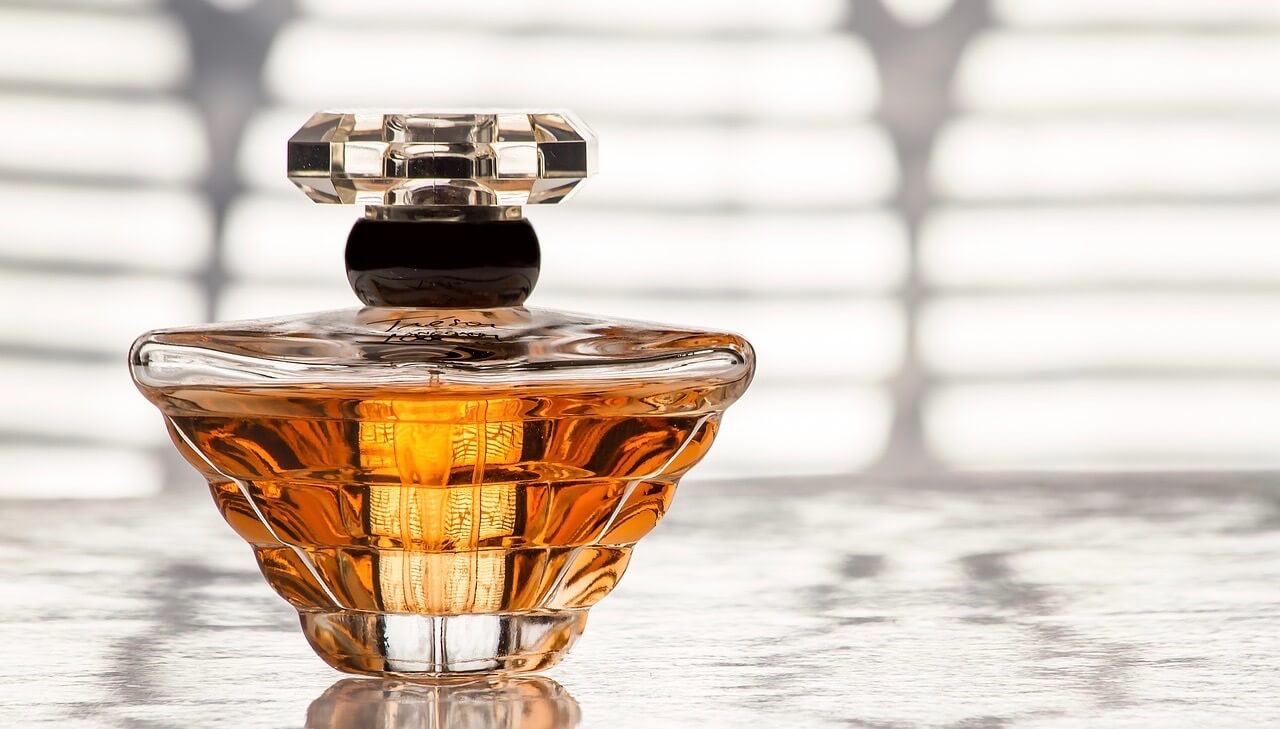
Product development: crafting scent, formulation, and packaging
Product quality wins trust. Spend time on scent development and functional packaging.
Scent creation steps:
- Work with an experienced perfumer or use a fragrance blank library.
- Make fragrance pyramid notes: top, middle, base.
- Test longevity and sillage on paper, skin, and different skin types.
Formulation and stability:
- Ensure formula stability in your chosen bottle and climate.
- Run simple shelf tests for color change, separation, and evaporation.
- Consider working with a cosmetic chemist for water-based or oil-based alternatives.
Packaging and unboxing:
- Choose bottles that protect the formula and feel premium for your price point.
- Design a simple unboxing experience. Small touches drive repeat customers.
- Source sustainable options if your brand promises eco-values.
A lesson I learned: beautiful packaging can raise perceived value but doubles inventory headaches. Start with one strong bottle and a single box design you can scale.

Legal, safety, and compliance
Legal compliance protects you and builds trust. Fragrance products are regulated and require care.
Key legal steps:
- Register your business and pick the right entity for liability protection.
- Check cosmetic and fragrance regulations in your target country and state.
- Follow fragrance industry safety guidelines for IFRA standards and allergen labeling.
- Keep a technical file with formulas, safety data, and testing records.
Insurance and contracts:
- Get product liability insurance before selling.
- Use clear contracts with suppliers and manufacturers outlining specs, timelines, and IP.
I once shipped a sample without full SDS documentation. That mistake taught me to treat paperwork as core work. It prevented bigger delays later.

Branding, storytelling, and marketing
Branding is the reason a customer chooses your cologne over another. Your brand must be coherent across scent, visuals, and messaging.
Brand basics:
- Name, logo, and a short brand story that explains who you are and why your cologne exists.
- A clear tone of voice: playful, elegant, minimal, or bold.
Digital marketing essentials:
- Build a simple, fast website with clear product pages and checkout.
- Optimize pages for search phrases like how to start a cologne business, best indie colognes, and scent notes.
- Use high-quality photos and short videos of the bottle and lifestyle shots.
Growth tactics that work:
- Offer small sample sizes or discovery sets to reduce purchase friction.
- Run targeted social ads focused on interest in niche fragrances.
- Collaborate with micro-influencers who align with your brand story.
From experience: early customers cared more about a product they could smell first. Sampling programs increased my conversion rates by double-digit percentages.
Sales channels and distribution
Choose sales channels based on margins, control, and growth pace.
Channel options:
- Direct-to-consumer (DTC) via your website for best margins.
- Marketplaces for volume and discovery.
- Local boutiques and specialty stores for prestige and sampling.
- Wholesale and distributors for rapid scaling.
- Pop-ups and events for brand experiences and feedback.
Pricing and margins:
- Calculate cost of goods (COGS) including bottle, raw fragrance, packaging, and testing.
- Target retail margin structure: wholesale is typically 40–60% off retail; DTC allows higher margins.
- Include promo budgets and sample costs in your model.
One tip: keep a small allocation of stock for boutique partners. Early retail placement builds credibility quickly.
Operations, finance, and systems
Operational discipline keeps a cologne business healthy. Track numbers and standardize processes.
Financial basics:
- Build a simple spreadsheet for COGS, operating expenses, and revenue projections.
- Calculate break-even units and a realistic time to profitability.
- Plan for working capital to cover inventory and marketing.
Systems and tools:
- Use basic inventory software to avoid stockouts or overstock.
- Implement simple CRM for customer service and email follow-up.
- Outsource fulfillment when orders volume justifies it.
Funding options:
- Self-fund early runs or use small business loans or crowdfunding.
- Accept angel investment if you want faster retail scale, but expect equity dilution.
I kept operations lean by doing fulfillment in-house for the first 6 months. That helped me learn customer questions first-hand.
Common quick questions people ask (PAA-style)
How much does it cost to start a cologne business?
Startup costs vary widely. Expect to spend a few thousand dollars for a simple DTC launch and tens of thousands for boutique-quality production and testing.
How long does it take to create a cologne?
From concept to launch, plan 3–9 months. Perfume formulation, testing, and packaging procurement take most of the time.
Do I need a perfumer to start?
You can start with pre-made accords or fragrance houses. A perfumer adds originality and better longevity but costs more.
Frequently Asked Questions of how to start a cologne business
What permits do I need to sell cologne?
You typically need a registered business license and must comply with cosmetic labeling laws. Additional certifications depend on your country and ingredients.
How do I price my cologne?
Price based on COGS, brand positioning, and market research. Aim for gross margins that cover marketing and overhead.
Can I make cologne at home and sell it?
Small-batch home production is possible but ensure safety testing and proper labeling. Check local laws for any home-manufacturing restrictions.
How do I protect my fragrance idea?
Formulas can be hard to protect, but trademarks, trade dress, and NDAs with partners help. Keep records of development and supplier agreements.
What’s the best way to test scents with customers?
Use discovery sets, pop-up events, and sample campaigns. Collect structured feedback on longevity, appeal, and price sensitivity.
How do I find a reliable supplier?
Ask for references, request samples, and check lead times and minimums. Start with small orders and a clear contract.
Conclusion
Starting a cologne business is a mix of creativity, testing, legal care, and smart marketing. Focus on one clear idea, validate it with real customers, and scale thoughtfully. Take small, measured steps: craft a great scent, package it well, ensure safety, and sell where your customers are.
Now take action: sketch your brand promise, test one scent, and talk to five potential customers this week. Share your progress, subscribe for updates, or leave a comment with your biggest question about how to start a cologne business.

Rubel Miah is the Senior Editor at MyStyleGrid.com, where he brings a sharp editorial eye and an unshakable love for fashion to everything he does. A true style addict, Rubel lives and breathes trends, from streetwear to high fashion, and has a knack for turning inspiration into impactful stories. With years of experience in fashion journalism and digital media, he curates content that empowers readers to express themselves through style. When he’s not editing features or forecasting the next big thing, you’ll find him hunting down vintage pieces or capturing street style moments around the city.