Wear correct-fit boots, moisture-wicking socks, gradual break-in, and use tape or padding.
I’ve spent years testing boots on trails, city streets, and job sites, so I know what causes blisters and how to stop them. This guide on how to prevent blisters when wearing new boots gives clear, proven steps you can use right away. I’ll explain why blisters form, how to prepare boots, what gear helps, and real tips from my experience to keep your feet happy.
Why blisters form and what to watch for
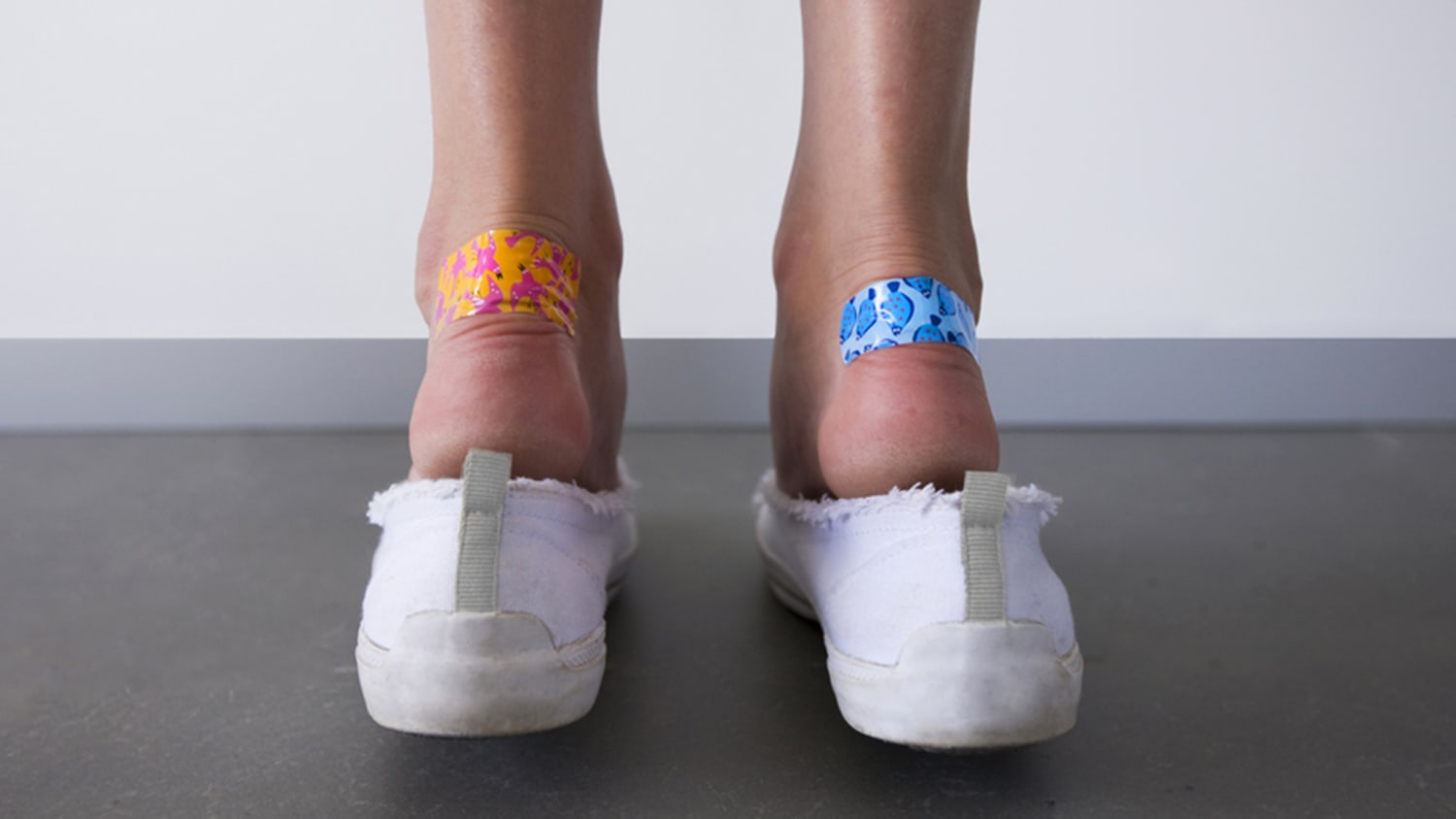
Blisters form when skin rubs or presses against a surface long enough to separate layers and fill with fluid. Friction, moisture, heat, and poor fit are the main causes. New boots often have stiff leather or seams that press in new spots. Knowing these causes helps you plan how to prevent blisters when wearing new boots.
Common triggers
- Friction from rubbing inside the boot.
- Wet feet from sweat or rain that soften skin.
- Pressure from tight spots or poor arch support.
- Stiff materials that don’t flex with your foot.
My quick takeaway from testing: most new-boot blisters are fixable by reducing friction and moisture early.

How to prepare new boots before you wear them
Prep keeps boots from biting you on day one. The right prep shortens the break-in time and lowers risk.
Steps to prepare
- Check fit: Try boots with the socks you’ll use. There should be a thumb’s width of room in the toe and no severe heel slip.
- Soften leather: Wear them in short sessions at home or use a leather conditioner for full-grain leather.
- Adjust insoles: Swap thin factory insoles for supportive ones that match your arch.
- Consider stretching: Use a boot stretcher or a cobbler for hot spots.
- Seal seams: Apply a waterproofing product if you’ll face wet conditions.
These steps show practical ways to reduce friction and pressure, key to how to prevent blisters when wearing new boots.

Socks, liners, and foot prep that actually work
Socks and liners are the first defense. Good choices cut friction and keep feet dry.
Best sock choices
- Use moisture-wicking socks made of merino wool or synthetic blends.
- Try a thin liner sock under a thicker sock to reduce friction between skin and fabric.
- Avoid cotton; it holds moisture and increases blister risk.
Foot prep tips
- Trim toenails and remove calluses that rub.
- Use foot powder or antiperspirant on sweaty feet to reduce moisture.
- Test socks and boots together before a long day.
These small changes directly impact how to prevent blisters when wearing new boots.

Break-in routine and on-the-road blister prevention
A gradual break-in beats sudden long hikes in new boots. Slow progress lets the boot and your foot adapt.
Break-in schedule
- Day 1: Wear boots 30–60 minutes indoors, walk on different surfaces.
- Day 2–4: Increase to 2–3 hours with light activity.
- Week 2: Add longer walks or one full-day outing.
On-the-road tactics
- Check your feet at breaks and dry wet socks.
- Use friction-reducing tape or blister patches on hot spots before pain starts.
- Re-lace to control heel slip; try different lacing patterns to relieve pressure points.
These routines are the core of how to prevent blisters when wearing new boots. From my experience, a steady, short-first approach saves a lot of pain.

How long should I break in new boots?
Break them in over several days to weeks depending on boot stiffness and your activity. Short, frequent wear sessions prevent raw spots and help pads conform to your feet.
Can I use household tricks to soften boots?
Yes, careful use of heat or leather oil can help, but avoid soaking leather or using extreme heat. Professional stretching or gradual wear is safer and more predictable.
Insoles, pads, and products that reduce blisters
Right inserts and pads change how force and friction reach your skin. Use each tool for a clear purpose.
Useful products
- Supportive insoles: Improve fit and reduce movement inside the boot.
- Gel heel cups: Cushion and remove pressure from heel bones.
- Moleskin: Stick to hot spots to lower friction until the skin toughens.
- Blister patches: Hydrocolloid patches protect blisters and speed healing.
- Anti-friction balms: Rub on areas prone to rubbing to cut friction.
How to use them
- Place moleskin on the boot, not directly on raw skin, to avoid peeling.
- Replace disposable pads daily if sweaty to keep skin dry.
Choosing the right combination helps you master how to prevent blisters when wearing new boots.
Common mistakes and myths to avoid
People often do things that make blisters worse. Skip these errors.
Mistakes to skip
- Wearing boots for a full hike on day one.
- Using cotton socks or wet socks for long periods.
- Ignoring small hot spots until they turn into blisters.
- Over-tightening laces to “hold” the foot, which raises pressure.
Myth-busting
- Myth: New boots must hurt to be broken in. Truth: They should fit well and only need minor softening.
- Myth: More padding always helps. Truth: Too much padding can change fit and create new pressure points.
Avoiding these traps is essential for how to prevent blisters when wearing new boots.
When to stop, treat, or seek care
Most blisters heal with basic care, but watch for signs of trouble.
Simple care steps
- Clean and cover intact blisters with a protective patch.
- If a blister is large and painful, drain it safely with a sterilized needle, then protect it.
- Seek medical help if you see redness spreading, pus, fever, or severe pain.
Knowing when to treat and when to see a professional helps you stay safe while learning how to prevent blisters when wearing new boots.

Frequently Asked Questions of how to prevent blisters when wearing new boots
How long does it take to break in new boots?
Most boots need several short sessions over days to weeks. Stiffer leather takes longer than soft synthetics.
Do socks really make a difference?
Yes. Moisture-wicking socks and liners greatly reduce friction and lower blister risk in new boots.
Should I pop a blister if it forms?
You can drain a large, painful blister with a clean needle, but keep the skin intact and cover it to prevent infection.
Can taping prevent blisters completely?
Taping helps a lot for known hot spots but isn’t foolproof; pair it with proper fit and sock choices.
Are waterproof boots more likely to cause blisters?
They can, because trapped moisture raises friction. Use breathable liners and change socks when wet.
Is using two pairs of socks effective?
Yes, a thin liner plus a thicker outer sock reduces skin-to-fabric friction and helps prevent blisters.
Conclusion
Preventing blisters when wearing new boots comes down to fit, moisture control, gradual break-in, and smart gear choices. Start with proper socks and insoles, test boots in short sessions, and use tape or patches on hot spots. Try one or two of the methods above on your next boot trial and track what works for you; small changes lead to big comfort gains. If you found this helpful, subscribe for more foot-care tips, share your experience below, or ask a question so I can help you further.

Rubel Miah is the Senior Editor at MyStyleGrid.com, where he brings a sharp editorial eye and an unshakable love for fashion to everything he does. A true style addict, Rubel lives and breathes trends, from streetwear to high fashion, and has a knack for turning inspiration into impactful stories. With years of experience in fashion journalism and digital media, he curates content that empowers readers to express themselves through style. When he’s not editing features or forecasting the next big thing, you’ll find him hunting down vintage pieces or capturing street style moments around the city.