Use a mild polish or a specialist kit, and always test first to avoid coating damage.
I’ve spent years fixing and testing lenses, and I know how frustrating it is when a favorite pair gets scratched. This guide on how to remove scratches from polarized sunglasses walks you through safe DIY fixes, what can go wrong, and when to stop and ask a pro. You’ll get clear steps, real-life tips from my experience, and trustworthy guidance so you can decide whether to polish, protect, or replace your lenses.
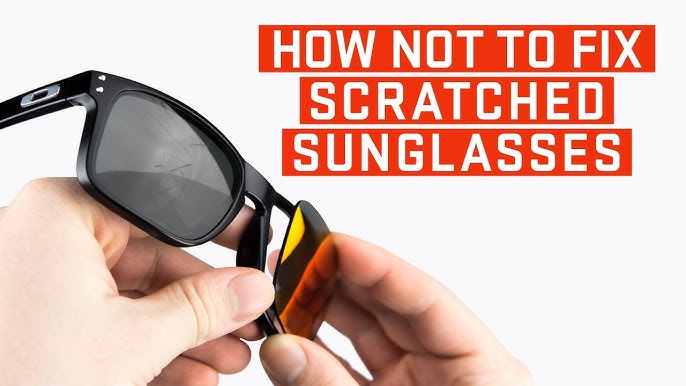
Why polarized lenses scratch and what that means
Polarized sunglasses use a thin polarizing film and often add anti-reflective and scratch-resistant coatings. These layers sit on plastic or glass substrates. Light scratches can often be minimized. Deep gouges, however, can ruin polarization or coatings permanently.
How to remove scratches from polarized sunglasses depends on the lens material and the coating. Plastic lenses behave differently from glass. Many household polishes will remove surface marks but can strip coatings and reduce polarization effectiveness.
Before you start: assess damage and risks
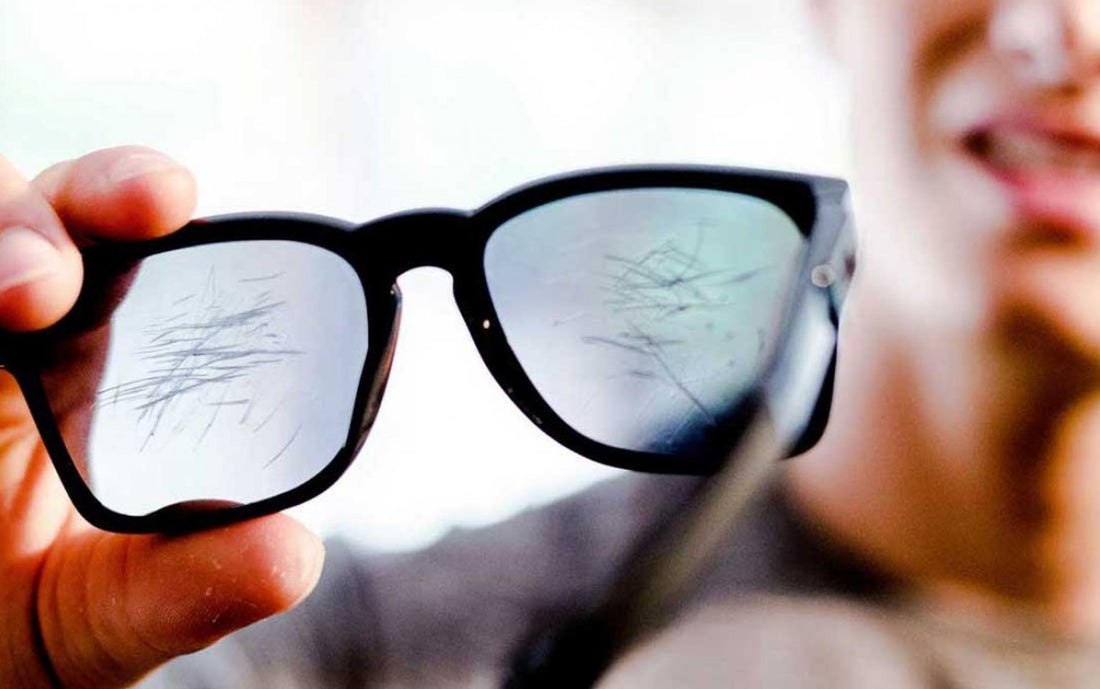
Inspect the scratch under good light. If the scratch is a faint white line that you can feel barely with a fingernail, it may be reduced. If you feel a deep groove, expect that DIY methods will not fully restore the lens.
Ask these quick checks before you try to remove scratches from polarized sunglasses:
- Material: Are the lenses plastic, polycarbonate, or glass?
- Coating: Do they have anti-scratch, anti-reflective, or mirrored coatings?
- Value: Are they costly or under warranty?
If the lenses are expensive or under warranty, contact the maker first. DIY can void warranties and remove specialized coatings.

Source: suzinokdaugiau.lt
Safe DIY methods to try
Always test on a small corner or the inside edge first. Work slowly. Keep motions circular and gentle. Stop if you see coating loss.
Common safe methods
- PolyWatch or plastic polish
- Use a polishing compound made for acrylic or plastic. Apply a tiny dot. Rub in small circles with a soft cloth for 30–60 seconds. Rinse and inspect. Repeat up to three times.
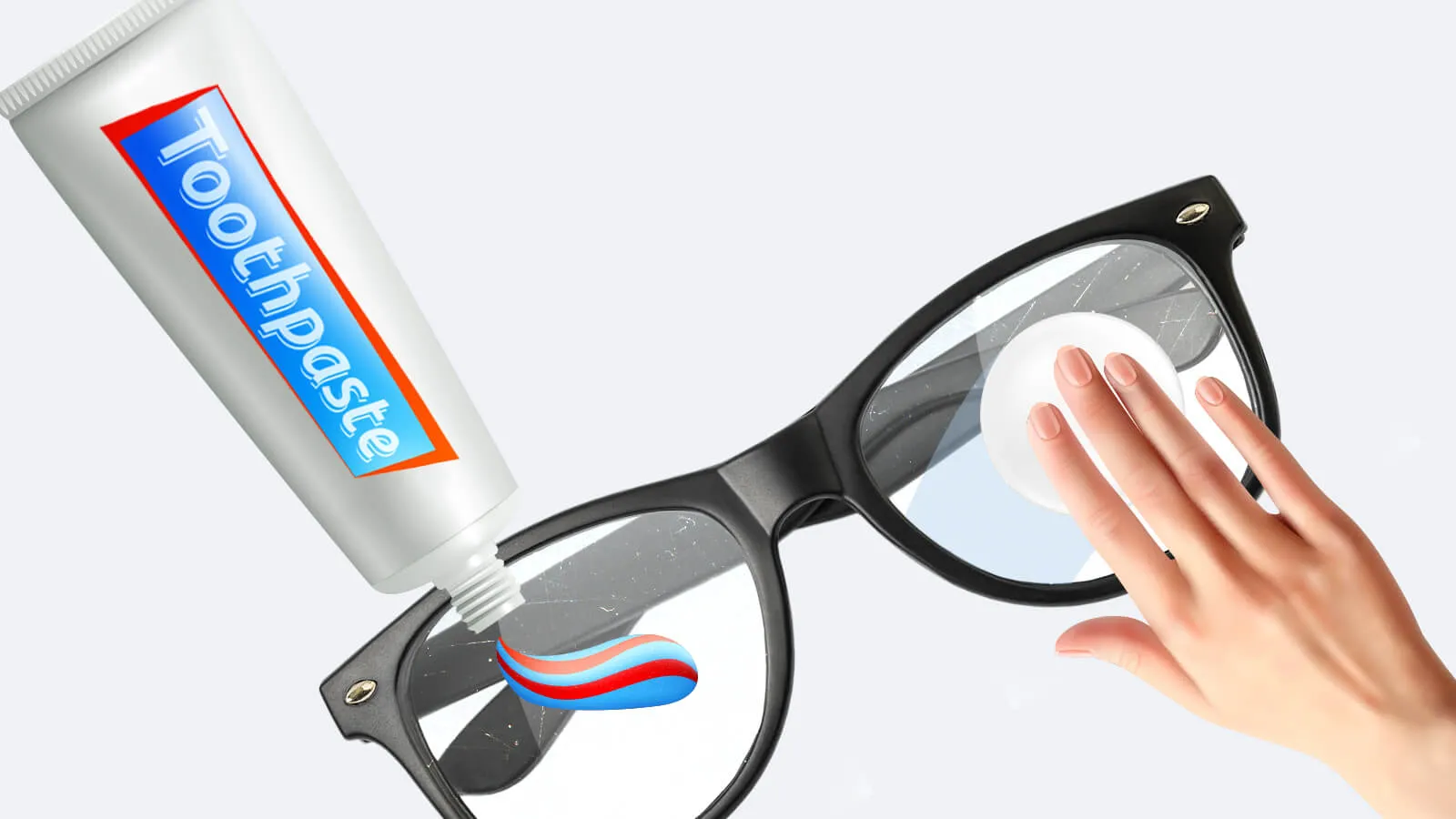
- Non-gel toothpaste (mild abrasive)
- Use a plain white paste. Apply a pea-sized amount and rub gently in circles for 10–20 seconds. Rinse with water and dry with a microfiber cloth. This can blur very light scratches but may harm coatings.
- Baking soda paste
- Mix baking soda and water to a paste. Apply and rub gently. Rinse well and dry. This method works like a very mild polish.
- Lens polish kits
- Buy a kit made for eyeglasses. Follow the kit steps exactly. These kits often include polish and microfiber pads tuned for lenses.
- Microfiber buff and cleaning
- Sometimes grime makes scratches look worse. Clean both sides with lens cleaner and a soft microfiber cloth before trying any polish.
What to avoid
- Harsh abrasives and sandpaper. They remove coatings fast.
- Chemical solvents like acetone. These melt plastics and coatings.
- Electric drills or buffing machines on coated sunglass lenses. They generate heat and remove protective layers.
Note on how to remove scratches from polarized sunglasses: most DIY polishes can only improve surface marks. They rarely restore deep scratches and often affect coatings. I’ve used PolyWatch on cheap plastic lenses and regained clarity for light scratches, but I once ruined the AR coating on a mid-range pair after over-polishing. That taught me to always test and stop early.

When to seek professional repair or replace
If scratch depth is beyond the surface, seek an optician or the manufacturer. Many optical shops offer lens replacement or re-coating services. Replacement is often the best path for polarized lenses because the polarizing film and coatings are integral to function.
Consider professional help when:
- The scratch crosses your line of sight and causes glare or distortion.
- The lenses are expensive, prescription, or under warranty.
- You value optical precision and polarization performance.
Expect costs for lens replacement. In many cases, replacing the lenses keeps polarization and coatings intact. A pro can also advise if the frame can accept new lenses, saving you from buying a whole new pair.
Preventing scratches long-term
Good care beats repair. Small habits protect your lenses and save money.
Daily habits to prevent scratches:
- Use a hard case whenever you’re not wearing your sunglasses.
- Store them lens-up in a clean case. Avoid tossing them in a bag or pocket.
- Clean with a lens cleaner and microfiber cloth. Never use paper towels or clothing.
- Rinse dusty lenses before wiping to avoid abrasive grit rubbing the surface.
- Consider a lens protector or upgrade to lenses with stronger hard-coat treatments.
How to remove scratches from polarized sunglasses is useful to know, but prevention gives you the best long-term result. Treat your sunglasses like you treat a phone screen or a camera lens.
Frequently Asked Questions of how to remove scratches from polarized sunglasses
Can I use toothpaste to remove scratches from polarized sunglasses?
Toothpaste can reduce very light surface scratches on plastic lenses. It often damages coatings and can reduce polarization, so test a tiny area first and use it sparingly.
Will polishing restore polarization on damaged lenses?
Polishing may remove surface marks but cannot restore polarization if the polarizing film is damaged. Deep scratches or peeled coatings usually require lens replacement.
Is it safe to use car scratch remover on sunglass lenses?
Car products are usually too abrasive for delicate sunglass coatings. They might remove marks on cheap lenses but can ruin high-quality coatings and polarization.
How do professionals fix scratched polarized sunglasses?
Professionals commonly replace the lens or reapply coatings when possible. They rarely polish polarized films because the film and coating layers are delicate and hard to restore.
When should I replace my polarized sunglasses instead of repairing them?
Replace them if scratches are deep, if optics are distorted, or if the repair would compromise polarization and coatings. For expensive or prescription sunglasses, lens replacement is often the best choice.
Can sand or tiny particles make scratches worse during cleaning?
Yes. Wiping without rinsing first can grind particles across the surface and deepen scratches. Always rinse or blow off grit before wiping.
Are there special products for polarized lenses?
Yes. Look for plastic lens polishes labeled safe for coated eyewear or optician-grade kits. Follow the manufacturer guidance and test small spots.
Conclusion
Light scratches on polarized lenses can sometimes be reduced with careful, mild polishing or dedicated kits. Deeper marks usually need professional help or lens replacement to keep polarization and coatings intact. Start with a careful inspection, test any method on a small edge, and stop if the coating blurs or peels. Protect your sunglasses with simple daily habits to avoid this problem in the first place. Try the safe steps here, evaluate the results, and if you’re unsure, consult an optician or the manufacturer. Share your experience below, subscribe for more gear care tips, or ask a question if you want advice for a specific lens type.

Rubel Miah is the Senior Editor at MyStyleGrid.com, where he brings a sharp editorial eye and an unshakable love for fashion to everything he does. A true style addict, Rubel lives and breathes trends, from streetwear to high fashion, and has a knack for turning inspiration into impactful stories. With years of experience in fashion journalism and digital media, he curates content that empowers readers to express themselves through style. When he’s not editing features or forecasting the next big thing, you’ll find him hunting down vintage pieces or capturing street style moments around the city.