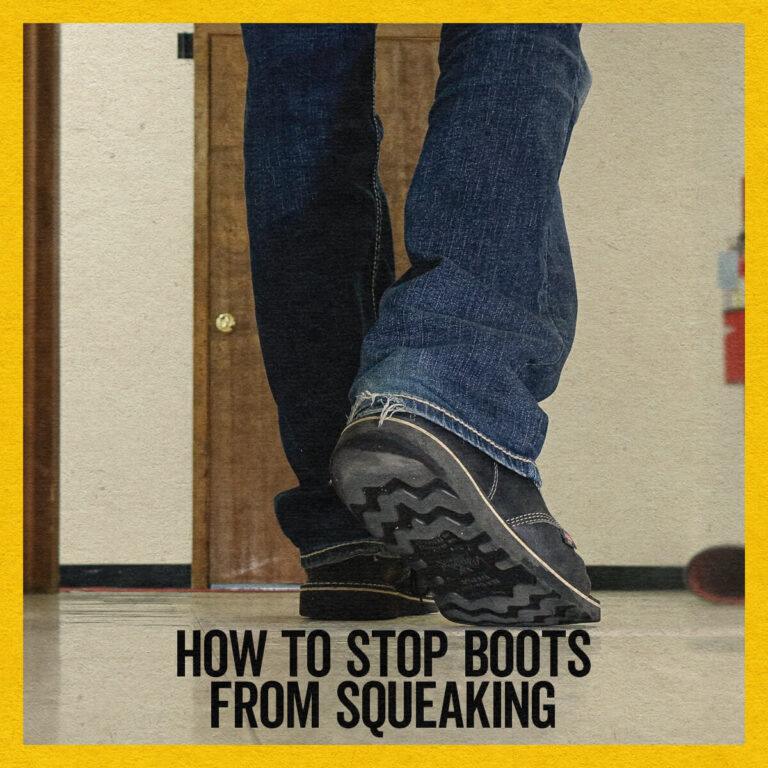
How to repair squeaky shoes: use talcum, adhesive, and sole adjustments for quiet, durable fixes.
I’ve fixed hundreds of noisy shoes for friends and clients. This guide on how to repair squeaky shoes explains causes, quick diagnosis, step-by-step fixes, and long-term prevention. I focus on practical methods you can do at home or with a cobbler. Read on to find the right fix for your squeaky pair.

Why shoes squeak and how to repair squeaky shoes
Squeaks come from trapped air, friction, moisture, or loose parts. The noise often points to where the problem lives: sole, insole, heel, or upper. Knowing the source makes how to repair squeaky shoes fast and accurate. Below I break down the common causes and what they mean for repair.

How to repair squeaky shoes — quick diagnostic steps
Start simple. Wear the shoe on carpet and hardwood to hear where the sound is strongest. Press and bend the shoe while listening. Check the insole, heel, outsole, and seams. These steps help you target how to repair squeaky shoes without guessing.

How to repair squeaky shoes: step-by-step fixes
Use the right fix for the right cause. I list reliable, low-risk solutions from easiest to more advanced. Follow these steps based on your diagnosis.
-
Tools and supplies you might need
- Talcum powder or baby powder
- Dry cloth and paper towels
- Shoe glue or contact cement
- Sandpaper (fine grit)
- Leather conditioner or shoe oil
- Waterproofing spray and shoe trees
- Replacement insoles or heel counters
-
Quick home fixes
- Loose insole: remove the insole, sprinkle talcum powder under it, then press it back in place. This reduces friction and stops squeaks.
- Wet shoes: dry them naturally with newspaper and shoe trees. Avoid heat. Drying properly often fixes many squeaks.
- Sole separation: clean the area, apply contact cement, clamp or press until set. This stops air pockets that make noise.
- Minor rubbing: use fine sandpaper on glossy plastic or rubber spots to reduce slick friction.
How to repair squeaky shoes is often a mix of cleaning, lubrication, and securing loose parts. Start with powder for friction and move to adhesives for structural problems. Test the shoe after each fix to avoid overdoing repairs.

Leather upper and squeaks
Leather squeaks when it rubs or when moisture is trapped. Clean the area first. Apply a small amount of leather conditioner. If the squeak stays, a thin layer of talcum between the tongue and the shoe can help. These steps are part of how to repair squeaky shoes for leather pairs.
Rubber soles and outsole squeaks
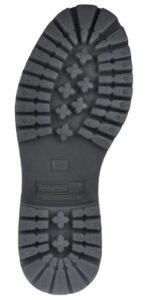
Rubber-on-rubber or rubber-on-floor noises come from surface texture or trapped air. Scuff the problem area lightly with sandpaper. Clean with rubbing alcohol. If separation is visible, glue the sole back down. These measures cover many cases of how to repair squeaky shoes with rubber outsoles.
Insoles, liners, and internal friction
Loose insoles are a top cause. Replace worn insoles or add a non-slip pad. For fabric liners, sprinkle powder under the liner or use a silicone-based anti-slip spray. These quick moves solve most insole-related squeaks and are core tactics in how to repair squeaky shoes.
Heels and stacked leather
Stacked heels shift and grind. Tighten loose heel nails if you can. Add a thin adhesive bead between layers or take the shoe to a cobbler. For high heels, a visiting pro may be faster and safer. This is an essential angle of how to repair squeaky shoes when the heel is involved.
Prevention and maintenance for quiet shoes
Preventing squeaks saves time and money. Regular care reduces the chance you will need to learn how to repair squeaky shoes again.
-
Routine cleaning and drying
- Wipe shoes after wet wear.
- Air-dry with newspaper and shoe trees.
-
Conditioning and waterproofing
- Condition leather monthly.
- Use a water repellent to stop moisture build-up.
-
Insole care
- Replace insoles yearly if you wear shoes daily.
- Use non-slip insoles for extra grip.
-
Timely repairs
- Re-glue small separations early.
- Tighten loose stitching or hardware quickly.
When you follow these habits, how to repair squeaky shoes becomes less frequent and much easier when needed.

When to seek professional repair
Some problems need a cobbler. If the sole is extensively separated, the heel is failing, or the shoe has structural damage, professional repair is safer. A cobbler can re-sole, replace stacked heels, and fix complicated stitching. Know your limits; this keeps your shoes in good shape and avoids costly mistakes in attempting how to repair squeaky shoes yourself.
Frequently Asked Questions of how to repair squeaky shoes
Why do my shoes squeak only on some floors?
Squeaks often depend on surface friction. Hard floors expose sole or insole noise more than carpet. Test on different surfaces to narrow down the source.
Can talcum powder really stop squeaks?
Yes. Talcum reduces friction between the insole and shoe bed. Use it sparingly and test the shoe after application.
Will glue damage my shoes?
Using the wrong glue can damage materials. Use shoe-specific contact cement and follow instructions, or ask a cobbler for advice to avoid harm.
How long will these fixes last?
Duration varies by cause and use. A talcum fix may last months. Re-gluing a sole properly can last years. Regular care extends results.
Is it safe to dry shoes with heat?
No. Heat can warp leather and adhesives. Dry naturally with newspaper and shoe trees to protect shape and glue bonds.
When should I replace my shoes instead of repairing them?
Replace when the upper or sole is beyond repair, or when repair costs exceed the shoe’s value. Frequent, expensive fixes are a sign to invest in new footwear.
Conclusion
You can fix most squeaks with simple diagnosis, powder, glue, or a short cobbler visit. Start with the easiest fixes and move to stronger repairs only if needed. Try one method at a time and test the shoe. Take action now: check your noisy pair, follow the steps above, and keep wearing quiet, comfortable shoes. If this guide helped, leave a comment or subscribe for more practical shoe care tips.

Rubel Miah is the Senior Editor at MyStyleGrid.com, where he brings a sharp editorial eye and an unshakable love for fashion to everything he does. A true style addict, Rubel lives and breathes trends, from streetwear to high fashion, and has a knack for turning inspiration into impactful stories. With years of experience in fashion journalism and digital media, he curates content that empowers readers to express themselves through style. When he’s not editing features or forecasting the next big thing, you’ll find him hunting down vintage pieces or capturing street style moments around the city.