Clean with soap and water, then disinfect with a diluted bleach or alcohol solution and air-dry fully.
I’ve cleaned hundreds of used pairs and teach safe, simple methods for how to sanitize thrift store shoes. This guide walks you through inspection, step-by-step cleaning for each material, safe disinfectants, and real tips from hands-on experience so you can buy and wear secondhand shoes with real confidence.
Why sanitize thrift store shoes?
Used shoes can carry dirt, fungi, bacteria, and odors. Learning how to sanitize thrift store shoes keeps you safe and helps shoes last longer. I’ll explain risks and show clear steps that work for leather, canvas, suede, and athletic shoes. You’ll learn what to do right after purchase and how to maintain shoes after cleaning.
What to check before you buy
Always inspect before you bring shoes home. Check these things every time you consider a pair.
- Look for visible mold, heavy stains, or a rotten smell that won’t fade.
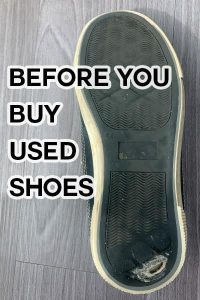
- Check the sole for deep wear, holes, or delamination that cleaning won’t fix.
- Smell the inside. A mild odor is fixable, but a strong, sour smell can mean deep contamination.
- Pull out insoles and laces to test condition and cleanability.
If a pair has active mold inside, large structural damage, or a bad chemical smell, skip it. I learned this the hard way after buying a pair that looked fine but had hidden mold in the lining.

Tools and supplies you need
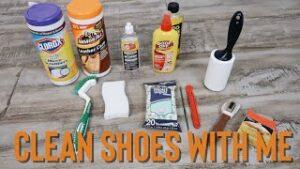
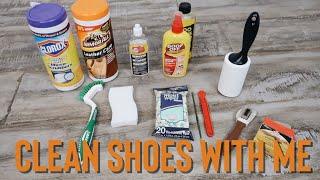
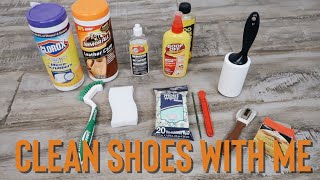
Gather basic, safe supplies before you start. Having the right items makes cleaning fast and effective.
- Mild liquid soap or gentle laundry detergent for general washing.
- 70% isopropyl alcohol for surface disinfection.
- Diluted bleach solution (1 part bleach to 5–10 parts water) for hard, non-delicate surfaces.
- Baking soda for odor removal.
- Soft brushes, toothbrushes, and microfiber cloths for scrubbing.
- Spray bottle, bowl, and clean towels.
- Disposable gloves and a well-ventilated space for chemical use.
These items handle most jobs. I keep a small kit in my cleaning closet for every thrift find.

Step-by-step: basic sanitizing process
Follow a repeatable routine for how to sanitize thrift store shoes. These steps work for most casual pairs.
- Remove insoles and laces. Set them aside to wash separately.
- Knock out dirt and debris by tapping soles together over trash or outside.
- Brush gently with a soft brush to remove surface dust.
- Wash the exterior:
- For washable fabrics, use warm water and mild soap. Rinse thoroughly.
- For synthetic or rubber parts, wipe with soap and water.
- Disinfect surfaces using a spray of 70% isopropyl alcohol or a diluted bleach solution on non-delicate areas. Wipe after 1–2 minutes.
- Treat insoles:
- Wash fabric insoles in warm soapy water. Air-dry fully.
- For foam insoles, avoid soaking; spray with alcohol and let dry.
- Deodorize with baking soda inside the shoe overnight if needed.
- Dry fully in a warm, well-ventilated area away from direct heat or sunlight.
Repeat steps for any remaining spots. The key aim is to remove visible dirt, kill germs, and dry thoroughly.

How to sanitize thrift store shoes by material
Different materials need different care. Here’s a quick guide for the most common types.
Leather
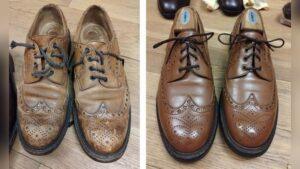
- Wipe with a damp cloth and mild soap. Avoid soaking.
- Use leather cleaner and conditioner after cleaning to restore oils.
- Disinfect lightly with alcohol on a cloth. Test a hidden spot first.
Canvas and cloth
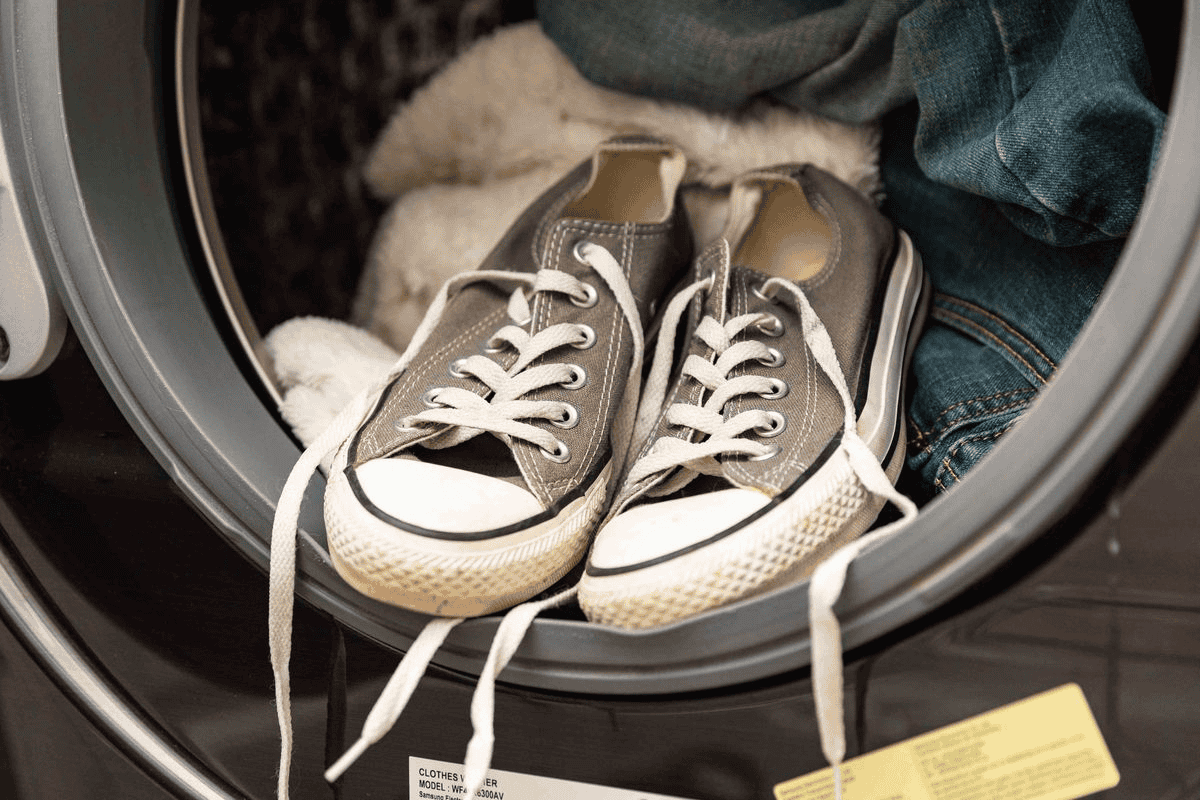
- Machine wash on a gentle cycle if the shoes are sturdy. Use a laundry bag for protection.
- Hand-wash delicate canvas with soap and warm water.
- Disinfect after washing with alcohol spray and dry completely.
Suede and nubuck
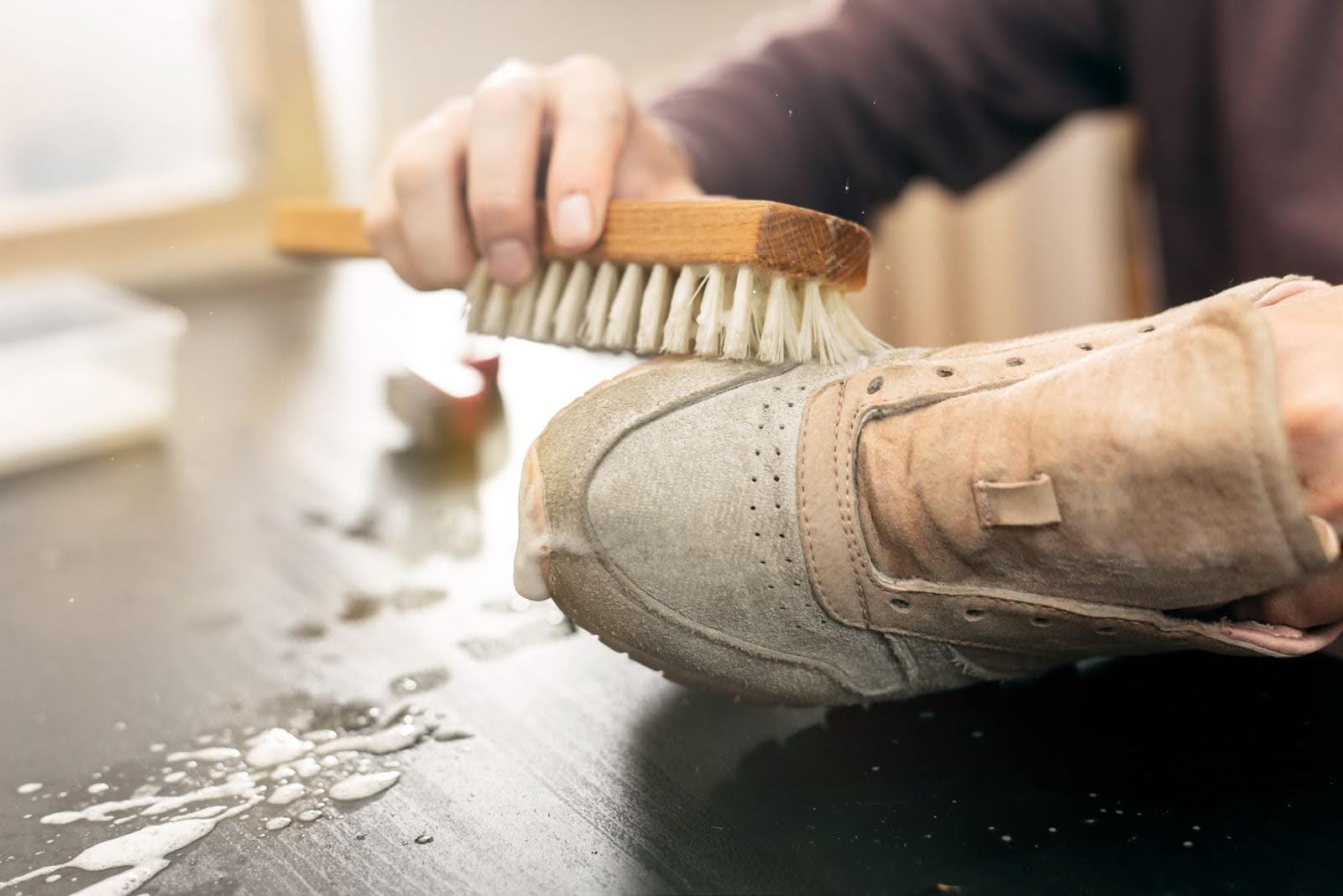
- Don’t soak. Use a suede brush to lift dirt.
- Use a suede cleaner or a small amount of white vinegar on a cloth for stains.
- Avoid bleach and heavy alcohol; use a light alcohol spray only if needed and test first.
Athletic and synthetic shoes
- Many sport shoes are machine-washable. Remove insoles and laces first.
- Use soap and warm water for deep cleaning, then disinfect with alcohol spray.
- Check manufacturer labels when possible.
Repeat cleaning until odor and visible grime are gone. I once ruined a pair of suede loafers by using water. Now I always test and treat gently.

Safe disinfectants and when to use them
Choose disinfectants with care. Not every product suits every shoe.
- 70% isopropyl alcohol — fast, good for many surfaces and insoles; safe on most synthetics and leather in small amounts.
- Diluted household bleach — effective on rubber, hard plastics, and white canvas. Avoid on colored fabrics and leather.
- Hydrogen peroxide (3%) — spot clean stains and disinfect small areas. Test first.
- Commercial shoe deodorants and antimicrobial sprays — designed for shoes; follow label directions.
Always test a small hidden area before applying broadly. Use gloves and ventilate the room. I use alcohol for quick daily kills and save bleach for heavy duty needs on non-delicate parts.
Drying and odor control
Drying well stops mold and bacteria. Never put wet shoes directly beside heat sources.
- Air-dry in a warm, ventilated spot. Use a fan if possible.
- Stuff shoes with crumpled paper or dry towels to speed drying and hold shape.
- Use baking soda in a cup or sprinkle inside shoes overnight to absorb smells.
- For persistent odors, use activated charcoal pouches or oven-safe cedar shoe inserts.
Do not dry leather in direct sunlight. Heat can crack leather and warp glue.
How to sanitize thrift store shoes that aren’t washable
Some shoes can't be soaked. Use low-moisture methods.
- Vacuum out dust and debris with a small nozzle.
- Wipe with a damp cloth and mild soap for surface grime.
- Spray lightly with 70% isopropyl alcohol and let air-dry.
- Use baking soda or activated charcoal for odors.
- For delicate linings, consider professional cleaning.
I repaired a pair of vintage boots using this method. They looked new without damage.

Personal experience: tips and mistakes to avoid
I’ve cleaned shoes for friends and sold refurbished pairs online. Here are lessons I learned.
- Test cleaners on hidden spots first to avoid color loss.
- Don’t over-soak leather or suede.
- Replace insoles when they are worn or permanently smelly.
- Use simple fixes first: soap, water, and time often beat strong chemicals.
- If a pair shows active mold inside the lining, it may be safer to discard it.
My biggest mistake was using bleach on colored canvas. The color faded. Now I keep a test towel handy.
Environmental and safety considerations
Be mindful of safety and waste when you clean shoes.
- Use gloves and ventilate when using bleach or alcohol.
- Dispose of heavily contaminated shoes responsibly if they pose health risks.
- Choose eco-friendly cleaners when possible to reduce chemical runoff.
- Reuse towels and cloths to cut waste.
Cleaning can be green and safe if you pick the right tools.
Troubleshooting common problems
Here are quick fixes for issues you may meet while you sanitize thrift store shoes.
- Stubborn odor — leave baking soda overnight, then vacuum or shake out.
- Yellowing on white soles — use a paste of baking soda and water and scrub gently.
- Stiff leather after cleaning — apply a small amount of leather conditioner.
- Mold spots — clean with a vinegar solution, then disinfect and dry in sun if leather allows.
If cleanup fails, replacing insoles or consulting a cobbler can save the pair.
Frequently Asked Questions of how to sanitize thrift store shoes
Can I machine wash every thrift store shoe?
Most canvas and many athletic shoes can go in the machine if you remove insoles and laces. Leather, suede, and delicate items should not be machine washed.
Is rubbing alcohol safe for shoe insides?
Yes, 70% isopropyl alcohol is safe for many shoe interiors and helps evaporate quickly, but test a small area first to check for color or material reaction.
How long should I dry shoes after cleaning?
Dry shoes until completely moisture-free, often 24–48 hours depending on material and ventilation. Use stuffing and airflow to speed drying.
Can I use bleach on colored shoes?
Avoid bleach on colored fabrics and leather. Use diluted bleach only on white, hard surfaces or rubber parts and test first.
When should I throw thrift shoes away?
Discard shoes with severe structural damage, heavy, embedded mold, or chemical contamination that cleaning cannot fix. Safety and fit matter more than saving money.
Conclusion
Sanitizing thrift store shoes is simple when you follow a clear plan: inspect, clean by material, disinfect safely, and dry fully. These steps protect your health and extend the life of secondhand shoes. Try the routine on one pair first, adjust based on material, and keep a small cleaning kit ready. If you found this guide helpful, try one thrift pair this week, leave a comment with your results, or subscribe for more practical secondhand tips.

Rubel Miah is the Senior Editor at MyStyleGrid.com, where he brings a sharp editorial eye and an unshakable love for fashion to everything he does. A true style addict, Rubel lives and breathes trends, from streetwear to high fashion, and has a knack for turning inspiration into impactful stories. With years of experience in fashion journalism and digital media, he curates content that empowers readers to express themselves through style. When he’s not editing features or forecasting the next big thing, you’ll find him hunting down vintage pieces or capturing street style moments around the city.