Pick sneakers with firm arch support, cushioned midsoles, and a snug heel for lasting high-arch comfort.
As a footwear tester and runner who has evaluated dozens of brands and models, I know how to select sneakers for high arches comfort the smart way. I’ll walk you through clear steps, tested tips, and practical checks so you buy shoes that protect your feet, reduce pain, and keep you moving.
Why high arches need different sneakers
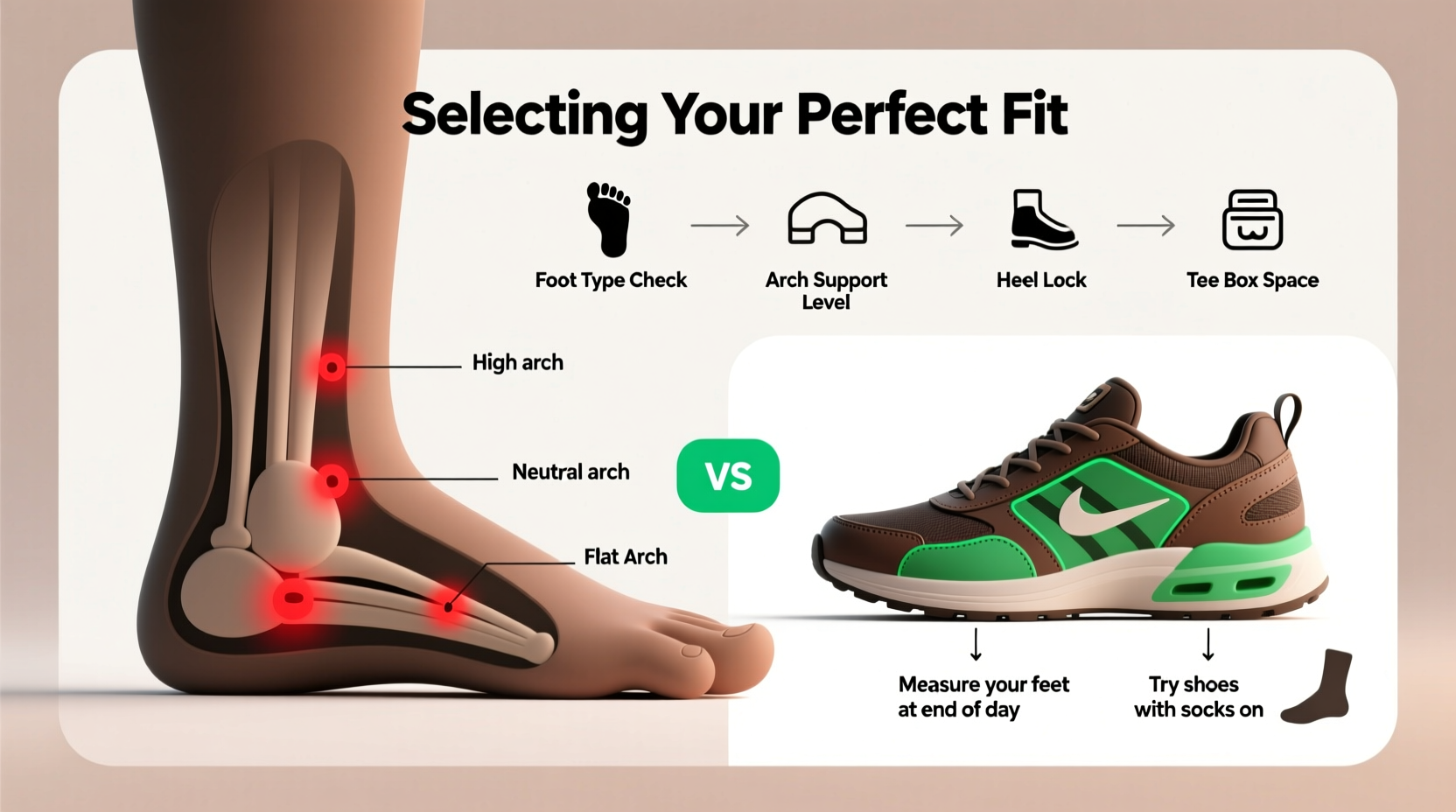
High arches change how weight moves through your foot. This can cause more pressure on the ball and heel. Learning how to select sneakers for high arches comfort starts with knowing this basic mechanics.
Shoes that ignore arch shape can leave you sore, unstable, or prone to injuries. Proper sneakers cushion impact and support the midfoot to spread pressure evenly. That reduces fatigue and improves walking or running form.
:max_bytes(150000):strip_icc()/hlt-tier-3-primary-best-shoes-high-arches-ahuang-036-bf9547cb08d84cf2bd0ac14d56a3736f.jpeg)
How to assess your arch type at home
You can confirm your arch type in minutes with a simple wet test. Wet the sole of your foot, step on paper, and look at the imprint. A full imprint means low arch, a slim band shows high arch.
When you understand how to select sneakers for high arches comfort, you avoid guessing. Also check for pain when you press the arch or when you stand barefoot flat on the floor. These quick checks save returns and unhappy miles.
Key sneaker features for high arches comfort
When you want to know how to select sneakers for high arches comfort, focus on features, not fashion. These are the essentials.
- Arch support: Look for built-in arch contours or removable insoles that hold the midfoot. Solid arch support stops the foot from overloading the ball and heel.
- Midsole cushioning: Choose responsive cushioning that absorbs shock without collapsing. EVA, polyurethane, or foam blends are common.
- Stable heel cup: A deep, firm heel cup locks the foot in place and reduces slippage. This improves stability and reduces strain.
- Flex point and rocker: Shoes that flex at the right spot or include a gentle rocker help roll your foot forward smoothly.
- Toe box and width: A roomy toe box prevents crowding and allows natural toe spread. Don’t assume narrow equals snug.
- Lightweight but structured: Heavy shoes tire the foot. Pick lightweight models with solid midfoot structure.
I always test shoes in a few short runs or walks to feel these features. That practice taught me to favor firm midsoles and removable insoles for easy swap to custom orthotics.

Materials and technologies that help
Understanding materials helps when you compare models. Knowing how to select sneakers for high arches comfort means reading product specs.
- Foam types: EVA is soft and light. PU is firmer and lasts longer. Blends balance cushion and support.
- Dual-density midsoles: These use softer foam under the heel and firmer foam under the arch for control.
- Thermoplastic heel counters: A molded heel counter stabilizes the rear foot.
- Rocker soles and plate tech: These reduce strain on the arch by smoothing the roll through toe-off.
- Breathable uppers: Mesh or knit uppers keep feet cool and reduce blister risk.
Materials can add comfort or remove it. I found that models with dual-density midsoles repeatedly work well for high arches.

Sizing, fit, and trying shoes
Fit matters more than brand. To learn how to select sneakers for high arches comfort, try shoes late in the day when your feet are fuller. Wear the socks you intend to use regularly.
- Walk or run for at least 10 minutes in the store or on a treadmill.
- Check heel fit: Your heel should not slip more than a fingertip’s width.
- Test arch contact: Feel if the shoe supports your midfoot. If it feels like a hollow, move on.
- Use removable insoles to compare stock support and height.
I once bought shoes that felt fine standing, but the arch support failed on longer runs. That taught me to never skip the short test run.
:max_bytes(150000):strip_icc()/hlt-tier-3-primary-best-shoes-high-arches-ahuang-036-bf9547cb08d84cf2bd0ac14d56a3736f.jpeg)
Insoles, orthotics, and custom support
If stock support is weak, insoles can bridge the gap. When figuring out how to select sneakers for high arches comfort, decide if you need off-the-shelf insoles or custom orthotics.
- Over-the-counter insoles: Good for added cushioning and modest arch support. Try different profiles and firmness.
- Heat-moldable insoles: These shape to your foot and can improve comfort fast.
- Custom orthotics: Best for persistent pain or structural issues. A podiatrist can prescribe them.
Remember that some shoes don’t fit bulky orthotics well. Choose models with removable insoles and slightly higher toe boxes.
Testing shoes and break-in tips
You can tell a lot in the first 20 minutes, but some shoes need short break-in time. When practicing how to select sneakers for high arches comfort, use this routine.
- Short test sessions: Start with 10–20 minute walks or runs.
- Check comfort after cooldown: Pain that appears later may signal a poor match.
- Gradual mileage increase: Add a few miles per week to let muscles adapt.
- Swap insoles if needed: Try different thicknesses and shapes until the arch feels right.
From experience, shoes with overly soft midsoles feel great the first day but fail after 10 miles. Firm support wins for longer use.

Shopping checklist and quick guide
Use this checklist when you shop to make choosing easy and clear.
- Confirm arch type with a wet test or foot scan.
- Prioritize built-in arch support and a firm midsole.
- Ensure a deep heel cup and correct flex point.
- Try shoes with your regular socks and a short run.
- Bring or plan for removable insoles or orthotics.
- Watch for consistent pain after test runs and return if needed.
If you follow this checklist, you will make smarter buys and avoid common mistakes.

Frequently Asked Questions of how to select sneakers for high arches comfort
How do I know if I have high arches?
Do a wet footprint test or observe little contact between midfoot and floor. Pain on the ball or heel can also indicate high arches.
Can running shoes fix arch pain?
Good running shoes with firm arch support and proper cushioning can reduce pain, but long-term issues may need insoles or physical therapy.
Are custom orthotics necessary for high arches?
Not always. Over-the-counter insoles help many people. Custom orthotics are best if you have persistent pain or biomechanical problems.
How often should I replace my sneakers?
Replace shoes every 300–500 miles or sooner if cushioning and support break down. Watch for uneven wear and new aches.
Can I use minimalist shoes with high arches?
Minimalist shoes often lack enough arch support and cushioning. They can work only if you transition slowly and have no current pain.
Conclusion
Choosing the right pair is about fit, support, and testing. Use the steps above to learn how to select sneakers for high arches comfort, and prioritize firm midsole support, a deep heel cup, and a correct flex point. Start with short trials, try removable insoles, and consider a specialist if pain persists.
Take action today: test one supportive pair using the checklist, track how your feet feel for two weeks, and leave a comment about what worked for you or what problems you still need help with.

Rubel Miah is the Senior Editor at MyStyleGrid.com, where he brings a sharp editorial eye and an unshakable love for fashion to everything he does. A true style addict, Rubel lives and breathes trends, from streetwear to high fashion, and has a knack for turning inspiration into impactful stories. With years of experience in fashion journalism and digital media, he curates content that empowers readers to express themselves through style. When he’s not editing features or forecasting the next big thing, you’ll find him hunting down vintage pieces or capturing street style moments around the city.