Measure your foot, follow brand charts, and read reviews for accurate online sneaker sizing.
I’ve spent years testing shoes, measuring feet, and decoding brand charts so you don’t have to guess. This guide shows exactly how to choose the right sneaker size online without trying, step by step. You’ll learn simple measuring tricks, how to read size charts, what fit factors matter, and smart ways to use reviews and return policies to your advantage.

Why getting the right size online matters
Choosing the wrong size wastes money and time. Shoes that are too tight cause blisters and pain. Shoes that are too loose cause slipping and poor performance. Knowing how to choose the right sneaker size online without trying reduces returns and improves comfort from day one.
Common outcomes of a bad fit:
- Blisters, hot spots, and bunion pain.
- Poor performance in walking, running, or training.
- Frequent returns and extra shipping costs.
When you learn how to choose the right sneaker size online without trying, you protect your feet and your wallet. This section explains why fit matters and what to prioritize: length first, then width, then volume. Experience shows small changes matter: a half size can change comfort dramatically.
How to measure your feet at home (simple, accurate)
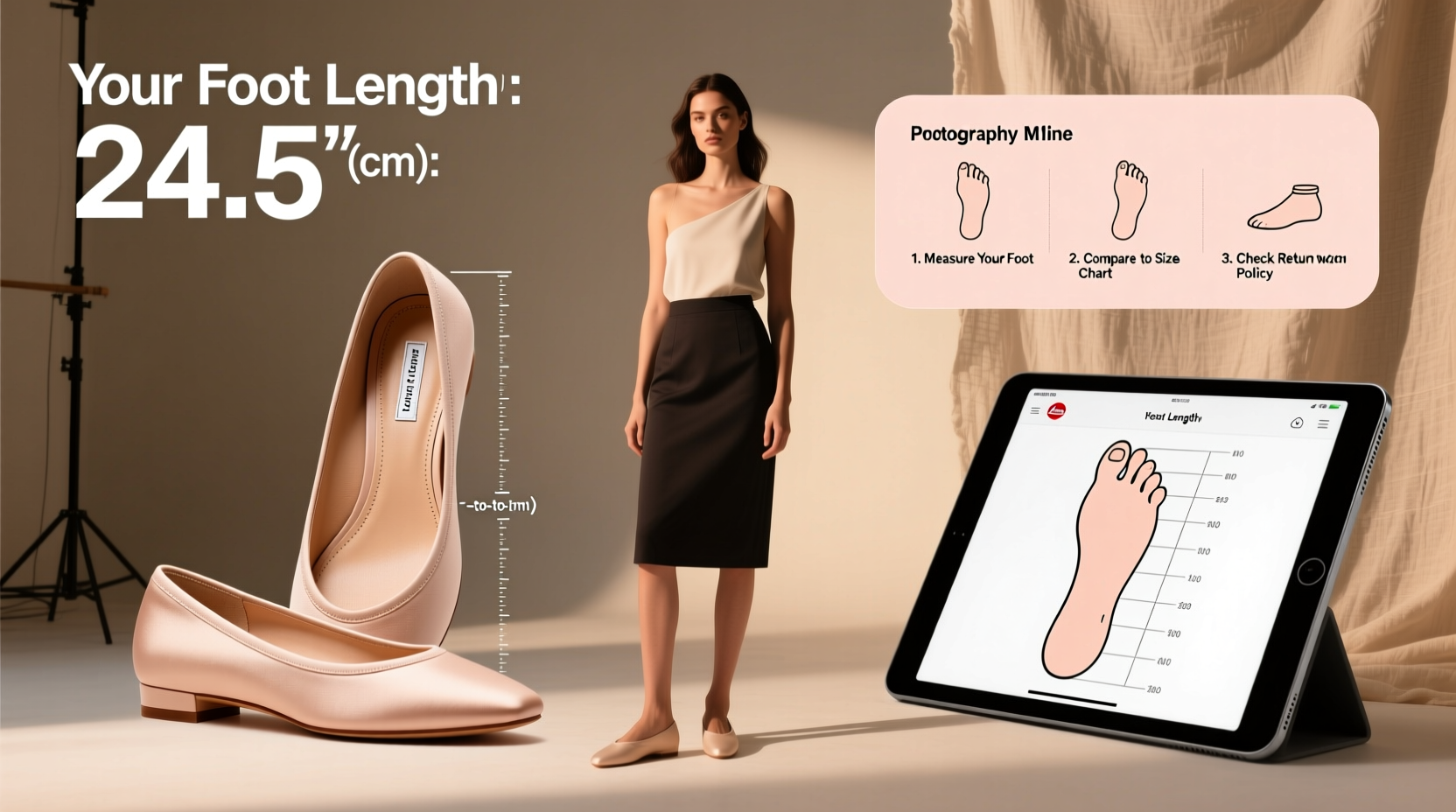
How you measure is the foundation for how to choose the right sneaker size online without trying.
Tools needed:
- A sheet of paper larger than your foot
- A pen or pencil
- A ruler or tape measure
- A measuring tape for width (optional)
Step-by-step:
- Place paper on the floor against a wall. Stand with your heel touching the wall.
- Mark the longest part of your foot (usually the big toe or second toe).
- Measure from the wall to the mark in centimeters or inches. That gives foot length.
- For width, wrap a tape measure around the widest part of your forefoot and record that value.
- Measure both feet and use the larger measurement.
Convert length to insole or EU/US sizes using a brand chart. Save the numbers—most stores ask for foot length or insole length. I keep a note in my phone with my foot length and shoe sizes by brand. That saved me many returns.

How to use brand size charts and conversions
Brands vary a lot. That’s why brand charts are essential when figuring out how to choose the right sneaker size online without trying.
How to use charts:
- Find the brand’s official size chart on the product page.
- Match your measured foot length to the chart’s recommended size.
- If your measurement falls between sizes, choose the larger for athletic shoes, smaller for narrow styles.
- Look for “insole length” or “last length” if available—these are more reliable than generic EU/US sizes.
Conversion tips:
- Don’t rely on generic converters—use the brand’s chart.
- Remember that a US men’s 9 can be different across brands.
- If a brand provides both foot length and internal length, prioritize internal length.
Always check the product notes for “fits small” or “runs large.” Those flags are honest clues from brands and reviewers. When I buy new brands, I size up or down based on their chart and reviews.

Fit factors beyond length: width, volume, and shape
Length is not everything. To truly know how to choose the right sneaker size online without trying, consider width, arch, and foot volume.
Key fit elements:
- Width: Regular, narrow, wide, extra wide. A wide foot in a narrow shoe causes pain.
- Volume: Some shoes are shallow across the instep; others are roomy.
- Toe box shape: Pointed, rounded, or square toe boxes change comfort.
- Arch and heel cup: High arches need more support; a sloppy heel cup leads to slipping.
How to account for them online:
- Read product specs for width options.
- Look for photos showing toe box shape.
- Use reviewer photos and comments for clues about volume.
- Choose half size up if you have high instep or thick socks.
From experience, I learned to prefer a roomy toe box for long walks and a snuger fit for speed shoes. Small choices matter.

Reading reviews and using return policies to your advantage
Reviews are gold when you can’t try sneakers in person. They help you learn how to choose the right sneaker size online without trying.
What to look for in reviews:
- Specific measurements: reviewers who list their foot length and the size they bought.
- Comments that mention "true to size," "runs small," or "roomy toe box."
- Photos showing how the shoe looks on feet.
- Review timestamps—newer reviews reflect current models.
Use return policies:
- Favor stores with easy, free returns for first-time buys.
- Keep packaging in case you need to return.
- If a store has a "try at home" window, use it.
I once kept the box and returned two sizes before finding the perfect fit; easy returns made that painless.
Tools and tech: apps, printable guides, and AR
New tools can make how to choose the right sneaker size online without trying much easier.
Useful tech:
- Printable measuring guides that show insole length.
- Sizing apps that use your phone camera to measure foot length.
- AR tools that overlay shoe size or fit on a foot image.
- Community fit databases where users share sizes by model.
Limitations:
- Camera apps vary in accuracy.
- AR can misrepresent volume and width.
- Printable guides require careful printing at 100% scale.
I’ve tried a few apps. They helped me narrow down sizes, but I still cross-check with brand charts and reviews.
Step-by-step checklist to buy sneakers online with confidence
Follow this checklist when learning how to choose the right sneaker size online without trying.
- Measure both feet and note the larger length and width.
- Check the brand’s size chart and match your measurements.
- Read product notes and reviews for sizing cues.
- Consider foot shape: choose wider or half-size up if needed.
- Verify return policy and shipping windows.
- Order the most likely size first. Keep the box for returns.
- Test at home with the socks you’ll wear and walk on carpet.
This routine cut my return rate by more than half. It’s fast and reliable.

Quick PAA-style questions (People also ask)
What if one foot is bigger than the other?
Always size to the larger foot. A slightly larger shoe prevents pressure and pain.
Should I size up for running shoes?
If your toes hit the front during a short run, size up a half. Running needs extra toe space for movement.
Do socks change the size I should order?
Yes. Thick socks can add volume. Measure with the sock type you plan to wear most.
Personal experience: mistakes I made and lessons learned
I bought two pairs the same size from different brands and felt one was tight. I learned three hard lessons:
- Measure length every time. Feet change with age and activity.
- Record brand-specific sizes. I keep a small spreadsheet with size notes.
- Trust reviewers who post measurements. They saved me from bad fits.
A practical tip I use: when trying shoes at home, stand and walk for at least five minutes on carpet and test for heel slip and toe comfort before deciding to return.
Related concepts, limits, and when to see a pro
Related ideas:
- Shoe lasts: the mold shapes each shoe’s fit.
- Orthotics: insoles change required size and volume.
- Break-in period: some leather shoes loosen over time.
Limitations:
- You cannot perfectly assess feel, cushioning, or long-term comfort online.
- Some fashion sneakers run unpredictably; try them in-store if possible.
See a podiatrist or shoe specialist if you have foot pain, structural issues, or need custom orthotics. They provide measurements and advice beyond general sizing tips.
Frequently Asked Questions of how to choose the right sneaker size online without trying
How do I know my shoe size without trying on shoes?
Measure your foot length and width at home, then use the brand’s size chart to match those numbers. Always prefer the larger foot measurement.
Should I always size up when buying online?
Not always. Size up if you are between sizes, have a high instep, or plan to wear thick socks. Otherwise use the brand chart and reviews.
How accurate are online size conversion charts?
They vary by brand and are best used as a guide. Use the brand’s exact chart and insole length if available for best accuracy.
Can I rely on customer photos for sizing?
Yes. Photos plus written measurements from reviewers are strong clues about fit and toe-box shape. Look for multiple similar comments.
What if the shoes feel tight at first?
If they hurt immediately, they’re likely the wrong size. Some materials stretch, but pain and numbness are signs to return or exchange.
Conclusion
Getting the right size online is a mix of careful measurement, smart use of brand charts, and reading honest reviews. Measure both feet, match numbers to the brand’s chart, mind width and volume, and use return policies as a safety net. Start using the checklist today and you’ll reduce returns and feel better in new sneakers faster. Try these steps on your next order, leave a comment with your sizing wins or questions, and subscribe for more practical shoe-fitting tips.

Rubel Miah is the Senior Editor at MyStyleGrid.com, where he brings a sharp editorial eye and an unshakable love for fashion to everything he does. A true style addict, Rubel lives and breathes trends, from streetwear to high fashion, and has a knack for turning inspiration into impactful stories. With years of experience in fashion journalism and digital media, he curates content that empowers readers to express themselves through style. When he’s not editing features or forecasting the next big thing, you’ll find him hunting down vintage pieces or capturing street style moments around the city.