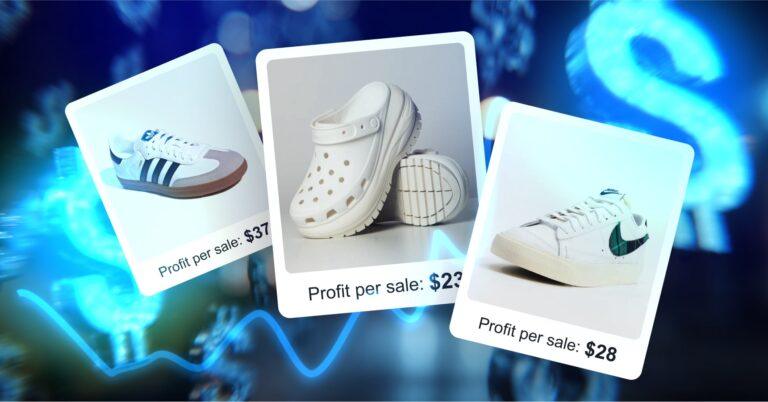
Start reselling sneakers by studying demand, finding authentic pairs, pricing costs, and selling through trusted marketplaces.
How to start reselling sneakers is less about chasing every new release and more about building a repeatable business system. You need market research, reliable sourcing, careful authentication, smart pricing, and excellent customer service.
The sneaker market can be exciting, but it is not risk-free. Fees, shipping costs, fake pairs, changing trends, and unsold inventory can reduce your profit quickly. This guide explains how to start reselling sneakers with a practical plan that protects your money and helps you grow with confidence.
What Is Sneaker Reselling?
Sneaker reselling means buying shoes at one price and selling them later at a higher price. The difference between your selling price and total costs is your profit.
Resellers may buy sneakers from retail stores, brand websites, raffles, outlet stores, authorized retailers, or private sellers. They then sell the shoes through online marketplaces, social media, local sneaker groups, or their own websites.
The business usually focuses on limited or popular shoes. Examples include:
• Nike Dunk and Air Jordan releases
• Adidas Yeezy and Campus models
• New Balance collaborations
• ASICS limited editions
• Premium streetwear and designer sneakers
• Vintage or discontinued sneakers
The key word is demand. A limited shoe is not always profitable. Color, size, condition, release timing, and current fashion trends all affect its resale value.
When learning how to start reselling sneakers, think of each pair as inventory. Inventory uses your cash until it sells. That means a shoe can look valuable but still hurt your business if it sits for months.
Is Sneaker Reselling Still Profitable?
Sneaker reselling can be profitable, but easy money is not guaranteed. The market has changed from the fast growth seen during some earlier release cycles. Buyers are now more careful, fees are higher, and many releases have larger supplies.
Profit depends on several factors:
• Your purchase price
• The shoe’s current demand
• Your size run
• Marketplace fees
• Shipping and packaging costs
• The time needed to sell
• The risk of returns or disputes
For example, imagine you buy a pair for $150 and sell it for $220. That does not mean your profit is $70.
Your real calculation may look like this:
• Sale price: $220
• Marketplace fee: $24
• Shipping and packaging: $15
• Purchase cost: $150
• Estimated profit: $31
Taxes may also apply. Your exact tax duties depend on your business structure, location, and total income. Keep accurate records and speak with a qualified tax professional when needed.
A useful rule is to avoid buying based on hype alone. Check actual sold prices instead of relying only on listed prices. A seller may ask $300 for a shoe, but that does not mean buyers are paying $300.
How to Start Reselling Sneakers Step by Step
A clear process makes how to start reselling sneakers far less confusing. Begin small, test your system, and improve after every sale.
1. Learn the Sneaker Market
Spend time studying brands, models, sizes, and release patterns. Follow official brand calendars and watch resale prices before and after launches.
Pay attention to:
• Recent sale prices
• The number of active listings
• Average selling time
• Retail price
• Release quantity
• Popular sizes
• Color and collaboration appeal
Do not assume every size has the same value. A common men’s size may sell quickly, while an unusual size may take longer. Some women’s, youth, and children’s sizes also have strong demand.
2. Choose a Focus
New resellers often try to sell every type of sneaker. That can create confusion and tie up cash.
Start with one area, such as:
• Jordan retros
• Nike lifestyle shoes
• Running sneakers
• Vintage pairs
• Kids’ sneakers
• Local collectible releases
A focus helps you recognize good deals faster. It also makes your listings and social media content more useful to a specific audience.
3. Set a Starting Budget
Only use money you can afford to leave in inventory. Do not use rent money, emergency savings, or high interest credit to chase releases.
A small starting budget of $300 to $1,000 can be enough to test the process. You may begin with one or two pairs rather than buying a large collection.
Divide your budget into categories:
• Inventory
• Shipping supplies
• Marketplace fees
• Authentication or inspection
• Transportation
• Taxes
• Emergency cash
Cash flow matters more than looking successful. Ten unsold pairs can be less useful than two pairs that sell quickly and return your money.
4. Find Reliable Sources
The safest sources are official retail channels and trusted sellers. These may include brand websites, retail raffles, authorized stores, outlet locations, and established sneaker events.
You can also buy used or older sneakers from private sellers. However, these purchases require more skill. Ask for clear photos, proof of purchase when available, and details about wear, odors, repairs, and storage.
Avoid deals that seem far below market value. A very cheap pair may be fake, stolen, damaged, or impossible to verify.
5. Check Authenticity
Authentication is one of the most important parts of how to start reselling sneakers. Selling counterfeit shoes can lead to lost money, account bans, legal problems, and damaged trust.
Check the following areas:
• Box label and product code
• Stitching quality
• Shape and materials
• Insole print
• Tongue label
• Midsole details
• Shoe tags
• Accessories and packaging
• Seller history
Product codes should match the box and the shoe. Still, a matching code does not prove authenticity because counterfeiters can copy labels.
For expensive pairs, consider a professional authentication service or a marketplace that offers authentication. Never claim a shoe is authentic if you are unsure. Transparency protects both you and the buyer.
6. Calculate the Full Cost
Before buying, estimate the full cost of the deal. This is called your landed cost.
Include:
• Purchase price
• Sales tax
• Shipping to you
• Marketplace fees
• Shipping to the customer
• Packaging
• Authentication costs
• Payment processing fees
• Possible return costs
A simple profit formula is:
Profit = Selling price − Total cost
You can also calculate return on investment:
ROI = Profit ÷ Total cost × 100
For example, if your total cost is $170 and your expected profit is $30, your ROI is about 17.6%.
Set a minimum profit target before buying. Some sellers prefer a dollar target, such as $30 per pair. Others use a percentage target, such as 20%. The right number depends on your risk, speed, and business goals.
7. Buy the Right Inventory
Do not buy a sneaker simply because it is popular online. Study its actual demand.
Look for:
• Strong recent sales
• Stable prices
• Good buyer reviews
• A reasonable retail-to-resale gap
• Sizes that sell often
• Low signs of market decline
Avoid buying too many pairs of one release at first. If prices fall, you could lose most of your working capital at once.
A practical approach is to buy one pair, list it, and track how long it takes to sell. This gives you real information about demand.
8. Create Accurate Listings
A good listing answers the buyer’s questions before they ask.
Include:
• Brand and model
• Colorway
• Size
• Condition
• Original box status
• Accessories
• Purchase source
• Clear photos
• Shipping time
• Return details
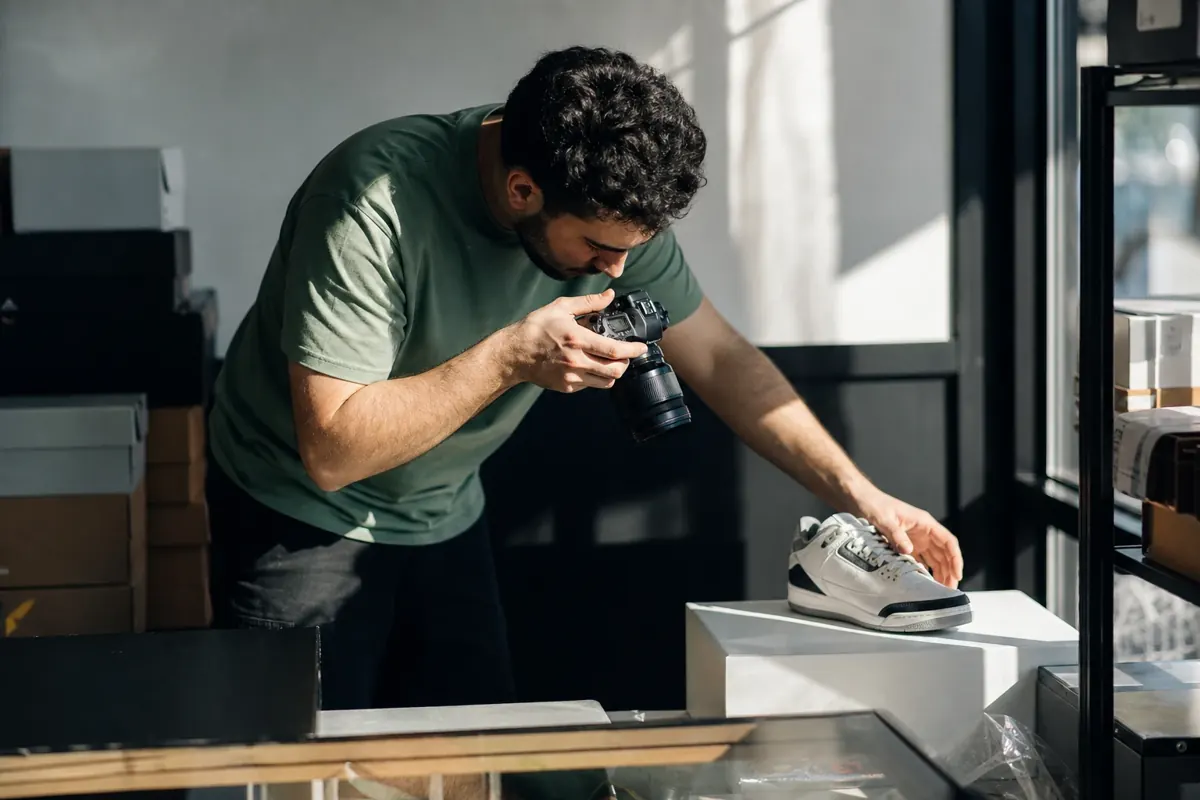
Use natural light and photograph every important angle. Show the outsole, box label, size tag, insoles, and any flaws.
Never hide damage. A small stain is easier to manage when disclosed than when a buyer discovers it after delivery.
9. Ship With Care
Use a strong shipping box rather than placing a sneaker box inside a thin mailer. Protect the original shoe box with paper or bubble wrap when needed.
Keep proof of shipment and use tracking. For high value orders, follow the platform’s rules for signature confirmation and insurance.
Before shipping, photograph the shoes, box, and shipping label. This record can help if a dispute occurs.

Where to Buy Sneakers for Resale
Your sourcing strategy can decide whether you make money. The best source is not always the one with the lowest price. It is the one that offers reliable authenticity, fair terms, and repeat access.
Retail Releases and Raffles
Retail releases can offer strong margins because you buy close to the original retail price. Many brands use raffles, member draws, or online launch systems.
The disadvantages include low win rates and strong competition. Never assume you will win a release, and do not build a business plan around one lucky purchase.
Outlet Stores
Outlet stores may offer older models, factory variations, or discounted stock. Inspect every pair for defects and confirm the return policy.
Outlet inventory can be profitable when you understand local demand. It can also sit for a long time if the model is outdated.
Consignment and Sneaker Events
Consignment stores and sneaker conventions let you inspect pairs in person. You can ask questions and compare prices before buying.
However, some sellers charge higher prices because they provide convenience. Check recent sold data before accepting a deal.
Private Sellers
Private sellers may offer valuable older or used pairs. Meet in a safe public place and inspect the shoes carefully.
Be cautious with rushed deals, stock photos, strange payment requests, and sellers who refuse detailed photos. Never send money through an unsafe payment method without buyer protection.
Online Marketplaces
Online marketplaces provide access to a large selection. They can also expose you to counterfeit goods and poor descriptions.
Check seller ratings, buyer protection rules, return policies, and authentication procedures. Save screenshots of the listing and messages for your records.
Best Platforms for Selling Sneakers
The best platform depends on your product, customer, fees, and preferred workflow. There is no single best option for every reseller.
Large Resale Marketplaces
Large platforms can provide access to buyers who already want sneakers. Some also offer authentication, which may increase buyer confidence.
The tradeoffs are:
• Selling fees
• Processing delays
• Shipping requirements
• Possible disputes
• Platform policy changes
Read the current fee schedule before setting your price. Fees may vary by seller level, product category, location, and sale price.
General Marketplaces
General marketplaces may work well for used sneakers, affordable pairs, and local sales. They often give you more control over photos and descriptions.
They may also require more work from you. You may need to handle authentication questions, customer service, returns, and payment concerns yourself.
Social Media
Social media can help you build a loyal customer base. Post clear photos, honest condition notes, price updates, and educational content.
Do not treat social media as a shortcut around buyer protection. Use secure payment methods and keep written records of each sale.
Your Own Website
A website gives you more control over branding and customer data. It can be useful after you have steady inventory and repeat buyers.
A website also creates new duties. You must manage payments, taxes, policies, fraud prevention, shipping, and customer support.
How to Price Sneakers for Resale
Pricing is both a math problem and a timing decision. A high price may create more profit per sale, but it can also slow your cash flow.
Start with recent sold listings. Compare the same model, condition, size, and market. Do not compare a deadstock pair with a heavily worn pair.
Use this pricing process:
- Find several recent completed sales.
- Remove unusually high or low prices.
- Estimate all selling costs.
- Set a minimum acceptable profit.
- List slightly above your target if negotiation is common.
- Review the price each week.
Watch the spread between the highest buyer offer and the lowest seller listing. A small spread often means the market is active and competitive. A large spread may signal uncertainty or weak demand.
Price drops are not always a failure. Sometimes selling at a small profit protects your cash and lets you invest in a better opportunity.
How to Market Your Sneaker Reselling Business
Trust is your strongest marketing tool. Buyers want to know that the shoes are real, accurately described, and shipped on time.
Build trust by:
• Showing clear product photos
• Sharing proof of authenticity when appropriate
• Using consistent usernames and branding
• Responding to messages quickly
• Posting customer feedback
• Explaining your condition ratings
• Offering clear policies
Educational content can attract buyers without feeling like an advertisement. You might explain how to clean suede, how Jordan sizing works, or how to spot common flaws.
Avoid fake countdowns, false scarcity, and claims such as “guaranteed investment.” Sneakers are consumer goods. Their prices can fall due to new releases, changing trends, economic pressure, or increased supply.
Customer service also affects profit. A buyer who has a smooth experience may return. A buyer who feels misled can create costly disputes and negative reviews.

Common Mistakes New Sneaker Resellers Make
Learning how to start reselling sneakers includes learning what not to do. These mistakes can reduce profit before your business gains momentum.
Buying Based on Hype
Online excitement does not always become strong sales. Check completed transactions and sales speed before buying.
Ignoring Fees
Many new sellers calculate profit from retail price and resale price only. This creates a false picture of their earnings.
Holding Inventory Too Long
A pair can lose value while you wait for a higher price. Set a review date and decide when to sell, hold, or reduce the price.
Buying Fakes
Counterfeits can look convincing. Develop authentication skills and use professional services for costly pairs.
Mixing Personal and Business Money
Separate your sneaker funds from household money. A separate bank account and simple spreadsheet can make records easier.
Neglecting Taxes
In the United States, selling goods for profit may create tax responsibilities. Keep receipts, shipping records, platform statements, and expense records. Rules vary, so ask a tax professional for advice based on your situation.
Breaking Platform Rules
Do not create false tracking numbers, sell prohibited goods, manipulate reviews, or misrepresent condition. A banned account can stop your business overnight.
Tools for a Small Sneaker Reselling Business
You do not need expensive software at the start. A simple system can handle your first sales.
Useful tools include:
• A spreadsheet for costs, inventory, and profit
• A phone with a good camera
• A measuring tape
• Shipping labels and a small scale
• Storage shelves or clear boxes
• Cleaning supplies for used pairs
• Price tracking tools
• A calendar for release dates
• A separate business bank account
Track each pair with an inventory number. Record the purchase date, cost, size, condition, listing price, sale price, fees, and final profit.
Use a simple status system:
• Sourced
• Needs inspection
• Listed
• Sold
• Shipped
• Completed
This system prevents lost orders and forgotten inventory. It also shows which models and sizes perform best.
A Simple 30-Day Plan
A short plan can turn research into action.
Days 1 to 7: Study
• Learn basic sneaker terms
• Choose one niche
• Review recent sold prices
• Compare marketplace fees
• Study authentication guides
• Create a basic profit spreadsheet
Days 8 to 14: Prepare
• Set your budget
• Open seller accounts
• Buy shipping supplies
• Create a clean seller profile
• Identify safe sourcing options
• Write a basic return policy
Days 15 to 21: Buy Carefully
• Purchase one or two test pairs
• Inspect them before listing
• Photograph every angle
• Record your full cost
• List with accurate details
Days 22 to 30: Review
• Track views and offers
• Respond to buyers
• Ship quickly after each sale
• Calculate your real profit
• Note what worked and what failed
• Reinvest only after reviewing your results
The goal of the first month is not to look like a major store. The goal is to build a process you can repeat.
How Much Money Do You Need to Start?
You can learn how to start reselling sneakers with a modest amount of money. Your budget should match your risk level and product choice.
A basic starting budget may include:
• $300 to $700 for inventory
• $30 to $75 for shipping materials
• $20 to $50 for cleaning supplies
• A reserve for fees and returns
You may need more if you plan to sell premium vintage sneakers or hold several sizes.
Start with products you understand. A lower priced pair that sells in two weeks may be better than an expensive pair that sits for six months.
Reinvest part of your profit, but keep a reserve. A healthy business does not put every dollar back into inventory.
Frequently Asked Questions About How to Start Reselling Sneakers
Is sneaker reselling legal?
Yes, buying authentic sneakers and reselling them is generally legal in the United States. You must still follow marketplace rules, consumer protection laws, tax requirements, and trademark laws.
How do I know which sneakers are profitable?
Check recent completed sales, average selling time, retail price, fees, and size demand. A sneaker is profitable only when the final sale price is higher than your complete cost.
Can I start sneaker reselling without a business license?
Rules vary by state, city, and business type. You may need a sales tax permit, business registration, or local license, so check official local guidance before selling at scale.
What is the safest place to sell sneakers?
A platform with strong buyer protection and authentication can reduce risk, but it may charge higher fees. Choose a marketplace after comparing its current policies, payout rules, shipping process, and dispute system.
Should I sell new or used sneakers?
New sneakers are often easier to price and market, while used sneakers may offer better buying opportunities. Used pairs require honest condition grading, cleaning skills, and clear photos.
How can I avoid counterfeit sneakers?
Buy from trusted sources, compare product details, inspect labels and construction, and use professional authentication for expensive pairs. Never sell a pair when you are uncertain about its authenticity.
How long does it take to make money reselling sneakers?
Some pairs sell within hours, while others take weeks or months. Your results depend on sourcing, pricing, demand, platform choice, season, and available cash.
Conclusion
How to start reselling sneakers comes down to a few core habits: study real sales data, buy authentic inventory, calculate every cost, write honest listings, and protect your cash flow. Start with a small budget and use each sale as a lesson.
Do not chase every release. Build knowledge in one niche, serve buyers well, and make decisions based on evidence rather than hype. Use the 30-day plan to list your first pairs, track your results, and improve your system.
Explore trusted sneaker marketplaces, keep learning about authentication and pricing, and share your progress or questions in the comments.

Madison Clark is a footwear expert and the voice behind MyStyleGrid.com. She specializes in honest shoe reviews, style tips, and practical guides to help readers find the perfect pair for any occasion. With years of experience in blogging and content creation, Madison makes footwear knowledge simple, stylish, and easy to follow.