Use gentle heat, moisture, or a stretcher to widen and lengthen tight shoes safely and effectively.
I have spent years testing and repairing footwear for friends, family, and clients. In this guide I explain how to stretch a shoe that is too small with clear, safe methods you can use at home or with a pro. You’ll get step-by-step routines for leather, suede, canvas, and synthetics, plus tips to avoid damage and when to stop. Read on to save a favorite pair or avoid painful blisters.

Why shoes feel too small
Shoes can feel tight for many reasons. Sometimes the size is wrong. Other times the shoe shape does not match your foot. New shoes often have stiff materials that need to loosen up.
Common causes of tight shoes:
- Narrow last or narrow toe box. This makes the front feel crushed.
- Stiff leather or synthetic uppers. They need breaking in.
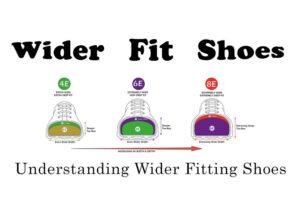
- Wrong size in width rather than length. Shoes can be long but tight across the foot.
- Foot swelling from heat, long walks, or medical conditions.
Knowing the real reason will guide how to stretch a shoe that is too small. If the shoe is only a little snug, stretching can work well. If it is several sizes too small, replacement is safer.

Before you try stretching: check fit and material
Not all shoes can be stretched the same way. Start by checking these points.
How to check:
- Look at the material. Leather stretches more than synthetic fabric.
- Check construction. Stitched soles and glued linings react differently.
- Try socks. A thicker sock can reveal if slight stretching will help.
- Test pressure points. Pinch the toe box and sides to find tight spots.
Avoid stretching shoes with delicate decorations, glued layers that will split, or thin plastic components. If you are unsure about the material or the value of the shoe, consider professional help.

Safe methods to stretch shoes at home
Use a method that matches the shoe material. Below are safe, tested techniques.
Shoe stretcher (best and safest)
- Description: A mechanical stretcher fits inside the shoe and expands width and length.
- How to use: Insert, turn the key slowly, leave 24 hours. Repeat until desired fit.
- Benefits: Even, controlled stretching with low risk of damage.
Heat and wear method (good for leather)
- Description: Warm the shoe gently and wear it with thick socks.
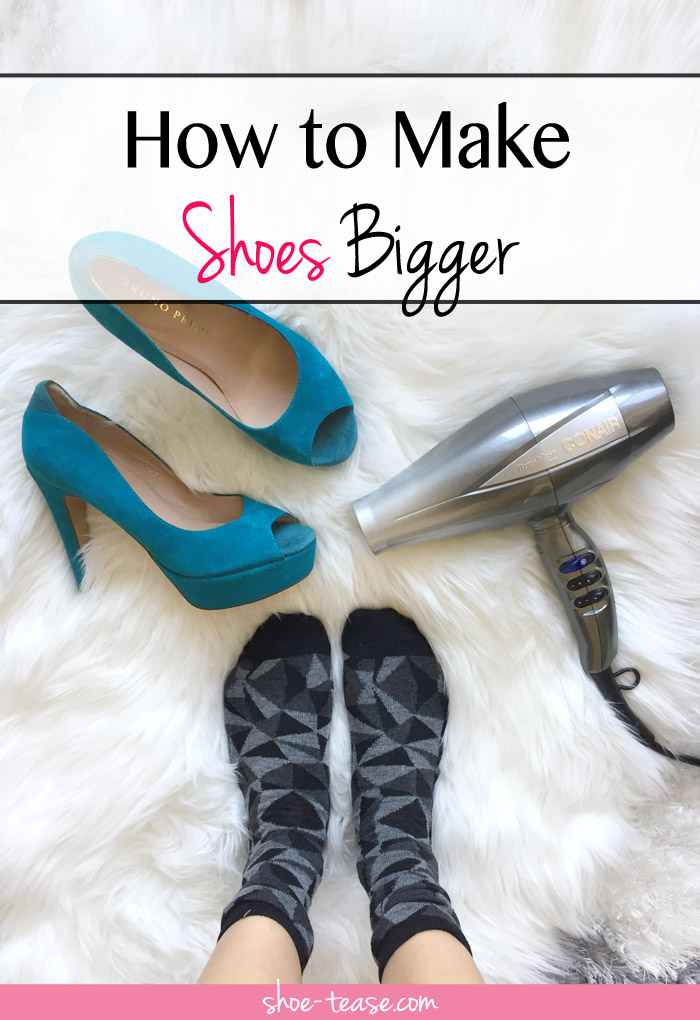
- How to use: Warm with a hair dryer for 20–30 seconds while moving the foot. Walk for 20–30 minutes.
- Benefits: Softens fibers and molds to your foot. Avoid direct high heat near glue.
Freezer method (simple for snug fit)
- Description: Fill sealed bags with water, place inside shoe, and freeze.
- How to use: Fill two freezer bags about two-thirds full. Insert in shoe, freeze overnight, let thaw slightly, remove bags.
- Benefits: Water expands and gently widens the shoe. Works well for leather and some synthetics.
Alcohol or steam method (for fabric)
- Description: Lightly mist inside with rubbing alcohol or steam to relax fibers.
- How to use: Spray a small amount or steam from a kettle while shaping with your hands or a stretcher.
- Benefits: Fabric becomes more pliable. Avoid soaking.
Shoe stretching spray
- Description: Sprays soften material so it stretches easier.
- How to use: Spray sparingly on tight areas, wear or use a stretcher.
- Benefits: Quick and targeted. Often safer than heat for some materials.
Professional stretching
- Description: Cobbler uses machines and tools for larger adjustments.
- How to use: Take shoes to a cobbler and explain where they bind.
- Benefits: Best for expensive or delicate shoes and for major size adjustments.
Limitations and risks:
- Overstretching can deform shoes or weaken seams.
- Heat can melt glue or damage finishes.
- Freezing can crack rigid materials.
- Some synthetics and molded shoes cannot be stretched.
These methods cover how to stretch a shoe that is too small for most common materials. Test any method on a small area first.
Step-by-step: how to stretch a shoe that is too small
Follow these clear steps for a predictable result. This routine is for leather and similar uppers.
- Prepare the shoe
- Clean dirt and dry the shoe. Remove insoles if possible.
- Check for damage and loose glue lines.
- Choose your method
- Use a shoe stretcher for most cases. Use heat and wear for mild tightness.
- For targeted toe-box issues, combine stretcher with a bump or pad.
- Stretch slowly
- If using a stretcher, expand in small turns. Stop every few hours to check fit.
- If using hairdryer and socks, apply warm air for 20–30 seconds, then wear the shoe with thick socks for 20–30 minutes.
- Allow time to set
- Leave shoes on the stretcher or wear them intermittently over 24–48 hours.
- Re-check fit and repeat if needed. Small increments give best results.
- Finish and protect
- Condition leather after stretching to restore moisture.
- For suede, use a suede brush to raise the nap.
- Reinsert insoles or add thin padding for comfort.
Practical timeline:
- Mild stretch: one session and wear for a day.
- Moderate stretch: two to three sessions across a week.
- Major adjustments: professional help and several days.
From my experience, patience matters most. Rushing heat or over-expansion causes more harm than help.
When to stop and when to seek professional help
Know the limits. Some shoes should not be forced.
Signs to stop:
- Seams pulling or splitting.
- Glue lines separating or sole detaching.
- Material cracking or discoloring.
Seek help when:
- The shoe is several sizes too small.
- The shoe is expensive or sentimental.
- You need widening across the entire forefoot or major length change.
A professional cobbler has machines to stretch boots and shoes evenly. A podiatrist can advise if foot pain is linked to shoe fit. Use pro help rather than risking permanent damage.
Maintenance and prevention tips
Keeping shoes comfortable is easier than fixing them. Use simple habits to avoid tightness.
Daily care tips:
- Wear shoes with socks to break them in gradually.
- Rotate shoes to let them rest and regain shape.
- Use leather conditioner to keep material supple.
- Invest in a quality shoe stretcher for recurring issues.
Buying tips to avoid future problems:
- Measure feet at the end of the day when they are at their largest.
- Choose shoes with a roomy toe box and proper width.
- Try shoes with your usual socks and walk around the store for several minutes.
These steps help prevent the need to learn how to stretch a shoe that is too small later on.
Frequently Asked Questions of how to stretch a shoe that is too small
How long does it take to stretch a shoe at home?
Most mild stretches take a few sessions over 24–72 hours. Major stretching may need repeated attempts or professional help.
Can I safely use a hairdryer to stretch leather shoes?
Yes, but keep the heat low and move the dryer constantly. Overheating can damage glue and dry out leather.
Will the freezer method work on all shoes?
The freezer method works best on leather and some synthetics but not on rigid plastic or shoes with glued layers. Test one shoe first.
How much can a stretcher really change shoe size?
A good stretcher can safely add about half a size to a full width and some length. Bigger changes often need a cobbler.
Can stretching fix pain from bunions or hammertoes?
Stretching can relieve pressure in targeted areas, but severe foot conditions may need custom shoes or orthotics. Consult a podiatrist for persistent pain.
Is it safe to use rubbing alcohol or solvents to stretch fabric shoes?
Light misting with rubbing alcohol can relax fibers, but avoid soaking materials or printed finishes. Always test a small area first.
Conclusion
Stretching tight shoes is often a practical, low-cost fix when done carefully. Start by identifying the material and fit issue, pick the right method, and stretch slowly with patience. If a shoe shows signs of damage or is too small by several sizes, seek a cobbler or podiatrist. Try one safe method today, and save your shoes from the bin — then share what worked for you or ask a question below to get tailored tips.

Rubel Miah is the Senior Editor at MyStyleGrid.com, where he brings a sharp editorial eye and an unshakable love for fashion to everything he does. A true style addict, Rubel lives and breathes trends, from streetwear to high fashion, and has a knack for turning inspiration into impactful stories. With years of experience in fashion journalism and digital media, he curates content that empowers readers to express themselves through style. When he’s not editing features or forecasting the next big thing, you’ll find him hunting down vintage pieces or capturing street style moments around the city.