Use stretchers, heat, and targeted sprays while wearing thick socks to ease the instep.
I’ve worked with dozens of boots over the years and helped friends, clients, and myself loosen tight insteps without ruining the leather or fit. This guide covers why the instep feels tight, safe tools and methods, step-by-step routines, mistakes to avoid, and when to get professional help. If you want clear, practical steps on how to stretch boots that are too tight in instep and actually keep them wearable, read on — I’ll walk you through everything I’ve learned the hard way and the smart way.

Understand the instep and why boots feel tight
The instep is the top middle part of your foot. It sits between the toes and the ankle. Boots can feel tight here for three main reasons:
- Narrow last or wrong last shape for your foot.
- Stiff materials that have not broken in, like thick leather or heavy synthetics.
- High-volume feet or swelling, especially after walking or standing.
Tightness in the instep causes pressure across the top of the foot. That leads to pain, blisters, and poor circulation. Knowing this helps you pick the best method for how to stretch boots that are too tight in instep.

Tools and materials you’ll need
Use the right tools to avoid damage. Common useful items:
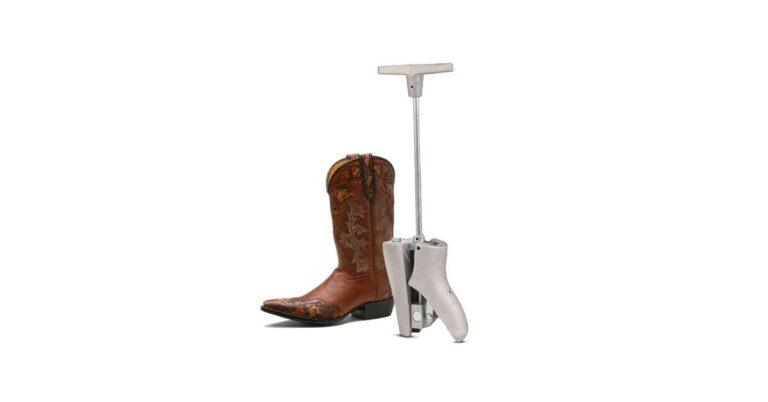
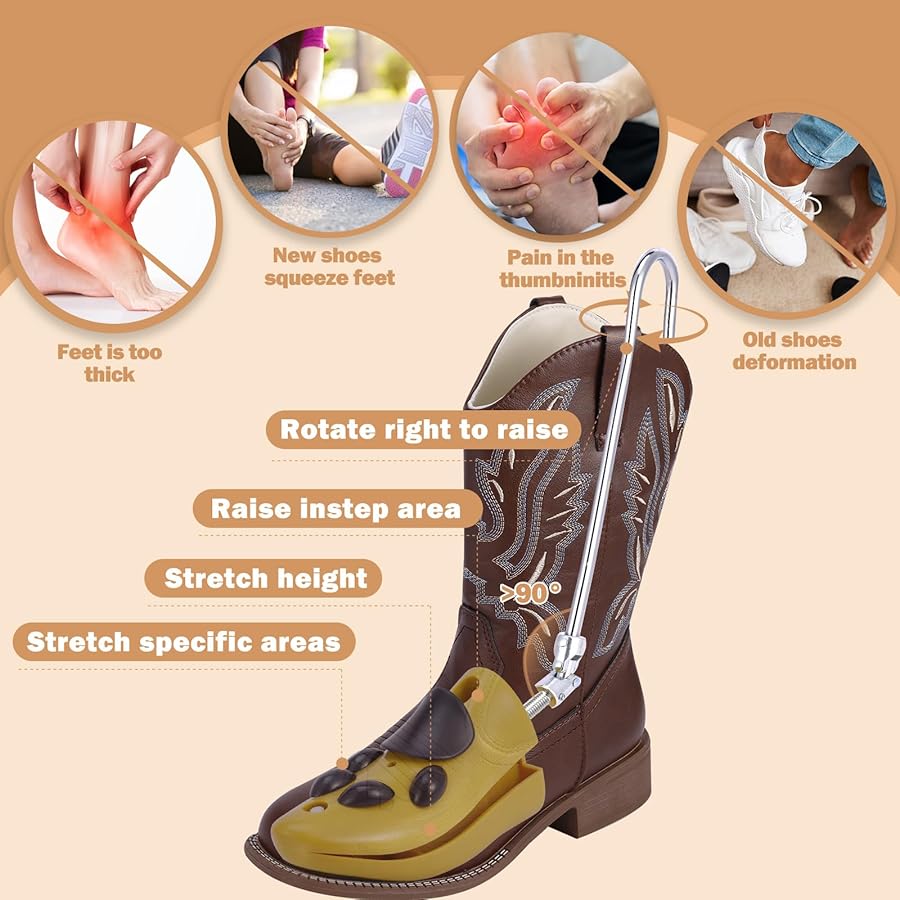
- Boot or shoe stretcher with an instep knob for bumping the top area.
- Stretching spray or leather conditioner to soften fibers.
- Thick wool socks or two pairs of socks for wearing while heating.
- Blow dryer or heat gun on low setting.
- Rubbing alcohol or warm water in a spray bottle for temporary pliability.
- Zip-top bags and water for the freezer method (for some synthetics).
- Shoe trees, toe blocks, and insoles to adjust internal volume.
Keep tools simple and safe. Pick a stretcher that specifically mentions instep or vamp expansion when possible. These choices make stretching more precise when you search for how to stretch boots that are too tight in instep.
Methods to stretch boots that are too tight in instep
There are several reliable methods. Pick one based on material and how much stretch you need.
Use a professional boot/stretcher (recommended)
- Insert a boot stretcher into the boot. Make sure it has an instep or vamp attachment.
- Turn the crank slowly until you feel gentle resistance. Leave for 24–48 hours.
- Check fit and repeat until comfortable.
This is the safest method for leather. It provides even pressure and reduces the chance of cracking.
Go to a cobbler
- A cobbler can stretch the instep using professional machines and knowledge.
- They can spot-treat weak seams and rebond linings.
If boots are expensive or delicate, this is often the best option.
Heat and thick socks method
- Put on two thick socks. Wear the boots.
- Use a blow dryer on medium to warm the instep for 30–60 seconds while flexing your foot.
- Keep boots on until they cool down.
Heat softens leather and synthetic fibers. Do not overheat or use high heat on glued seams.
Alcohol or water spray and wear
- Spray the instep lightly with rubbing alcohol or warm water until damp, not soaked.
- Wear the boots and walk for 20–30 minutes.
- Repeat daily until the fit loosens.
Alcohol temporarily relaxes fibers. It evaporates quickly and is less likely to stain than water on some leathers.
Freezer method (select synthetics)
- Fill sealed zip bags with water about two-thirds full.
- Push the bags into the instep area so they press the upper outward.
- Place boots in the freezer overnight. Water expands and gently stretches the material.
This works well for many synthetics and some softer leathers. Avoid on delicate or glued construction.
Stretch sprays and inserts
- Apply a leather stretching spray to the instep.
- Insert a stretching paddle or inflatable stretcher that targets the vamp area.
- Leave in place as directed, often 24 hours.
Commercial sprays condition and help fibers move with stretchers.
Lacing and insole adjustments to relieve pressure
- Re-lace boots to lower pressure on the instep (skip the mid-eyelet to create a gap).
- Remove thick insoles or use lower-profile orthotics to free internal volume.
Small adjustments can make a big comfort difference without altering the boot permanently.

Step-by-step routine for safe, consistent results
Follow this routine when you need to stretch boots that are too tight in instep and want predictable results:
- Inspect the boot material and lining to choose a method.
- Remove insoles to test how much internal volume you have.
- Try non-invasive fixes first: re-lace, swap insoles, wear thicker socks.
- Apply a small amount of stretching spray or leather conditioner to the instep.
- Use a stretcher with an instep knob for 24–48 hours. Check progress daily.
- If using heat, apply low heat while wearing thick socks, then keep boots on until cool.
- Finish with leather conditioner to restore oils and prevent drying.
This plan balances safety and effectiveness when you learn how to stretch boots that are too tight in instep.

Common mistakes and cautions
Avoid these errors that cause damage or poor results:
- Overheating the leather or glued seams. High heat can melt adhesives and warp shapes.
- Soaking boots. Excess water can deform and ruin leather finishes.
- Applying too much force with stretchers. Increase stretch slowly over days.
- Skipping conditioning after stretching. Leather needs oils to retain suppleness.
- Using the freezer method on delicate leathers or stitched linings.
If you feel cracking, bubbling, or smell strong adhesive odors, stop and consult a cobbler. These warnings are important when deciding how to stretch boots that are too tight in instep.

When to seek a cobbler or replace the boots
Professional help is smart in these cases:
- High-end or vintage boots where value is at risk.
- Boots with glued construction, delicate stitching, or unusual linings.
- If repeated DIY attempts fail or make the boot worse.
- If the boot needs structural reshaping beyond a simple instep stretch.
A cobbler can restore shape, reinforce seams, and advise whether replacement is a better choice. When unsure, a short consult saves time and money.

My personal experience and lessons learned
Years ago I bought a pair of leather hiking boots that pinched my instep. I tried thick socks and heat first. That gave mild relief. A single session with a stretcher and targeted spray solved it long-term. Lesson learned:
- Start with low-impact fixes.
- Be patient. Stretching leather takes time.
- Invest in a good stretcher or cobbler for quality boots.
I prefer the stretcher-first approach for most leather boots. It keeps the boot’s shape and takes less trial and error when you need to know how to stretch boots that are too tight in instep.

Frequently Asked Questions of how to stretch boots that are too tight in instep
Will heating leather boots damage them?
Applied carefully, low heat won’t damage leather. Use a blow dryer on medium and move it constantly; stop if the leather feels too hot.
How long does it take to stretch the instep?
Most stretches show improvement in 24–48 hours with a stretcher. Heat or wearing methods may need several short sessions over a week.
Can I stretch suede or nubuck the same way?
Suede and nubuck are more delicate. Use a cobbler or gentler methods like a professional stretcher and avoid heavy water or heat.
Is stretching safe for glued soles?
Use caution. High heat or soaking can weaken glue. Consult a cobbler for glued-construction boots.
How much can I safely stretch the instep?
Expect one half to one full size of relief in most cases. Excessive stretching risks distorting fit in other areas.
Conclusion
You can make tight boots comfortable without wrecking them. Start with simple fixes like lacing and insoles, then move to stretchers, heat, or professional help as needed. Be patient, use the right tools, and avoid harsh methods that harm leather or glue. Try one controlled method at a time and check progress daily. If you liked this guide on how to stretch boots that are too tight in instep, try the recommended routine, share your results, or ask a question below — I’ll help troubleshoot.

Rubel Miah is the Senior Editor at MyStyleGrid.com, where he brings a sharp editorial eye and an unshakable love for fashion to everything he does. A true style addict, Rubel lives and breathes trends, from streetwear to high fashion, and has a knack for turning inspiration into impactful stories. With years of experience in fashion journalism and digital media, he curates content that empowers readers to express themselves through style. When he’s not editing features or forecasting the next big thing, you’ll find him hunting down vintage pieces or capturing street style moments around the city.