Stretching shoes for bunions is simple: use a stretcher, heat, or targeted padding to widen the toe box.
I have years of hands-on experience helping people make shoes fit without pain. This guide on how to stretch shoes for bunions explains safe methods, tools, and step-by-step techniques. I’ll walk you through causes of tight shoes, when stretching helps, what not to do, and real tips I learned while testing stretchers and shoe-repair services. Read on to learn practical, pain-free ways to make your shoes kinder to bunions.

Why stretching shoes for bunions matters
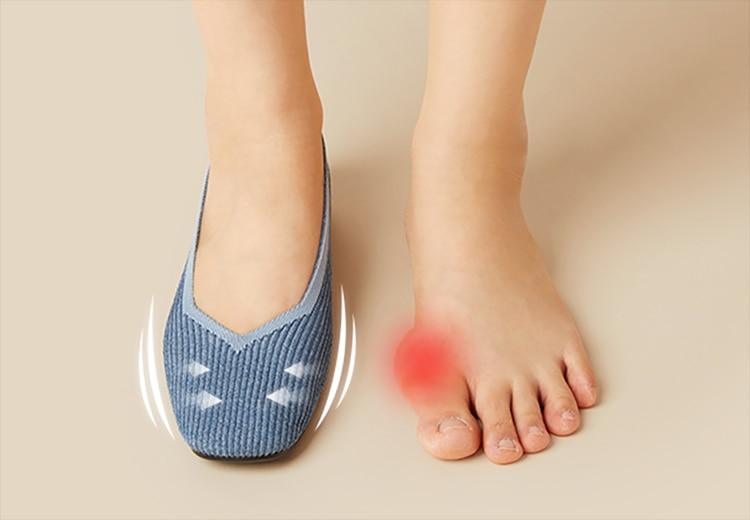
Bunions form when the big toe drifts toward the smaller toes. Tight shoes speed this process. Shoes with a narrow toe box push the joint outward and worsen pain. Stretching shoes for bunions relieves pressure. It creates space over the bunion. This reduces rubbing, inflammation, and blisters. When done right, stretching keeps you active and prevents short-term pain from turning into persistent problems.

When to stretch shoes for bunions and when to see a professional
Stretching works well for new shoes or mild to moderate bunion pain. If a shoe pinches only in the toe box, stretching can help. Severe bunions, persistent pain, or deformity need a podiatrist review. If you have diabetes, poor circulation, or numb feet, avoid DIY stretching. A professional can recommend custom orthotics or surgery when needed. Use stretching as a conservative step, not a replacement for medical care when symptoms are serious.

Safe methods to stretch shoes for bunions
Below are proven approaches to stretching shoes for bunions. Each method suits different materials and needs.
- Shoe stretchers
- Most reliable tool for widening toe boxes.
- Adjustable knobs let you target the bunion area.
- Good for leather and some fabric shoes.
- Heat and thick socks
- Warm the shoe with a hairdryer while wearing thick socks.
- Move your toes while the shoe cools to reshape the material.
- Best for soft leather and suede.
- Stretching spray or conditioner
- Use a product made to relax leather or synthetics.
- Spray inside the shoe where it pinches, then wear until dry.
- Works well with a shoe stretcher for added effect.
- Cobbler/professional stretching
- Cobbler machines provide precise stretch without damage.
- Professionals can stretch panels or add padding.
- Ideal for expensive or delicate shoes.
- Stuffing and the freezer method (limited use)
- Filling a bag with water and freezing expands the shoe gently.
- Use caution—this can warp some materials.
- Best as a last resort for sturdy leather only.

Step-by-step: how to stretch shoes for bunions at home
Follow these steps for a safe home stretch. Test gradually and check comfort frequently.
- Inspect and prepare
- Identify where the shoe pinches the bunion.
- Remove insoles for more room while testing.
- Use a shoe stretcher
- Insert the stretcher and set the bunion knob to the pressure point.
- Turn the handle slowly until you feel light resistance.
- Leave for 4–8 hours, then test fit.
- Combine heat and thick socks
- Put on thick socks and the shoe.
- Apply low heat with a hairdryer for 20–30 seconds over the bunion area.
- Walk around until shoes cool.
- Apply stretching spray and repeat
- Spray inside the tight area.
- Insert stretcher or wear sock method again.
- Repeat in small increments
- Stretch sessions of 2–3 times prevent over-stretching.
- Check fit and comfort after each session.

Materials and tools you’ll need
Gather these items before you start stretching shoes for bunions.
- Shoe stretcher with bunion plugs
- Thick socks
- Hairdryer (low heat setting)
- Leather stretching spray or conditioner
- Shoe inserts or toe protectors for testing fit
- Soft cloth and mild cleaner to protect the shoe surface

Precautions, limitations, and mistakes to avoid
Stretching helps many shoes but has limits. Know when not to stretch.
- Avoid stretching fragile synthetics
- Some materials will crack or delaminate.
- Don’t over-stretch
- Excessive force can ruin shape and support.
- Avoid DIY stretching with high heat on glued shoes
- Heat can melt adhesives and separate soles.
- If you have medical conditions
- People with diabetes or neuropathy should consult a clinician first.
- Be realistic about change
- Shoes with narrow last shapes may only widen a little.

Personal experience and practical tips
I once tested three pairs of dress shoes that pinched at the bunion. A two-way shoe stretcher with a bunion knob worked best. Heat-plus-socks helped break in leather but damaged a synthetic pair. I learned these lessons:
- Test on a low-stakes pair first.
- Use the stretcher overnight in controlled steps.
- Combine spray and stretcher for stubborn spots.
- Keep records of how many turns or minutes you used so you can repeat safe results.
These small practices saved money and kept my feet pain-free during long days on my feet.

Frequently Asked Questions of how to stretch shoes for bunions
How long does it take to stretch shoes for bunions?
Most stretches take several hours to overnight. Expect 2–3 sessions for noticeable comfort improvement.
Can I stretch any shoe for bunions?
No. Leather and some fabrics respond well. Thin synthetics and glued dress shoes may not stretch safely.
Will heat damage my shoes when stretching?
Heat at low settings can help leather. High heat or prolonged exposure can melt glue and warp materials.
Is a cobbler better than DIY for stretching shoes for bunions?
A cobbler offers precise, safe stretching for expensive or delicate shoes. DIY is fine for casual shoes and careful users.
Can stretching reverse a bunion?
Stretching only relieves pressure and pain. It does not reverse the bone deformity. For structural change, medical treatment is needed.
Will stretching change shoe width permanently?
Stretching can create permanent extra room in many shoes. Some materials may bounce back, so multiple sessions help make changes stick.
Conclusion
Stretching shoes for bunions is a practical, low-cost way to reduce pain and extend the life of your footwear. Use the right tools, go slow, and choose methods that match the shoe material. If pain continues or you have health issues, seek professional care. Try a safe stretch today and see how small changes can make big comfort gains. Share your experience, ask a question, or subscribe for more foot-health tips.

Rubel Miah is the Senior Editor at MyStyleGrid.com, where he brings a sharp editorial eye and an unshakable love for fashion to everything he does. A true style addict, Rubel lives and breathes trends, from streetwear to high fashion, and has a knack for turning inspiration into impactful stories. With years of experience in fashion journalism and digital media, he curates content that empowers readers to express themselves through style. When he’s not editing features or forecasting the next big thing, you’ll find him hunting down vintage pieces or capturing street style moments around the city.