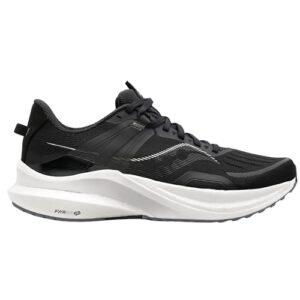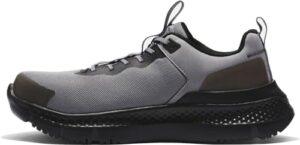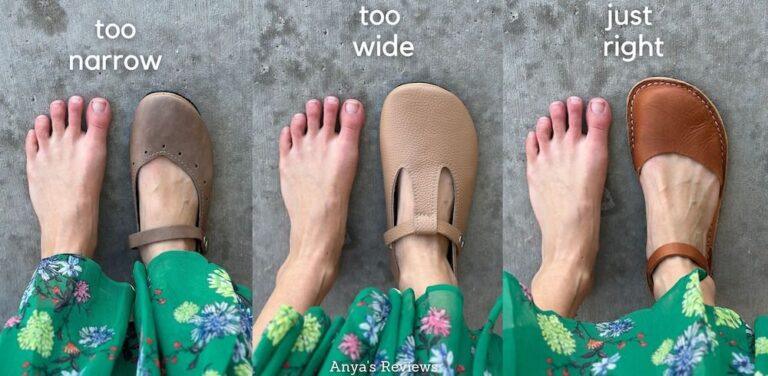
If your toes hit the front, feel pinched, or your heel slips, the sneakers are likely too small.
I’ve measured feet, tried dozens of brands, and helped friends avoid blisters and long-term pain. This guide explains exactly how to tell if sneakers are too small for your feet, why it matters, and what to do next. Read on for clear signs, quick home tests, shopping tips, and real-world fixes so you can stop guessing and start wearing shoes that fit.

Common signs your sneakers are too small for your feet
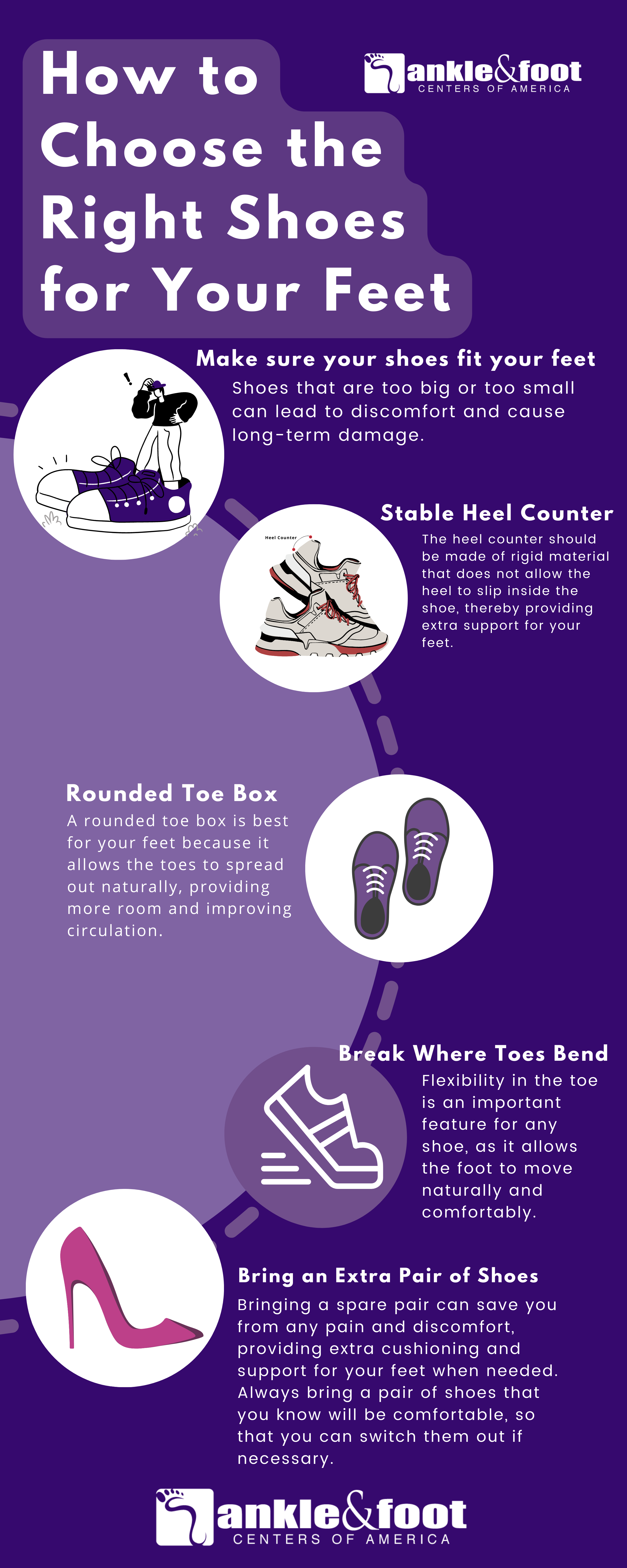
Wearing shoes that are too small is easy to miss at first. Here are the most reliable signs to watch for.
- Toes feel cramped at the front or curl upward. This is the classic sign you need more room.
- Pain at the ball of the foot after short walks. Pressure on the metatarsal heads means room is tight.
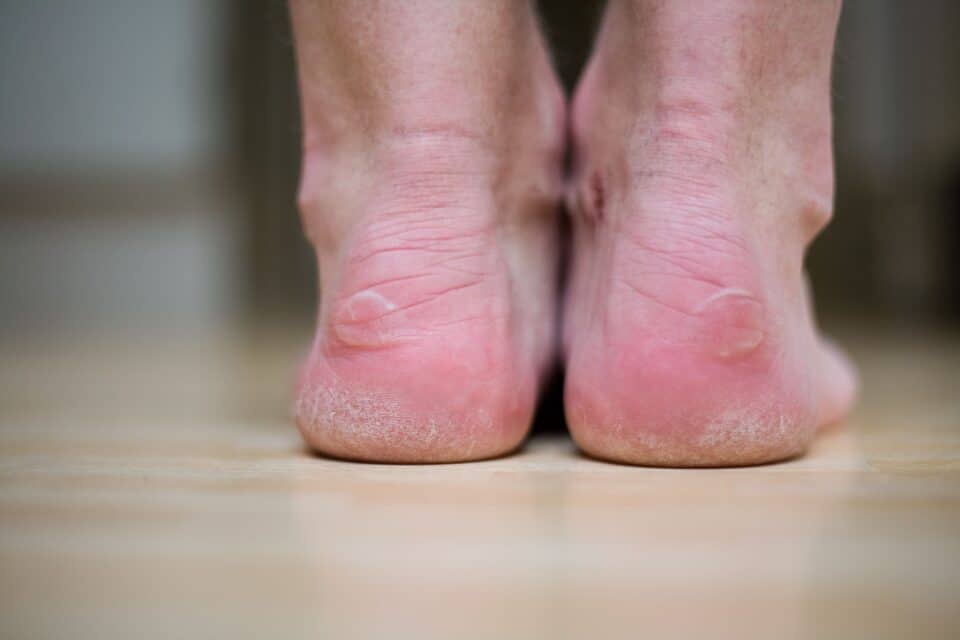
- Blisters or hot spots on toes or sides. Rubbing from tight material causes skin damage.
- Black or bruised toenails after running or hiking. This happens when toes hit the toe box.
- Numbness or tingling in toes. Circulation can be restricted when shoes compress the foot.
- Heel pain or constant slipping. A shoe that is small can force your foot forward and rub the back.
- Sizing label feels misleading. You may see your usual size but the shoe shape can be wrong.
When you think about how to tell if sneakers are too small for your feet, these signs are the clearest signals. If you notice one or more, act quickly to prevent injury.
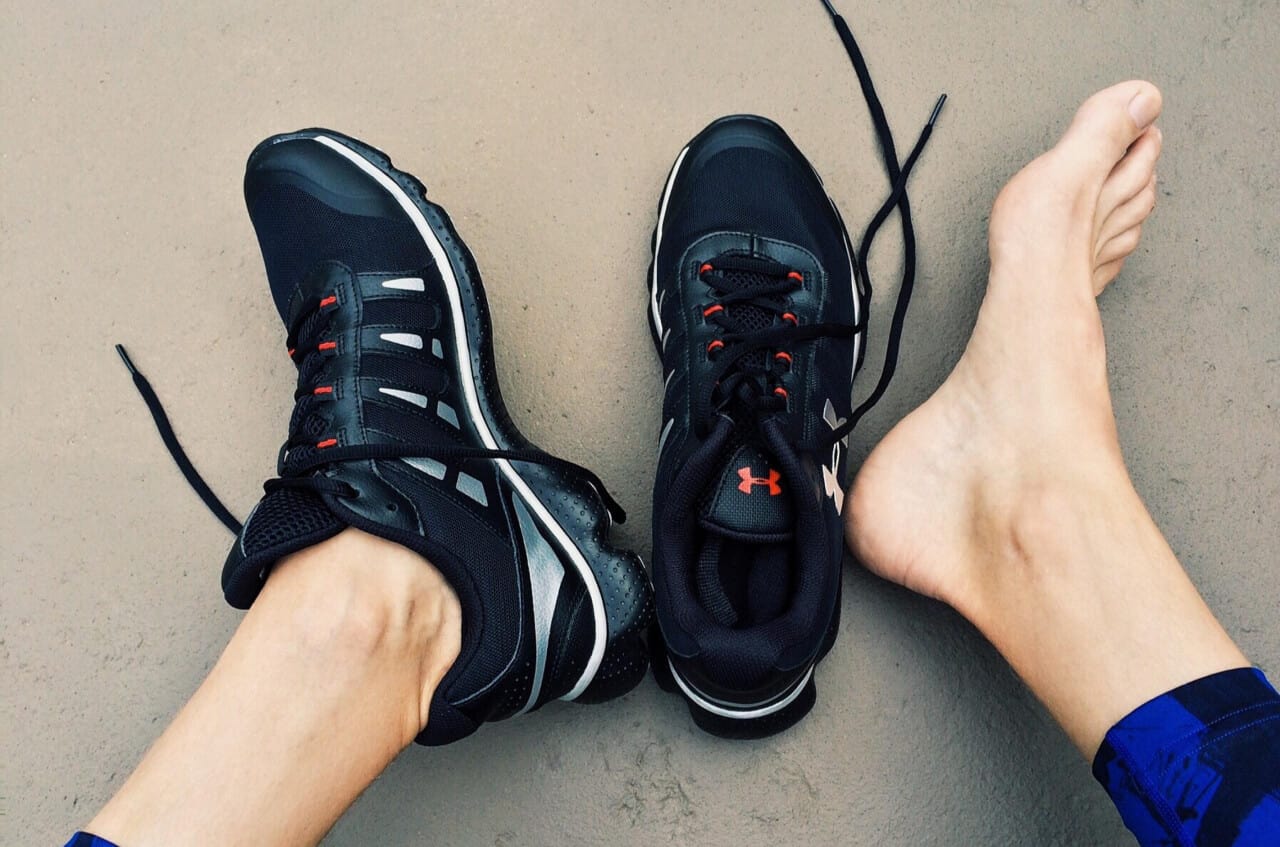
Why proper fit matters: short and long-term risks
A tight sneaker is more than an annoyance. It affects comfort and foot health.
- Short-term issues include blisters, pain, and reduced performance. Tight shoes make movement less efficient.
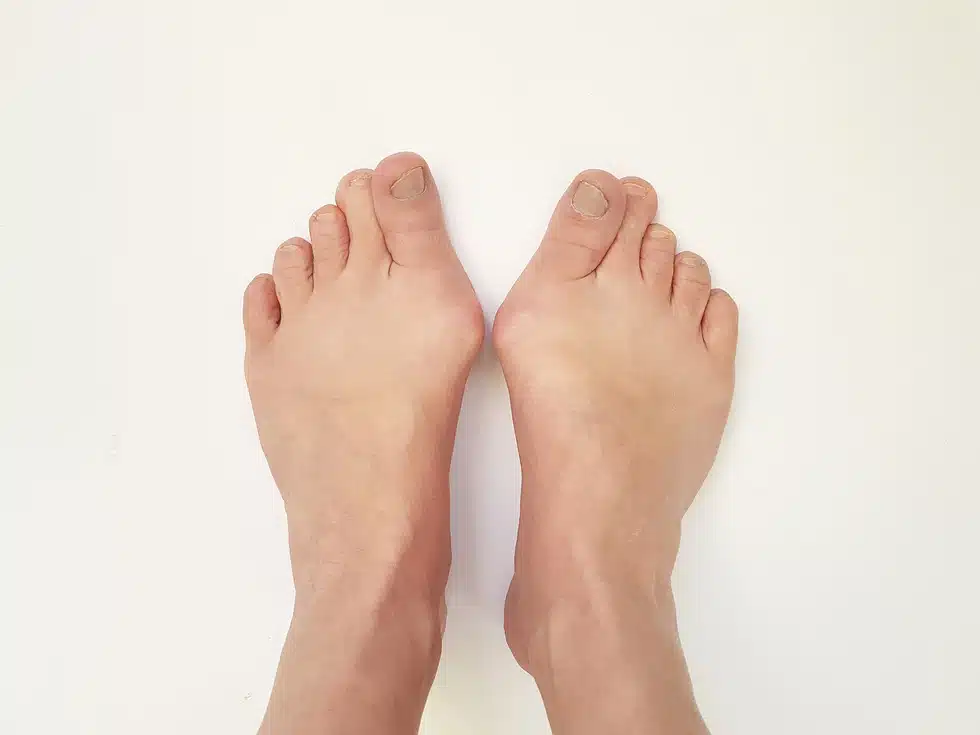
- Long-term problems can include bunions, hammertoes, nerve issues, and chronic pain. Repeated pressure reshapes soft tissues and bone over time.
- Poor fit changes your gait. When your foot slides or scrunches, strain shifts to knees and hips.
- Performance drops for athletes. Tight shoes limit toe push-off and reduce speed or stability.
Understanding how to tell if sneakers are too small for your feet prevents these problems. Fit is health care for your feet.
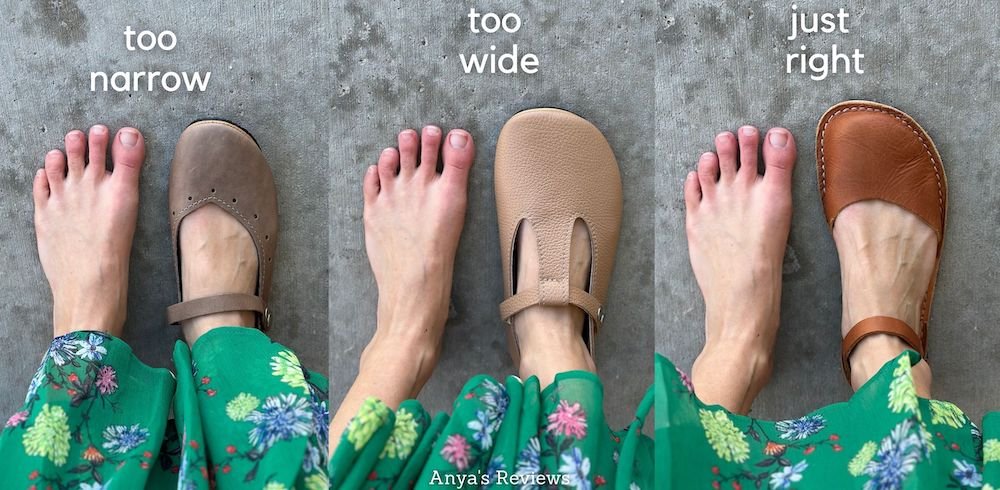
How to test sneaker fit at home — quick, reliable checks
You can test fit in minutes with no special tools. Try these steps before paying or keeping new shoes.
- Wear the socks you intend to use. This gives the true fit.
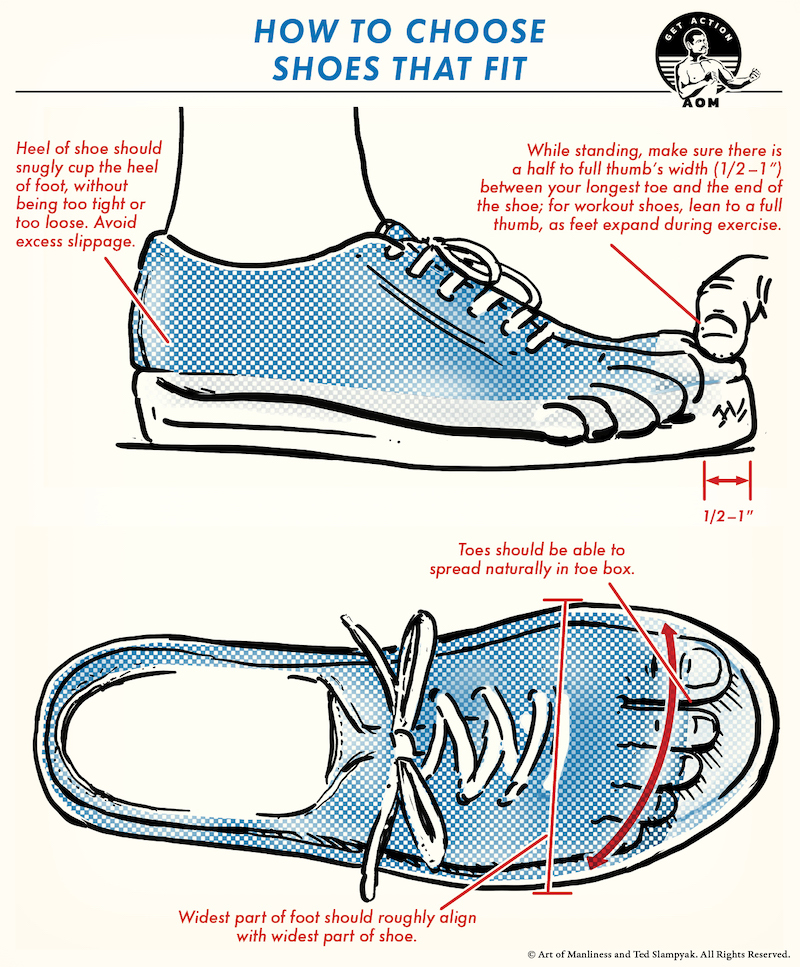
- Stand up and push your foot forward. There should be about a thumb’s width (roughly 1/2 inch) from longest toe to the front.
- Check width by seeing if toes can splay naturally. They should not feel pinched at the widest part.
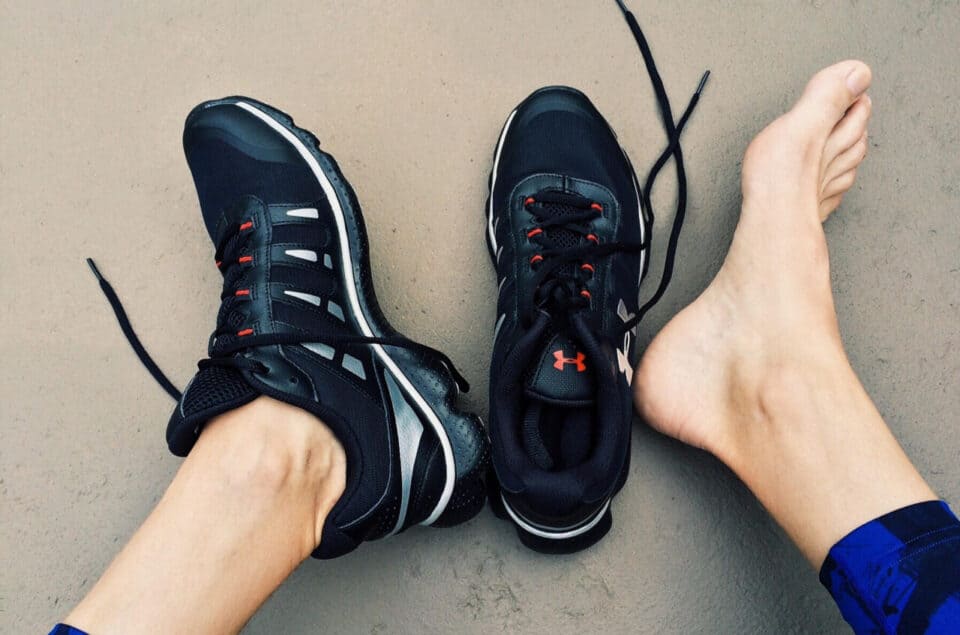
- Lace the shoe normally and walk five to ten steps. Note any slipping, rubbing, or pressure points.
- Try the heel test: Your heel should stay in place with no excessive lift once the foot is fully laced.
Quick Q&A (PAA-style)
- Can I measure my foot at home? Yes. Trace your foot on paper, measure the longest point to the heel, and compare to brand size charts for best fit.
- Should I wear thicker socks when measuring? Wear the socks you plan to use with the sneakers for accurate results.
These checks help you learn how to tell if sneakers are too small for your feet before damage occurs.
How to choose the right size when buying online
Shopping online adds variables. Use a process to cut risk.
- Measure both feet while standing. One foot may be larger; size for the larger foot.
- Use brand-specific size charts. Shoe sizes differ across makers and models.
- Read the product notes about toe box shape and width. Some shoes run narrow or wide by design.
- Check return and exchange policies. Easy returns let you test fit at home without panic.
- Look for customer photos and reviews about fit. Real users often mention size quirks.
If you ever wonder how to tell if sneakers are too small for your feet after delivery, keep receipts and test them with the home checks above.

When to see a podiatrist or a professional fitter
Some problems need expert help. Consider a pro in these cases.
- Persistent pain that does not improve after changing shoes. This may signal injury.
- Chronic numbness, tingling, or visible toe deformities. These are signs of nerve or structural issues.
- Special needs like orthotics or wide feet. A professional can fit shoes and prescribe inserts.
- If you can’t find shoes that fit after repeated attempts. A fitting specialist can measure arch, width, and gait.
A professional can show you how to tell if sneakers are too small for your feet and guide corrective steps.
Personal experience and practical tips I learned the hard way
I used to buy shoes by my usual number and regret it. I ended up with blisters, bruised nails, and wasted money. Here’s what worked for me.
- Always try shoes on at the end of the day. Feet swell with activity and time.
- Walk in-store for at least five minutes, and try both shoes. Small differences matter.
- Keep an old pair to compare feel. Your trusted shoes become a baseline.
- Use insoles to adjust fit only when there’s extra room. Don’t add insoles to a tight shoe.
- If a shoe feels tight at first but loosens, be cautious. Stretching fabrics can still cause pressure points.
These real tips reflect how to tell if sneakers are too small for your feet through trial, tests, and simple habits.
Common mistakes to avoid
Don’t repeat the same errors that cause sore feet.
- Relying only on the size label. Size numbers vary wildly.
- Buying without wearing proper socks. Thin socks can hide fit issues.
- Ignoring the toe-box shape. A narrow toe box can feel small even at the right length.
- Keeping painful shoes “for short trips.” Pain accumulates fast.
- Assuming sneakers will always break in. Leather and knit behave differently.
Avoiding these mistakes improves your success in finding a correct fit.
Quick fixes if your sneakers feel a bit small
If you already own shoes that are slightly tight, try these safe fixes.
- Use a stretcher or free professional stretching at a shoe repair shop for leather or suede.
- Wear thicker socks at home to break them in gently over a few days.
- Use moleskin or blister pads to protect hot spots temporarily.
- Swap thinner insoles for lower-profile ones to gain small amounts of space.
- Choose alternate lacing patterns to relieve pressure on the top of the foot.
Remember: these fixes help mildly tight shoes. Do not force feet into shoes that cause numbness or severe pain.
How to tell if sneakers are too small for your feet — quick checklist
Use this checklist before you buy or keep sneakers.
- Do toes hit the front when you stand and walk?
- Do you feel pressure at the widest part of the foot?
- Do you get blisters, bruised nails, or numbness?
- Does your heel slip or force your foot forward?
- Can you walk naturally for several minutes without pain?
If you answer yes to one or more, the sneakers are likely too small.
Frequently Asked Questions of how to tell if sneakers are too small for your feet
How much space should I have in front of my toes?
Aim for about a thumb’s width or roughly 1/2 inch from your longest toe to the toe box. That space allows natural toe movement and prevents impact during walking or running.
Can sneakers stretch enough to fix a tight fit?
Some materials, like soft leather and knit, stretch a little. Synthetic and structured shoes stretch very little. If the fit is tight now, stretching may not solve pressure or numbness.
Is numbness a sign the sneakers are too small?
Yes. Numbness or persistent tingling often means compression of nerves or poor circulation, which requires a looser fit or professional advice.
Should I size up if one foot is larger?
Always size for the larger foot. Many people have one foot slightly bigger, and sizing for the larger lowers the risk of pain and injury.
Are wider shoe options better than stretching a tight pair?
Yes. Choosing a wider shoe that fits the natural shape of your foot is safer and more comfortable than forcing a narrow shoe to fit.
How do I know if it’s the shoe shape or the size that’s wrong?
If the shoe pinches in the same spot across sizes or feels oddly shaped even at the right length, the shoe’s shape is the issue. Try a different model or brand with a roomier toe box.
Conclusion
Finding the right sneakers is simple when you know the signs. Check toe space, width, heel fit, and how your feet feel after walking. Measure both feet, test shoes with the socks you’ll use, and don’t ignore pain or numbness. When in doubt, size for the larger foot and consult a fitter or podiatrist.
Take action now: measure your feet, test your current sneakers with the checklist above, and replace any pair that causes persistent pain. If this guide helped you, try more articles on shoe fit, subscribe for tips, or leave a comment about your fit experience.

Rubel Miah is the Senior Editor at MyStyleGrid.com, where he brings a sharp editorial eye and an unshakable love for fashion to everything he does. A true style addict, Rubel lives and breathes trends, from streetwear to high fashion, and has a knack for turning inspiration into impactful stories. With years of experience in fashion journalism and digital media, he curates content that empowers readers to express themselves through style. When he’s not editing features or forecasting the next big thing, you’ll find him hunting down vintage pieces or capturing street style moments around the city.