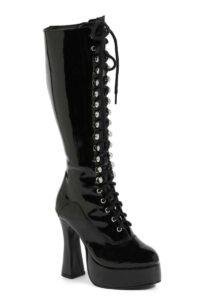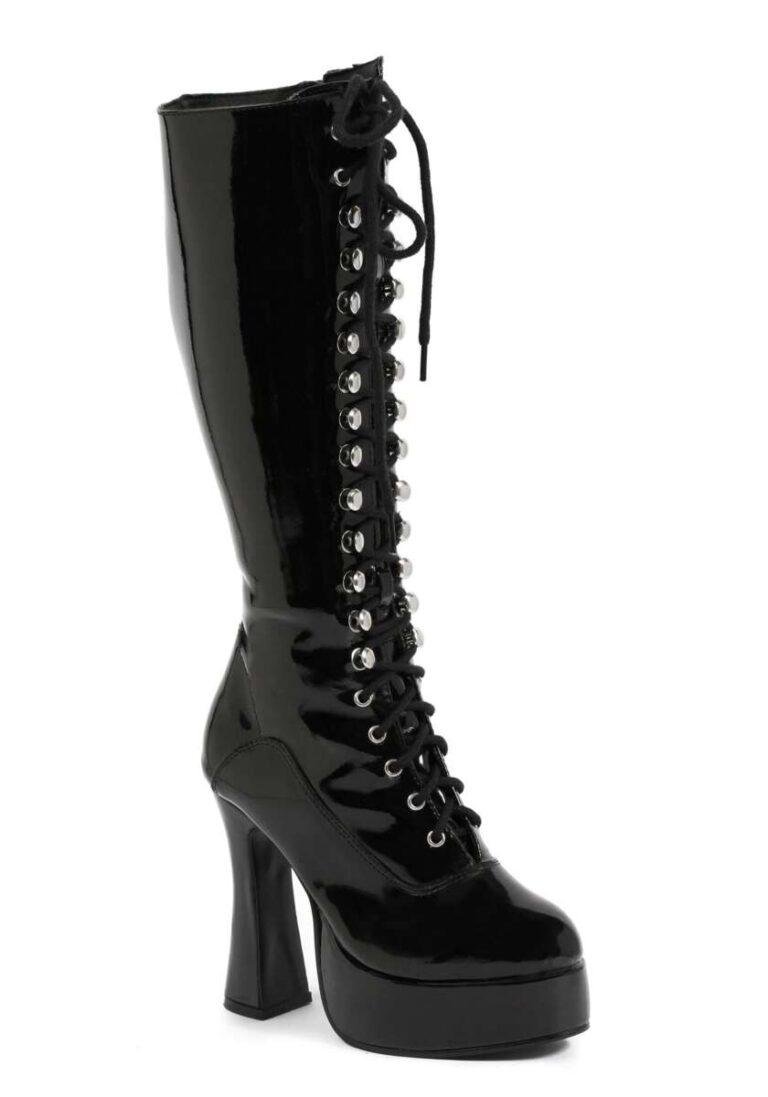
Tie knee-high boots by crossing the laces evenly, tightening from the ankle upward, and securing a flat, firm bow.
Learning how to tie knee high boots is about more than making a neat bow. The right method keeps your boots comfortable, stops slipping, protects your legs from pressure, and helps the shoes keep their shape. This guide explains lace patterns, fit checks, knot options, styling tips, and common mistakes so you can tie your boots with confidence.

What You Need Before Tying Knee-High Boots
Before learning how to tie knee high boots, check the boot design. Some knee-high boots have laces across the front, while others use a lace-up panel at the back or side. A few styles combine laces with a zipper, buckle, or elastic panel.
The best method depends on the boot’s eyelets, material, and fit. Leather boots may loosen slightly with wear, while synthetic materials often keep their shape. Suede can also stretch, so avoid pulling the laces too hard.
Gather these items:
• Your knee-high boots
• The original laces or replacement laces of the correct length
• Thin socks or tights that match what you plan to wear
• A chair or bench, if you need better balance
• A small lace keeper or double knot for active wear
Check the laces before you start. They should not be frayed, twisted, or too short to reach the top eyelets. If the laces stop several holes below the top, the boots may not feel secure around your calf.

How to Tie Knee-High Boots Step by Step
The basic technique works for most front-lacing knee-high boots. Sit down when possible. This helps you keep the boot straight and prevents you from pulling your leg or ankle into an awkward position.
1. Put on the right socks
Wear the socks, tights, or leggings you expect to wear with the boots. This matters because different layers change the fit around your calf.


Thick socks may make a boot feel tight. Thin tights may leave more room. Tying the boots over the wrong layer can lead to discomfort later.
2. Loosen the laces from the top down
Do not force your foot into a boot with tight laces. Loosen the laces through each eyelet until the opening is wide enough for your foot and calf.
This step is easy to skip, but it prevents strained eyelets and stretched leather. It also lets your heel slide into place without excess pressure.
3. Center your heel
Place your foot inside the boot and press your heel gently toward the back. Your heel should sit flat in the heel cup.
If your heel floats forward, the laces may feel tight at the ankle while the boot still slips at the top. A centered heel creates a better base for tying knee-high boots.
4. Tighten from the ankle upward
Begin at the lowest eyelets near your foot. Pull the laces until they feel secure, but not tight.
Move upward one pair of eyelets at a time. Use steady pressure so the tension spreads across the boot instead of collecting in one spot.
A useful fit check is the two-finger rule. You should usually be able to slide two fingers between the boot and your calf, though the exact space depends on the design and your comfort.
5. Keep the lace tension even
look at both sides as you work. The eyelets should line up, and the tongue should remain centered.
If one side looks more gathered than the other, loosen the laces and start again. Uneven tension can cause rubbing, pressure points, or a boot that twists as you walk.
6. Tie a secure bow
Once you reach the top, cross the laces and make one firm overhand knot. Then create two loops and pull them evenly.
Keep the bow flat against the boot. Tuck the loops under the laces if you want a cleaner look, or use a double knot for walking, dancing, or outdoor use.
This simple process is the foundation of how to tie knee high boots comfortably and securely.

The Best Lace Patterns for Knee-High Boots
Most boots use a standard crisscross pattern, but other methods can change the fit and appearance. Try the pattern that matches your foot shape and the amount of support you need.


Standard crisscross lacing
Standard crisscross lacing is the most common option. Each lace crosses diagonally over the tongue and passes through the next eyelet.
It gives balanced tension and looks familiar. It also makes it easy to tighten one section if your ankle or calf needs extra support.
Use this pattern when:
• You want a classic appearance
• Your boot fits well through the ankle and calf
• You need a quick way to adjust the tension
Straight-bar lacing
Straight-bar lacing creates horizontal lines across the front of the boot. It offers a clean, polished look that works well with dress boots.
This method can feel less flexible than crisscross lacing. It may not be ideal for boots that need a lot of adjustment around a wide calf or high instep.
Lock lacing at the ankle
Lock lacing helps keep your heel from sliding. At the ankle, run the lace straight up on each side to create small loops. Cross the laces through those loops, then continue upward.
This technique adds grip at the ankle without forcing the entire boot to feel tight. It can help people with narrow ankles and wider calves.
Skipping an eyelet
If one area feels too tight, skip an eyelet near that pressure point. Continue lacing above it with normal tension.
This creates a small relief zone. Do not skip many eyelets, however, because the boot may lose support or pull unevenly.

How Tight Should Knee-High Boots Be?
Knee-high boots should feel secure, not restrictive. They should stay in place when you walk but should not leave deep marks, cause numbness, or make your foot feel cold.
When learning how to tie knee high boots, check three areas:


• Foot: Your toes should be able to move slightly, and your heel should not lift excessively.
• Ankle: The boot should hold your foot without pinching the front or sides of the ankle.
• Calf: You should have enough room to bend your knee and sit without sharp pressure.
Walk around for five minutes after tying the boots. Pay attention to rubbing, tingling, pressure, and slipping. A boot that feels fine while standing may feel too tight when your leg bends.
Do not tighten the top of the boot to compensate for a loose foot. Instead, adjust the ankle and foot area first. If the calf still feels loose, consider thicker socks, a calf strap, or a different boot width.
My most practical lesson from fitting tall boots is simple: comfort should be tested while moving. A mirror can show whether the laces look neat, but walking tells you whether the tension is right.

How to Tie Knee-High Boots Without Making Them Too Tight
Many people pull the laces as hard as possible because they want the boots to stay up. This often creates pressure at the shin and calf.
Use a gradual approach:
-
Tighten the lower foot area until your foot feels stable.
-
Use slightly less tension across the ankle.
-
Keep the calf section firm but flexible.
-
Tie the final knot only after standing and walking.
If your boots have a zipper, use the zipper for the main fit and the laces for small adjustments. Do not use the laces to force a zipper closed over an uncomfortable fit.
For boots with wide lacing panels, tighten both sides in short sections. Pulling only at the top can make the bottom loose and cause your foot to slide forward.


If you feel numbness, throbbing, sharp pain, or unusual color changes in your toes, remove the boots and loosen them. Continued pressure is not a sign of a proper fit.

How to Stop Knee-High Boots From Slipping Down
Boots can slip for several reasons. The calf may be too wide for the boot, the laces may be loose around the ankle, or the material may be smooth and stiff.
Try these solutions:
• Use lock lacing around the ankle to hold the heel in place.
• Wear knee-high socks with a textured cuff.
• Add thin boot socks for a little more grip.
• Use a removable boot band or calf strap made for tall boots.
• Tighten the laces in small sections instead of pulling only at the top.
• Check whether the boot has stretched with wear.
Avoid wrapping ordinary rubber bands or cords tightly around your leg. They can create pressure and restrict comfort. Choose accessories designed for clothing or footwear.
If the boots always slide down despite careful tying, the shape may not suit your calf. A boot with a narrower shaft, adjustable gusset, or elastic panel may work better.

How to Tie Knee-High Boots With Ribbons or Long Laces
Some fashion boots use wide ribbons or extra-long laces. These can create a soft, decorative look, but they need careful handling.
First, make sure the ribbon lies flat. Twisted ribbon can create pressure and may look uneven. Cross it smoothly through each eyelet and keep the tension moderate.
At the top, try one of these options:
• Tie a small flat bow at the front for a neat look.
• Tie the bow at the back for a cleaner front.
• Wrap the ends once around the shaft before tying for extra support.
• Use a hidden double knot under the tongue or behind the boot.
Long ribbons can catch on furniture, bike pedals, or other objects. For daily wear, keep the loops short and secure the ends. For a photo or special event, you can use longer loops, but check that they do not drag on the ground.
When deciding how to tie knee high boots with ribbons, comfort still matters more than decoration. A beautiful bow is not useful if it makes the boot loose or difficult to walk in.

Common Mistakes to Avoid
Small mistakes can change the whole fit of a tall boot. Avoid these common problems:
Tying only the top
Pulling the top laces tight while leaving the foot loose can make your heel slide. It may also cause the boot to fold at the ankle.
Start at the bottom and work upward. This spreads the tension where you need it.
Pulling too hard
Over-tightening can stretch the eyelets and damage delicate materials. It can also cause pain during long periods of standing.
Use firm, even tension. The boot should support your leg like a gentle hand, not squeeze it like a clamp.
Tying while standing on one leg
This creates a balance risk and often leads to uneven lacing. Sit down or place your foot on a low, stable surface.
If you must tie the boots while standing, hold a secure chair or rail.
Ignoring the tongue
A twisted tongue can rub your shin and make the laces feel uneven. Center it before tightening the upper eyelets.
Using the wrong lace length
Laces that are too short may force a small, weak knot. Laces that are too long can drag or catch.
Measure the original laces before replacing them. Match the length and thickness as closely as possible.
Styling Tips for Tied Knee-High Boots
Once you know how to tie knee high boots, you can use the laces as part of your outfit. The boots can look casual, rugged, romantic, or polished depending on the rest of your clothing.
For a casual outfit, wear lace-up boots with straight-leg jeans, a fitted sweater, and a long coat. Keep the bow small so the look stays clean.
For a dress, choose boots with a slim shaft and neat lacing. A short dress with opaque tights can balance the height of the boots without exposing too much skin in cold weather.
For an edgy outfit, try chunky boots with a denim jacket or leather-style coat. Leave the top eyelet slightly relaxed if the boot design allows it, but secure the lower ankle well.
For work or a smart-casual setting, use straight-bar lacing or a flat bow. Dark leather or smooth synthetic boots often look more refined than heavily distressed styles.
Keep color in mind. Matching the laces to the boot creates a longer, cleaner line. Contrast laces draw attention to the footwear.
Care Tips for Laced Knee-High Boots
Proper care helps the boots keep their shape and makes tying easier over time. Remove the laces gently instead of pulling them through the eyelets with force.
Clean dirt with a soft brush or dry cloth. Use a product made for the boot’s material, and test it on a hidden area first.
Let wet boots dry at room temperature. Do not place them directly beside a heater, because intense heat can dry leather, warp synthetic materials, or weaken adhesive.
Store tall boots upright. Boot trees, rolled towels, or clean magazine inserts can help prevent the shaft from collapsing. Do not store them tightly folded unless the manufacturer recommends it.
Replace laces when they become fuzzy or weak. Frayed laces can snap when you tighten them, which is especially inconvenient when you are away from home.
When to Choose a Different Boot Fit
Learning how to tie knee high boots can improve comfort, but lacing cannot fix every sizing problem. The boot may be the wrong shape if you experience ongoing pain or major gaps.
Consider a different size or width when:
• Your toes touch the front while standing
• Your heel lifts more than a small amount with each step
• The calf gap is large even with tight lacing
• The shaft cuts into your knee when you sit
• You cannot close the zipper without strong pressure
• Your foot feels numb after a short time
Boots should fit the larger part of your leg without crushing it. If one calf is slightly larger than the other, adjustable laces or stretch panels can provide a more comfortable solution.
A professional shoe fitter can assess foot length, width, instep height, and calf size. This is useful when buying expensive leather boots or footwear for long work shifts.
Frequently Asked Questions About How to Tie Knee-High Boots
How do you tie knee-high boots so they stay up?
Tighten the laces from the ankle upward, then use a firm double knot at the top. Lock lacing around the ankle can also reduce heel movement and help prevent the shaft from sliding.
Should knee-high boots be tight around the calf?
Knee-high boots should feel secure but should not pinch or leave painful marks. You should be able to bend your knee and move comfortably, with a little room for normal leg movement.
How do you tie knee-high boots with a zipper?
Use the zipper to close the boot first, then adjust the laces for comfort and support. Never force the zipper over a calf that feels too tight.
How do you stop the laces from coming undone?
Tie a firm overhand knot before making the bow, and use a double knot for active wear. Keeping the loops short also reduces the chance of catching or loosening.
Can you wear knee-high boots with wide calves?
Yes, but look for wide-calf designs, adjustable lacing, stretch panels, or back gussets. If the boot remains painful or cannot close comfortably, choose a different shaft width.
Should you tie knee-high boots sitting or standing?
Sitting is usually safer and allows more even tension. After tying them while seated, stand and walk for a few minutes to check the fit.
How long should knee-high boot laces be?
The correct length depends on the number of eyelet pairs and the lacing pattern. Measure the original laces and choose replacements with the same length and similar thickness.
Conclusion
Knowing how to tie knee high boots helps you improve comfort, support, and style. Loosen the laces first, center your heel, tighten from the ankle upward, and finish with a secure but flexible knot. Always test the boots while walking, and never ignore pain, numbness, or strong pressure.
Try the standard crisscross pattern first, then experiment with lock lacing, straight bars, or decorative ribbons. With the right fit and a few careful adjustments, your knee-high boots can feel as reliable as they look. Share your favorite lacing method or explore more practical footwear guides for everyday style advice.

Madison Clark is a footwear expert and the voice behind MyStyleGrid.com. She specializes in honest shoe reviews, style tips, and practical guides to help readers find the perfect pair for any occasion. With years of experience in blogging and content creation, Madison makes footwear knowledge simple, stylish, and easy to follow.