Most boot resoles cost $80 to $250, but leather, labor, and repairs can raise the price.
Knowing how much does it cost to get boots resoled helps you decide whether repair is smarter than replacement. A skilled cobbler looks at the sole, welt, midsole, heel, and upper before giving a fair quote. This guide explains typical U.S. prices, the main cost factors, repair options, and ways to avoid paying for work your boots do not need.
Average Cost to Get Boots Resoled
For most everyday boots in the United States, how much does it cost to get boots resoled? A realistic range is $80 to $250 for a complete resole. The final price depends on the boot brand, sole type, construction, damage, and local labor rates.
Here are common price ranges:
• Basic rubber sole replacement: $80 to $140
• Premium rubber sole replacement: $120 to $200
• Leather sole replacement: $150 to $250
• Lug or work boot sole replacement: $120 to $220
• Designer or high-end boot resole: $200 to $400 or more
• Heel replacement only: $25 to $75
• Sole patch or partial repair: $30 to $90
These figures are general U.S. estimates. A shop in a large city may charge more than a small-town cobbler. Shipping, rush service, special materials, and extra stitching may also increase the bill.
When people ask how much does it cost to get boots resoled, they often compare the repair price with the cost of new boots. If your boots cost $250 and a resole costs $150, repair may be a strong value. Good boots can often be resoled several times if the uppers remain sound.

What Does a Boot Resole Include?
A resole means removing the worn outsole and attaching a new one. The cobbler may also replace the heel, repair the welt, clean the footbed, or fix damaged stitching. The exact work depends on the boot’s construction.


A full resole often includes these steps:
-
The cobbler removes the old sole and heel.
-
The boot is inspected for damage around the welt, midsole, shank, and upper.
-
Old glue, rubber, and loose material are cleaned away.
-
A new outsole is cut or selected to match the boot.
-
The sole is glued, stitched, or both.
-
The edge is trimmed and shaped.
-
The heel is attached and balanced.
-
The boot is cleaned, conditioned, and finished.
A simple cemented boot may only need a glued replacement sole. A Goodyear welted or stitchdown boot may need more careful work. Those boots usually cost more to repair, but they are also designed with long-term repair in mind.
A good resole should feel balanced under your foot. The boot should not rock from side to side, and the new sole should sit evenly on the ground. If the repair looks rushed, the boot may wear unevenly.
Boot Resole Cost by Sole Type
The outsole material has a major effect on how much does it cost to get boots resoled. Rubber, leather, lug soles, and specialty compounds all require different materials and methods.
Rubber Soles
Rubber is one of the most common choices for work boots, hiking boots, service boots, and casual footwear. A basic rubber sole often costs $80 to $140 installed.
Premium rubber soles may cost $120 to $200. These soles can offer better traction, shock absorption, oil resistance, or durability. Popular lug-style soles may also cost more because they require careful fitting and trimming.


Leather Soles
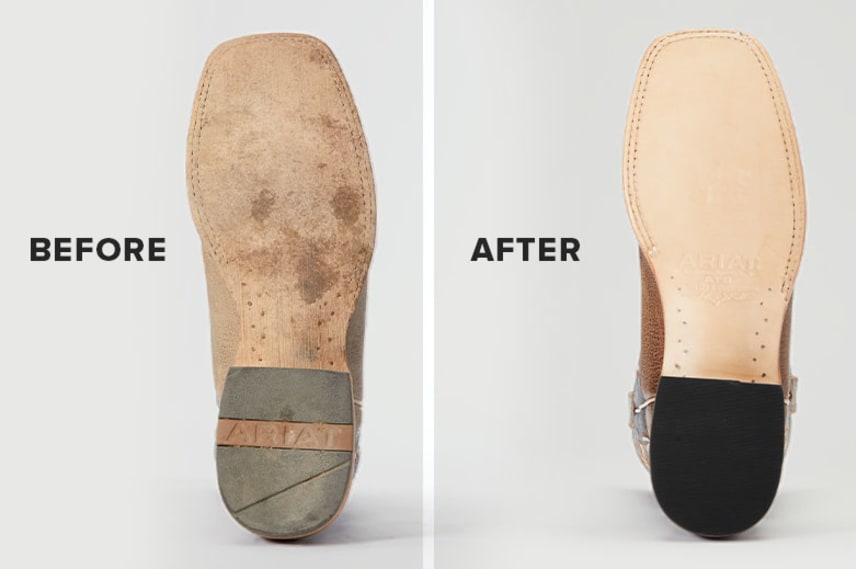
Leather soles usually cost $150 to $250. They require more preparation and finishing than many rubber soles. A leather sole may also need a leather midsole, cork replacement, edge dressing, and new stitching.
Leather soles can feel firm and stylish, but they are not ideal for every setting. Wet sidewalks, icy roads, and oily work floors can make them less practical unless they have added traction.
Lug and Work Boot Soles
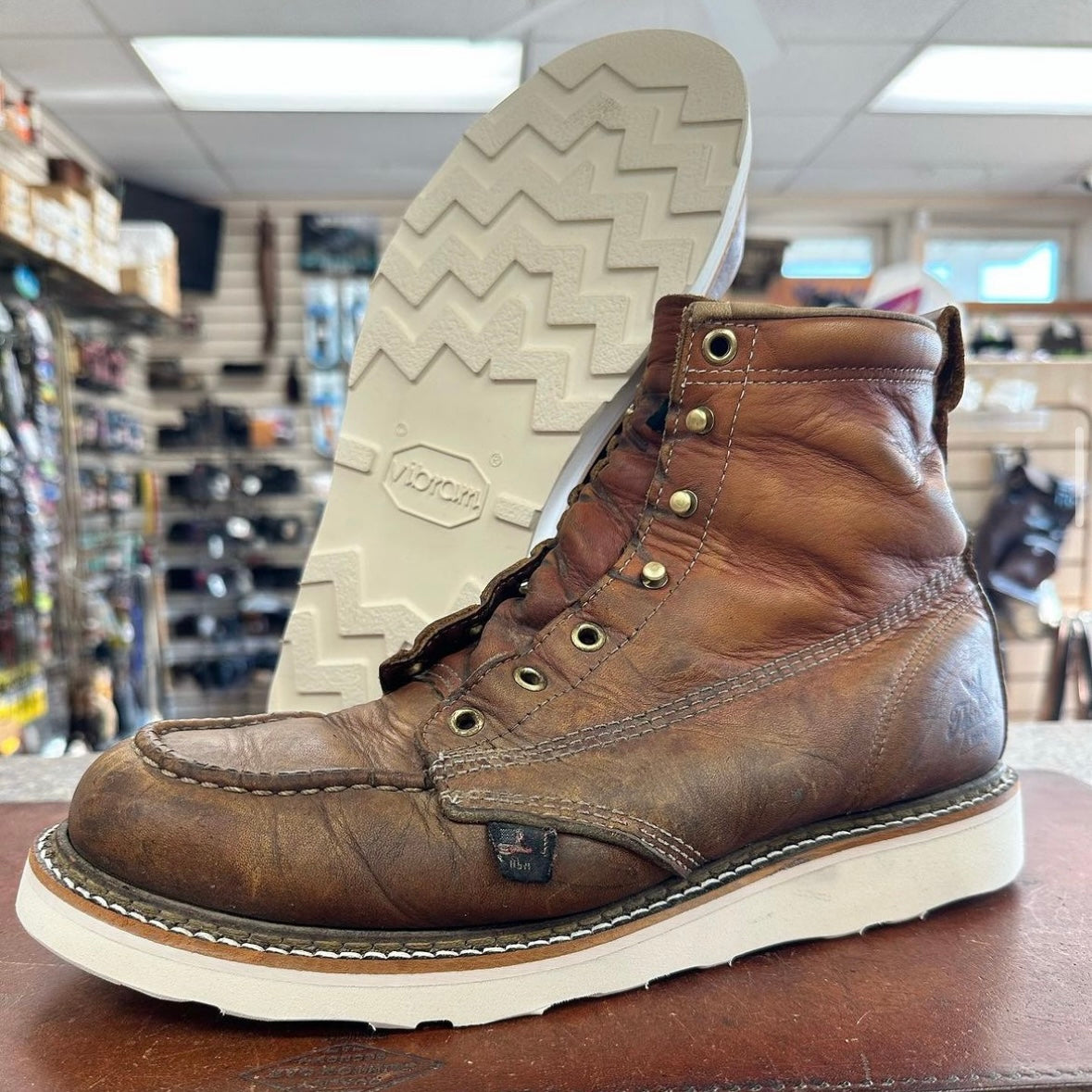
Lug soles have deep patterns for grip. They are common on logger boots, work boots, hiking boots, and military-style footwear. A lug resole often costs $120 to $220.
Heavy-duty boots may need more than a new outsole. The cobbler may need to repair the welt, replace the midsole, or rebuild the heel base. That extra work can push the price above $250.
Crepe and Specialty Soles
Crepe, wedge, commando, and specialty soles vary widely in price. A wedge sole replacement may cost $100 to $180, while a rare or imported sole can cost more.
The best replacement is not always the cheapest one. A sole should match the boot’s shape, flexibility, use, and original construction.

What Factors Affect the Cost?
The answer to how much does it cost to get boots resoled changes from one pair to another. Two boots can look similar but require very different amounts of labor.
Boot Construction
Construction is one of the biggest factors. Common types include cemented, Blake stitched, Goodyear welted, stitchdown, and direct attached construction.
Cemented boots often cost less to resole because the sole is bonded to the upper. Welted and stitchdown boots may cost more because the cobbler must work with several layers and preserve the stitching.
Condition of the Upper
The upper is the part of the boot that covers your foot. If the leather is dry, cracked, torn, or separating from the sole, a new outsole may not solve the problem.
A cobbler may recommend conditioning, patching, stitching, or replacing damaged panels. Minor repairs may add $20 to $60. Major upper damage can add $75 to $200 or make the repair impractical.
Midsole and Welt Repairs
The midsole sits between the upper and outsole. The welt is the strip that helps connect the upper, midsole, and outsole on many quality boots.
If the outsole is worn but the welt is healthy, the resole is fairly simple. If the welt is damaged, the cobbler may need to replace or rebuild it. This can add $40 to $120 or more.
Heel Replacement
Many customers need both a new sole and heel. Some sole packages include a heel, while others charge separately.


A heel replacement alone usually costs $25 to $75. A tall stacked leather heel, specialty work heel, or heavily damaged heel base may cost more.
Location and Labor
Labor rates vary across the country. Shops in New York, Los Angeles, San Francisco, Seattle, and other high-cost cities may charge more than shops in smaller communities.
Mail-in repair services may offer clear online prices, but shipping can add $20 to $50 for both directions. Local shops let you speak with the cobbler and inspect the materials before approving the work.
Brand and Parts Availability
Some boots use common soles that are easy to source. Others require brand-specific parts or unusual shapes.
A rare sole may need to be ordered. Imported materials, custom colors, special welt stitching, and brand-matching details all affect the final quote.
Is It Worth Resoling Your Boots?
The cost to get boots resoled is often worth it when the upper still has years of life left. The leather should be flexible, the lining should be usable, and the boot should still fit well.
Resoling usually makes sense when:
• The uppers have little cracking or tearing.
• The boots fit comfortably.
• The welt and stitching are mostly intact.
• The brand uses durable leather and repairable construction.
• The replacement cost is much higher than the repair cost.
• You already have broken-in boots that feel good.
Replacing may make more sense when:


• The upper has deep cracks across major bend points.
• The inside lining is badly damaged.
• The boot has severe water or mold damage.
• The sole has damaged the upper beyond repair.
• The repair quote is close to the price of a similar new pair.
• The boots no longer fit your feet.
A useful rule is to compare the repair price with the value of the finished boot, not just its original price. A $100 resole may be a bargain for a comfortable $300 boot. It may not be a good choice for a low-cost pair with weak materials.
In my experience reviewing repair choices, comfort is often the deciding factor. People frequently regret replacing boots that already fit perfectly. A new pair may look similar, but it can take months to break in.

Resole Cost Compared With Buying New Boots
When asking how much does it cost to get boots resoled, compare the full repair estimate with the price of a new pair. Also consider shipping, taxes, break-in time, and the quality of the replacement boot.
For example:
• A $90 resole may be worthwhile for a $180 pair of durable work boots.
• A $175 resole may be sensible for premium boots that cost $400 or more.
• A $220 rebuild may be justified if the boots have excellent leather and a strong welt.
• A $120 repair may not make sense for inexpensive boots that sell new for $100.
New boots are not always equal to repaired boots. Many lower-priced boots use glued construction, thin leather, foam midsoles, or molded soles that are difficult to replace. A quality resole can preserve a stronger boot than the one you might buy as a cheaper replacement.
However, repair has limits. A new outsole cannot restore leather that has already become brittle. It also cannot correct a poor fit or fix a boot that is structurally collapsing.

How to Get an Accurate Resole Quote
A good quote starts with clear information. Take the boots to a local cobbler if possible. Let the repairer inspect the sole, welt, heel, upper, and inside of each boot.
Ask these questions:
-
Does the quoted price include labor and materials?
-
Is the heel included?
-
Will the repair use glue, stitching, or both?
-
Does the price include a new midsole or welt repair?
-
Which brand and type of outsole will be used?
-
How long will the repair take?
-
Is the work covered by a repair warranty?
-
Will the boots be cleaned or conditioned?
Photos can help with an initial estimate, but they do not show every problem. A sole may look worn from the outside while the welt or midsole is also damaged underneath.
Be careful with unusually low quotes. A cheap repair may use a thin sole, weak adhesive, poor stitching, or an incorrect sole shape. The lowest price is not always the lowest long-term cost.
A lesson worth remembering is to approve extra work before it begins. Ask the shop to contact you if the estimate changes. This prevents a surprising bill when the cobbler finds hidden damage.

How Long Does a Boot Resole Take?
A standard boot resole often takes one to three weeks. Local shops may finish sooner during quiet periods, while busy seasons can create longer wait times.
Mail-in services may take two to six weeks after shipping. Custom work, rare parts, heavy stitching, and full rebuilds can take even longer.
The repair time depends on:
• The shop’s current workload.
• Whether the outsole is in stock.
• The boot’s construction.
• The amount of welt or midsole damage.
• Whether the repair is local or shipped.
• Whether you request special finishing or urgent service.
Rush service may be available, but it can add $20 to $75 or more. Rushing detailed work is not always wise. A careful resole requires accurate alignment, even pressure, and enough time for adhesives to cure.

Ways to Reduce Boot Resole Costs
You can lower the cost to get boots resoled without choosing poor materials. The key is to maintain the boots before the damage spreads.
Try these steps:
• Repair worn heels before they damage the heel base.
• Use shoe trees to help boots keep their shape.
• Clean dirt and salt from leather after use.
• Condition leather with a product made for the boot’s finish.
• Dry wet boots slowly at room temperature.
• Avoid direct heat from radiators, hair dryers, and fireplaces.
• Ask for a standard replacement sole instead of a custom sole when practical.
• Group heel and sole work into one repair visit.
• Compare two or three written estimates.
• Use a local cobbler to avoid shipping fees.
Preventive care matters because soles are the tires of your boots. Replacing a heel lift early is like changing a tire before the wheel is damaged. Waiting until the sole is completely worn can turn a simple repair into a full rebuild.
Common Boot Resole Mistakes to Avoid
Many repair problems begin before the boots reach the shop. Customers may wait too long, choose the wrong material, or focus only on price.
Avoid these mistakes:
Waiting Until You See the Footbed
If you can see the midsole or footbed through the outsole, the boots are overdue for repair. Walking on the inner layers can damage parts that cost more to replace.
Choosing the Wrong Sole
A smooth dress sole may not work for a construction boot. A heavy lug sole may feel stiff on a lightweight fashion boot. Tell the cobbler how you use the boots so the sole matches the job.
Ignoring Fit Changes
A new sole can slightly change how a boot feels. A thicker outsole or midsole may affect flexibility, weight, and heel height. Discuss these changes before work begins.
Using Household Glue
Super glue and general-purpose adhesives can make professional repair harder. They may soak into leather, create hard spots, or leave residue that must be removed.
Assuming Every Boot Can Be Resoled
Some molded soles are permanently bonded to the upper. Others have thin or damaged uppers that cannot support a new sole. A professional inspection is the safest way to know.
Environmental Benefits of Resoling Boots
Resoling can extend the useful life of a boot and reduce the need to buy another pair. It also keeps the original leather upper in use instead of sending the entire boot to a landfill.
Repair is not impact-free. A new outsole still uses rubber, leather, adhesives, energy, and shipping. Some materials are difficult to recycle, and transportation adds emissions.
Even with those limits, extending a durable product’s life is often a practical form of waste reduction. The benefit is strongest when the boot is well made and the repair keeps it in use for several more years.
Look for a repair shop that explains its materials and process. Some shops offer recycled rubber, replaceable heel blocks, or repair methods that reduce unnecessary waste.
How much does it cost to get boots resoled?
Most complete boot resoles cost $80 to $250 in the United States. Premium materials, welt repairs, custom work, and designer boots can raise the price to $400 or more.
Is it cheaper to resole boots or buy new ones?
Resoling is often cheaper when the boots have strong leather and repairable construction. Buying new may be better when the upper, lining, or structure is badly damaged.
How often should boots be resoled?
Many boots need a resole after one to three years of regular use, but wear varies widely. Frequent work, rough ground, moisture, and poor maintenance can shorten that time.
Can all boots be resoled?
No. Welted, stitchdown, and some stitched boots are usually good candidates. Many inexpensive cemented boots, molded boots, and boots with cracked uppers cannot be resoled successfully.
Does a resole include a new heel?
Sometimes, but not always. Ask for an itemized quote because some shops include the heel in a full resole while others charge for it separately.
How long do resoled boots last?
A quality resole may last one to several years. The lifespan depends on the outsole, walking surface, boot use, care, and condition of the upper.
Is a mail-in boot resole service safe?
A reputable mail-in service can be safe if it provides clear pricing, repair photos, material details, and a warranty. Pack the boots securely and confirm the total cost before shipping.
Conclusion
The answer to how much does it cost to get boots resoled is usually $80 to $250, with specialty repairs reaching $400 or more. Sole material, boot construction, damage, labor, and location determine the final price.
A resole is often a smart investment when the boots fit well and the uppers remain strong. Get an inspection, request an itemized quote, and choose a sole that matches how you use the boots. If your boots are ready for repair, visit a trusted cobbler and compare your options before buying a replacement pair.

Rubel Miah is the Senior Editor at MyStyleGrid.com, where he brings a sharp editorial eye and an unshakable love for fashion to everything he does. A true style addict, Rubel lives and breathes trends, from streetwear to high fashion, and has a knack for turning inspiration into impactful stories. With years of experience in fashion journalism and digital media, he curates content that empowers readers to express themselves through style. When he’s not editing features or forecasting the next big thing, you’ll find him hunting down vintage pieces or capturing street style moments around the city.