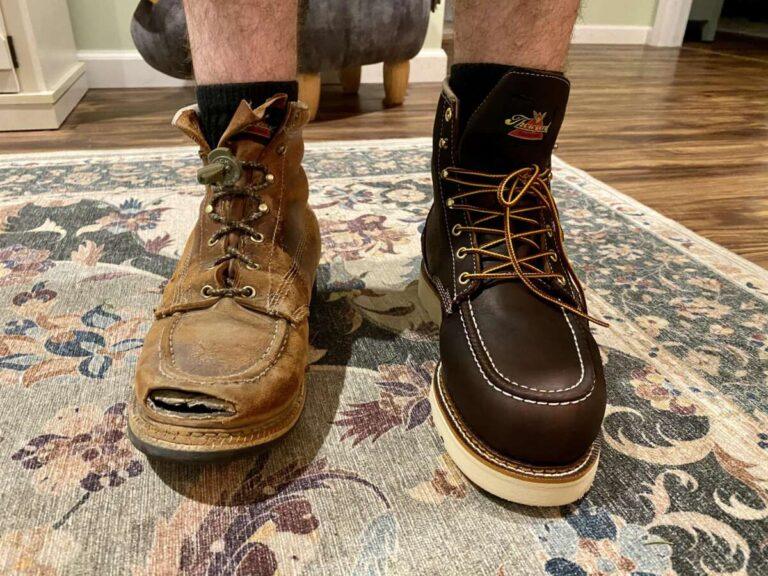
Yes — most welted Thorogood boots can be resoled, though construction and wear matter.
I’ve worked with durable work boots for years and helped decide when resoling makes sense. This article explains exactly when and how can you resole Thorogood boots, what to expect from a cobbler or the manufacturer, common costs, and practical tips to extend the life of your boots. Read on for clear steps, real-life advice, and the questions to ask before you spend time or money on resoling.

How Thorogood boots are made and why it matters for resoling
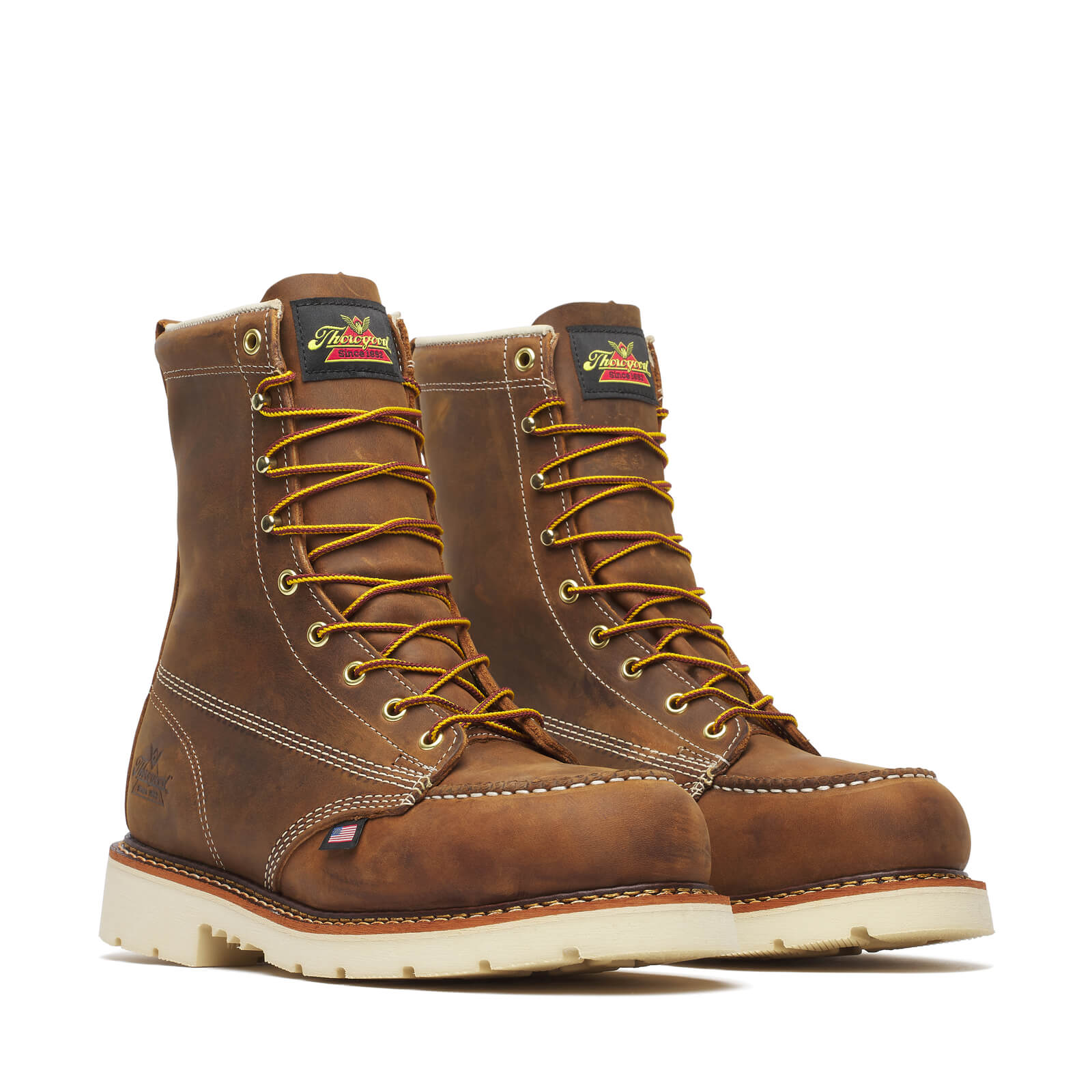
Thorogood builds many of its popular models with a welted construction. A welted boot has a strip of leather or synthetic material stitched between the upper and the sole. That visible stitch is what allows a cobbler to remove the sole and replace it cleanly. Some Thorogood lines use cemented or direct-attached soles. Those soles are glued and are much harder to resole without damaging the upper.
Signs your Thorogood boots are welted and likely resoleable:
- Look for a visible stitch around the sole edge.
- Check the insole inside for internal stitching or a cork midsole.
- If the sole peels away with glue only and no stitch, it’s likely cemented.
Knowing the construction answers much of the “can you resole Thorogood boots” question quickly. If you’re unsure, a trusted cobbler can inspect and confirm.
Can you resole Thorogood boots? What to expect
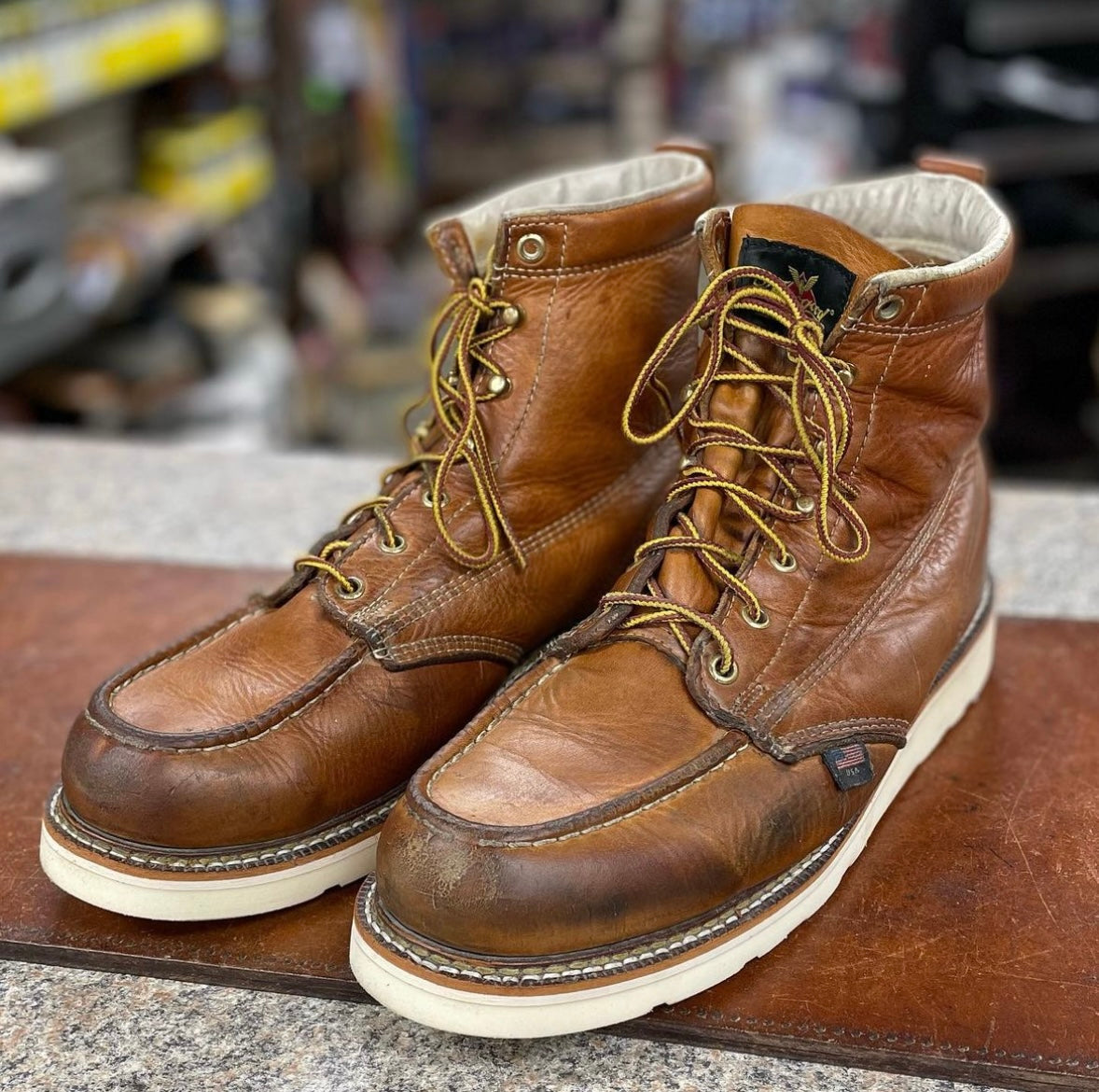
Yes, you can resole Thorogood boots when they have a welted or stitched construction. Brands that use Goodyear welt or stitchdown methods almost always allow resoling. For cemented Thorogood models, resoling is sometimes possible but usually requires more work and risks to the upper.
Things that affect whether you can resole Thorogood boots:
- The type of welt or attachment.
- Condition of the upper leather and heel counter.
- How worn the insole, cork, or shank is.
- Cost vs. value of the boot.
If the upper leather is intact and the boot is welted, resoling is often the most sustainable and cost-effective choice. If the upper is cracked, badly stretched, or the stitching has failed in multiple places, replacing the boot may be wiser.
How do I know if my Thorogood boots can be resoled?
Most likely yes if you see welt stitching around the sole. If you can’t tell, take them to a cobbler for a quick inspection. Cobbler assessments are short and usually low-cost.
Can cemented Thorogood boots be resoled?
Sometimes, but it’s harder. Cemented soles can be removed and reattached, but the process can weaken the upper and often costs nearly as much as a new pair.
Resole options: manufacturer, authorized repair, or independent cobbler
When asking “can you resole Thorogood boots,” you have three main paths:
-
Manufacturer repair
- Pros: Genuine parts, brand expertise, warranty continuity.
- Cons: Longer turnaround, shipping costs, sometimes higher price.
-
Authorized cobbler or specialty boot repair shop
- Pros: Skilled with welted work, good balance of cost and quality, options for premium soles like Vibram.
- Cons: You need to vet the shop for experience with work boots.
-
Independent local cobbler or DIY
- Pros: Often cheaper, faster, and personal service.
- Cons: Mixed quality. DIY requires tools and skill and may void warranties.
Typical costs and timelines:
- Resole by cobbler: $70–$150 depending on sole type and labor. Turnaround 1–2 weeks.
- Manufacturer repair: $100–$200 or more with shipping and return. Turnaround several weeks.
- Premium soles (Vibram, oil-resistant lug): add $20–$60.

What happens during a professional resoling
A professional cobbler follows these general steps:
- Inspect the boot for welt condition and upper integrity.
- Remove the old sole by cutting and unpicking the welt if present.
- Clean and, if needed, replace or repair the welt and cork bed.
- Select and attach a new sole using stitching and adhesives appropriate to the original construction.
- Refinish edges and polish to match the boot’s look.
Good cobblers will also check the shank and insole. If these need replacement, they’ll tell you up front. Knowing these steps helps you ask the right questions when choosing a shop.
When you should not resole Thorogood boots
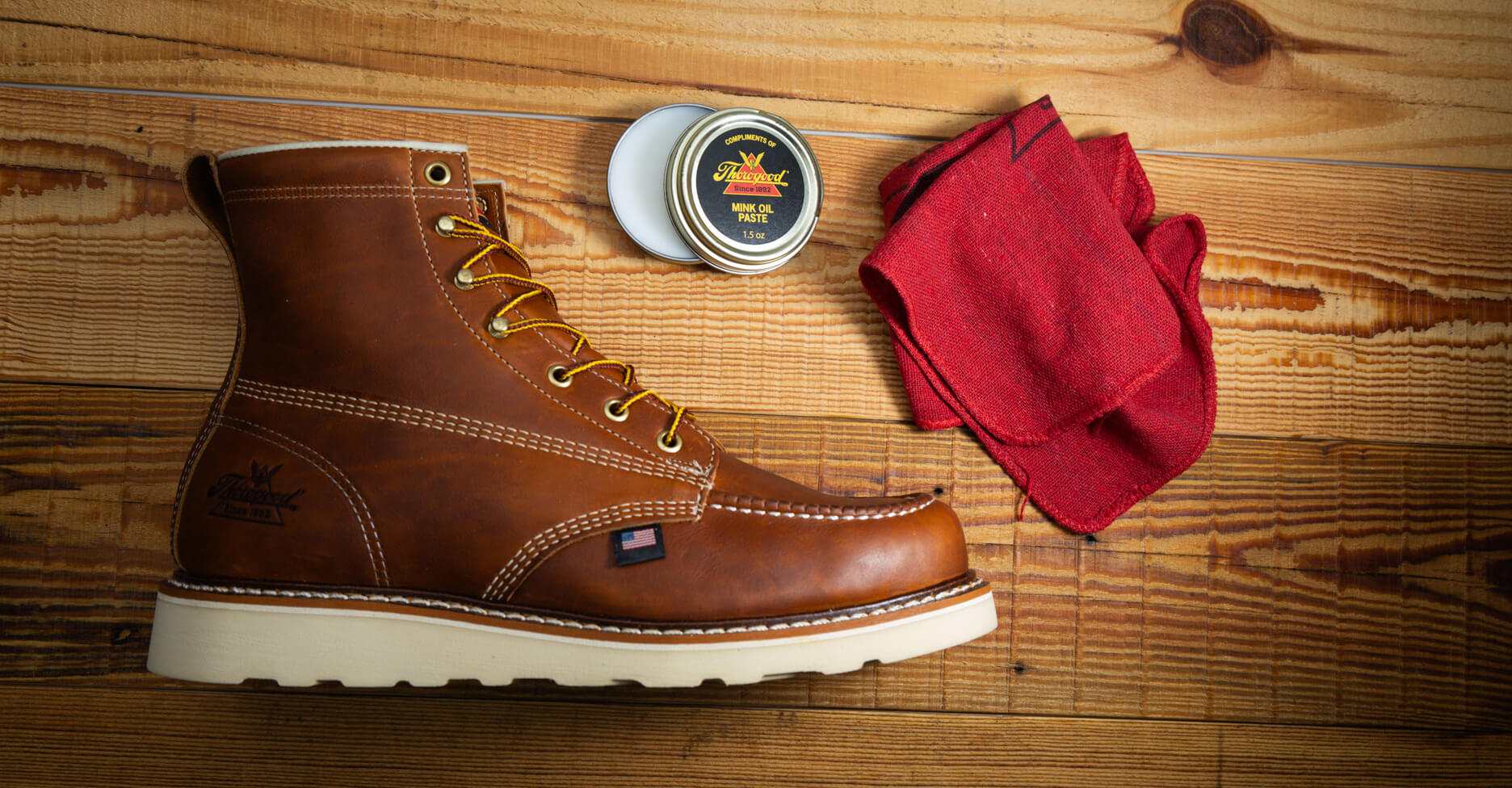
Resoling isn’t always the right move. Avoid resoling when:
- The leather uppers are cracked, soft, or splitting.
- The ankle or toe structure is collapsed.
- The cost of resoling approaches the price of a new pair.
- The boot is cemented and the upper has heat or glue damage from prior repair attempts.
Being honest about these limits saves money and disappointment. Sometimes a replacement boot with a new warranty is the smarter long-term choice.

How to choose a cobbler and what to ask
Pick a cobbler with experience on work boots and welted constructions. Use this checklist when vetting repair options:
- Ask whether they have worked on Thorogood or similar brands.
- Ask which sole materials they recommend and why.
- Request to see before-and-after photos of their work.
- Ask for an estimate that includes materials and labor.
- Clarify turnaround time and any warranty on the repair.
A reputable shop will explain choices like Vibram lug for traction, wedge soles for comfort, or Goodyear-style resole to maintain original integrity.

Care tips to extend sole life and improve resoling outcomes
Small daily practices can stretch the life of your soles and make resoling more effective:
- Rotate boots with another pair to reduce continuous wear.
- Clean and dry boots after heavy use to prevent leather rot.
- Have the cobbler replace worn heels before the sole is ruined.
- Use resoling sooner rather than later; small repairs are cheaper and preserve the upper.
- Apply sole protectors or sole-tape if you often walk on rough surfaces.
Treat resoling as part of long-term boot ownership. Good maintenance makes resoling simpler and cheaper.

Personal experience: lessons from resoling work boots
From years of sending and supervising boot repairs, I’ve learned a few things:
- I once waited too long to resole a cemented pair; the upper tore during removal and repair cost tripled. Lesson: don’t delay.
- I’ve found local cobblers often do finer edge finishing than manufacturer repairs. Lesson: inspect finished work closely.
- Choosing a slightly thicker Vibram sole added years to a pair I use in winter. Lesson: upgrade soles to fit your use case.
These experiences taught me to ask upfront about upper condition, choose the right sole for work, and budget for maintenance.
PAA-style quick questions
Can I resole Thorogood boots myself?
You can attempt DIY resoling if you have tools and experience, but it’s easy to damage the welt or upper. For most people, a good cobbler is safer.
How much does it cost to resole Thorogood boots?
Expect $70–$150 for a standard resole, with premium soles costing more. Manufacturer repairs can be pricier due to shipping and parts.
Will resoling change the fit of my boots?
A proper resole should not change fit, but altering the midsole or adding a thicker sole can slightly change height and feel. Ask the cobbler about footbed replacement if fit is a concern.
Frequently Asked Questions of can you resole thorogood boots
What types of Thorogood boots are most resoleable?
Welted Thorogood boots, like those built with a Goodyear or stitch-down construction, are the most resoleable. Cemented models are less likely to be resoled successfully.
How long does a resole typically take?
Most cobblers complete a resole in 1–2 weeks. Manufacturer repairs may take several weeks because of shipping and processing.
Is it worth resoling old Thorogood boots?
Yes if the uppers are in good shape and the boots are comfortable. Resoling extends life, often making it cheaper than buying a high-quality replacement.
Can resoling improve traction or comfort?
Yes. You can choose a different sole profile, like a Vibram lug for traction or a wedge sole for extra cushioning. This can make boots better suited to your needs.
Will Thorogood resole boots under warranty?
Warranty coverage varies. Manufacturer repairs are possible but may not be covered under normal wear-and-tear warranties. Check terms before sending boots in.
Final thoughts and next steps
Resoling answers the question can you resole Thorogood boots with a clear yes for welted models and a cautious maybe for cemented ones. A good resoling can add years to a pair of boots and is often the most sustainable choice. Start by inspecting your boot’s welt, consult a trusted cobbler, and choose a sole that matches your work and climate.
Take action now: inspect your boots for welt stitching, get an estimate from a reputable cobbler, or contact the manufacturer for repair options. Leave a comment below with your boot model or repair stories — I’ll help you decide whether to resole or replace.

Rubel Miah is the Senior Editor at MyStyleGrid.com, where he brings a sharp editorial eye and an unshakable love for fashion to everything he does. A true style addict, Rubel lives and breathes trends, from streetwear to high fashion, and has a knack for turning inspiration into impactful stories. With years of experience in fashion journalism and digital media, he curates content that empowers readers to express themselves through style. When he’s not editing features or forecasting the next big thing, you’ll find him hunting down vintage pieces or capturing street style moments around the city.