Short boots are usually called ankle boots, booties, or simply low-cut boots.
The name depends on the boot’s height, shape, and style. In this guide, you’ll learn what do you call short boots in everyday American English, how each type differs, and which pair fits your needs best.
What do you call short boots?
The most common answer is ankle boots. These boots usually reach the ankle bone or sit just above it. In the United States, many people also call short boots booties, especially when they have a sleek, fashion-focused design.
Still, the term can change by style and region. A short boot may be called a Chelsea boot, chukka boot, desert boot, combat boot, hiking boot, or cowboy boot if it has those defining features.
Here is the simple breakdown:
• Ankle boots reach the ankle or slightly above it.
• Booties are short, stylish boots that often end around the ankle.
• Chukka boots are ankle-high boots with open lacing and two or three pairs of eyelets.
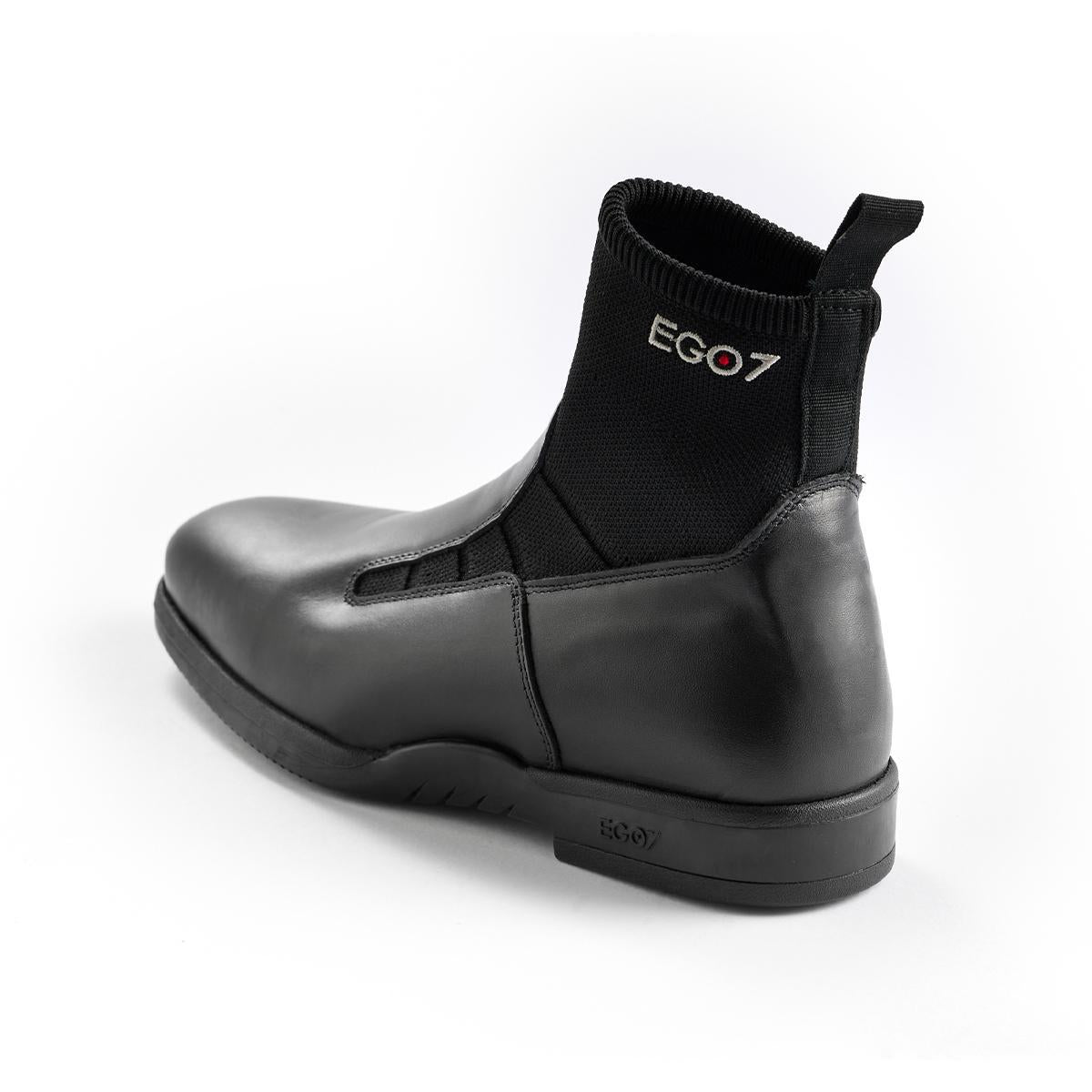
• Chelsea boots have elastic side panels and no traditional laces.
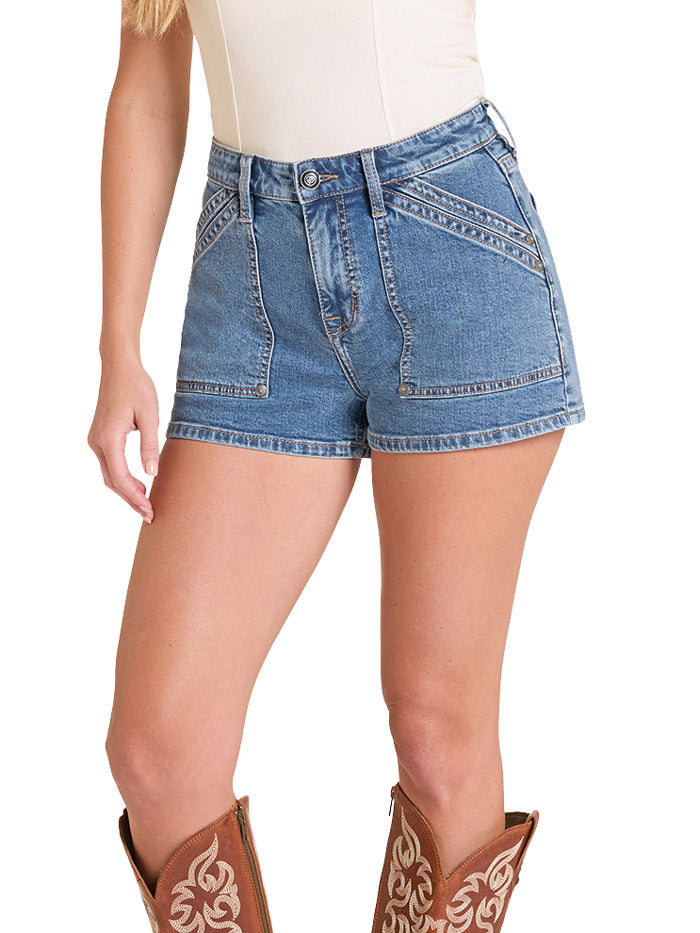
• Short cowboy boots often rise a few inches above the ankle and have a western shape.
So, what do you call short boots in the broadest sense? Ankle boots is the safest and most widely understood term.

Ankle boots versus booties
Ankle boots and booties are close relatives, but they do not always mean exactly the same thing. Ankle boots describe height, while booties often describe a fashion style.
An ankle boot can be flat, heeled, rugged, waterproof, or dressy. A bootie is often more refined and may have a pointed toe, slim shaft, or high heel. However, stores and brands often use both terms for the same product.
For example, a black leather shoe that ends at the ankle may appear online as:


• Black ankle boots
• Leather booties
• Women’s short boots
• Low shaft boots
• Ankle-length boots
This overlap can make shopping confusing. When searching online, use several related terms instead of relying on one phrase. Product labels are not fully standardized across the footwear industry.
In my experience, the biggest mistake shoppers make is assuming “bootie” means a narrow or high-heeled shoe. Many booties are flat, wide, casual, and built for daily wear. Always check the shaft height, toe shape, heel height, and sole before ordering.
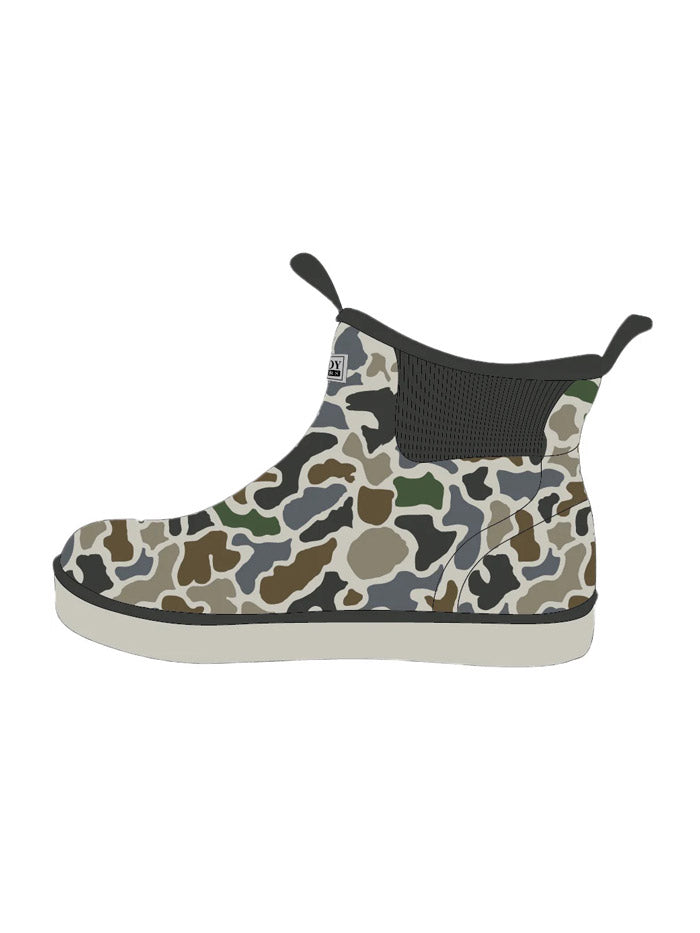
Common types of short boots
Short boots come in many designs. The best name depends on the details that make each style unique.
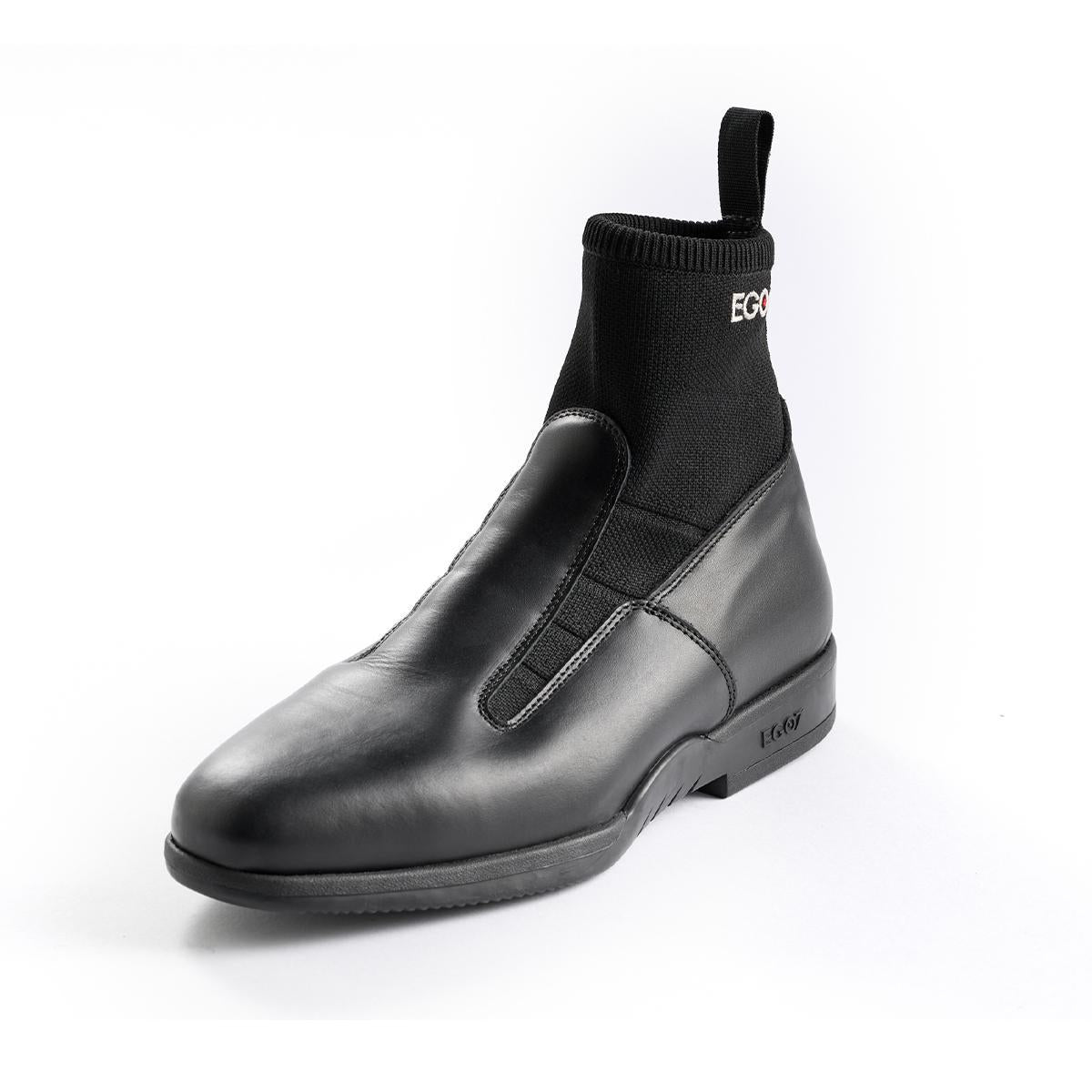
Chelsea boots
Chelsea boots have stretchy elastic panels on both sides. They usually have a pull tab at the back and no laces. Their clean shape works well with jeans, chinos, trousers, and casual dresses.
They can be made from leather, suede, synthetic materials, or waterproof fabric. A flat Chelsea boot feels casual, while a heeled version looks more polished.
Chukka boots
Chukka boots are low boots with a simple lace-up front. They often have a rounded toe, an open lacing system, and a shaft that reaches the ankle.
Classic chukka boots use leather or suede. They are a strong choice for smart-casual outfits because they look more refined than sneakers but less formal than dress shoes.
Desert boots
Desert boots are a type of chukka boot. They traditionally have a soft suede upper and a crepe-style rubber sole. Their light feel makes them popular for everyday wear.
A desert boot may not offer the same water protection or support as a technical hiking boot. It is best for sidewalks, offices, travel, and dry weather.


Combat boots
Combat boots are short or mid-height lace-up boots inspired by military footwear. They often have thick soles, strong eyelets, and a rugged upper.
Modern fashion combat boots may be much shorter and lighter than military boots. They can add grip and structure to an outfit, but some models need a break-in period.
Hiking boots
Short hiking boots usually stop at or just above the ankle. They may include padded collars, lugged soles, water-resistant materials, and reinforced toe caps.
Do not judge a hiking boot by appearance alone. Check its traction, heel hold, midsole support, waterproof membrane, and fit. A fashion boot that looks rugged may not protect your feet on a real trail.
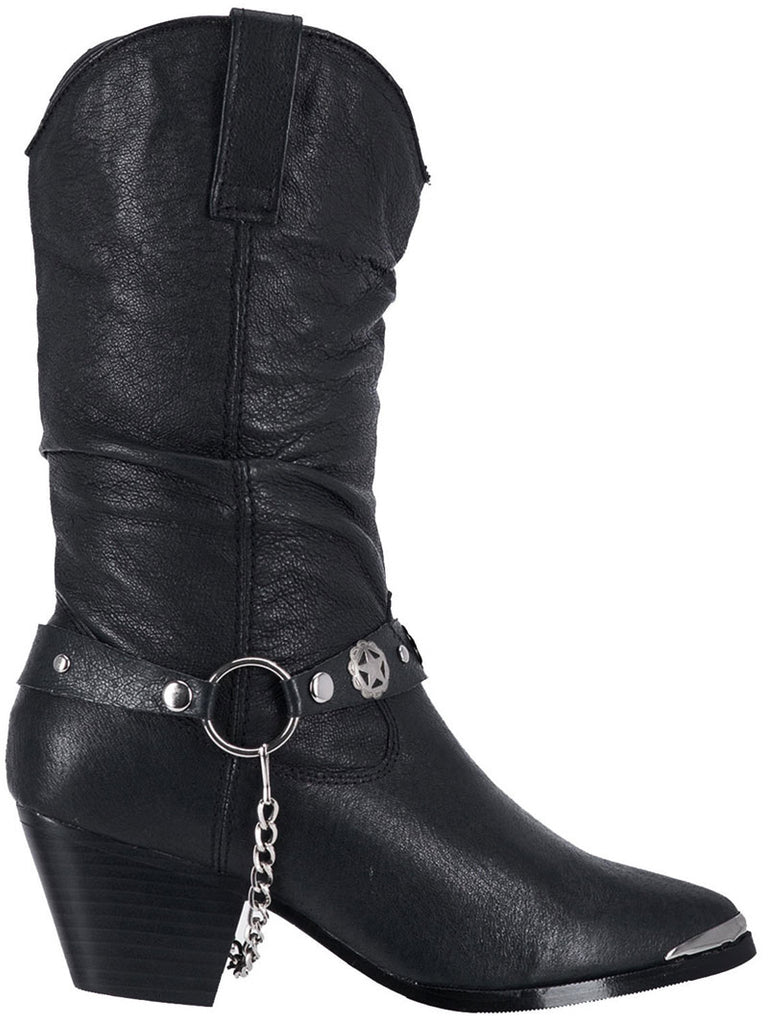
Western ankle boots
Western ankle boots have details linked to cowboy boots. These may include pointed or square toes, stacked heels, decorative stitching, and pull tabs.
Some western boots reach the lower calf, while others are true short boots. Their design makes them easy to recognize, even when their shaft is only a few inches tall.
Chelsea rain boots
Chelsea rain boots use the classic elastic-sided shape but add waterproof rubber or coated materials. They are useful for wet commutes, muddy paths, and rainy days.
They may feel warmer and less flexible than leather Chelsea boots. Look for a comfortable lining and enough room for socks.
How short boots differ from other footwear
Knowing what do you call short boots is easier when you compare them with nearby shoe categories.
Low shoes end below the ankle. They do not cover the ankle joint. Sneakers, loafers, oxfords, and boat shoes are common examples.
Short boots cover the ankle or rise slightly above it. They offer more warmth and protection than low shoes, but they are easier to wear than tall boots.
Mid-calf boots rise well above the ankle and usually reach the middle of the lower leg. Tall boots extend toward the knee or above it.
The main features to compare are:
• Shaft height: Measure from the top of the sole to the top edge of the boot.


• Heel height: A taller heel changes comfort, posture, and outfit balance.
• Toe shape: Round, square, almond, and pointed toes create different looks.
• Sole type: A flat sole suits daily walking, while a lug sole adds traction.
• Closure: Boots may use laces, zippers, elastic panels, buckles, or pull tabs.
• Material: Leather, suede, rubber, canvas, and synthetic materials behave differently.
This vocabulary helps you avoid buying the wrong style. A short boot can look elegant, rugged, western, sporty, or practical depending on these features.
Why people choose short boots
Short boots are popular because they sit between shoes and tall boots. They offer a useful mix of coverage, style, and ease.
They work across seasons
Ankle boots can work in fall, winter, spring, and cool summer weather. Breathable leather or lightweight fabric suits mild days, while insulated and waterproof designs work better in cold conditions.
Their value depends on the climate. In a hot, humid area, lined boots may feel uncomfortable. In a snowy area, short boots may leave the lower leg exposed.
They match many outfits
Short boots pair well with:
• Straight-leg jeans
• Skinny jeans
• Cuffed denim
• Wide-leg trousers


• Chinos
• Midi skirts
• Casual dresses
• Leggings
A simple black or brown ankle boot can act like a bridge between casual and polished clothing. It adds shape without covering the entire lower leg.
They are easier to put on
Compared with tall boots, short boots usually need less effort to pull on, zip, or lace. They also take up less room in a closet or suitcase.
This makes them useful for travel. One comfortable pair can support walking, dining, and casual work settings.
They provide more coverage than shoes
Short boots protect the ankle and upper foot from light rain, cold air, dust, and small debris. They also provide more structure than many sneakers.
That does not mean every ankle boot is waterproof or suitable for rough terrain. The materials and construction still matter.
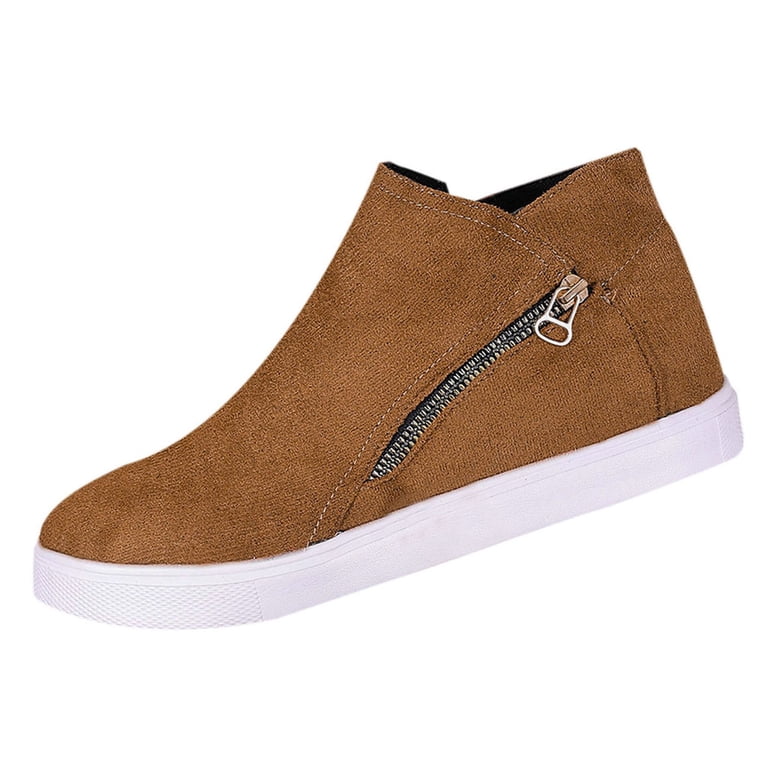
How to choose the right short boots
Start with your main use. A boot for office wear has different needs from a boot for snow, hiking, or outdoor work.
Use this quick checklist:
-
Decide where you will wear them. Choose dress boots for formal settings, casual boots for daily use, and technical boots for trails or harsh weather.
-
Check the fit at the heel. Your heel should stay in place without painful pressure.
-
Leave toe room. Your toes should not touch the front when you walk downhill or wear normal socks.
-
Test the ankle opening. It should hold your foot securely but should not rub the ankle bone.
-
Consider the sole. A rubber sole gives better grip than a smooth leather sole on wet ground.
-
Think about the material. Leather can soften and last well with care, while rubber offers strong water protection.
-
Match the height to your clothing. A short shaft often looks clean with cropped pants, while a taller ankle shaft may work better with tucked-in denim.
-
Walk before buying. Take several steps and bend your foot. A boot that feels fine while standing may pinch during movement.
One fitting lesson is especially useful: do not buy a boot that is “almost comfortable” because you expect it to stretch. Leather may soften, but a poor shape, narrow toe box, or unstable heel rarely becomes perfect.

Short boots for different foot and lifestyle needs
People with wide feet should look for a roomy toe box and avoid sharply pointed designs. Width labels can vary by brand, so the actual shape matters more than the letter on the box.
People with high arches may prefer removable insoles or boots with adjustable laces. Elastic-sided boots can work well, but they must provide enough instep room.
For walking, choose a flexible sole, padded collar, stable heel, and secure fit. A fashion boot with a hard sole may look attractive but cause fatigue during long days.
For rain, look for sealed seams, waterproof materials, and a gusseted tongue. Water-resistant leather is not the same as fully waterproof construction.
For snow and ice, choose insulation, a deep tread, and enough space for warm socks. Short boots may be convenient, but deep snow can enter over the top.
For work, focus on safety features. Depending on the job, you may need a slip-resistant sole, protective toe, electrical hazard rating, or oil-resistant material. Check the manufacturer’s safety information rather than relying on appearance.

How to style short boots
Short boots can change the mood of an outfit with small adjustments.
For a casual look, wear flat ankle boots with straight-leg jeans and a simple sweater. Cuff the jeans slightly if you want the boot opening to show.
For a polished look, try slim black booties with tailored trousers. A pointed toe can make the leg line look longer, while a block heel adds stability.
For a relaxed western look, wear short cowboy boots with denim, a cotton dress, or a tucked-in shirt. Keep the rest of the outfit simple so the boots remain the focus.
For a modern outfit, pair chunky combat boots with a midi skirt or loose trousers. The contrast between a strong sole and soft fabric creates visual balance.
For rainy days, Chelsea rain boots work well with cuffed jeans, a waterproof jacket, and warm socks. Avoid wearing suede in heavy rain unless it has suitable protection.
Color also matters:
• Black boots look sharp and versatile.
• Brown boots feel warm and casual.
• Tan boots work well with denim and earth tones.
• White or cream boots create a bold fashion statement.
• Burgundy or green boots add color without looking too loud.
How to care for short boots
Good care can extend the life of short boots. The correct method depends on the material.
For leather:
• Brush away dirt after use.
• Apply a suitable leather conditioner.
• Use a cream or polish that matches the finish.
• Allow wet boots to dry at room temperature.
For suede:
• Use a suede brush.
• Treat stains carefully with a suede product.
• Avoid soaking the material.
• Apply a protective spray made for suede.
For rubber:
• Wipe away salt and dirt with clean water.
• Dry the boots fully.
• Keep them away from strong heat, which can damage rubber.
Use shoe trees or clean paper to help boots hold their shape. Never place wet boots directly beside a heater or fireplace. Fast heat can dry leather, weaken adhesives, and deform the boot.
Rotating two pairs also helps. Each pair gets time to air out, and the materials receive less daily stress.
What do you call short boots in online searches?
Search terms vary by product category, gender label, and retailer. If one search does not show the right results, try related phrases.
Useful search terms include:
• Ankle boots
• Ankle booties
• Short boots
• Low shaft boots
• Ankle-height boots
• Flat booties
• Heeled booties
• Casual ankle boots
• Waterproof ankle boots
• Short leather boots
Add the feature you want to the search. For example, “wide-fit waterproof ankle boots” is more useful than “short boots” alone.
Pay close attention to measurements. Retailers may list shaft height, opening circumference, heel height, and platform height. These details are more reliable than a product name.
The phrase what do you call short boots may lead to many styles because the term is broad. Product photos, measurements, and customer reviews often provide a clearer picture than the title.
What do you call short boots? Frequently asked questions
Are short boots and ankle boots the same thing?
Usually, yes. Ankle boots are short boots that end at or near the ankle, although some short boots may rise slightly higher.
What are short boots called for women?
They are commonly called ankle boots or booties. The exact name may change to Chelsea boots, combat boots, chukka boots, or western ankle boots based on the design.
What are short boots called for men?
Men’s short boots are often called ankle boots, chukka boots, Chelsea boots, work boots, or desert boots. The best term depends on the closure, material, sole, and intended use.
Are booties considered boots?
Yes. Booties are a type of short boot, usually designed with a fashion-focused shape that ends around the ankle. They may be flat, heeled, casual, or formal.
What is the difference between booties and ankle boots?
The terms often overlap. Ankle boot describes the height, while bootie commonly describes a shorter, more stylish boot design.
Are short boots good for walking?
Some are, but not all. Choose a cushioned footbed, stable heel, flexible sole, secure heel fit, and good traction for regular walking.
Can you wear short boots in winter?
Yes, if they have insulation, a warm lining, water protection, and a grippy sole. In deep snow, taller boots may protect your legs and feet better.
Conclusion
So, what do you call short boots? The broad answer is ankle boots, while booties describe many fashion-focused ankle styles. Chelsea, chukka, desert, combat, hiking, and western boots are more specific names based on their design.
When choosing a pair, look beyond the label. Check the shaft height, fit, materials, sole, weather protection, and the way you plan to wear them. Explore different ankle boot styles, compare measurements, and share your favorite short-boot look in the comments.

Madison Clark is a footwear expert and the voice behind MyStyleGrid.com. She specializes in honest shoe reviews, style tips, and practical guides to help readers find the perfect pair for any occasion. With years of experience in blogging and content creation, Madison makes footwear knowledge simple, stylish, and easy to follow.