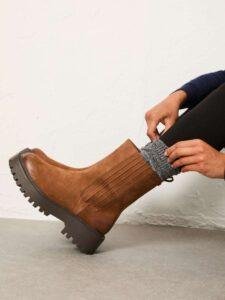
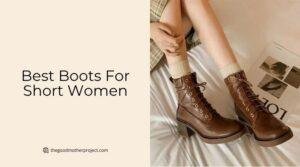
Boots cover many shaft heights, while booties are short boots that usually end at or near the ankle.
Understanding what is the difference between boots and booties makes shopping, styling, and choosing the right footwear much easier. The terms can overlap in fashion, but shaft height, coverage, purpose, and styling options usually separate them. This guide explains the difference in simple terms and offers practical tips for fit, comfort, weather, and everyday wear.
What Is the Difference Between Boots and Booties?
The simplest answer is that “boots” is the broad category, while “booties” are one type of boot. Boots may rise to the ankle, calf, knee, or even higher. Booties are shorter and usually stop at the ankle bone or just above it.
When asking what is the difference between boots and booties, focus first on the shaft. The shaft is the part of the footwear that covers the leg above the foot.
Here is a quick comparison:
| Feature | Boots | Booties |
|---|---|---|
| Meaning | A broad footwear category | A short boot style |
| Shaft height | Ankle to thigh | Usually ankle height |
| Leg coverage | Low to very high | Low |
| Common uses | Work, hiking, riding, winter, fashion | Casual wear, office outfits, events |
| Styling effect | Can create a long, bold line | Adds shape without covering much leg |
A pair of knee-high riding boots and a pair of ankle booties are both boots. However, the booties are defined by their short shaft.
The word “booties” can also have a different meaning for babies. In adult fashion, it usually means ankle boots or very short boots.

What Are Boots?
Boots are shoes that cover the foot and extend higher around the ankle or leg. They may be made for protection, work, outdoor activity, weather, or style.
Traditional boots often have a stronger sole than regular shoes. Many also use leather, rubber, suede, synthetic materials, or waterproof membranes. Their design depends on the job they need to perform.
Common types of boots include:
• Ankle boots: These end around the ankle and can look similar to booties.
• Chelsea boots: These have elastic side panels and a clean, slip-on shape.
• Hiking boots: These offer ankle support, grip, and protection on uneven ground.


• Work boots: These often use tough leather, protective toes, and firm soles.
• Rain boots: These use water-resistant rubber or similar materials.
• Cowboy boots: These have a taller shaft, a slanted heel, and a western design.
• Knee-high boots: These cover much of the lower leg.
• Over-the-knee boots: These extend above the knee for warmth or fashion.
The main point is that boots are not defined by one height or one purpose. The word describes a large family of footwear styles.

What Are Booties?
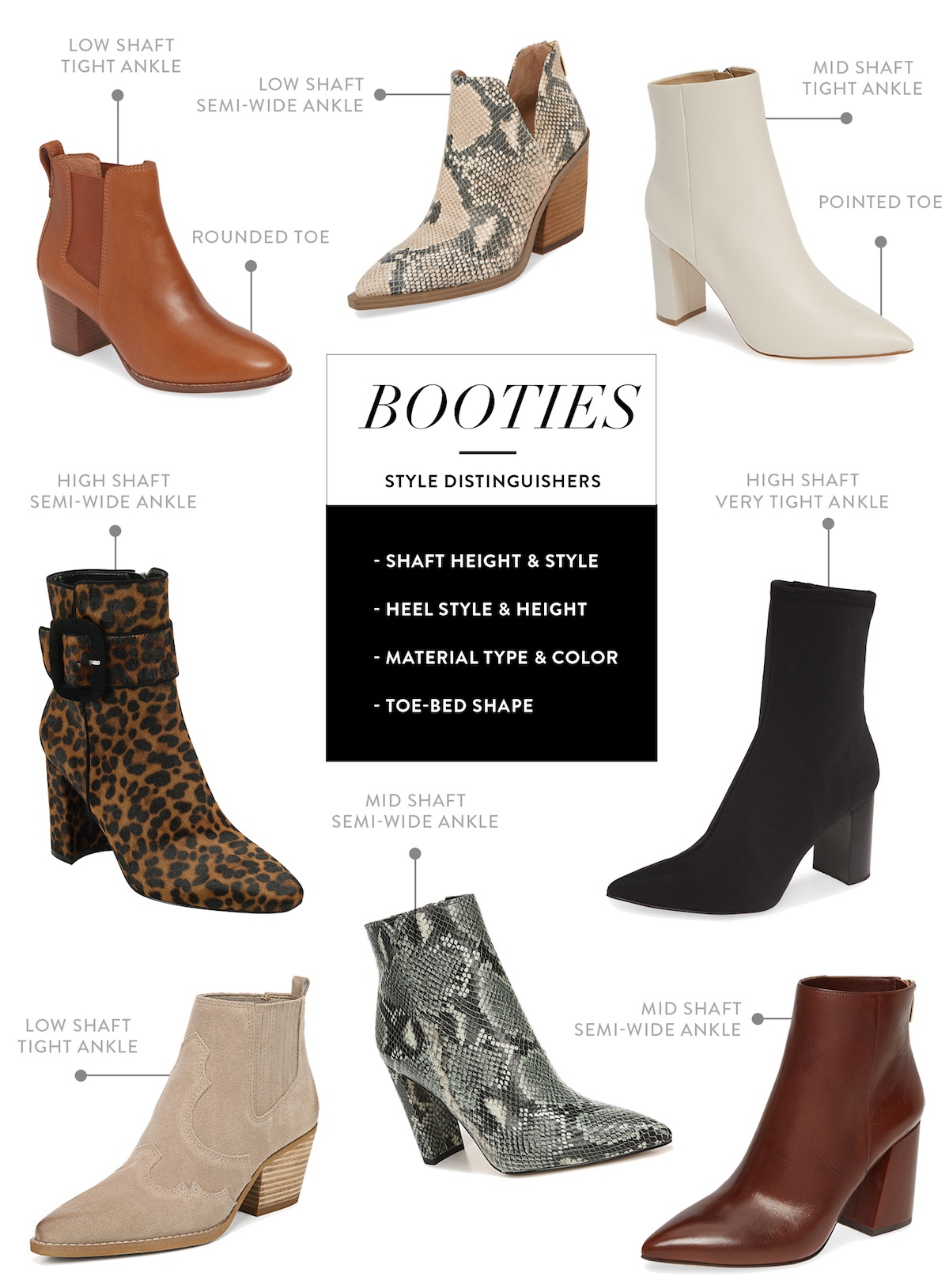
Booties are short boots that usually cover the foot and ankle. Most styles end at the ankle bone, while some rise a few inches above it.
Booties come in many shapes. Some have a low block heel. Others have a stiletto heel, flat sole, wedge, platform, or lug sole. They may also have laces, zippers, buckles, elastic panels, or a pull-on design.
Popular bootie styles include:
• Chelsea booties: Short, simple, and easy to slip on.
• Ankle booties: A general name for styles that sit at the ankle.
• Western booties: Short versions of cowboy-inspired boots.
• Sock booties: Stretchy styles that fit closely around the ankle.
• Peep-toe booties: Open at the toe and often worn in warmer weather.


• Combat booties: Lace-up styles with a strong, rugged sole.
• Heeled booties: Dressier options for work, dinners, or events.
Booties are popular because they feel like a bridge between shoes and boots. They give more coverage than pumps or sneakers but do not cover the calf like tall boots.

Key Differences Between Boots and Booties
What is the difference between boots and booties in everyday use? The biggest differences involve height, coverage, comfort, styling, and function.
1. Shaft height
Boots may have a shaft that reaches the ankle, calf, knee, or thigh. Booties usually have a shaft that ends at or slightly above the ankle.
This difference affects both appearance and performance. Tall boots offer more warmth and protection, while booties feel lighter and leave more of the leg visible.
2. Leg coverage
Tall boots cover the lower leg. Booties leave the calf open.
This matters in cold or wet weather. A tall waterproof boot can protect more of your leg from rain, snow, and mud. A bootie may protect your foot and ankle but leave your lower leg exposed.
3. Styling effect
Booties create a clear break at the ankle. This can make an outfit look sharp and modern. Tall boots create a long visual line that can look sleek with dresses, skirts, or slim pants.
The wrong boot height can change the balance of an outfit. For example, a bootie that ends at the widest part of the ankle may make the leg look shorter. A pointed toe or a small heel can help create a longer line.
4. Practical use
Many boots are built for specific tasks. Hiking boots support outdoor movement. Work boots protect the feet. Winter boots help retain warmth.
Booties are often chosen for daily wear and fashion. Some are highly practical, but many focus more on appearance and easy styling.
5. Ease of wear
Booties are often easier to put on and remove. They are also simpler to store and carry. Tall boots may need more space, and some require extra effort around the calf.
That does not mean every bootie is more comfortable. A narrow toe box, stiff leather, or high heel can still cause pain.


Are Booties Considered Boots?
Yes, booties are considered boots. They are a short boot style that usually reaches the ankle.
The term “boot” describes the wider category. The term “bootie” gives more detail about the height and shape. This is similar to saying that a sedan is a type of car.
Retailers may use the words differently. One store may label a short style “ankle boots,” while another may call the same style “booties.” In most cases, both terms describe footwear with a short shaft.
When comparing what is the difference between boots and booties, remember that booties belong inside the larger boot category. Not every boot is a bootie, but most booties are boots.

Booties vs. Ankle Boots
Booties and ankle boots are often used as synonyms. Both usually stop near the ankle, but the exact height can vary by brand.
Some fashion experts use “booties” for dressier, lower-cut styles. They may use “ankle boots” for a wider group that includes casual, rugged, and practical designs. This is not a strict industry rule.
A useful way to compare them is by looking at the shaft:
• A low bootie may end below the ankle bone.
• A standard ankle boot may cover the ankle bone.
• A higher ankle boot may rise several inches above the ankle.
Always check product photos and measurements. The name alone may not tell you how high the footwear will sit on your leg.

When Should You Wear Boots?
Boots are a strong choice when you need support, warmth, protection, or a specific style.


Choose taller boots when:
• You want extra warmth in cold weather.
• You need more protection from rain, snow, mud, or brush.
• You want to wear a dress or skirt without leaving much leg exposed.
• You need a riding, work, or outdoor design.
• You want a long, streamlined look.
Choose shorter boots when:
• You want more freedom around the calf.
• You plan to wear straight-leg or wide-leg pants.
• You want footwear that works across several seasons.
• You prefer a lighter feel than tall boots provide.
The right choice depends on your setting. A rubber rain boot may be useful during a storm but too warm for a dry spring day. A leather fashion boot may look polished but offer little protection in deep snow.
When Should You Wear Booties?
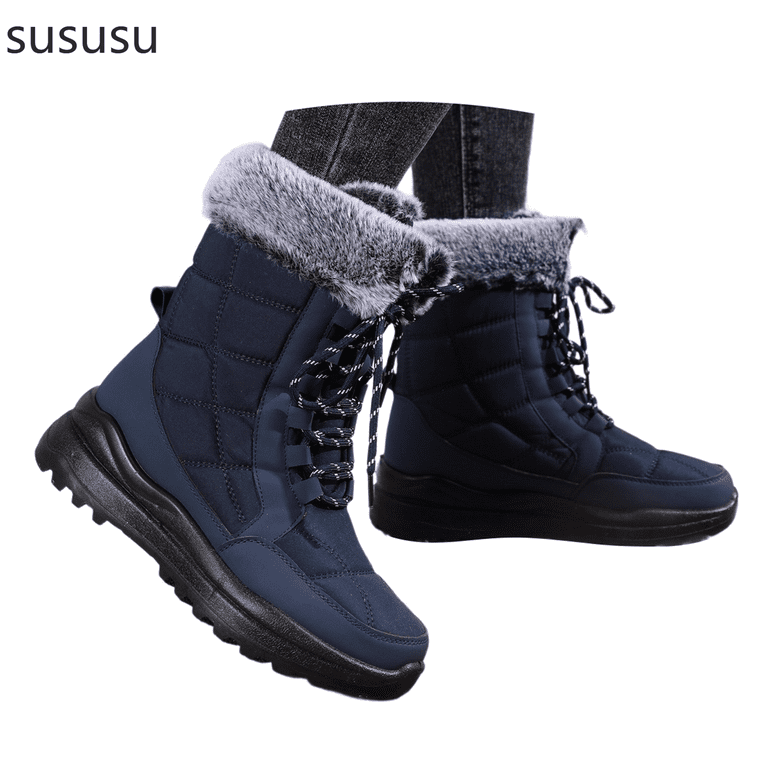
Booties work well for casual outfits, office clothing, travel, and evening wear. Their shorter height makes them flexible across many seasons.
You can wear booties with:
• Jeans, including skinny, straight-leg, cropped, and wide-leg styles.
• Trousers for a clean office look.
• Midi skirts and dresses.
• Maxi dresses for a relaxed outfit.
• Leggings with a longer top or sweater.
• Shorts and tights during cooler months.
Booties are especially useful during transitional weather. They offer more coverage than sneakers but do not feel as heavy as tall winter boots.
A practical styling lesson is to watch where the bootie ends. If the hem of your pants stops close to the top of the bootie, the gap can look accidental. A small, intentional gap or a continuous color line often looks more polished.
How to Choose the Right Fit
Fit matters more than the label. A bootie can be fashionable, but it will not serve you well if it pinches your toes or slips at the heel.
Use these fitting steps:
-
Try boots on later in the day. Feet often swell slightly after walking.
-
Wear the socks you plan to use with the boots.
-
Check your toe room. Your toes should not press against the front.
-
Walk on a hard floor if possible. Pay attention to heel slip, rubbing, and pressure.
-
Bend your ankle. The upper should flex without cutting into your skin.
-
Test the opening. It should feel secure but not painfully tight.
-
Check the sole. It should bend in a natural place near the ball of your foot.
For tall boots, calf fit is also important. The shaft should not squeeze your leg or fall down while you walk. Some brands offer wide-calf, narrow-calf, or adjustable designs.
For booties, heel grip and ankle comfort deserve special attention. A stiff top edge can rub the ankle, especially during the first few wears.
Boots and Booties for Different Foot Shapes
Foot shape affects comfort. People with wide feet may need a wide toe box. People with narrow heels may need a design with strong heel support.
Consider these features:
• Wide toe box: Gives toes room to spread naturally.
• Round or square toe: Often provides more space than a narrow pointed toe.
• Cushioned footbed: Helps reduce pressure during long wear.
• Removable insole: Allows room for custom orthotics.
• Adjustable laces or straps: Improve control over the fit.
• Flexible upper: Reduces rubbing around the ankle.
A common mistake is buying a larger size to solve a width problem. This may create too much length and cause the heel to slide. A wide fit or different shape is often a better solution.
If you have ongoing foot pain, numbness, or swelling, consult a podiatrist. General style advice cannot replace a professional foot assessment.
Materials, Soles, and Weather Protection
The material often tells you more about performance than the name. Leather can be durable and breathable, but it needs care. Suede has a soft look but can stain easily. Synthetic materials vary widely in quality.
Look for these features based on your needs:
• Waterproof construction: Useful for rain and wet ground.
• Water-resistant treatment: Offers some protection but may not stop heavy moisture.
• Lugged outsole: Gives better traction on rough or slippery surfaces.
• Smooth outsole: Works well for indoor and dress settings.
• Insulated lining: Helps retain heat in cold conditions.
• Breathable lining: May improve comfort in mild weather.
A waterproof label does not always mean the entire boot is fully sealed. Check the seams, tongue, zipper, and opening. Water can enter through any weak point.
For leather, use a product made for that type of leather. Avoid treating suede with ordinary leather cream. Good care can extend the life of both boots and booties.
How to Style Boots and Booties
Styling depends on proportion. Think of your outfit as a picture. The boot height changes where the eye pauses.
Try these combinations:
• Tall boots with a midi skirt create a long, refined line.
• Ankle booties with cropped jeans show the ankle and feel casual.
• Black booties with black pants create a continuous line.
• Brown boots with denim create a classic, relaxed look.
• Western booties add contrast to a simple dress.
• Lug-sole boots balance thick sweaters and loose coats.
• Heeled booties add height without the coverage of tall boots.
Color also matters. A boot that matches your pants usually lengthens the leg visually. A contrasting boot draws attention to the ankle.
One mistake to avoid is choosing a boot only because it looks good in a product photo. Consider your whole wardrobe, walking habits, climate, and daily schedule before buying.
Common Mistakes to Avoid
Many footwear problems come from small choices. Avoiding them can save money and prevent discomfort.
• Do not assume every leather boot is waterproof.
• Do not wear new boots for a full day before breaking them in.
• Do not ignore rubbing at the ankle or heel.
• Do not choose a high heel if you need to walk long distances.
• Do not store damp boots in a closed box.
• Do not use the same cleaning product on leather, suede, and fabric.
• Do not rely on size numbers alone because sizing varies by brand.
Breaking in footwear should be gradual. Wear a new pair at home for short periods first. If pain continues, the fit may be wrong rather than simply “not broken in.”
A good rule is simple: style can attract you, but fit and function should make the final decision.
How to Care for Boots and Booties
Basic care helps protect the material and shape.
-
Remove dirt with a soft brush or dry cloth.
-
Let wet footwear dry at room temperature.
-
Keep boots away from direct heat, such as radiators and hair dryers.
-
Use shoe trees or clean paper to help maintain shape.
-
Condition smooth leather when it begins to look dry.
-
Use a suede brush and suede protector for suede styles.
-
Store pairs upright or in a breathable bag.
Salt stains can damage leather during winter. Clean them soon with a suitable product and follow the maker’s care directions. If the material is expensive or badly stained, a professional shoe cleaner may be the safest choice.
Good maintenance is especially important for soles and heels. Replace worn heel tips or damaged soles before they affect your balance.
Frequently Asked Questions About What Is the Difference Between Boots and Booties
Are booties and ankle boots the same thing?
They are usually very similar. Both styles generally end at or near the ankle, but “ankle boots” can be a broader retail term.
Are booties more comfortable than tall boots?
Not always. Booties are often lighter and easier to wear, but comfort depends on the heel, toe shape, materials, and fit.
Can you wear booties in winter?
Yes, if they have insulation, a warm lining, and a slip-resistant sole. In deep snow or very wet conditions, taller waterproof boots may offer better protection.
Are boots better than booties for rain?
Taller waterproof boots usually protect more of the leg. Waterproof booties can work well for light rain, especially when paired with water-resistant pants.
Can booties be worn with dresses?
Yes. Booties work with short, midi, and maxi dresses. Match the style and color to the dress, and consider whether you want the outfit to look sleek, casual, or rugged.
Do boots and booties fit differently?
They can. Booties need a secure fit around the heel and ankle, while tall boots also need the correct calf and shaft fit. Brand shape can affect sizing in both styles.
What are booties called in the United Kingdom?
In the United Kingdom, shoppers may use terms such as ankle boots or short boots. Retail names vary, but the basic design is the same: a boot with a short shaft.
Conclusion
The difference between boots and booties mainly comes down to height and coverage. Boots are the larger category, while booties are short boots that usually stop at the ankle. Boots may provide more warmth and protection, while booties offer easy styling, lighter coverage, and strong everyday versatility.
When choosing between them, look beyond the name. Check the shaft height, fit, material, sole, weather needs, and the clothes already in your closet. Try the pair with your usual socks and walk before buying.
Use this guide to choose footwear that feels as good as it looks, then explore more styling and shoe-care tips to make every pair last longer.

Madison Clark is a footwear expert and the voice behind MyStyleGrid.com. She specializes in honest shoe reviews, style tips, and practical guides to help readers find the perfect pair for any occasion. With years of experience in blogging and content creation, Madison makes footwear knowledge simple, stylish, and easy to follow.