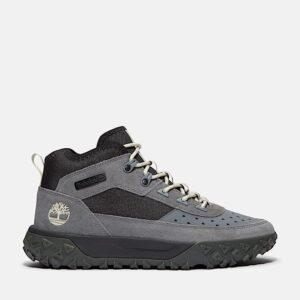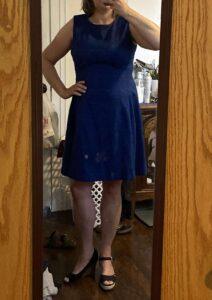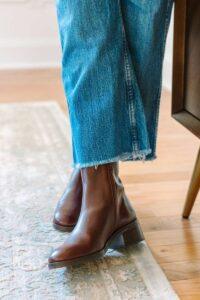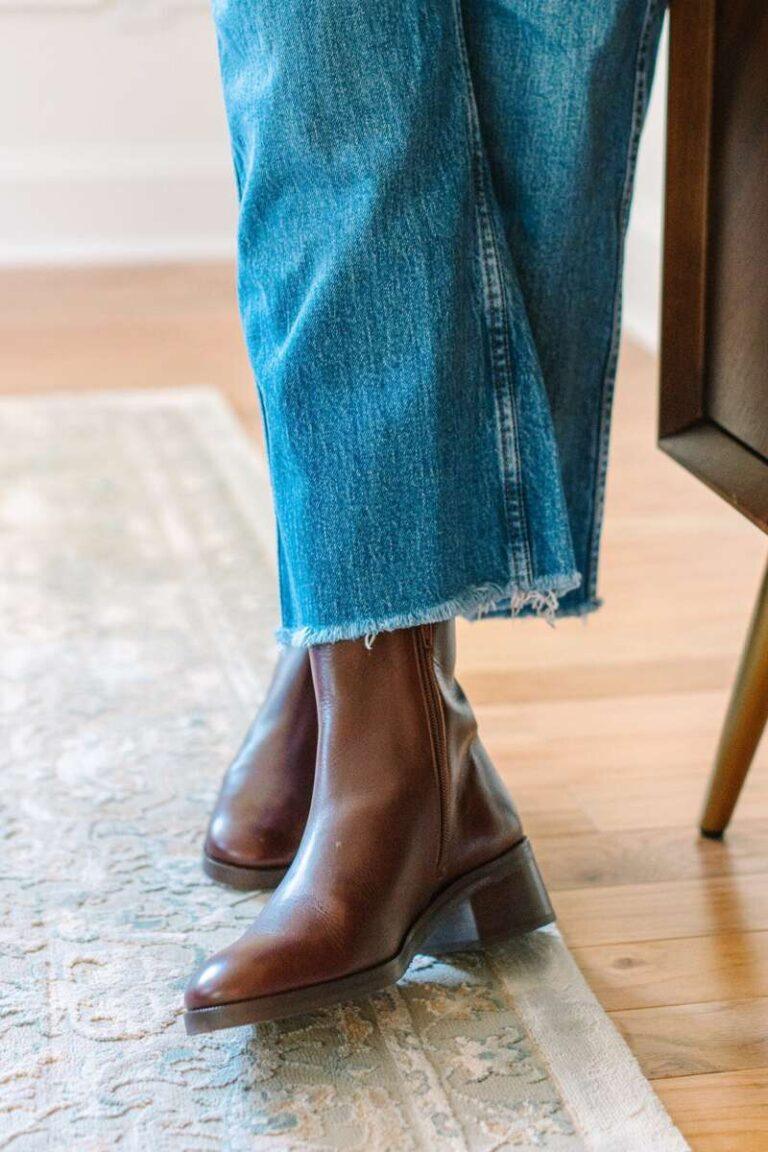
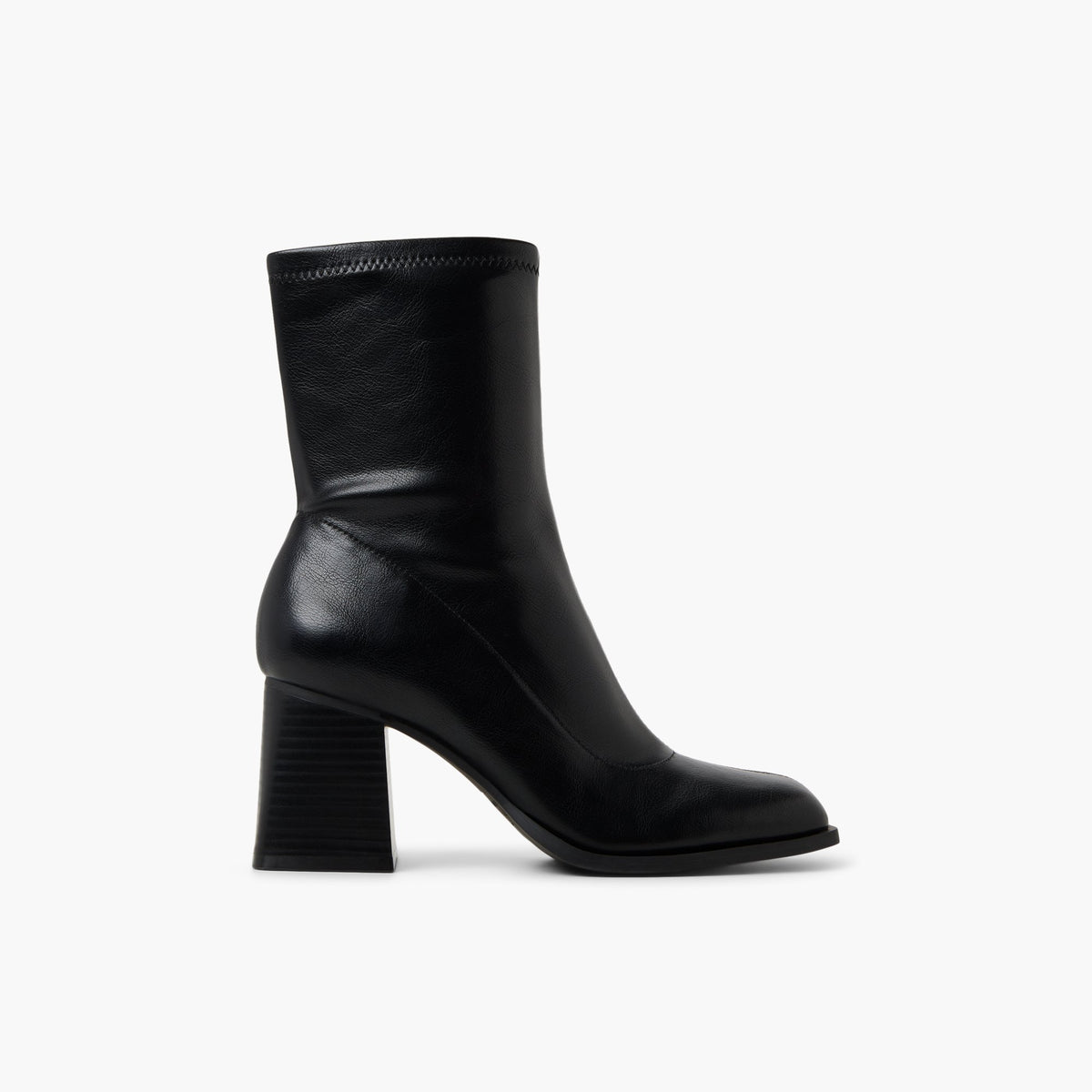
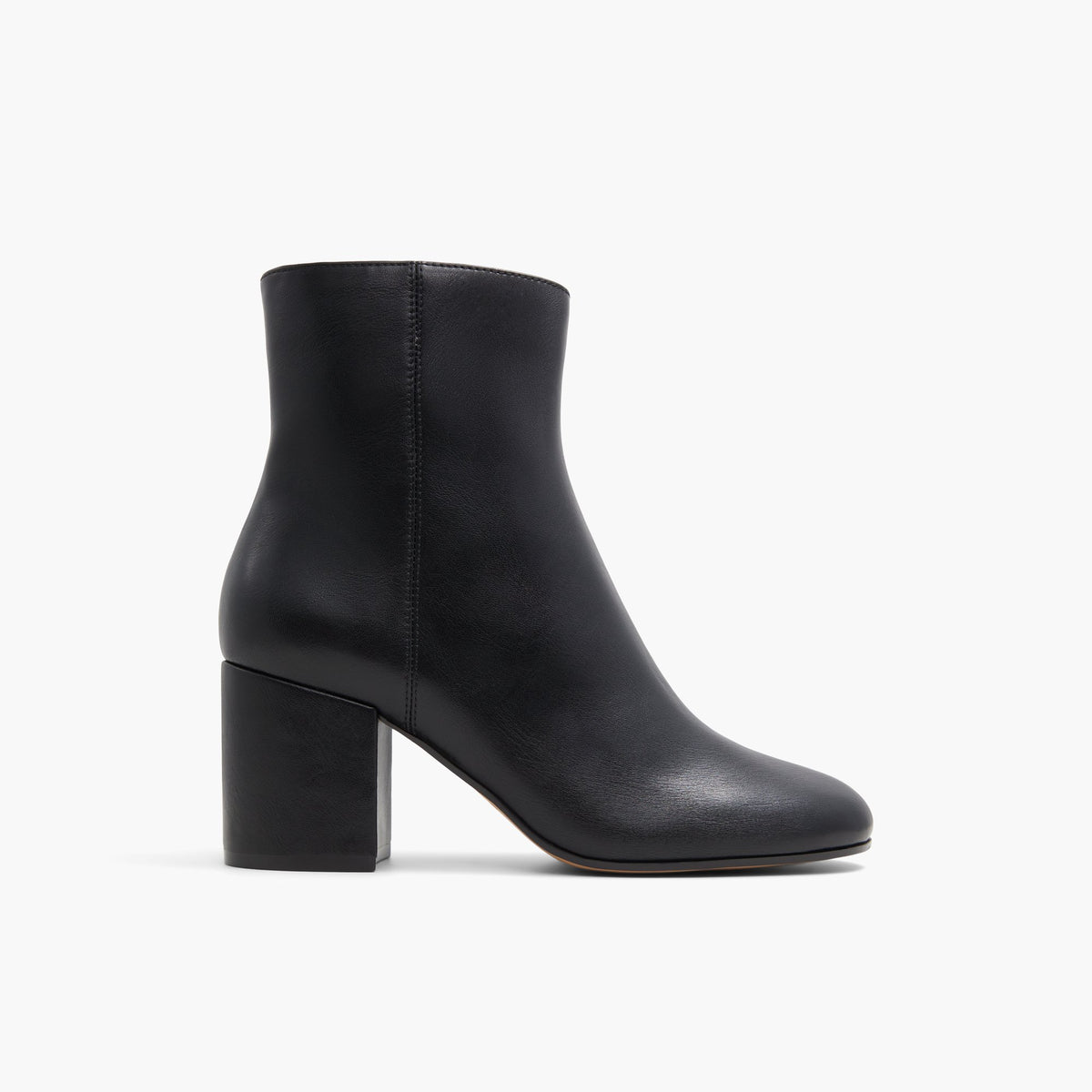
Ankle boots are usually called ankle boots, booties, or short boots that end at or near the ankle.
If you have searched “what are ankle boots called,” you may have noticed several names used by stores, stylists, and shoppers. This guide explains the terms clearly, shows how each style differs, and helps you choose the right pair for comfort, weather, and everyday wear.
What Are Ankle Boots Called?
The most common name is simply ankle boots. In the United States, many people also call them booties. Both terms usually describe footwear that rises to the ankle or stops just above it.
The phrase “booties” often sounds more casual or fashion focused. Retailers may use it for dressy shoes, heeled designs, suede styles, and women’s short boots. “Ankle boots” is the broader and more direct term.
When people ask what are ankle boots called, they may be looking for one of these related names:
• Ankle boots: The standard name for boots that cover the foot and reach the ankle.
• Booties: A common American fashion term for short boots, often made for women.
• Short boots: A broad term that can include ankle boots and other low shaft styles.
• Chukka boots: Low boots with open lacing and a simple, often unlined design.
• Chelsea boots: Close-fitting ankle boots with elastic side panels.
• Desert boots: Casual suede or leather chukka boots with crepe-style soles.
• Ankle booties: A retail term that combines both popular names.
The exact name depends on the boot’s shape, closure, material, and use. For example, a black leather Chelsea boot is an ankle boot, but calling it only a “bootie” would not describe its special side panels.
The Difference Between Ankle Boots and Booties
Ankle boots and booties overlap, but they are not always used in exactly the same way. An ankle boot describes height, while bootie often describes a shorter, fashion-oriented design.
An ankle boot may have a firm shaft that reaches the ankle bone. A bootie may have a lower opening, a soft upper, or a shape that looks closer to a closed shoe. Still, stores often use both terms for the same product.
Here is a simple way to understand the difference:
• Ankle boot refers mainly to the height of the footwear.
• Bootie often refers to the style, shape, or fashion purpose.
• Short boot can describe many designs, including work boots and casual boots.
• Shoe boot is sometimes used for a sleek style that looks like a shoe but has a boot-like upper.
In daily speech, most shoppers do not need to worry about a strict rule. If the shoe reaches the ankle and has a boot structure, “ankle boots” is accurate.

Common Types of Ankle Boots
Knowing what are ankle boots called becomes easier when you learn the main styles. Each type has a distinct look and function.
Chelsea Boots
Chelsea boots have elastic side panels and usually a pull tab at the back. They do not use laces, so they are easy to put on and remove.
This style works well with jeans, trousers, skirts, and casual dresses. A smooth leather pair can look polished, while suede Chelsea boots create a softer weekend look.
Chukka Boots
Chukka boots are low ankle boots with a small number of eyelets and open lacing. They often have leather or suede uppers and thin rubber, leather, or crepe soles.
Chukkas are less formal than traditional dress shoes but neater than many sneakers. They are a useful choice for business-casual outfits.
Desert Boots
Desert boots are a casual form of chukka boot. They are often made from soft suede and use a flexible crepe-style rubber sole.
They are comfortable for relaxed wear, but light suede can stain in rain and snow. A water-resistant treatment can help, though it will not make suede fully waterproof.
Combat Boots
Combat boots are sturdy ankle or mid-calf boots inspired by military footwear. They often have thick soles, strong laces, and a durable leather or synthetic upper.
Modern combat boots are popular for streetwear and outdoor use. Their thick build adds weight, so they may feel less comfortable than lighter ankle boots during long walks.
Western Ankle Boots
Western ankle boots borrow details from cowboy boots. These may include pointed toes, slanted heels, decorative stitching, and a slightly raised shaft.
They pair well with denim and casual dresses. A short western boot can add shape to an outfit without the height of a traditional cowboy boot.
Heeled Ankle Boots
Heeled ankle boots may have block heels, slim heels, stacked heels, or wedge heels. They can make an outfit look longer and more formal.
Block heels usually offer better balance than narrow heels. For regular walking, look for a stable heel, a padded footbed, and enough room for the toes.
Platform Ankle Boots
Platform ankle boots have a thick sole under the front of the foot. Some also have a raised heel, while others keep the foot level.
Platforms can add height without the same steep angle as a high heel. However, thick soles may reduce flexibility and make stairs or uneven ground harder to manage.
How High Do Ankle Boots Rise?
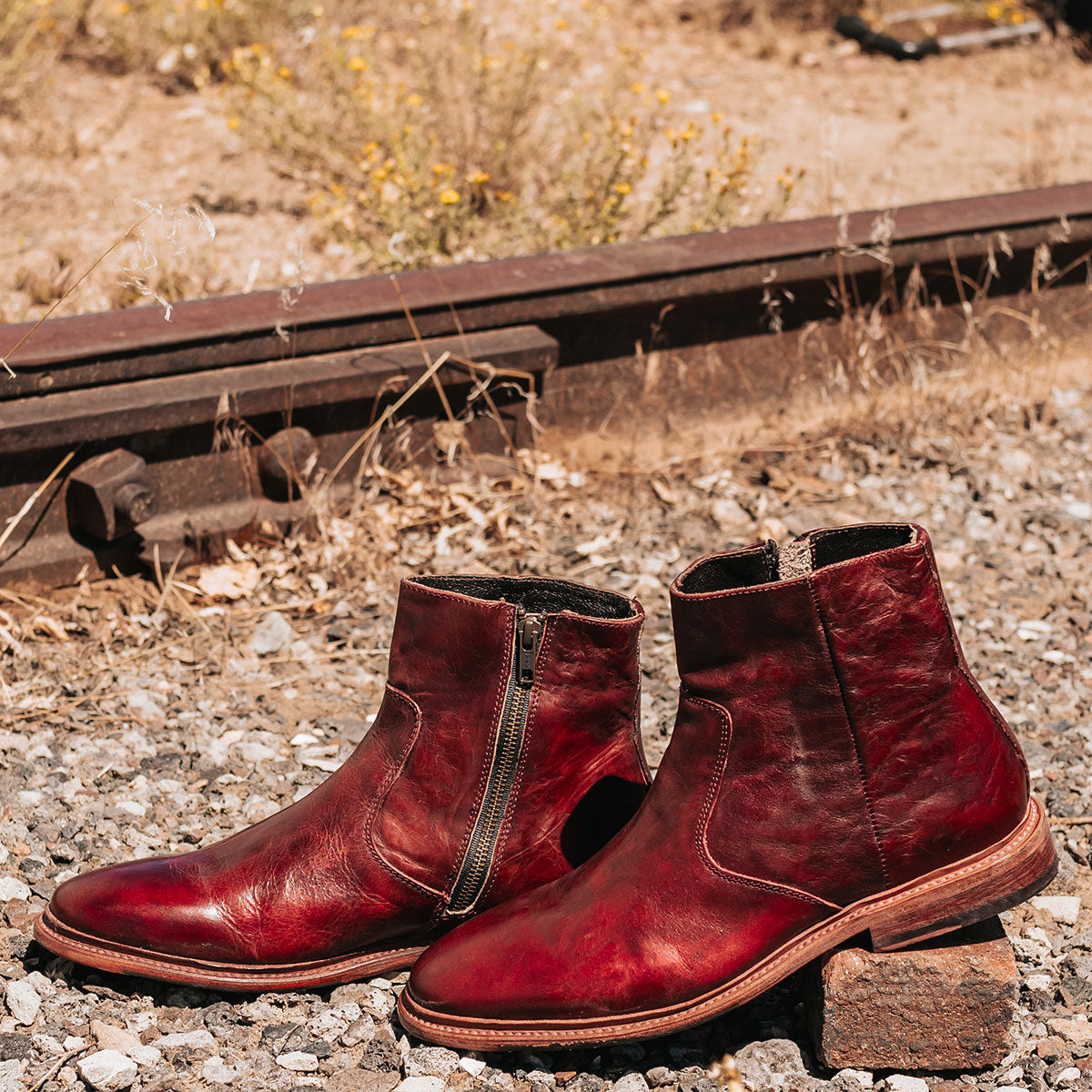
Ankle boots usually stop at the ankle bone or a little above it. Their shaft height may vary by brand, size, and design.
Some styles end below the ankle bone. These may be called low booties or shoe boots. Others rise several inches above the ankle and may be marketed as high ankle boots.
The opening also matters. A wide opening creates a relaxed look and can fit over thicker socks. A narrow opening gives a cleaner line but may rub the ankle if the shape does not match your foot.
When shopping online, check these measurements:
• Shaft height: The distance from the top of the boot to the sole.
• Circumference: The measurement around the boot opening.
• Heel height: The distance from the ground to the top of the heel.
• Toe shape: The front design, such as round, square, almond, or pointed.
Product measurements are more useful than the name alone. Two pairs labeled “ankle boots” may fit very differently.
Why Are Ankle Boots So Popular?
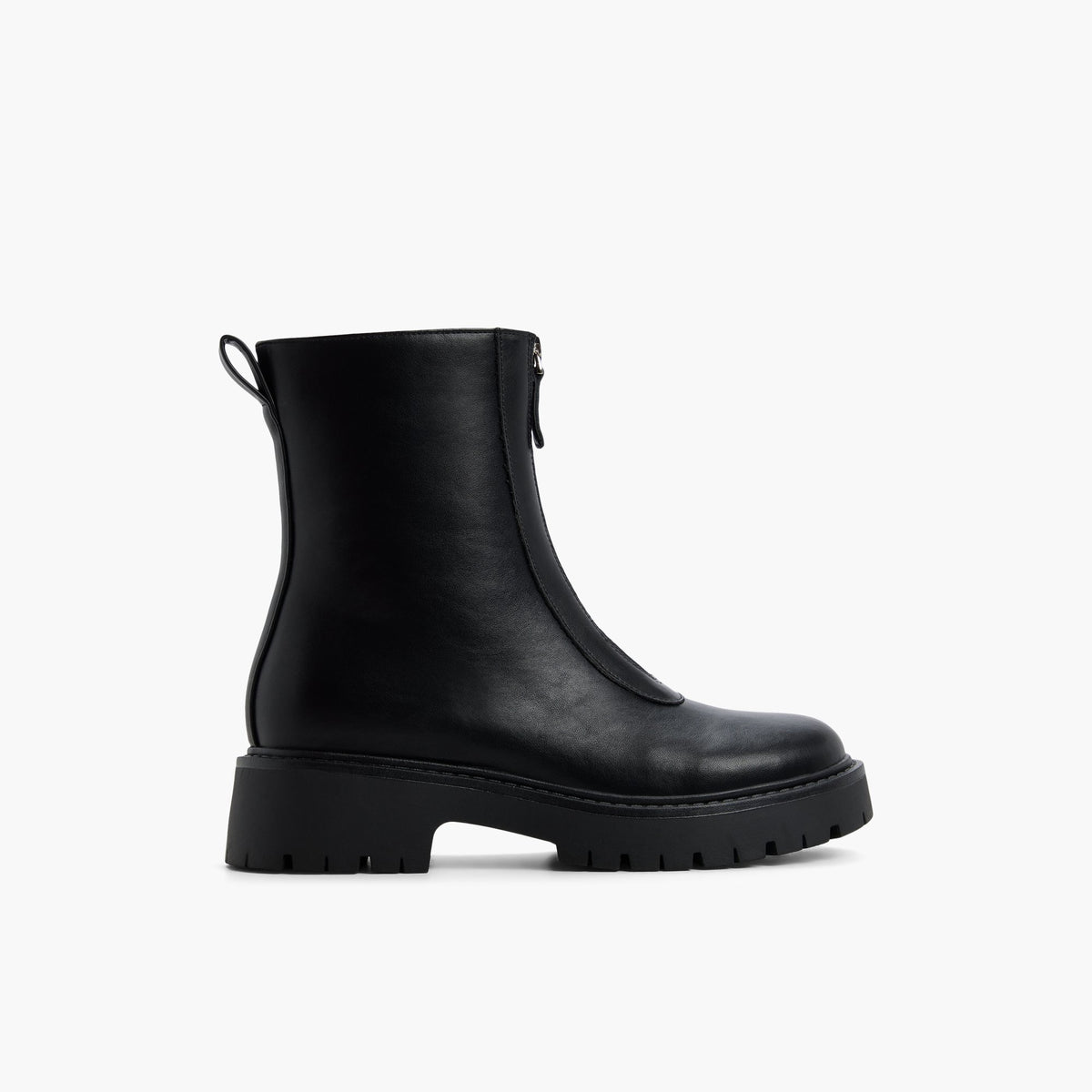
Ankle boots are popular because they sit between shoes and taller boots. They offer more coverage than sneakers but feel lighter and less restrictive than knee-high styles.
They also work across many seasons. Leather ankle boots can handle cool fall days, while lighter suede or fabric styles suit dry spring weather.
Main benefits include:
• Versatility: They work with jeans, trousers, leggings, skirts, and dresses.
• Extra coverage: They protect more of the foot and ankle than standard shoes.
• Style variety: You can choose flat, heeled, western, rugged, or sleek designs.
• Easy layering: They fit under many pant legs and beside many dress hems.
• Seasonal use: Many pairs work from fall through early spring.
There are limits, too. A short shaft offers less warmth than a tall boot, and some ankle openings can make the leg look visually shorter. These are style and comfort issues, not flaws in the design.
How to Wear Ankle Boots
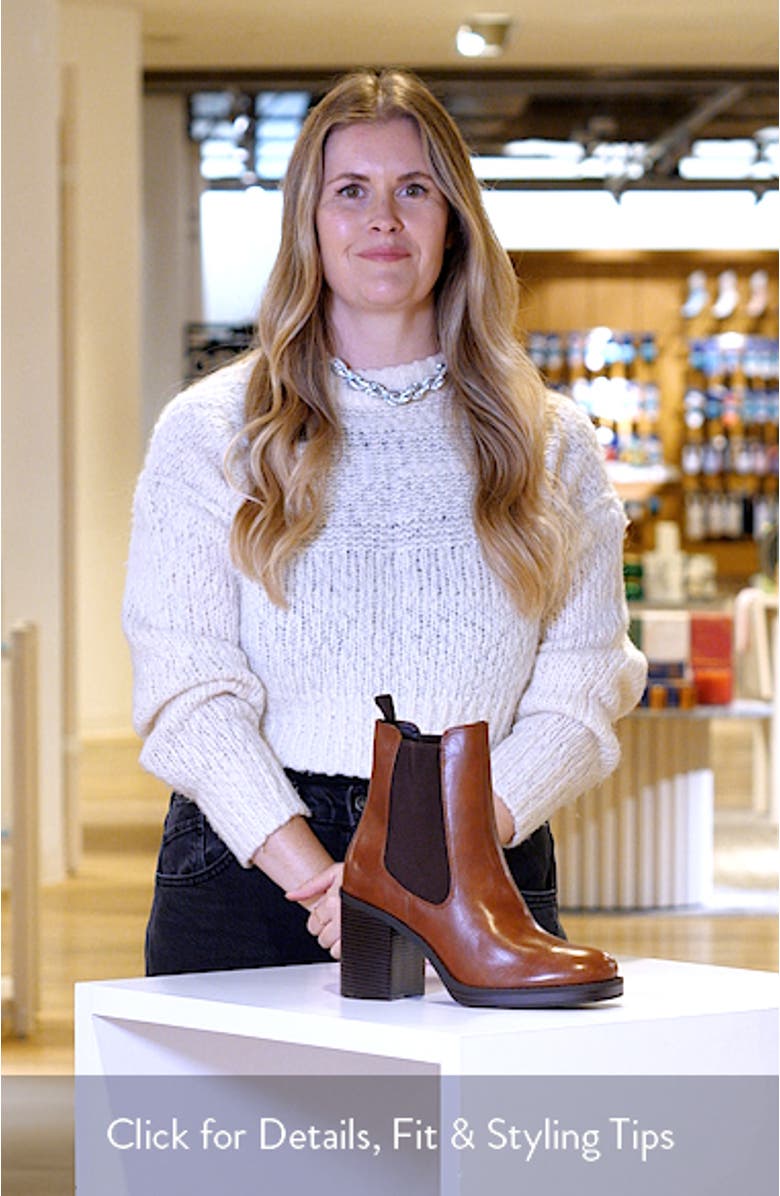
The best way to wear ankle boots depends on the shape of the boot and the clothing around it. The goal is to create a clean connection between the boot and the rest of the outfit.
Try these combinations:
-
Wear slim jeans with Chelsea or heeled ankle boots. Let the hem rest just above the boot or make a small cuff.
-
Pair straight-leg jeans with a slightly wider ankle boot. Avoid bunching fabric around the opening.
-
Wear a midi skirt with heeled boots to create a balanced, polished outfit.
-
Combine casual dresses with flat ankle boots for an easy everyday look.
-
Match black boots with dark socks or tights when you want a longer visual line.
-
Use brown leather boots with blue jeans, cream sweaters, or earth-tone clothing.
-
Choose a pointed toe for a sharper look and a round or square toe for a relaxed feel.
One fitting lesson is worth remembering: the pant hem should not fight the boot opening. If fabric piles up, the outfit can look untidy and the ankle may feel crowded.
How to Choose the Right Ankle Boots
Before buying, think about where and how you will wear the boots. A fashion boot for dinner does not need the same features as a work boot for long hours on concrete.
Use this checklist:
• Fit: Your heel should stay mostly in place without painful slipping.
• Toe room: You should be able to move your toes freely.
• Width: The sides should not press against the widest part of your foot.
• Support: Look for a firm heel counter and a supportive footbed.
• Sole: Choose a grippy rubber sole for wet or uneven ground.
• Heel: Select a low or block heel for daily walking.
• Material: Leather can soften with wear, while synthetic materials may need less care.
• Lining: A soft lining can reduce rubbing and improve comfort.
• Closure: Zippers are quick, laces offer adjustment, and elastic panels make entry easy.
Try boots later in the day if possible. Feet often swell slightly after hours of standing, so a pair that feels perfect in the morning may feel tight later.
Wear the socks you plan to use with the boots. This small step prevents many sizing mistakes.

Are Ankle Boots Comfortable for Walking?
Ankle boots can be comfortable for walking when they fit well and have suitable support. Comfort depends more on construction than on the name of the boot.
Look for a cushioned insole, a stable sole, flexible forefoot, and enough toe space. A very stiff boot may need a break-in period, but sharp pressure, numbness, or rubbing is a warning sign.
A common mistake is buying a pair that feels snug because the leather may “stretch.” Leather can soften and give slightly, but it will not reliably add a full size or correct a narrow toe box.
Break in new boots at home first. Wear them for short periods, check for hot spots, and use blister pads before a long day.
Ankle Boots vs. Other Boot Styles
Understanding what are ankle boots called also means knowing where they fit among other boot categories.
• Ankle boots: End at or near the ankle.
• Mid-calf boots: Rise above the ankle and stop around the middle of the calf.
• Knee-high boots: Reach close to the knee.
• Over-the-knee boots: Extend above the knee.
• Chelsea boots: An ankle-height style with elastic side panels.
• Chukka boots: Ankle-height boots with open lacing and a simple upper.
• Work boots: Built for durability, protection, and traction. They may be ankle height or taller.
• Hiking boots: Made for outdoor trails and often include stronger support and deeper tread.
The height category tells you where the boot ends. The style name tells you more about its design and purpose.
How to Care for Ankle Boots
Good care helps ankle boots keep their shape and finish. The method depends on the material, so check the maker’s instructions before applying a product.
For leather boots:
• Brush away loose dirt.
• Use a leather cleaner made for the specific finish.
• Apply conditioner sparingly.
• Allow the boots to dry naturally.
For suede boots:
• Use a suede brush.
• Treat marks gently instead of soaking the material.
• Apply a suede protector made for footwear.
• Keep suede away from heavy rain when possible.
Never place wet boots directly beside a heater. High heat can dry leather, weaken adhesives, and distort the shape. Stuffing boots with plain paper can help them dry and maintain their form.
Rotate your footwear when possible. Giving boots a full day to air out can help reduce moisture and odor.
What Are Ankle Boots Called in Different Places?
In American English, “ankle boots” and “booties” are the most common terms. In British English, shoppers may also use “ankle boots,” while “short boots” can appear in product descriptions.
Retail language varies by brand. One store may list “black booties,” while another calls a nearly identical product “black ankle boots.”
You may also see terms such as:
• Shoe boots
• Ankle booties
• Low boots
• Short-shaft boots
• Fashion boots
These names are not always exact technical categories. Product photos, shaft measurements, toe shape, heel height, and closure details give a clearer answer than the label alone.
Common Mistakes to Avoid
A few simple mistakes can affect both comfort and appearance.
• Choosing style over fit: A beautiful boot is not useful if it causes pain.
• Ignoring the opening: A stiff or narrow shaft may rub the ankle.
• Wearing the wrong socks: Thick socks can make a close fit uncomfortable.
• Buying without checking the sole: Smooth soles may slide on wet sidewalks.
• Assuming all leather is waterproof: Most leather boots need protection and proper care.
• Matching every detail too closely: Your boots do not need to be the same color as your bag.
• Forgetting the pants hem: Extra fabric around the boot can create bulk.
The safest approach is to judge the complete design. Fit, use, weather, walking distance, and clothing should all guide your choice.
Frequently Asked Questions: What Are Ankle Boots Called?
Are ankle boots and booties the same thing?
They are often used to describe the same type of footwear. “Ankle boots” is the broad term, while “booties” is a common fashion term, especially in the United States.
What are short boots called?
Short boots may be called ankle boots, booties, low boots, or shoe boots. The best term depends on the shaft height and the boot’s design.
What are ankle boots with elastic sides called?
Ankle boots with elastic side panels are called Chelsea boots. They usually have a pull tab and no laces.
What are ankle boots with laces called?
Lace-up ankle boots may be called chukka boots, combat boots, hiking boots, or simply lace-up ankle boots. The name depends on the sole, materials, eyelets, and intended use.
Are ankle boots good for winter?
Some ankle boots work well in winter if they have insulation, waterproof materials, and slip-resistant soles. Light fashion booties may not provide enough warmth or traction for snow and ice.
Can you wear ankle boots with dresses?
Yes, ankle boots pair well with both casual and dressy dresses. The heel, toe shape, color, and boot height can change the overall look.
Should ankle boots be tight around the ankle?
They should feel secure but not painful. The boot should not pinch, rub, or restrict movement, and you should be able to wear your usual socks comfortably.
Conclusion
Ankle boots are most commonly called ankle boots, booties, or short boots. Names such as Chelsea, chukka, desert, combat, and western ankle boots describe specific designs within the larger category.
The right pair should fit your foot, match your daily needs, and offer suitable support for the places you plan to go. Compare the shaft height, toe shape, heel, sole, and material before buying, then care for the boots based on their finish.
Use these tips to find a pair that looks good and feels good. If you have a favorite ankle boot style, share it in the comments or explore more footwear guides for your next purchase.

Madison Clark is a footwear expert and the voice behind MyStyleGrid.com. She specializes in honest shoe reviews, style tips, and practical guides to help readers find the perfect pair for any occasion. With years of experience in blogging and content creation, Madison makes footwear knowledge simple, stylish, and easy to follow.